



By: Aryeh Savir
Israel’s GDP decreased at an annual rate of 28.7% in the second quarter of 2020, the Central Bureau of Statistics reported Sunday, reflecting the gloomy economic situation in the country.
In terms of GDP levels, the contraction in the economy brings Israel back to the level of GDP in seasonally adjusted real terms similar to that of the fourth quarter in 2016, and the worst quarterly fall in GDP since the establishment of the state in 1948.
The CBS explained that the contraction of the economy in the second quarter of 2020 was caused by the Coronavirus (COVID-19) crisis and the government’s actions to stop its spread. These measures included limiting in April of the number of employees at workplaces to 10 workers or 30% of all workers, and the closing of educational institutions and all places of entertainment.
In May there was a partial return to routine.
In addition, a policy of restricting entry and departures of tourists from the country has remained in place since the outbreak.
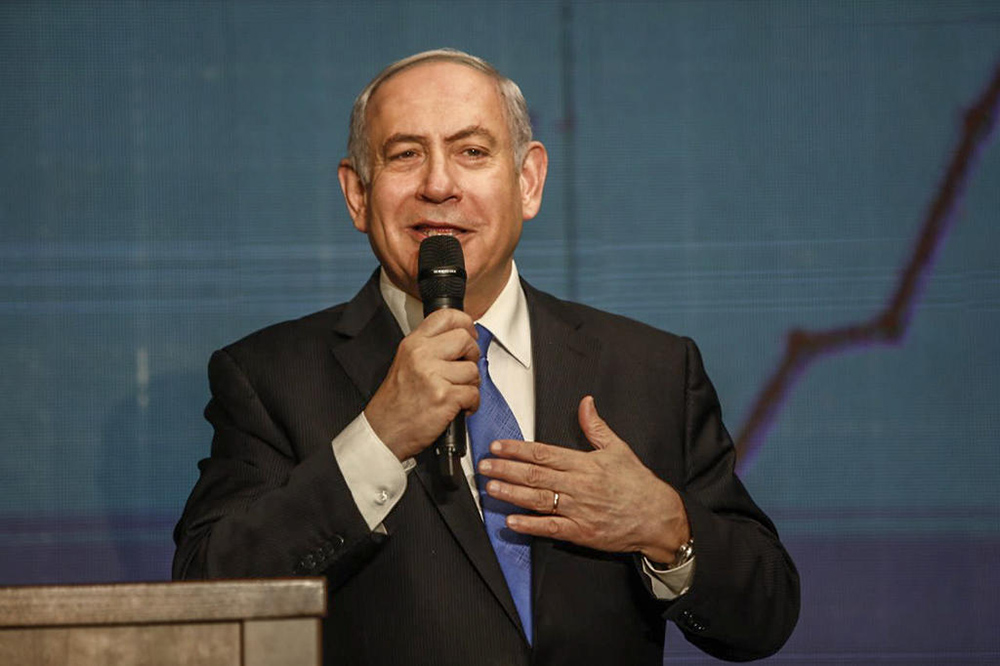
Prime Minister Benjamin Netanyahu said Sunday that the CBS numbers were actually “very good economic news,” noting that the decline in Israel’s GDP was half the decline in the European countries.
OECD data shows that the United Kingdom’s economy shrank by 59.8% in the second quarter, Canada by 40%, Germany by 34.7%, the US by 32.9%, and Sweden by 30.2%.
“It is almost the lowest in the world. South Korea is ahead of us and maybe two or three other countries,” he said.
He attributed this relatively positive economic situation to “the responsible policy that we have undertaken, which not only reduced the number of deaths in Israel but also the magnitude of the blow to the Israeli economy.”
“We will continue to work for your livelihoods, for our economic future and for your health,” he declared.
The Cabinet approved the details of Netanyahu’s and Finance Minister Yisrael Katz’s approximately NIS 8.5 billion plan to accelerate the economy and assist government ministries and populations at risk in dealing with the Coronavirus crisis.
These plans are part of the ‘economic safety net’ plan that Netanyahu and Katz unveiled at the start of July.
The plan includes budgets for a series of projects in transportation, infrastructures for housing, technology and high-tech, tourism, sports, social welfare, energy efficiency and other fields.
(TPS)

[…] Read original article here. […]