



By: Baruch Yedid
Israel resumed the supply of cooking gas to the Gaza Strip through the Kerem Shalom crossing after a few days during which there was a severe shortage of gas in the Strip.
Egypt raised the prices of gas and there were technical difficulties in supplying gas from Israel, resulting in Gazan residents suffering from a severe cooking gas shortage that prompted worries that the deficiency would cause the closing of bakeries within a few days.
The Egyptians raised the price of gas by NIS 7 per balloon and put it at NIS 61, an 11% increase, and therefore Gazan importers stopped buying it. Samir Hamada, head of the gas committee of the Gaza fuel companies association, admitted that the gas was running out at all supply stations and warned of “a major fuel crisis.”
A Gaza official told TPS that the supply from Israel had decreased over the past year mainly because of the reduction in the number of Israeli suppliers after the gas industry in Gaza switched to Egyptian suppliers and developed a dependency on imports from Egypt.
Owners of the gas distribution stations said that Hamas has instructed them not to comment on the matter “with the intention of blurring the fact that there is a gas shortage,” but the Hamas government has denied the existence of a gas supply crisis.
Ministry of Economy spokesman Abdel Fattah Musa told local media that talk about a shortage were rumors and that gas supplies were available.
Hamas also warned the station owners not to take advantage of the winter and create an artificial shortage to raise prices or create a monopoly.
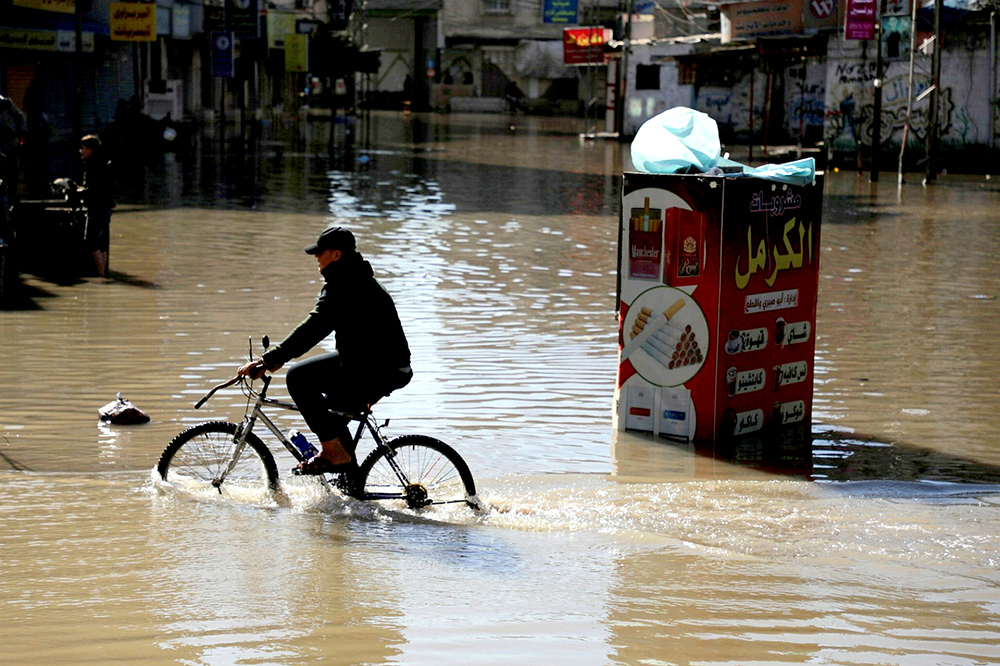
In the meantime, stormy weather in the Gaza Strip caused dozens of houses to be flooded with rain and sewage, mainly in the Jabalya area, where 12 houses collapsed.
Swimming enthusiasts organized a demonstration of sympathy with the families whose homes were flooded and demanded that Hamas work to find a solution for the dilapidated infrastructure.
Social activists also demanded that UNRWA compensate the families.
Hamas on Sunday accused Israel of opening its dams and flooding 100 dunams of agricultural crops, an allegation it repeats on an annual basis.
(TPS)
