



By Hellen Zaboulani
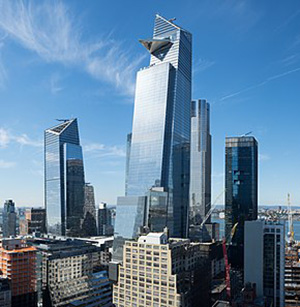
Sleek luxury condominiums, tall office towers busy with employees for powerhouse corporations, a mall with international shops, and restaurants galore for every palate. That was the picture in store for Hudson Yards, opened in 2019 as the biggest private development in the history of the United States.
Now, due to the pandemic, the vision of Hudson Yards is incomplete— empty of the hustle and bustle it was built for. As reported by the NY Times, the $25 billion development at Hudson Yards is suffering due to the Coronavirus pandemic, so much so that its future is at risk. Hundreds of condominiums were left unsold. Restaurants are going out of business. The mall has no foot traffic, and its anchor tenant, Neiman Marcus, filed for bankruptcy and has shuttered. Other stores, and offices lay vacant. Tourists, buyers and even white-collar workers are all missing in action. The development’s centerpiece, the 150-foot-tall structure known as the Vessel, closed to visitors in January after serving its 3rd suicide for the year.
There was more to come for Hudson Yards. Developer Related Companies, led by billionaire founder Stephen M. Ross, had planned a second phase of development with 8 more buildings including a school and plenty of more residential and commercial space. Now those aspirations are on hold as the developer seeks federal financing for the nearly 10-acre platform. Related, which had estimated the entire project would be completed in 2024, now has no completion date for the second phase. Experts wonder if and when demand at the development will meet supply.
Related admitted that it is facing the financial difficulties, similar to those all across the city, all impacted by the pandemic. Still, it expressed confidence that Hudson Yards will ultimately rebound. Four office towers at Hudson Yards — including 50 Hudson Yards, which is still under construction — are 93 percent leased, a spokesman for Related told the Times. “Our strong office leasing, even during the pandemic, is why we’re well positioned to lead New York’s comeback from Covid and why the adjacent neighborhoods and the entire West Side will recover faster,” the spokesman, Jon Weinstein, said.
“The challenges facing Hudson Yards aren’t unique,” said Danny Ismail, an analyst and lead of office coverage for real estate research firm Green Street. “All commercial real estate in New York City has been impacted by Covid-19. However, I would argue that post-pandemic, Hudson Yards and the area around it will be one of the better office markets in New York City.”
