



By: Jared Evan
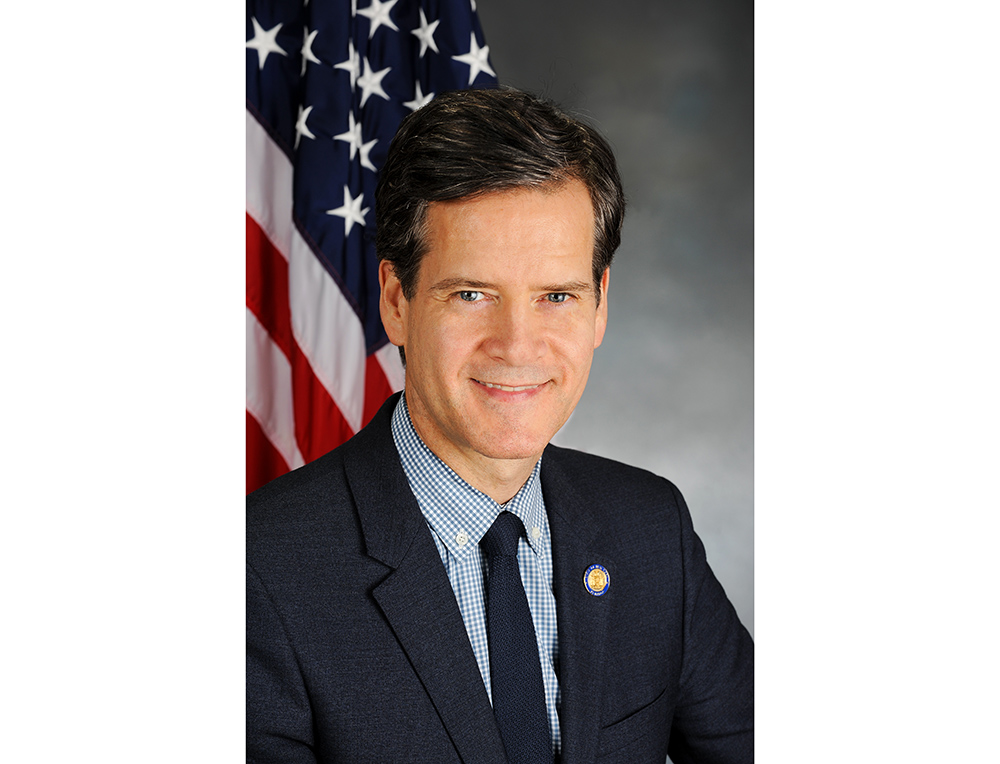
New York State is about to introduce a bill that will make it a crime to promote “disinformation” on social media. The New York Post reports, New York would be able to hold social media companies accountable for promoting disinformation, eating disorders and “other unlawful content that could harm others” under a new proposal designed as a workaround to federal law. The new bill – sponsored by state Sen. Brad Hoylman (D-Manhattan) – comes as lawmakers across the country scramble to address harms attributed to Facebook and Instagram which were exposed in a series of leaks by whistleblower Frances Haugen earlier this year”.
Corporations and private citizens would both be held responsible according to the legislation which reads, “No person, by conduct either unlawful in itself or unreasonable under all circumstances, shall knowingly or recklessly create, maintain or contribute to a condition in New York state that endangers the safety or health of the public through the promotion of content, including through the use of algorithms or solely automatic systems that prioritize content by a method other than solely by time and date such content was created”.
According to The New York Post, an October Post investigation based on documents leaked by Haugen showed that Instagram knows that the app recommends pictures and videos that promote eating disorders to vulnerable teens. A follow-up in December showed that the app is still making sickening content available to teens despite its promise of a crackdown. Other documents leaked by Haugen showed that Facebook has struggled to crack down on human trafficking and drug cartels on its sites, among other issues
The distinction between ‘hosting’ and ‘amplifying’ content is incoherent, critics say This bill sponsor has taken an incoherent idea and embraced its most censorial option, David Greene, a staff attorney, and civil liberties director at the Electronic Frontier Foundation said. Green also stated the bill raises First
Amendment concerns and added that determining what content counts as coronavirus-related misinformation is “really hard.” “Public health guidance changes really quickly because what we know changes really quickly,” Greene told The Post.
The internet has been used for nefarious purposes since it’s invention and social media has made it even easier for drug dealers, gang members, and human traffickers to conduct illegal activity. The federal government had not done enough to control social media, so the state must step in evidently. Going after what amounts to a freedom of speech issue is not getting to the true root of the problem.
