



|
Getting your Trinity Audio player ready...
|
By: Benyamin Davidsons
New York City’s transportation officials are putting their foot down to keep peddlers off the Brooklyn Bridge.
As reported by Crain’s NY, officials are advancing a proposed street vendor ban on the city’s bridges. The detailed new rules clearly intend to rid the tourist-jammed Brooklyn Bridge of the food and beverage vendors that have expanded. On Friday, the Department of Transportation published rules in the City Record announcing that “no peddler, vendor hawker, or huckster” shall “remain upon or otherwise encumber, any elevated pedestrian walkway or bicycle lane on a bridge or a bridge approach.”
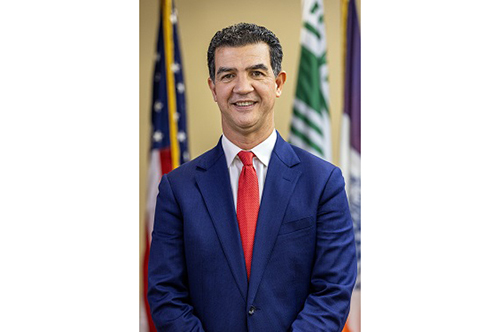
The change would apply to all 789 bridges under the DOT’s control, and further is specifically designed to address overcrowding on the Brooklyn Bridge, said the city’s transportation commissioner. “The Brooklyn Bridge has been called America’s Eiffel Tower, and it’s important that all New Yorkers and the millions of people who visit our city each year can enjoy it without impediments to safety and pedestrian mobility,” DOT Commissioner Ydanis Rodriguez said. “These proposed rules would make it safer and easier for pedestrians to enjoy the Brooklyn Bridge and take in the world-renowned view of New York Harbor.”
Vendors have been selling beverages, snacks, hotdogs, and New York-themed trinkets on the crowded bridge for years. In 2021, however, the number of street sellers jumped substantially, and particularly for sellers without proper licenses. Per Crain’s, the increase in vendors started when the city moved bikers to a protected lane on the roadway below, leaving extra space cleared away on the sides of the bridge. The DOT cited a significant increase in the number of pedestrians on the bridge. In a typical fall weekend in 2022, a daily average of more than 34,000 pedestrians walked on the Brooklyn Bridge, up from 17,000 pedestrians on a similar weekend in 2021, the DOT said.
The width of the elevated pedestrian walkway on the Bridge is roughly about 16 feet on average, but at multiple points it narrows to less than 5 feet. This creates a dangerous situation, especially with vendors packed in, the city said. “The ability of pedestrians to exit the bridge safely is jeopardized by vendors who display and store their wares, carts, tables, tents, tarps, canopies, coolers, and generators along the elevated pedestrian walkway, impeding pedestrian traffic flow,” the proposed rules state.
Rules don’t mean much if they are not enforced and Mayor Eric Adams seems like he intends to regulate. City Hall recently ramped up actions against street vendors, including a contrevertial crackdown on 78 stands at the famed Corona Plaza food market in Queens.
For their part, licensed bridge vendors have voiced their protest. “It’s not fair to take that away from us,” said Poncho Romero, 76, who sells lucrative knickknacks to tourists on the Brooklyn Bridge. “People are buying, and the money is good.” The bridge is currently one of the last remaining places where sellers say they can legally operate. “The failure to engage the vendors on this issue and just take a really extreme, top-down approach is going to be disastrous for the vendors,” said Matthew Shapiro, legal director at the Street Vendor Project, which is part of the Urban Justice Center. “These policies are squeezing the vendors out little by little.”
