



By Ilana Siyance
It cannot be denied that the retail business has changed for big names paying big rents in NYC’s pricey streets. Retail space is no longer a scarcity that is sought after and paid premium prices for. There are still some winners, but it’s a lot easier to lose money with the high cost of doing business and the new retail environment. As per a recent article in the NY Post, companies and business owners that want to continue to excel now need to constantly reinvent their brands. “There was a lot of competition, and values were bid up, and projections that were made were unrealistic,” says Michael Cohen of Colliers International. “We now have a disconnect between ‘high street’ retail and what tenants will actually pay, so there’s an oversupply.”
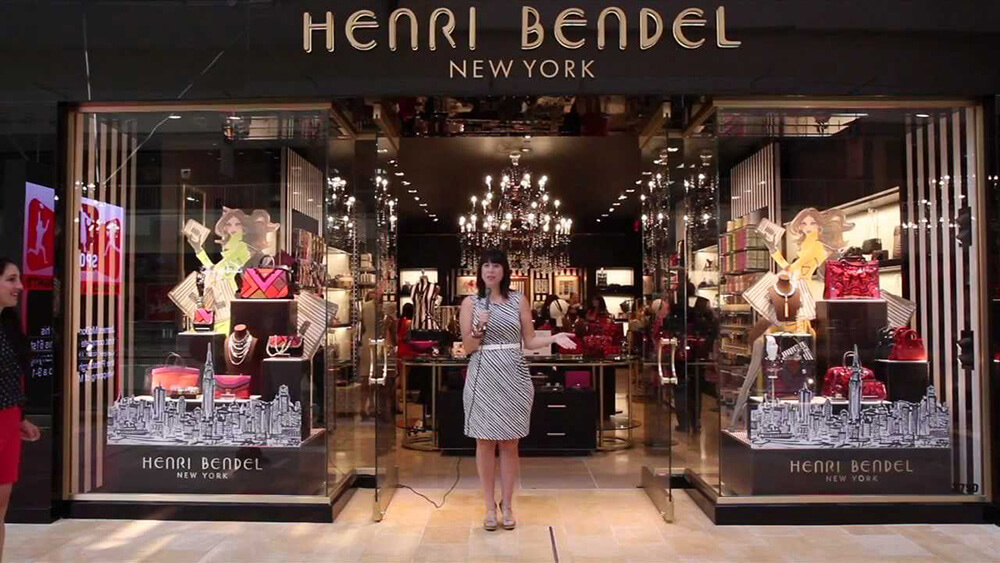
Even along iconic Fifth Avenue, vacant windows replace top names like Henri Bendel and Ralph Lauren. “The problem now is that rents are too high, and tenants are tired of losing money,” says Brad Mendelson of Colliers. Despite availability, few deals were signed north of 49th Street. “We have 200,000 square feet of available prime Fifth Avenue space,” Mendelson says. “I’ve never seen that.”
Larger stores have become irrelevant in that they either don’t have enough merchandise to fill them, are lacking good design or mismanage the business, says Joanne Podell of Cushman & Wakefield. “You have to offer a product or service that people are looking to you to provide,” Podell says. Her client, the Nike store at 650 Fifth Ave., “is doing great,” she says. “It’s constantly packed — it’s experiential and sells great product.” There are brick-and-mortar stores that remain successful, despite the shift towards online shopping. David Yurman, the family-owned jeweler, that just opened at 5 E. 57th St. across from Tiffany is doing well. Below 49th street, Lululemon on 592 Fifth, and Sephora’s gigantic space at 580 Fifth are also faring well.
The real estate rep trying to fill Ralph Lauren’s empty store at 711 Fifth Avenue between 55th and 56th streets says he is still optimistic. “It’s the center of Manhattan, it has the highest office rents, Rockefeller Center, the Museum of Modern Art, with a nexus to Times Square, the parade routes, the Museum Mile — and none of that is going away,” says Gene Spiegelman of Ripco Real Estate. But even he admits that, “You can’t deny that overall velocity is down and every deal that gets made is a precious transaction.”
It seems inevitable that at this rate a self-correction of rents is underway. In fact, the Real Estate Board of New York found that pricing is still sliding in most of the 17 Manhattan retail corridors. “I don’t get nervous when tenants are submitting below market offers. I get nervous when the phone stops ringing,” Matt Chmielecki of CBRE said.
Owners are well aware that they need the stores to succeed, and therefore their rents may need to be lowered. “They recognize they have a vested interest in them doing well,” Steven Soutendijk of Cushman & Wakefield told the Post. “You need to give tenants free rent and pay brokers.”
