



|
Getting your Trinity Audio player ready...
|
By: Vance Voetberg
Humans often struggle to comprehend the impact of unseen factors on our health. For example, while we are aware of the detrimental effects of processed food due to its visible consequences, we often underestimate the impact of countless imperceptible elements in our daily lives.
One group of such substances is manmade chemicals, such as phthalates, which significantly influence our overall well-being. Phthalates are frequently used to enhance the durability of plastics and are commonly present in various household and personal care products such as shampoo, hair sprays, and laundry detergent.
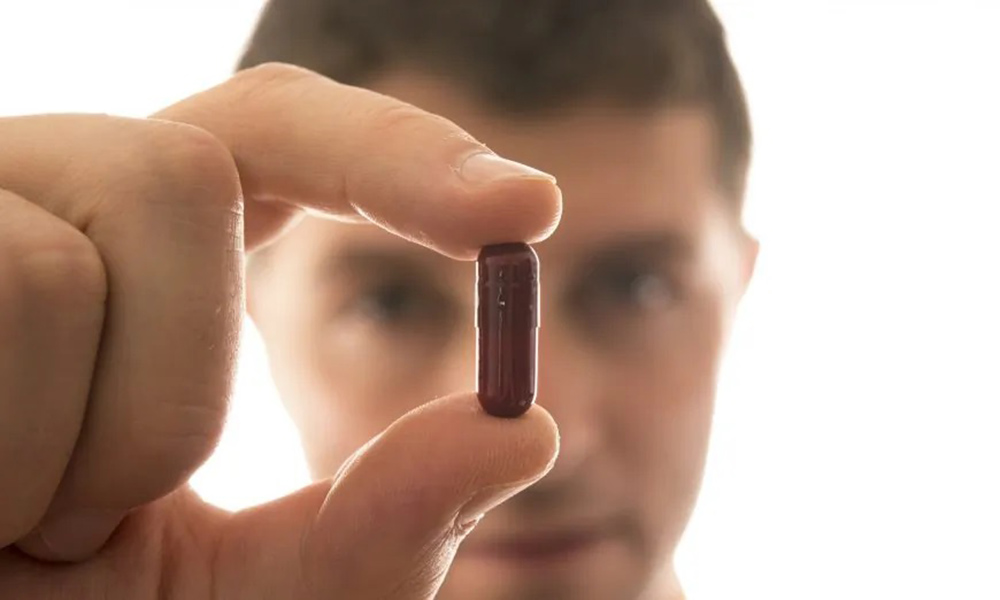
What remains relatively unknown is that phthalates serve as a common ingredient in numerous easily accessible pharmaceutical drugs. This raises concerns about the potential risks associated with exposure to phthalates, as they have been linked to various health issues, including reproductive and developmental problems, hormonal disruptions, and even certain types of cancer.
Why Are They Being Used in the First Place?
As bakers rely on butter to create various pastries, chemists often rely on versatile phthalates to formulate different products, including pharmaceuticals. “Pharmaceutical companies that produce gastrointestinal (GI) medications often utilize phthalates for their ability to localize medication release,” according to an article published in the World Journal of Gastroenterology. Essentially, phthalates enhance the effectiveness of certain drugs through various mechanisms.
Phthalates have high compatibility with a wide range of ingredients and oils. They can also slow evaporation and give products long-term stability.
These properties make phthalates attractive for their solvent capabilities in liquid formulations and as plasticizers for plastic products and packaging, according to Homer Swei, senior vice president of Healthy Living Science for the Environmental Working Group. They can help maintain ingredient integrity, regulate the release and delivery of functional components, and enhance durability, he added.
Toxic Substances in OTC Drugs and Supplements
A research report investigating the use of phthalates as ingredients in drugs found a wide range of prescription and over-the-counter (OTC) products and supplements from different therapeutic categories that incorporate various phthalates. The report found that phthalates are used in these products as “inactive” ingredients. The purpose of any inactive ingredient in a medicine is usually to improve the efficacy of active agents that alleviate symptoms, mitigate a medicine’s bitter taste, or preserve medications until their expiration date.
While phthalates can be found in both prescription and nonprescription drugs, they are very commonly used in medications designed to treat GI symptoms associated with conditions like acid reflux. Over 20 million Americans take these drugs, known as proton pump inhibitors.
However, some medical professionals express concerns that the phthalates contained in these drugs may have adverse effects. “Exposure to low dosages like in drugs can change gene expression by reprogramming the molecular system in cells, protein level, receptor expression, and DNA methylation,” said Dr. Luíza Mirpuri, a renowned phthalate expert. “All of these are known to influence health adversely.”
Further research is necessary to understand the extent of these potential risks fully.
Hormone-Disrupting Chemicals
Phthalates are categorized as endocrine-disrupting chemicals, which can interfere with the normal functioning of male and female hormones.
Research has established a link between phthalate exposure and male and female infertility, birth abnormalities, and cancer.
Significant apprehension regarding their impact on human health has prompted regulatory agencies in the European Union, Japan, and Canada to ban or significantly restrict the use of many types of phthalates.
