





















Debt Deadline Looms as Charles Cohen Sells Prime Manhattan Assets Amid Intensifying Financial Pressure
By: Russ Spencer
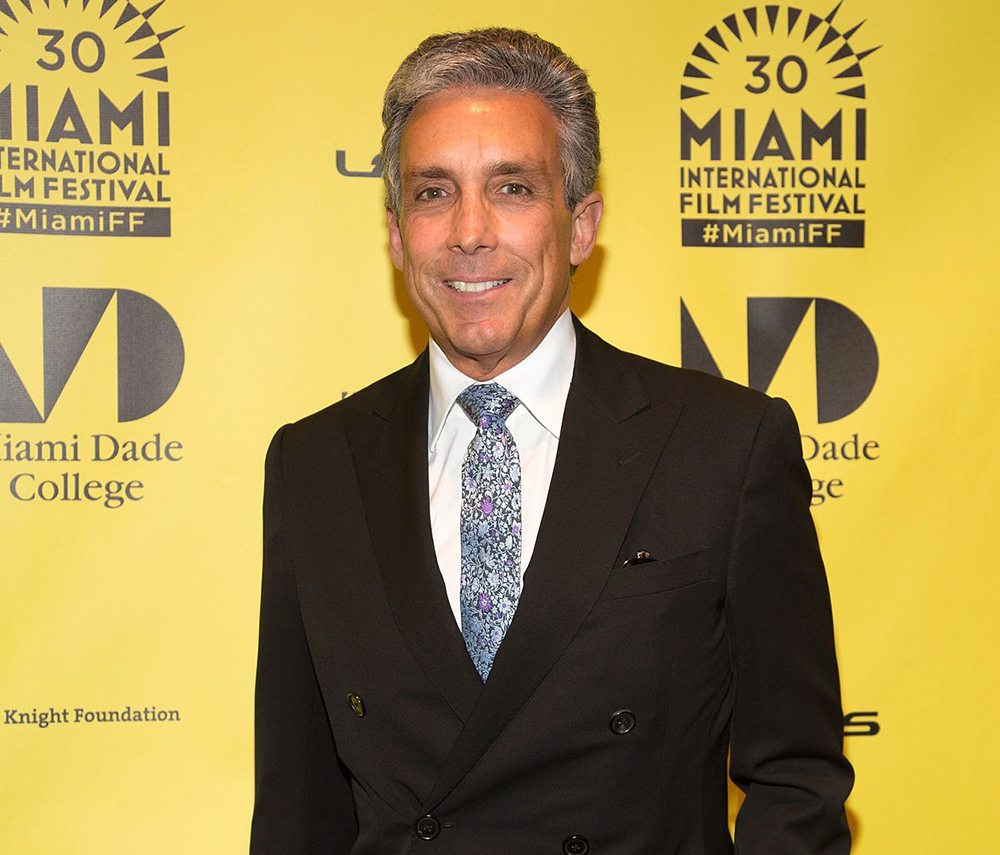
The financial and legal pressures bearing down on veteran New York real estate magnate Charles Cohen appear to be mounting with increasing intensity, as a series of high-profile asset sales underscores the urgency of his efforts to satisfy a massive debt obligation owed to Fortress Credit. According to report last week by The Real Deal, Cohen’s shrinking window to resolve his financial liabilities has created an environment ripe for opportunistic acquisitions by rival investors eager to capitalize on one of the most closely watched distress situations in the Manhattan commercial real estate market.
In the latest development, The Real Deal reported that Tony Malkin’s Empire State Realty Trust moved decisively to acquire the land beneath two prominent Midtown Manhattan properties from Cohen in a transaction valued at approximately $110 million. The acquisition represents not only a significant expansion of Empire State Realty Trust’s holdings but also another indication that Cohen is being compelled to monetize valuable assets as he races against an increasingly unforgiving deadline.
The transaction involved the properties located at 111 West 33rd Street and 1400 Broadway, two strategically situated commercial assets in the heart of Manhattan’s bustling business district. According to The Real Deal report, Empire State Realty Trust had already leased the land beneath both buildings and elected to purchase the underlying real estate outright, thereby eliminating lease agreements that reportedly still had more than 30 years remaining.
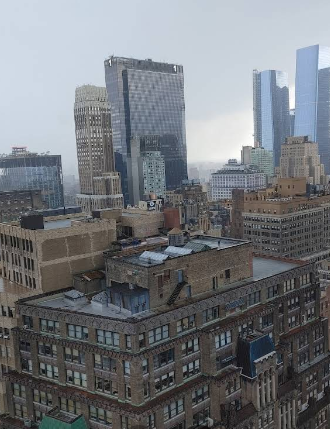
The move illustrates the type of strategic opportunity that distressed situations often create for well-capitalized investors. By acquiring the land outright, Empire State Realty Trust gains enhanced control over the properties while simultaneously removing future lease obligations. For Cohen, however, the sale represents another chapter in an ongoing struggle to generate sufficient liquidity to satisfy creditors.
The Real Deal report noted that the two Midtown properties were transferred to an affiliate of Cohen Brothers Realty Corp. approximately two decades ago and have remained important components of the company’s commercial portfolio. One of the buildings, 1400 Broadway, recently demonstrated its continued value when Burlington Stores executed a significant lease extension and expansion agreement at the property earlier this year.
The Burlington transaction covered approximately 206,000 square feet, reinforcing the asset’s relevance within the Midtown South office and retail marketplace. Such leasing activity might ordinarily signal stability and future income potential. Yet under current circumstances, even productive and well-leased assets appear vulnerable to disposition as Cohen attempts to address mounting financial obligations.
The Real Deal reported that Cohen Brothers did not provide a response when approached for comment regarding the latest transaction, a silence that has become increasingly notable as scrutiny surrounding the developer’s financial situation intensifies.
At the center of Cohen’s difficulties stands Fortress Credit, which has emerged as one of the most aggressive creditors pursuing repayment from the longtime developer.
The Real Deal has closely documented the escalating dispute between Cohen and Fortress, a conflict that reached a critical juncture last year when the lender secured a personal judgment against Cohen totaling approximately $187 million.
That judgment dramatically altered the landscape of Cohen’s financial affairs, transforming what had been a commercial lending dispute into a far more urgent personal financial challenge.
Since obtaining the judgment, Fortress has actively pursued collection efforts aimed at recovering the substantial amount owed. The lender’s actions have created immense pressure on Cohen to liquidate assets, refinance holdings, or otherwise generate sufficient capital to satisfy the judgment.
The Real Deal reported that the parties recently agreed to extend a critical deadline connected to Cohen’s anticipated asset sale strategy. The extension reportedly pushes the deadline to June 19, providing Cohen with additional time to complete transactions that could help reduce or eliminate the remaining balance.
However, the extension came at a considerable price.
The Real Deal reported that Cohen agreed to cover approximately $12 million in legal fees as part of the arrangement, highlighting the substantial costs associated with the ongoing legal battle.
The pressure facing Cohen became unmistakably clear earlier this year when he suffered one of the most symbolic setbacks of his career. According to The Real Deal report, Cohen lost ownership of the firm’s longtime headquarters at 750 Lexington Avenue through a foreclosure auction process that ultimately returned the building to its lender.
For a developer whose name has long been synonymous with high-profile Manhattan real estate investments, the loss of a corporate headquarters represented more than a financial event. It served as a powerful public indicator of the severity of the challenges confronting the organization.
The foreclosure also reinforced concerns among industry observers regarding the broader health of portions of New York City’s commercial real estate sector, where elevated interest rates, shifting workplace patterns, and tightening credit conditions have created difficulties for even established property owners.
In an effort to address the Fortress judgment, Cohen has already undertaken a series of major asset sales. The Real Deal reported that since the judgment was entered, Cohen completed the sale of 623 Fifth Avenue for approximately $218 million. He also sold 3 East 54th Street for roughly $141 million. Both properties were acquired by Vornado Realty Trust, one of New York City’s largest and most influential commercial real estate operators.
At first glance, those transactions might appear sufficient to resolve a substantial portion of Cohen’s obligations. However, the financial reality proved more complicated.
The two Vornado transactions generated only approximately $52 million in proceeds available to Cohen after various financial obligations were accounted for, as was noted in The Real Deal report. As a result, a significant gap remains. The publication reported that Cohen still needs to generate approximately $135 million to satisfy the outstanding debt obligations connected to the Fortress judgment.
That figure explains the urgency surrounding recent transactions and the growing perception that additional asset dispositions may be forthcoming.
As Cohen confronts these challenges, rival investors are finding opportunities that might not have existed under ordinary market conditions. The Real Deal has highlighted how distress often creates favorable acquisition scenarios for well-funded buyers willing to act decisively. Empire State Realty Trust’s acquisition of the land beneath 111 West 33rd Street and 1400 Broadway exemplifies this phenomenon.
For Empire State Realty Trust and its chairman, Tony Malkin, the transaction provides long-term strategic benefits while simultaneously allowing Cohen to raise desperately needed capital. Industry observers frequently note that distressed sales often occur at valuations that reflect a seller’s urgent need for liquidity rather than purely market-driven considerations. Whether that dynamic influenced the latest transaction remains unclear, but the timing certainly suggests that Cohen’s financial pressures played a significant role in facilitating the deal.
The Real Deal also emphasized that the land acquisitions represent only one part of a broader period of activity for Empire State Realty Trust. The company recently announced the sale of 250 West 57th Street for approximately $275 million. The buyer was reportedly Namdar Realty Group, another prominent player in the commercial real estate sector.
Although the transaction successfully closed, The Real Deal report noted that the final sale price fell short of the property’s original asking price, reflecting ongoing challenges within portions of the office and commercial property market. Taken together, the acquisitions and dispositions demonstrate how major real estate firms continue to reposition portfolios in response to changing market conditions, capital availability, and evolving investment strategies.
For Charles Cohen, the coming days may prove pivotal. For decades, Cohen has occupied a prominent place within New York’s real estate hierarchy, building a substantial portfolio of commercial properties while also expanding into entertainment, film distribution, and cultural ventures.
Yet as The Real Deal has repeatedly chronicled, the convergence of legal judgments, creditor actions, and asset sales has placed extraordinary strain on that empire. The June 19 deadline now looms as a critical milestone in determining whether Cohen can successfully navigate the crisis or whether additional assets will be forced onto the market.
What remains clear is that the situation has evolved beyond a conventional financing dispute. It has become one of the most consequential financial dramas currently unfolding in Manhattan real estate. As Fortress continues its collection efforts, and as opportunistic buyers circle valuable assets that may become available, the fate of portions of the Cohen real estate portfolio hangs in the balance.
For investors, lenders, and industry observers alike, the developments reported by The Real Deal offer a revealing glimpse into how quickly fortunes can shift in New York’s fiercely competitive property market—and how even some of the city’s most established real estate figures can find themselves racing against time when debt obligations come



