
















A Dangerous Misreading of the Middle East: Why Trump’s Hezbollah Remarks Raise Profound Questions About American Policy
By: Fern Sidman
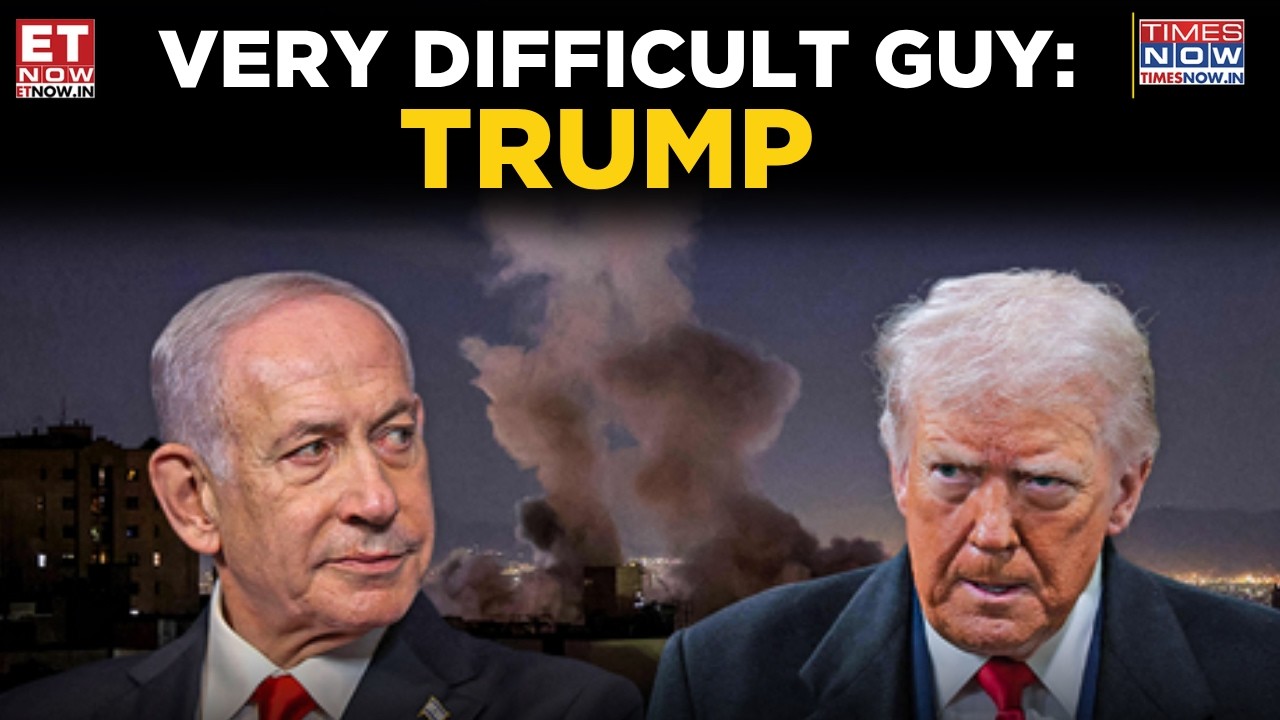
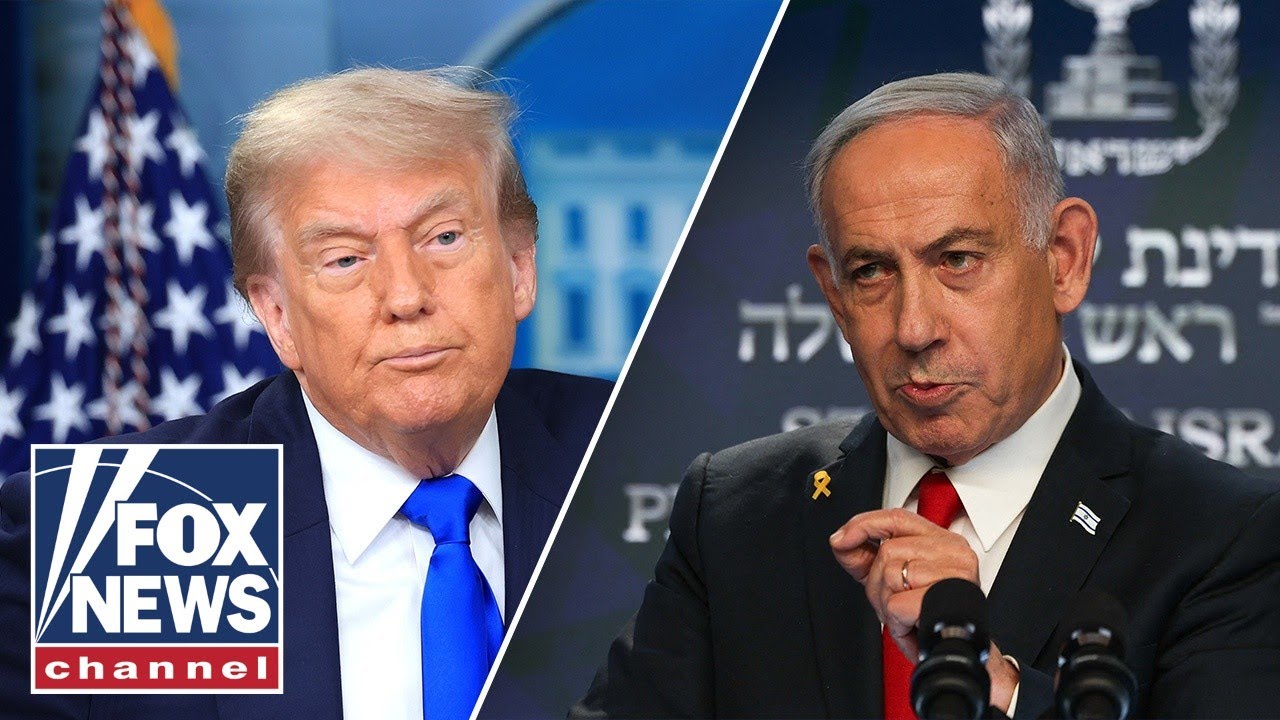
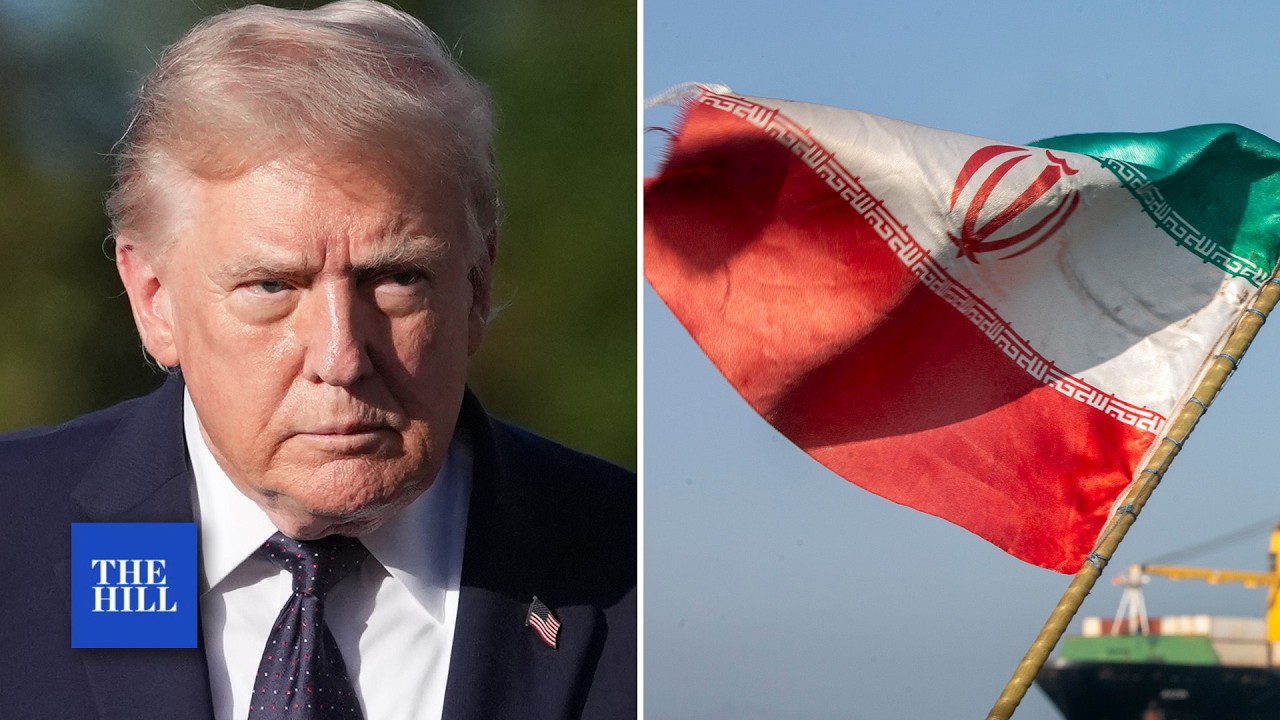
Few developments in recent Middle Eastern diplomacy have generated as much astonishment in Israel as President Donald Trump’s remarks on Tuesday regarding Hezbollah, Lebanon, Syria, and the future of regional security. As reported by The Times of Israel, Trump used the stage of the G7 summit in France to criticize Israel’s military campaign against Hezbollah, suggest that Syria should effectively assume responsibility for confronting the Iranian-backed terrorist organization, and declare that Israel would not exist today without the United States and his personal leadership.
These comments deserve careful scrutiny, not merely because they represent a striking departure from longstanding American policy, but because they reveal a troubling misunderstanding of both the strategic realities facing Israel and the nature of the threats confronting the broader Western world.
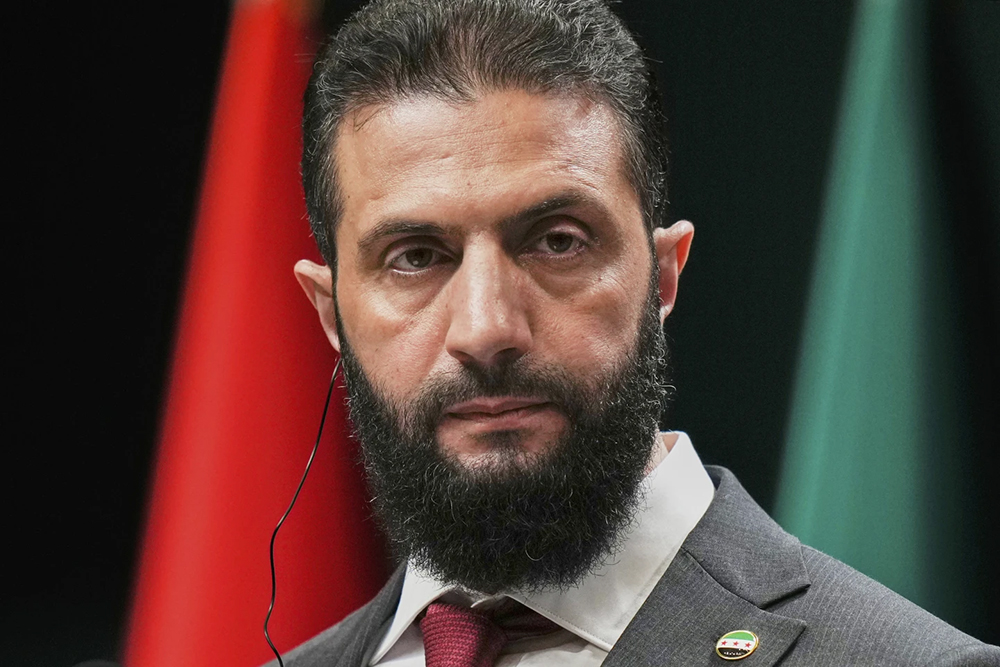
According to reporting by The Times of Israel, Trump argued that Israel has fought Hezbollah for too long, that too many civilians have been killed, and that Syria’s president, Ahmed al-Sharaa, would do a better job confronting the terrorist organization than Israel itself. He further expressed frustration with Israeli military operations in Beirut and suggested that those actions complicated his administration’s diplomatic efforts with Iran.
At the same time, Trump offered one of the most controversial statements ever made by an American president regarding the U.S.-Israel relationship, asserting that Israel would have been “blown off the face of the earth” were it not for the United States and his own role in particular.
These remarks raise serious concerns about strategic judgment, historical perspective, and the future direction of American policy in the Middle East.
The first and perhaps most astonishing aspect of Trump’s comments is the notion that Syria should replace Israel as the principal force confronting Hezbollah.
This proposition defies both historical experience and contemporary reality.
For decades, Hezbollah has not merely operated inside Lebanon. It has functioned as a central component of Iran’s regional strategy, maintaining extensive logistical, military, and political networks that have stretched across Lebanese and Syrian territory. During the Syrian civil war, Hezbollah fighters played a critical role in preserving the regime of Bashar al-Assad. Thousands of Hezbollah operatives crossed borders, participated in combat operations, and helped sustain the military infrastructure of one of the region’s most brutal dictatorships.
As The Times of Israel report noted, Hezbollah’s relationship with Syria has been deep and enduring. The organization benefited enormously from Syrian territory, Syrian logistical support, and Syrian political protection over many years.
Against this backdrop, the suggestion that Syria can suddenly become a reliable substitute for Israel in confronting Hezbollah is difficult to reconcile with reality.
Even under new leadership, Syria remains a nation emerging from years of devastating conflict, fragmented institutions, competing armed factions, economic collapse, and persistent foreign influence. The assumption that Damascus possesses either the capability or the political will to dismantle Hezbollah’s infrastructure is, at best, highly speculative.
At worst, it risks transferring responsibility for one of the region’s most dangerous security challenges to actors whose interests may not align with those of Israel or the United States.
The broader implication is equally troubling.
Israel has spent years warning that Hezbollah represents not merely a Lebanese problem but a regional threat backed, armed, financed, and directed by Tehran. Successive Israeli governments have argued that allowing Hezbollah to entrench itself along Israel’s northern frontier would create precisely the sort of danger that later becomes far more difficult and costly to confront.
The military operations criticized by Trump emerged from that strategic calculation.
Reasonable people can debate specific tactics, operational decisions, or diplomatic consequences. Democracies routinely engage in such debates. What is far more difficult to understand is the premise that Israel should simply step aside and trust others to neutralize an organization that openly seeks its destruction.
According to The Times of Israel report, Trump complained that Israel should have completed the fight more quickly and suggested that the campaign has dragged on excessively.
This criticism overlooks a fundamental reality of modern warfare.
Hezbollah is not a conventional military force operating from clearly identifiable bases separated from civilian populations. It is an organization that has spent years embedding military assets within urban environments, constructing extensive underground infrastructure, storing weapons near residential areas, and integrating operational facilities into civilian landscapes.
Every military confronting such a challenge faces extraordinary difficulties.
The unfortunate reality is that terrorist organizations often seek precisely this environment because it complicates military responses and generates international criticism when civilian areas become battlegrounds.
To suggest that such conflicts can be concluded rapidly without difficult consequences is to underestimate the complexity of the battlefield.
Perhaps even more concerning is the apparent linkage Trump established between Israel’s military decisions and the progress of negotiations with Iran.
As reported by The Times of Israel, Trump expressed particular anger regarding an Israeli strike in Beirut that occurred shortly before the announcement of the interim agreement between Washington and Tehran.
His comments suggested that Israeli actions risked disrupting a diplomatic process he regards as essential.
This perspective raises an important question. Should Israeli security policy be subordinated to the timing requirements of negotiations between Washington and Tehran?
For decades, Israeli leaders of varying political backgrounds have maintained that Israel must retain the sovereign right to defend itself against immediate threats regardless of broader diplomatic considerations.
That principle has been a cornerstone of Israeli national security doctrine. The danger of placing excessive emphasis on diplomatic timelines is that adversaries may come to believe they can exploit them. If terrorist organizations conclude that negotiations elsewhere effectively constrain Israel’s freedom of action, the deterrent value of Israeli military power could be weakened.
The Times of Israel also reported that Hezbollah has linked future negotiations to demands for Israeli withdrawal from Lebanon and that Iranian officials have warned that continued Israeli military activity could violate the emerging understanding between Tehran and Washington.
These developments underscore the complexity of the situation. Rather than reducing pressure on Israel, such statements may reinforce Israeli concerns that diplomatic frameworks could eventually be used to restrict its operational flexibility while leaving core threats unresolved.
Then there is Trump’s assertion that Israel owes its continued existence to the United States. There is no question that the American-Israeli alliance has been one of the most consequential strategic partnerships of the modern era. American military assistance, diplomatic support, intelligence cooperation, and technological collaboration have contributed significantly to Israel’s security. That reality is beyond dispute.
But acknowledging the importance of the alliance is not the same thing as suggesting that Israel exists solely because of American benevolence. Such a characterization diminishes the extraordinary sacrifices made by generations of Israelis who fought wars of survival, built military institutions, developed technological capabilities, and defended their country under extraordinarily difficult circumstances.
Israel’s survival has been achieved through a combination of determination, innovation, military preparedness, national resilience, and strategic partnerships.
American support has been indispensable, but it has never been the sole factor. Indeed, the alliance itself has always been most successful when grounded in mutual respect rather than dependency. The suggestion that Israel would have been erased entirely without one particular American leader risks transforming a complex strategic partnership into a relationship defined by personal political loyalty. That is neither historically accurate nor diplomatically constructive.
The relationship between the United States and Israel has endured through administrations of different political parties, varying personalities, and changing international circumstances because it rests upon deeper foundations than any individual leader.
The broader challenge facing policymakers today is finding the proper balance between diplomacy and deterrence. Trump argues, as reported by The Times of Israel, that the emerging agreement with Iran represents a stronger framework than previous arrangements because it is backed by a credible military threat.
That argument deserves serious consideration. Deterrence matters. The existence of meaningful consequences for violations is essential to any successful agreement. Yet credibility is not measured solely by rhetoric. It is measured by the willingness to enforce commitments consistently and by the confidence of allies that their security concerns will not be subordinated to diplomatic expediency. If regional actors begin to perceive a disconnect between stated objectives and practical policies, the effectiveness of deterrence may diminish.
Ultimately, the issue extends beyond one speech, one agreement, or one diplomatic dispute.
It concerns the broader question of how the United States understands its role in a volatile region and how it balances competing priorities among allies, adversaries, and negotiating partners.
The Times of Israel’s reporting highlights a moment of significant tension and uncertainty. Israel faces genuine security challenges from Hezbollah, Iran, and other hostile actors. The United States seeks to prevent nuclear proliferation and avoid broader regional war. Both objectives are legitimate and important.
But achieving them requires clarity, consistency, and a realistic understanding of the forces shaping the Middle East. Substituting wishful assumptions for strategic analysis is unlikely to produce lasting stability. Nor will public criticism that appears to minimize the security concerns of a democratic ally confronting organizations dedicated to its destruction.
The path to peace in the Middle East has never been simple. It demands diplomacy where diplomacy is possible, strength where strength is necessary, and a clear-eyed recognition of the region’s realities.
That recognition begins with understanding that Hezbollah remains a serious threat, that Syria is not a ready-made solution to that threat, and that alliances built on mutual respect are far stronger than those framed as obligations owed to any single political figure.
Those lessons remain as relevant today as ever.



