
















By: Ariella Haviv
As negotiations aimed at ending months of escalating hostilities between the United States and Iran appear to move toward a potential breakthrough, the Trump administration on Friday forcefully rejected reports suggesting that Washington had offered sweeping concessions to Tehran, insisting instead that any economic benefits granted to the Islamic Republic would be contingent upon rigorous compliance with the terms of a proposed agreement.
According to a Reuters report, the emerging framework has become the focus of intense international scrutiny amid conflicting public statements from American and Iranian officials regarding the substance of the negotiations, the obligations each side would assume, and the potential implications for regional security, global energy markets, and the long-running dispute over Iran’s nuclear activities.
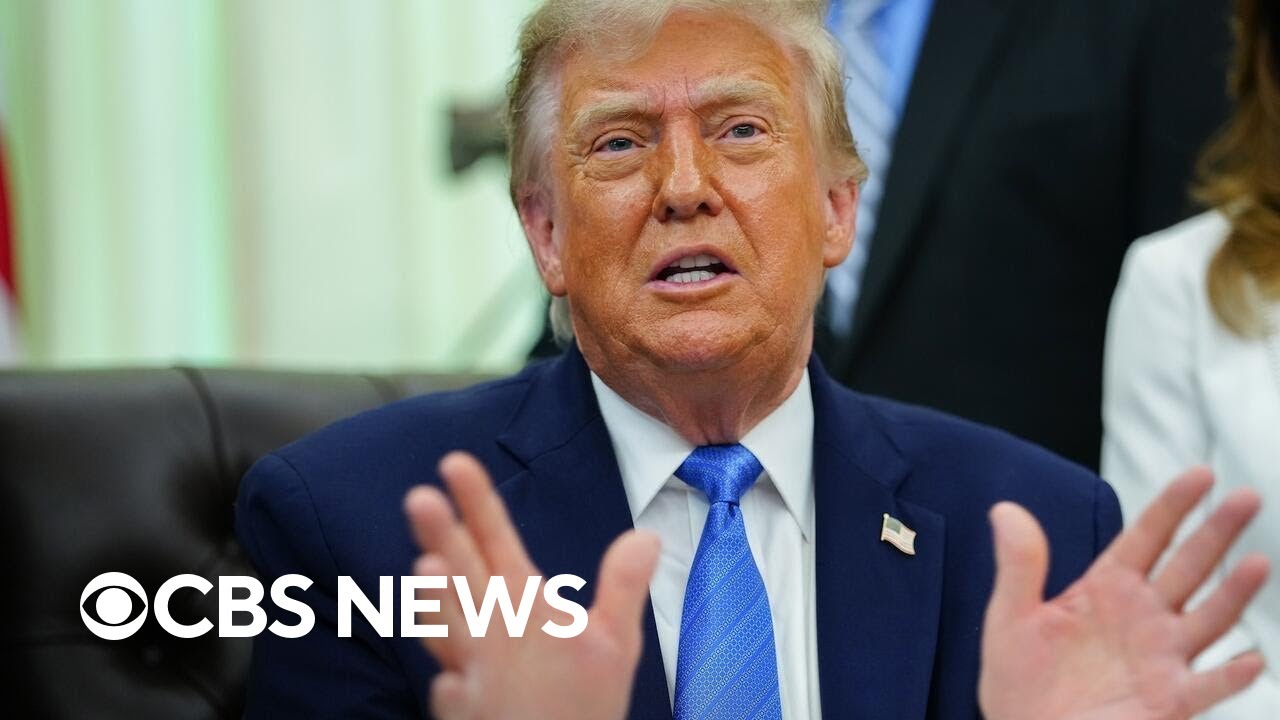
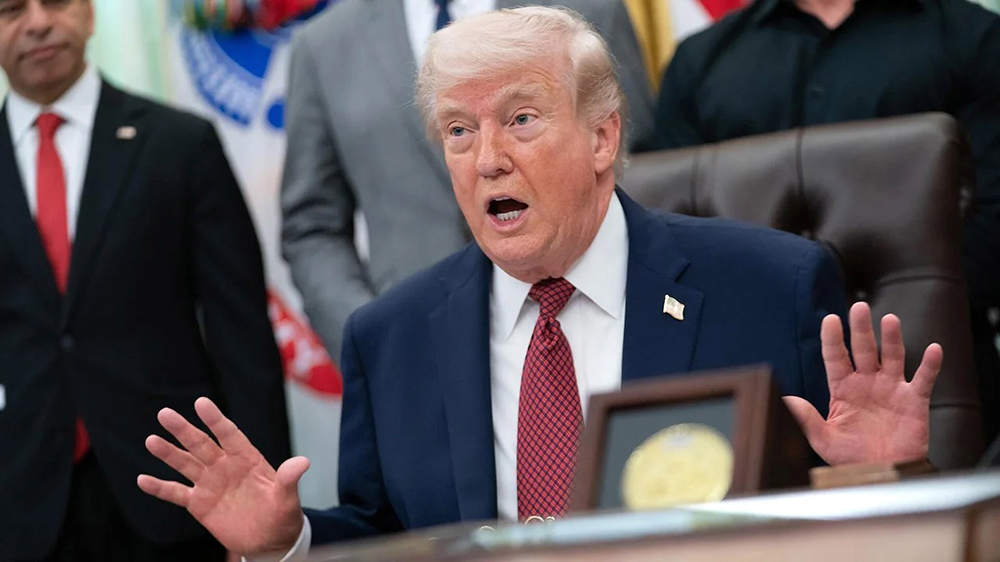
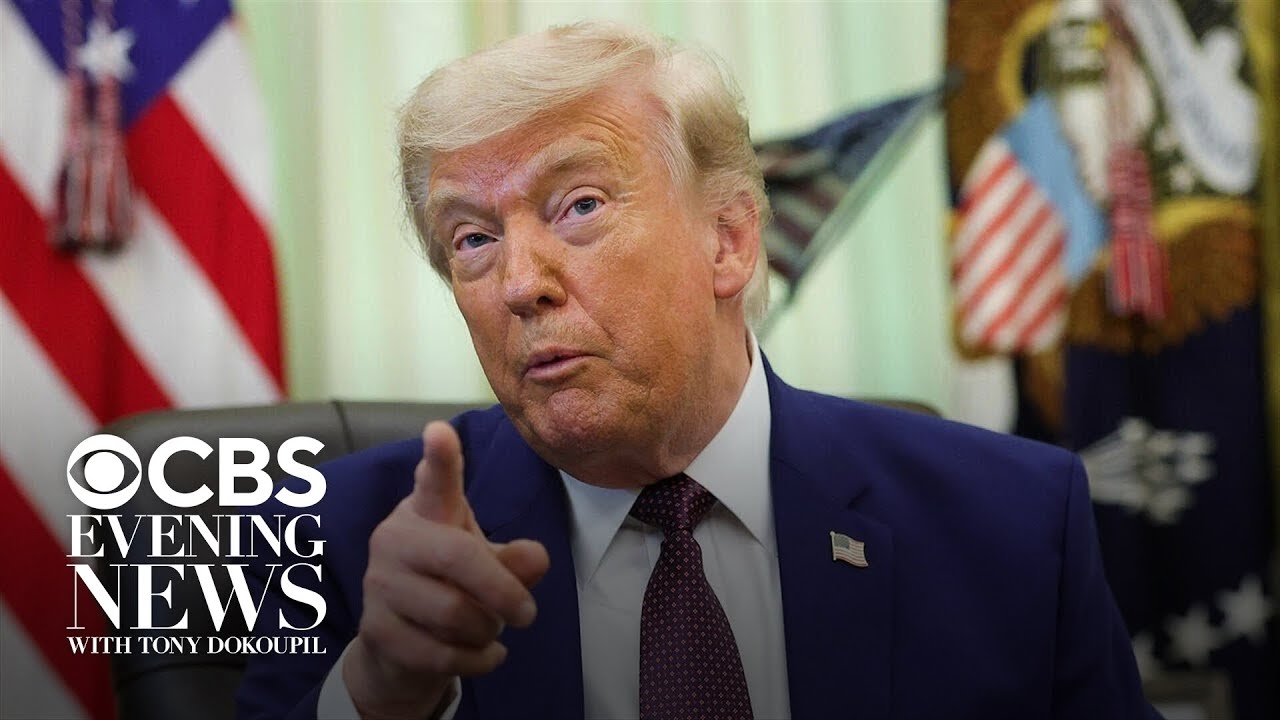
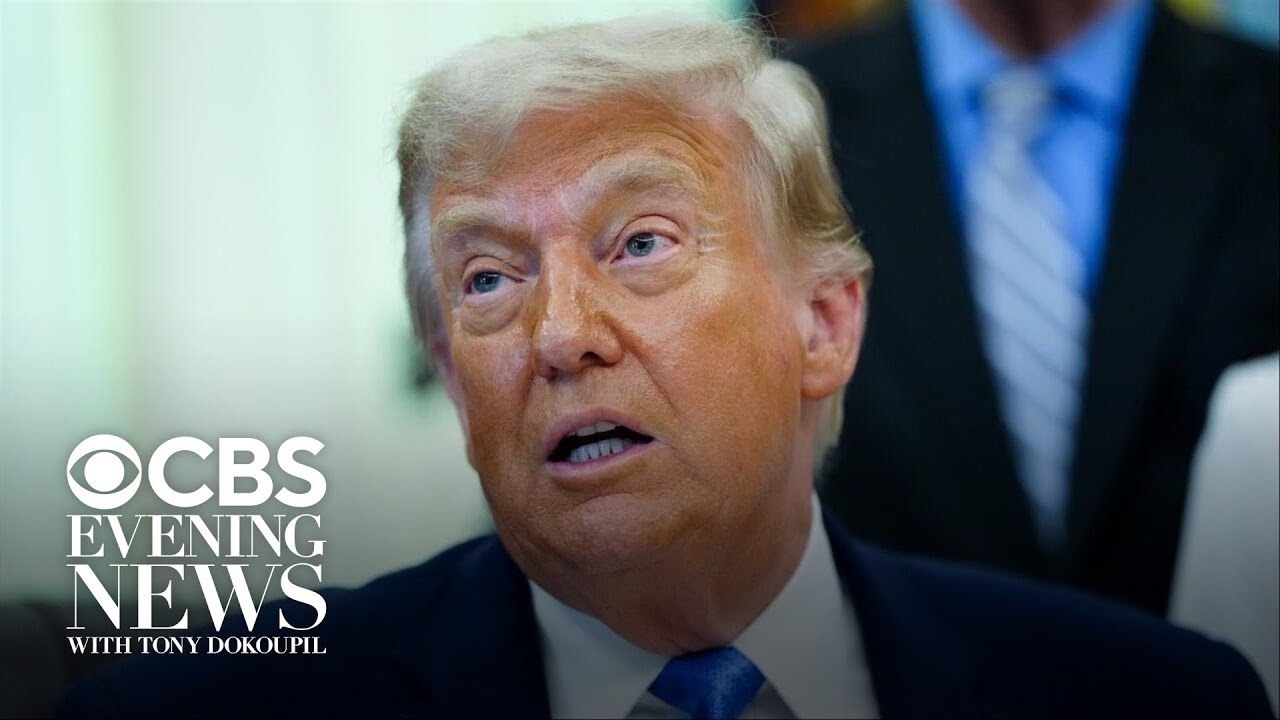
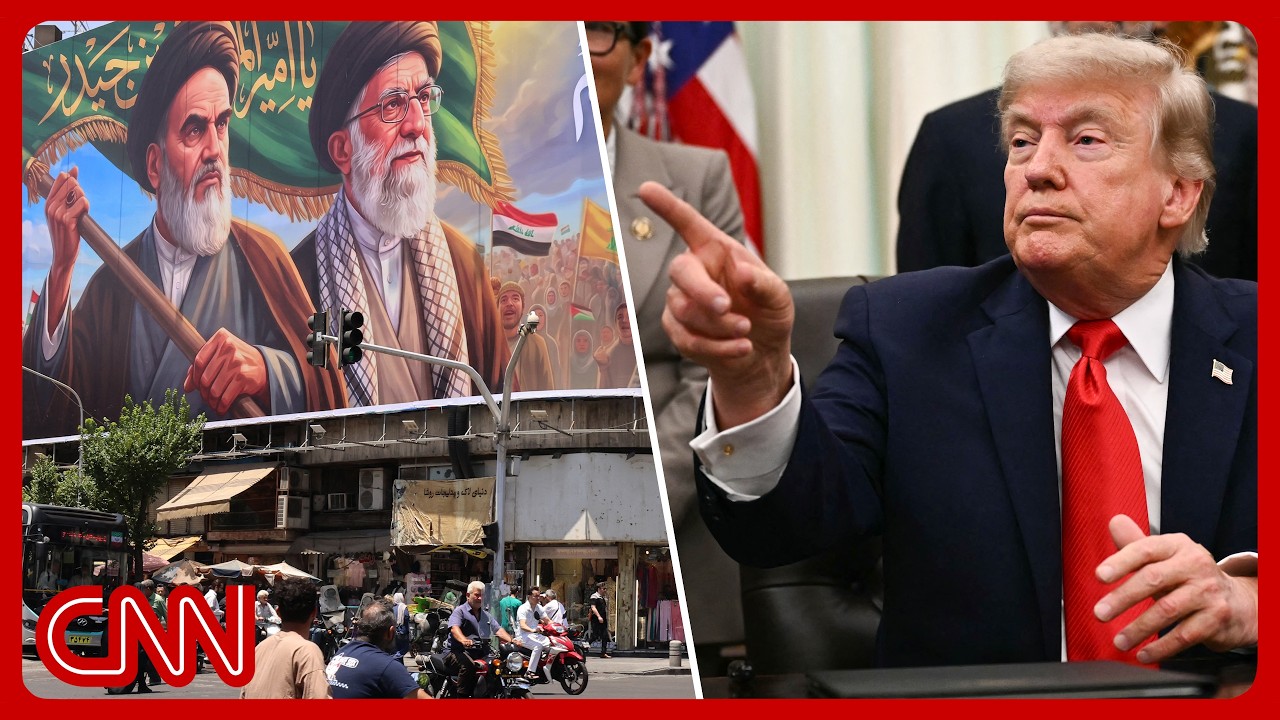
President Trump sought to dispel what he characterized as misleading accounts of the negotiations after details allegedly originating from Iranian sources began circulating in various media outlets.
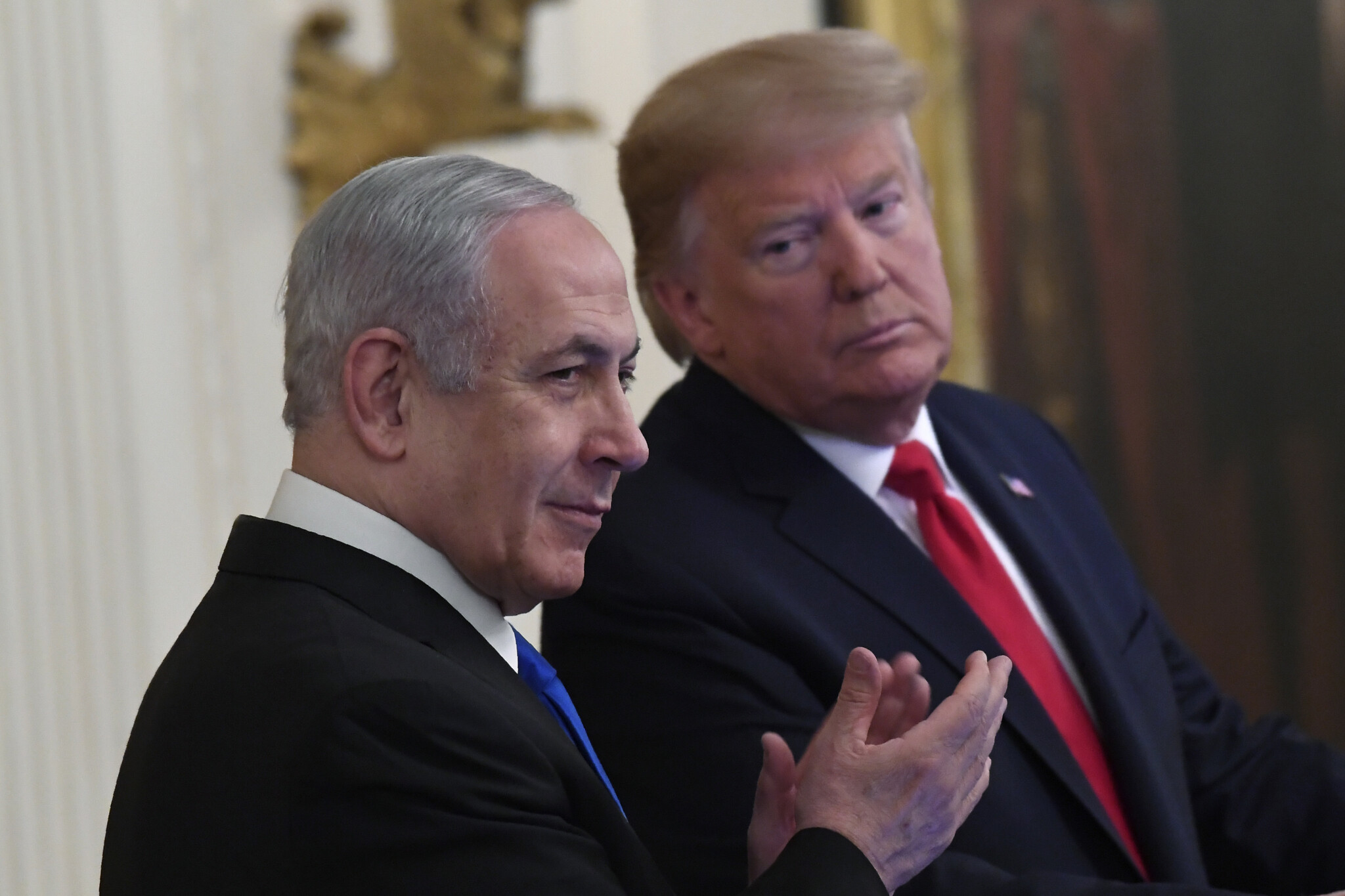
In a sharply worded statement posted on his Truth Social platform, Trump dismissed the reported Iranian characterization of the agreement and accused Tehran of misrepresenting the contents of the proposed accord. “The terms that Iran leaked out to the Fake News have NOTHING to do with the terms that were agreed to, in writing,” Trump declared.
The president continued his criticism in unusually direct language, writing, “What they said, including their weak and pathetic statement on having a deal, bears no relation to the truth. Very dishonorable people to deal with. With them, there is no such thing as dealing in good faith. AMAZING!”
Despite his criticism, Reuters reported that Trump later reposted comments made by Iranian Foreign Minister Abbas Araqchi, who indicated that a memorandum of understanding between the two countries may be closer than at any previous point during the negotiations.
According to the Reuters report, Araqchi stated that an agreement “has never been closer,” a remark that underscored the contradictory messaging emerging from both capitals as diplomats attempt to finalize a framework capable of ending one of the most dangerous confrontations in the Middle East in recent years.
The negotiations come against the backdrop of a prolonged military conflict that has destabilized the region, disrupted maritime commerce, and fueled concerns about broader international escalation. Central to the discussions has been the future of the Strait of Hormuz, one of the world’s most strategically significant waterways and a vital artery for global energy shipments.
The closure of the strait by Iran following American military operations earlier this year sent shockwaves through international markets and raised fears of severe disruptions to global oil supplies. Reuters reported that reopening the waterway remains one of Washington’s principal objectives and is widely viewed as a critical component of any final settlement.
Vice President JD Vance also entered the public debate on Friday, strongly rejecting reports that the United States had agreed to provide immediate financial benefits to Iran in exchange for a diplomatic breakthrough. According to Reuters, Vance characterized such reports as inaccurate and misleading. “I’m seeing a lot of fake information about a potential deal to reopen the Strait and end Iran’s nuclear weapons program,” Vance wrote on the social media platform X.
The vice president sought to reassure skeptics within both the administration and Congress that Washington had not agreed to provide financial rewards merely for participation in negotiations. “First, the Iranians are not receiving any cash, and no funds are being released for simply signing a deal or attending a meeting,” Vance stated.
His remarks reflected what administration officials described as a central principle underlying the proposed arrangement: economic relief would be earned through measurable actions rather than granted in advance. Reuters reported that American officials have repeatedly described the emerging framework as a “performance-based” agreement, meaning that sanctions relief and access to frozen assets would occur only after Iran fulfills specific commitments.
That characterization stands in contrast to descriptions offered by sources in Tehran. According to the Reuters report, a senior Iranian source indicated that the draft agreement under discussion would include the suspension of sanctions targeting Iran’s oil exports, the release of billions of dollars in frozen Iranian assets, and a cessation of military hostilities throughout the region, including in neighboring Lebanon.
The source reportedly stated that nuclear-related issues would be deferred to subsequent rounds of negotiations rather than resolved immediately within the initial framework. Such an approach would represent a significant departure from previous American demands that nuclear issues remain central to any agreement.
For years, successive American administrations have maintained that preventing Iran from developing a nuclear weapon constitutes a fundamental national security priority.
Iran, meanwhile, has consistently denied seeking nuclear weapons capability, insisting that its nuclear activities are intended solely for peaceful purposes. The divergent accounts offered by American and Iranian officials have complicated efforts to assess the precise contours of the emerging agreement.
Notably, Reuters reported that the Iranian source outlined several benefits Tehran could potentially receive but offered little detail regarding reciprocal commitments Iran would undertake in exchange. That omission has fueled skepticism among some observers and critics of the negotiations, particularly those who argue that any agreement must include robust mechanisms for verification and enforcement.
American officials, however, insist that the proposed framework contains extensive safeguards designed to prevent Iran from exploiting the arrangement while failing to meet its obligations. A senior United States official, speaking anonymously according to Reuters, asserted that one of the agreement’s central provisions would involve the elimination of Iran’s existing stockpile of sensitive nuclear material. According to the official, Iran’s nuclear material “will be destroyed and removed” and the country’s nuclear program “will be dismantled.”
Such claims, if ultimately implemented, would represent one of the most consequential developments in the decades-long dispute over Iran’s nuclear ambitions.
The Reuters report noted that Iran is believed to possess approximately 900 pounds, or 408 kilograms, of highly enriched uranium, material that has long been a source of concern among Western governments and international watchdog organizations.
The same American official emphasized that economic incentives would remain conditional upon Iranian compliance. “None of their money released until they perform. Strait of Hormuz will be open. No Iran funding of terrorist groups,” the official told Reuters. “This is what they have agreed to. This is a performance-based deal.”
That language reflects the administration’s effort to portray the negotiations not as a concession to Tehran but as a mechanism for securing concrete strategic objectives through a combination of diplomacy and pressure. The administration’s insistence on linking benefits to compliance appears designed in part to address criticism from lawmakers and foreign policy analysts who have warned against granting sanctions relief without verifiable Iranian actions.
Reuters reported that the evolving agreement remains subject to continued negotiations and that significant details have yet to be finalized publicly. Nevertheless, the apparent progress has already influenced broader strategic calculations.
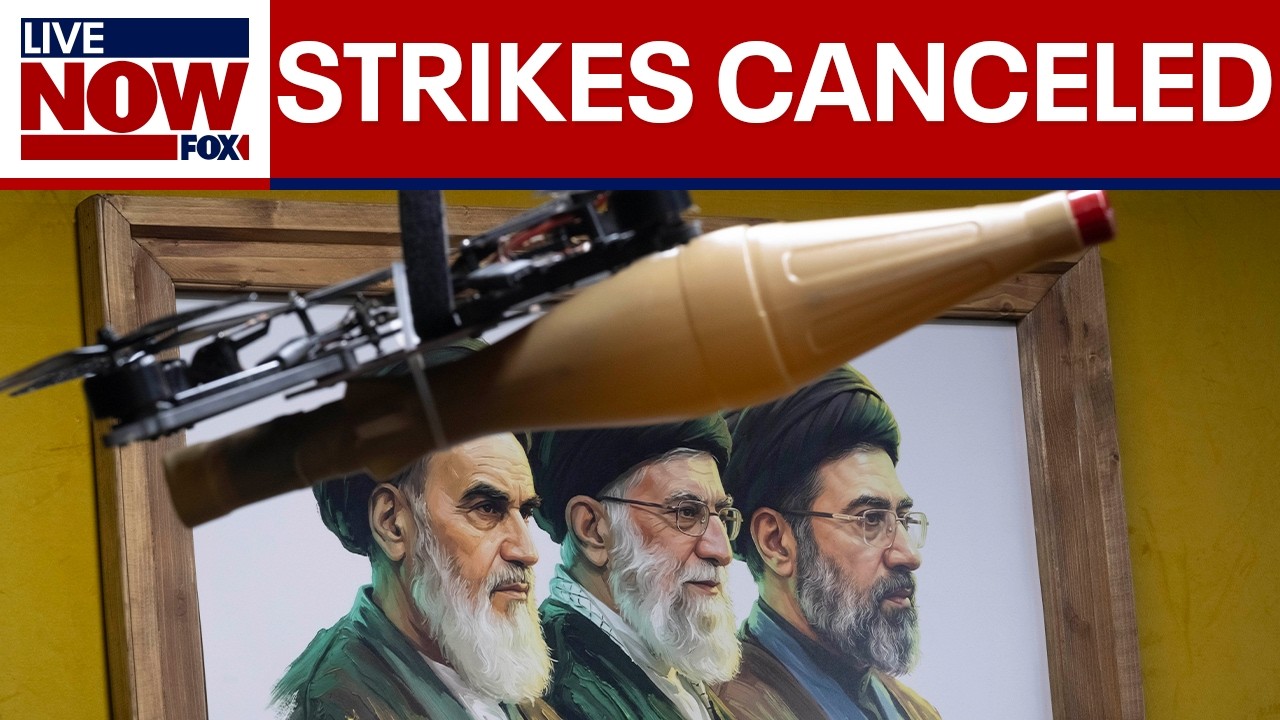
On Thursday, Trump announced that he had decided to halt planned additional military strikes against Iran, citing advancements in diplomatic efforts and confidence that a negotiated solution remained achievable. That decision marked a notable shift following months of military confrontation, retaliatory actions, and escalating rhetoric between Washington and Tehran.
The possibility of a diplomatic resolution has also attracted intense attention from international markets. Energy traders, investors, and foreign governments are closely monitoring developments given the central importance of the Strait of Hormuz to global commerce. Any durable reopening of the waterway could help stabilize energy prices and reduce uncertainty throughout international markets.
At the same time, significant questions remain unanswered. Analysts continue to debate how any agreement would be enforced, what verification mechanisms would govern Iranian compliance, and whether regional actors would support the arrangement over the long term.
Equally uncertain is the political sustainability of the proposed framework within both countries. In Washington, critics are likely to scrutinize every aspect of the agreement for signs of excessive accommodation toward Tehran. In Iran, hardline factions may resist concessions perceived as compromising national sovereignty or strategic interests.
Reuters reported that despite those challenges, officials on both sides continue to signal cautious optimism regarding the prospects for a breakthrough.
Whether that optimism ultimately results in a formal agreement remains to be seen. What is clear, however, is that both Washington and Tehran appear eager to shape public perceptions of the negotiations even as the details remain under discussion. The resulting clash of narratives has produced a complex diplomatic environment in which competing interpretations of the same negotiations are being advanced simultaneously.
As the talks continue, the world will be watching closely to determine whether the emerging framework can transform months of military confrontation into a sustainable diplomatic settlement—or whether longstanding distrust between the two adversaries will once again derail hopes for a lasting accord.


