














By: Tzirel Rosenblatt
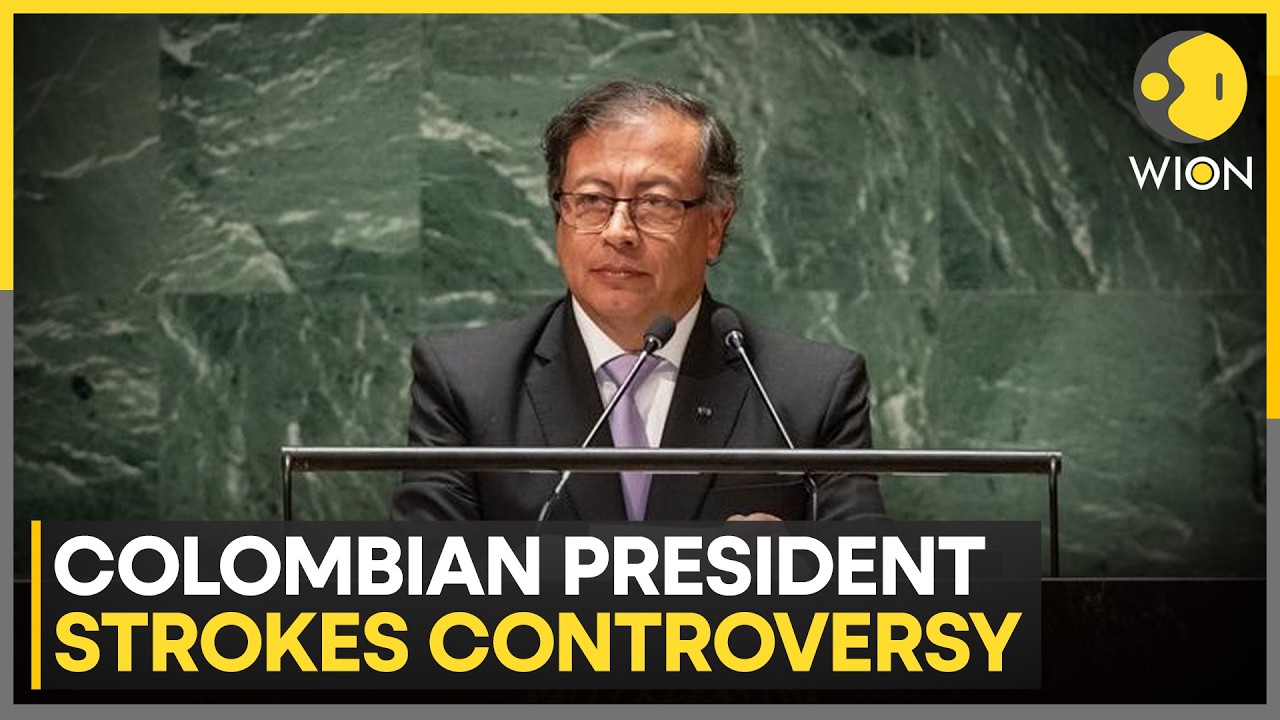
A sharp diplomatic confrontation unfolded at the United Nations this week after Israel forcefully criticized remarks made by Colombian President Gustavo Petro during a Security Council session on the escalating crisis in the Middle East, according to a report on Thursday by the Jewish News Syndicate (JNS).
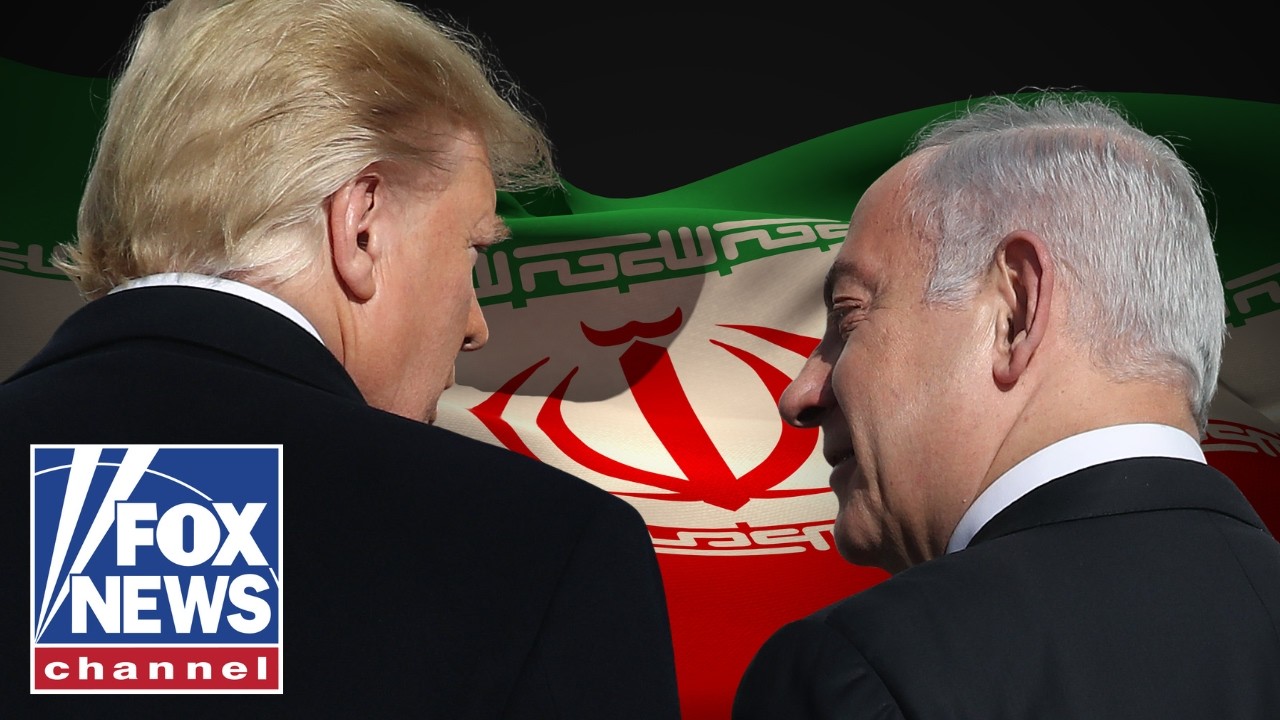
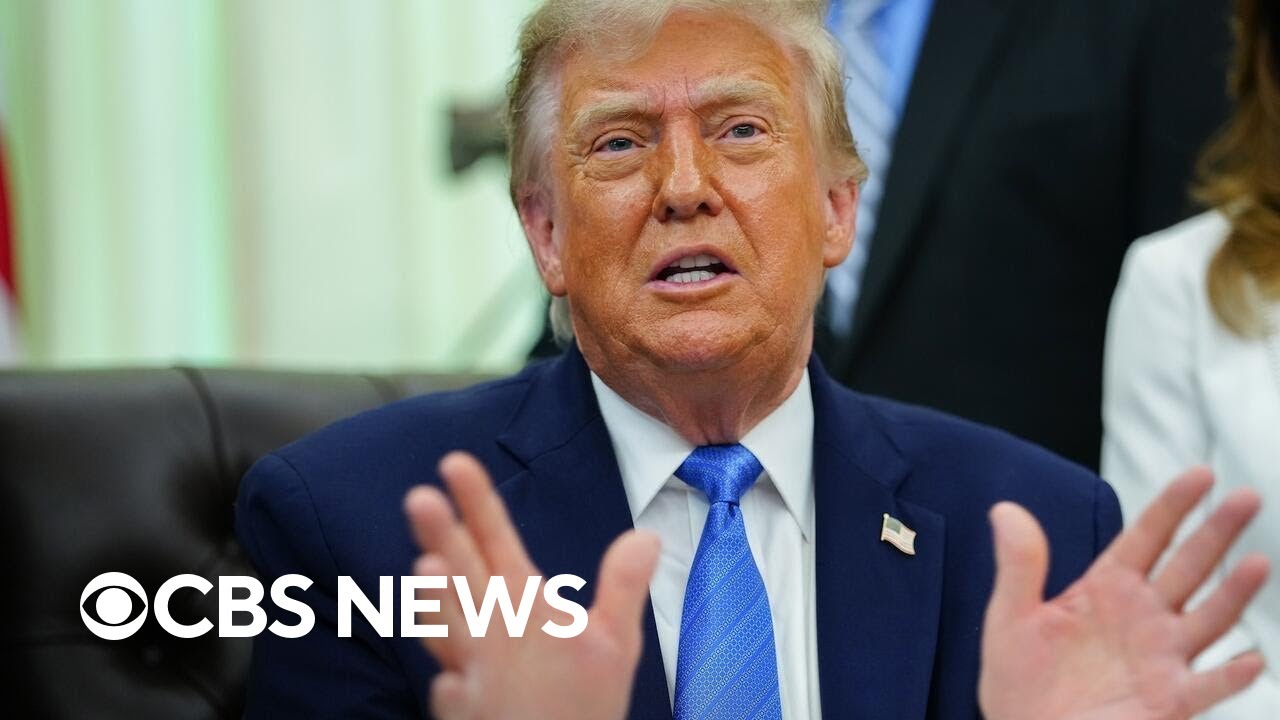
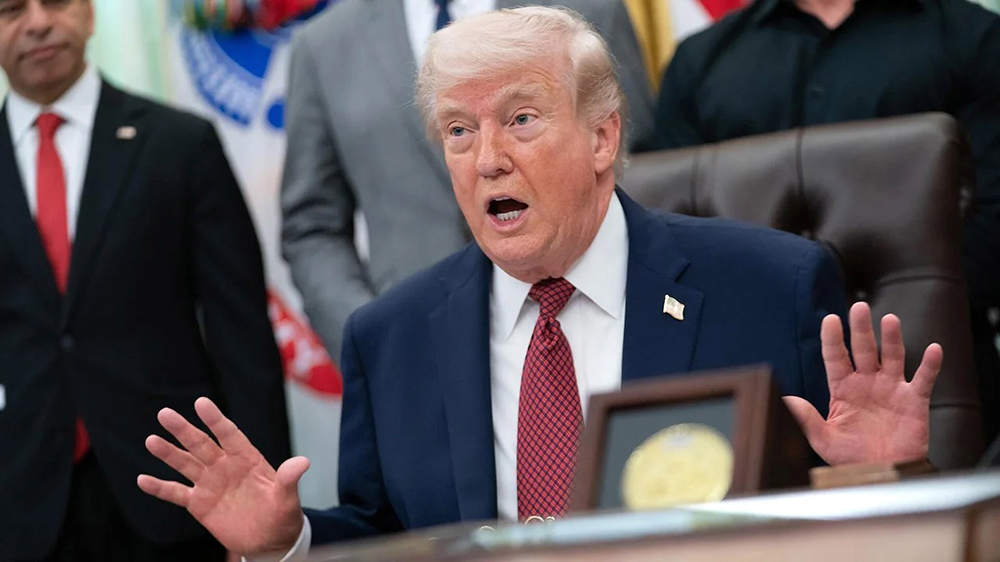
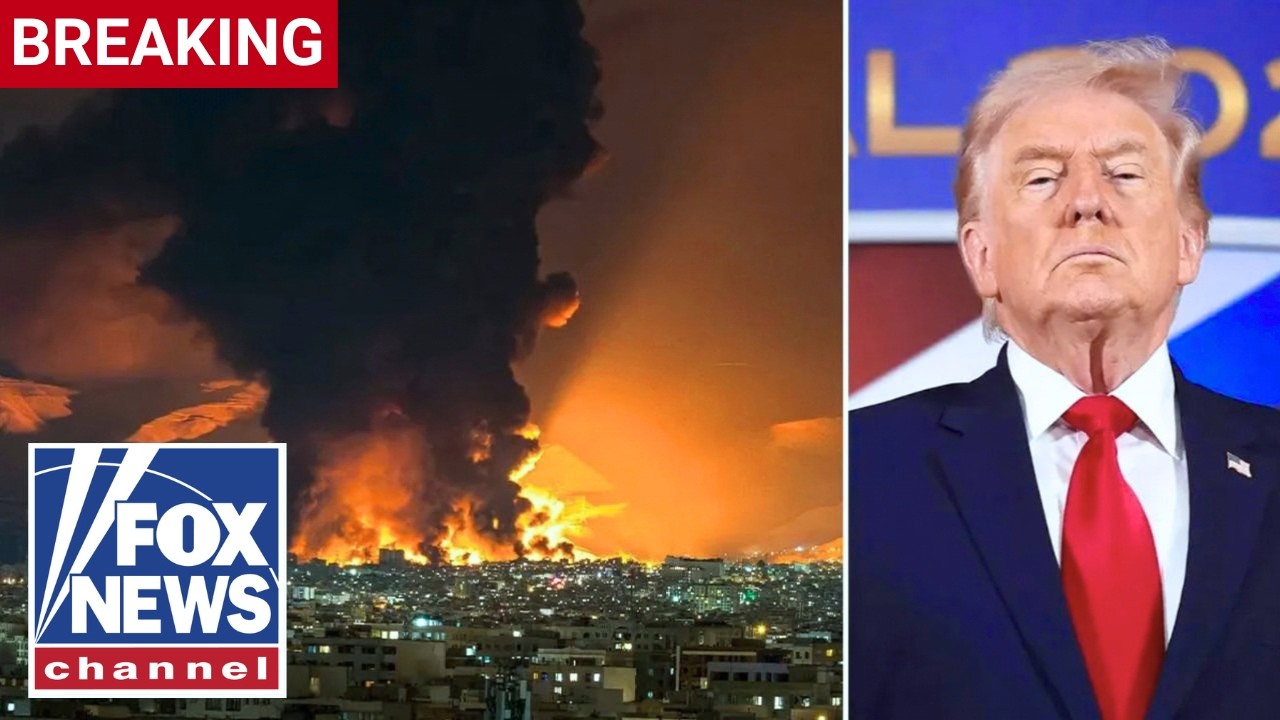
The dispute emerged during a high-stakes meeting convened amid mounting concerns over regional instability, tensions involving Iran, the continuing conflict surrounding Israel, and growing fears that broader hostilities could engulf additional nations. The session took place only hours before President Trump authorized additional military strikes against Iranian targets, a development that further heightened anxieties regarding the trajectory of the conflict.
According to the JNS report, Petro repeatedly invoked references to Nazism and the Holocaust while discussing Israel and broader migration issues during his remarks before the Security Council. His comments triggered an immediate and unusually forceful response from Israeli Ambassador Danny Danon, who accused the Colombian leader of distorting history and trivializing one of humanity’s darkest chapters.
Danon characterized Petro’s statements as “bizarre ideological rants” and condemned what he described as a “dangerous distortion of Holocaust history.”
The JNS report indicated that Danon stated that the Colombian president’s rhetoric “dishonors the victims of the Holocaust” and undermines the historical significance of Nazi atrocities. The exchange represented yet another flashpoint in increasingly strained relations between Israel and Colombia, whose diplomatic relationship has deteriorated significantly in recent years under Petro’s presidency.
Reports cited by JNS indicated that Danon had sought a direct conversation with Petro prior to the Security Council meeting. According to those reports, the Israeli envoy attempted to obtain an apology from the Colombian president before he presided over the council session in his capacity as representative of the council’s rotating presidency.
Colombia currently holds the Security Council presidency for the month. According to the JNS report, Petro reportedly declined Danon’s request for a conversation. The resulting public confrontation transformed what was already a consequential Security Council gathering into a highly charged diplomatic encounter.
The meeting itself focused on rapidly deteriorating conditions throughout the Middle East. Delegates addressed concerns regarding regional warfare, maritime security, diplomatic deadlock, and the possibility of an expanded conflict involving multiple state and non-state actors.
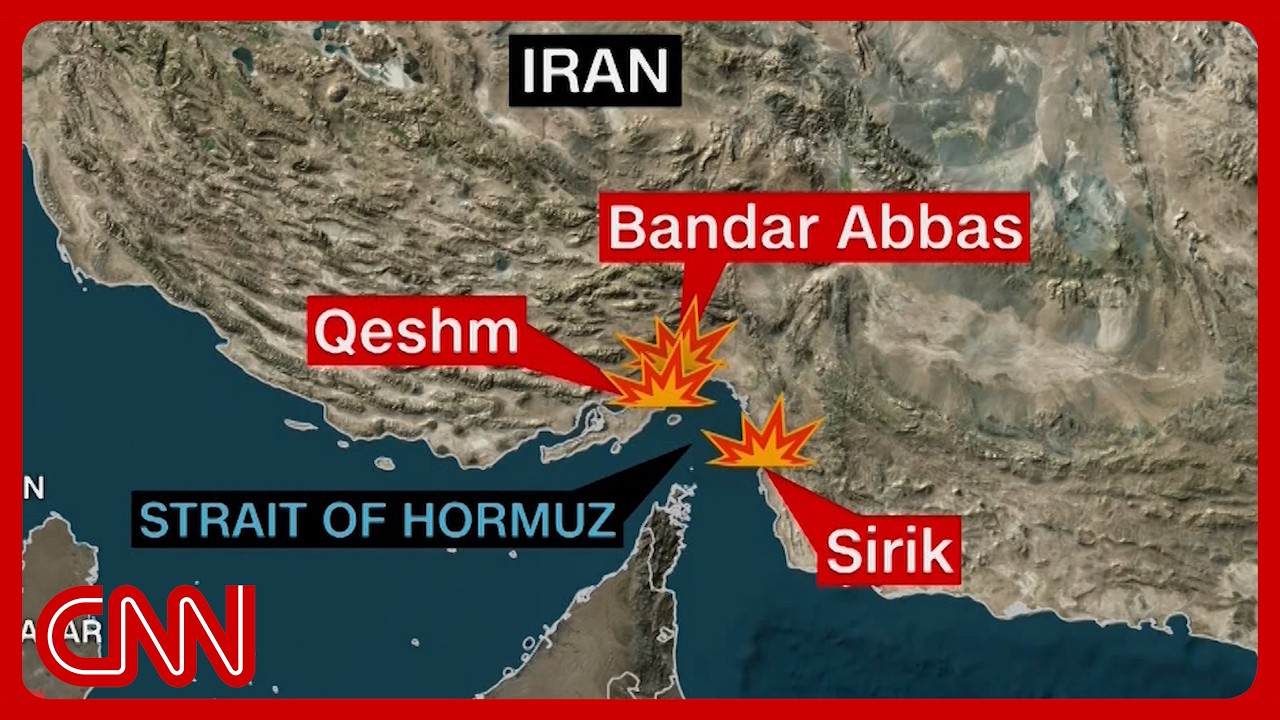
The debate unfolded against a backdrop of persistent uncertainty surrounding the Strait of Hormuz, one of the world’s most strategically important maritime corridors. As reported by JNS, representatives from major world powers used the session to articulate sharply divergent views regarding responsibility for the ongoing crisis and potential paths toward de-escalation.
Representing the United States, Jennifer Locetta, the U.S. alternative representative for special political affairs at the United Nations, argued that previous diplomatic efforts had failed to address the underlying causes of instability. “The Middle East needs real solutions and political capital, not recycled failed approaches,” Locetta told the Security Council, according to the JNS report.
Her remarks reflected Washington’s increasingly skeptical view of diplomatic initiatives that rely primarily on dialogue without enforcement mechanisms. Locetta directed particular criticism toward Tehran. According to JNS, she accused the Iranian government of holding “the world’s economy hostage by unlawfully attempting to restrict freedom of navigation in the Strait of Hormuz.”
The U.S. diplomat further charged that Iran continues to support armed proxy organizations operating across multiple countries in the region. She cited Tehran’s relationships with groups in Lebanon, Iraq, and Yemen as examples of what Washington views as a longstanding strategy of regional destabilization. Locetta also criticized Russia and China for their positions at the United Nations.
According to the JNS report, she argued that both countries had effectively shielded Iran from international accountability through their actions in the Security Council. Specifically, she referenced a Security Council draft resolution introduced earlier this year that reportedly sought authorization for an international maritime initiative designed to secure commercial shipping routes through the Strait of Hormuz.
According to Locetta, Russia and China vetoed that proposal. “Dialogue without consequences failed to prevent destabilizing behavior,” she stated.
The remark underscored a broader argument advanced by U.S. officials: that diplomatic engagement without meaningful enforcement mechanisms has proven insufficient to deter aggression or guarantee maritime security.
Russian representatives offered a starkly different interpretation of events. Vassily Nebenzia, Russia’s ambassador to the United Nations, warned against what he described as attempts by outside powers to reshape the political architecture of the Middle East.
According to the JNS report, Nebenzia argued that international actors should avoid imposing solutions that benefit only one side of the conflict. “The Security Council should not attempt to impose a solution beneficial exclusively to one side or directed against any regional state,” he said.
His remarks reflected Moscow’s longstanding emphasis on state sovereignty and its opposition to international interventions that it perceives as favoring Western strategic interests. China similarly advanced a broader geopolitical critique.
As was reported by JNS, Chinese Ambassador Fu Cong argued that the unresolved Palestinian issue remains central to instability throughout the region. “The lack of a Palestinian state is the greatest injustice in today’s world,” Fu stated. His comments echoed Beijing’s consistent position that long-term regional stability requires a political resolution addressing Palestinian national aspirations.
Representatives from other countries also emphasized the fragility of the current situation. Pakistan’s Ambassador Asim Iftikhar Ahmad, whose country has reportedly been involved in mediation efforts aimed at reducing tensions, warned that conditions throughout the region remain dangerously unstable. “The regional situation is fragile and increasingly volatile,” Ahmad told the council, according to the JNS report.
He further cautioned that longstanding disputes are hardening into entrenched confrontations. “Unresolved disputes have become protracted conflicts, and cycles of violence are becoming normalized,” he said. Ahmad advocated for measures that would restore maritime traffic and reduce military tensions surrounding the Strait of Hormuz.
The strategic waterway has become a focal point of international concern due to its crucial role in global energy transportation. According to the JNS report, Pakistan urged a return to conditions that existed prior to the current conflict, emphasizing the importance of maintaining freedom of navigation and reducing the risk of broader economic disruption.
The Security Council debate highlighted the extent to which international consensus remains elusive. While delegates broadly acknowledged the seriousness of the crisis, profound disagreements emerged regarding its causes, its consequences, and the appropriate remedies.
The diplomatic clash between Israel and Colombia became one of the most visible manifestations of those divisions. Israeli officials argued that references to Nazism and the Holocaust in contemporary political disputes risk diminishing the historical reality of genocide and antisemitic persecution.
Danon’s condemnation reflected a longstanding Israeli position that comparisons between current political controversies and the crimes of Nazi Germany often trivialize the suffering endured by Holocaust victims. According to the JNS report, Israeli diplomats viewed Petro’s remarks as part of a broader trend in which Holocaust-related terminology is employed in contemporary political rhetoric in ways that they believe distort historical facts.
Supporters of Israel’s position contend that such comparisons undermine meaningful discussion and inflame tensions rather than promote constructive dialogue. The controversy also underscored the increasingly contentious atmosphere surrounding discussions of the Middle East at the United Nations.
As regional tensions continue to escalate and international actors pursue competing diplomatic strategies, debates within the Security Council have become increasingly polarized. The session concluded without any major breakthrough, but it vividly illustrated the profound disagreements shaping global responses to the crisis.
The JNS report observed that delegates left the chamber with sharply divergent assessments of the path forward, even as concerns mounted regarding the possibility of further military escalation. The events of the day ultimately reflected a broader reality confronting the international community: while nearly all parties express concern about the dangers of a wider regional conflict, there remains little agreement regarding responsibility, accountability, or the diplomatic framework necessary to prevent further deterioration.
Against that backdrop, the confrontation between Israel and Colombia served as a dramatic reminder that the battle over language, historical memory, and political legitimacy continues to play a significant role in shaping international diplomacy at a moment of extraordinary uncertainty for the Middle East and the wider world.



