












By: Fern Sidman
Even as American warplanes unleashed a series of precision strikes against Iranian military targets on Tuesday in one of the most significant direct confrontations between Washington and Tehran in recent months, the Trump administration is signaling that its pursuit of a diplomatic agreement with Iran remains very much alive.
According to a report on Tuesday evening at Israel National News and corroborated by multiple international news organizations, senior administration officials insist that the recent military action does not represent an abandonment of negotiations but rather a parallel track within a broader strategy that combines military deterrence with diplomatic engagement.
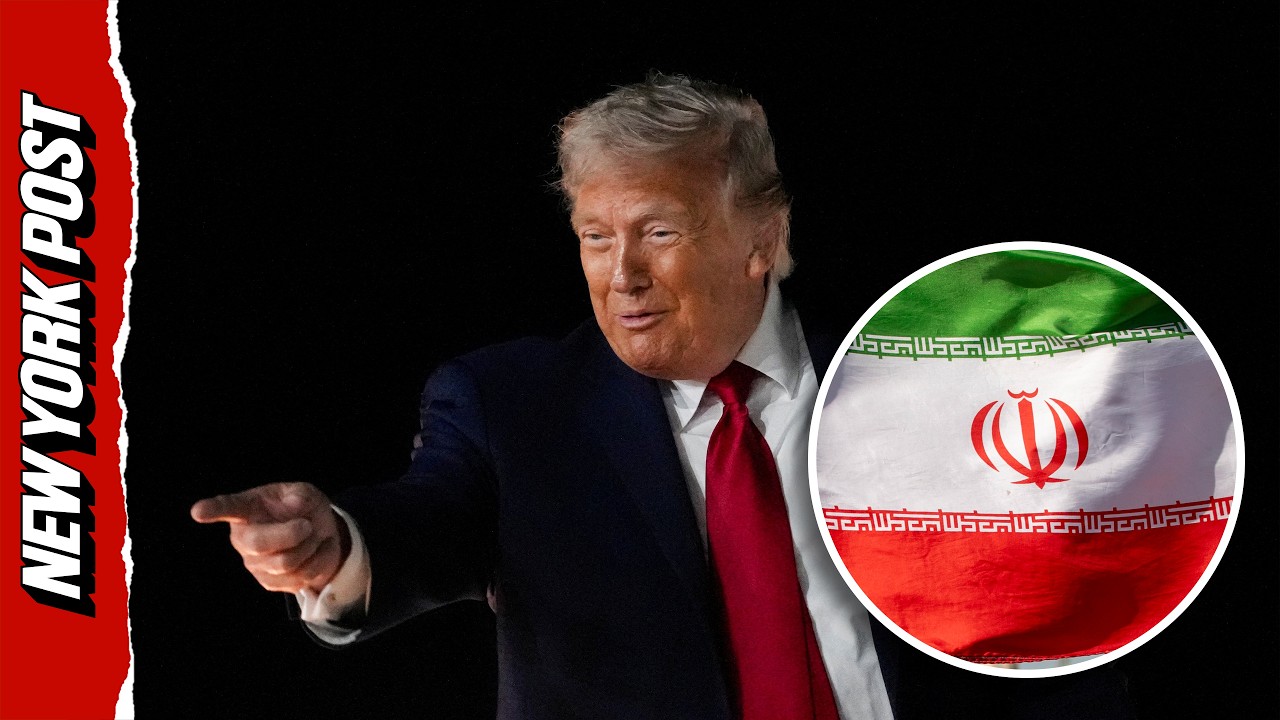
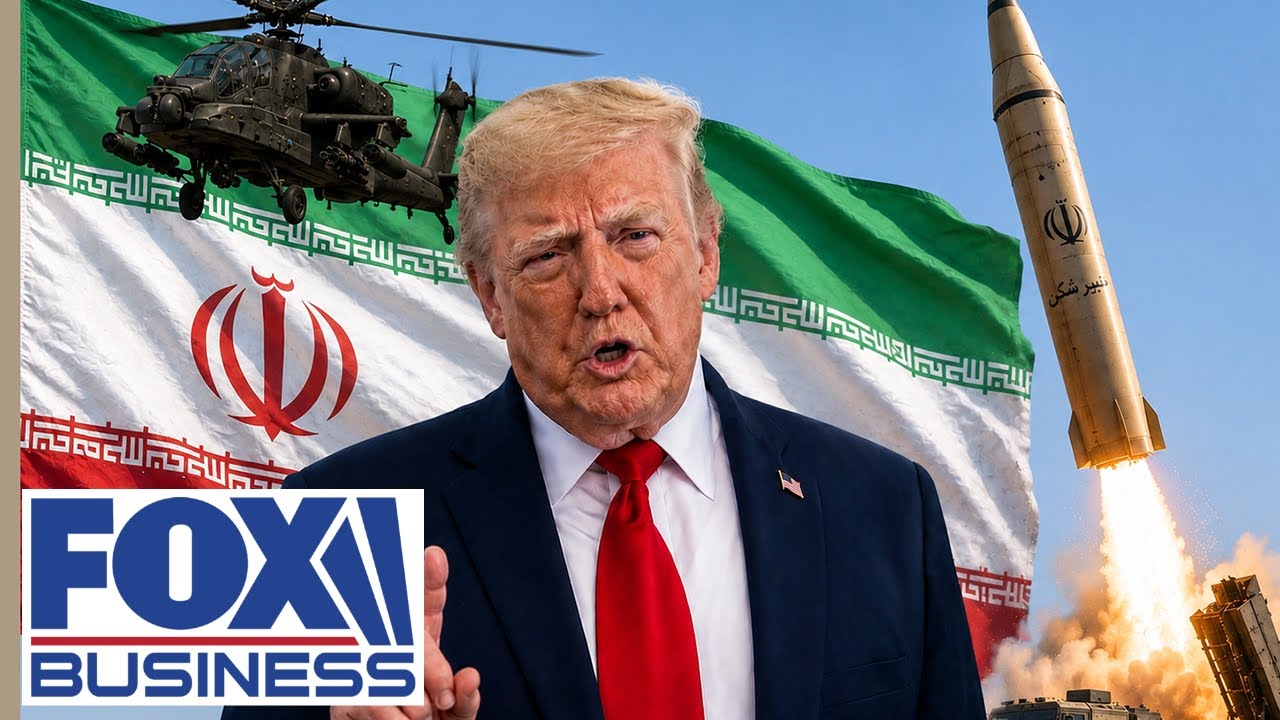
The dual-track approach reflects President Trump’s increasingly nuanced posture toward the Iranian crisis. While authorizing retaliatory military action following the destruction of a U.S. Army Apache helicopter near the Strait of Hormuz, Trump and his advisers continue to express confidence that a negotiated settlement with Tehran remains achievable in the near future.
Indeed, despite escalating military tensions across the region, administration officials continue to project optimism regarding the prospects for a diplomatic breakthrough.
A senior White House official, speaking anonymously due to the sensitivity of ongoing negotiations, told Politico that military operations and diplomatic efforts are proceeding simultaneously and independently. “Nothing changes where the deal stands right now,” the official said, emphasizing that an agreement with Tehran remains “still close,” according to reporting cited by Israel National News.
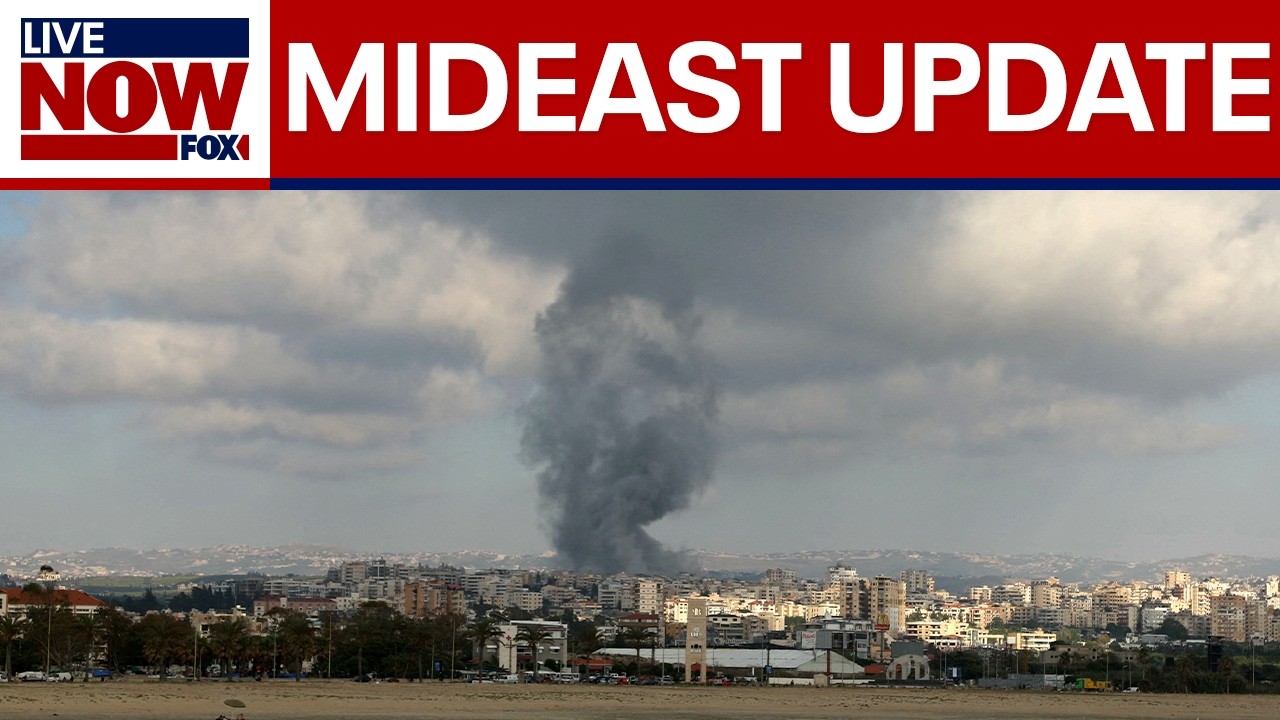
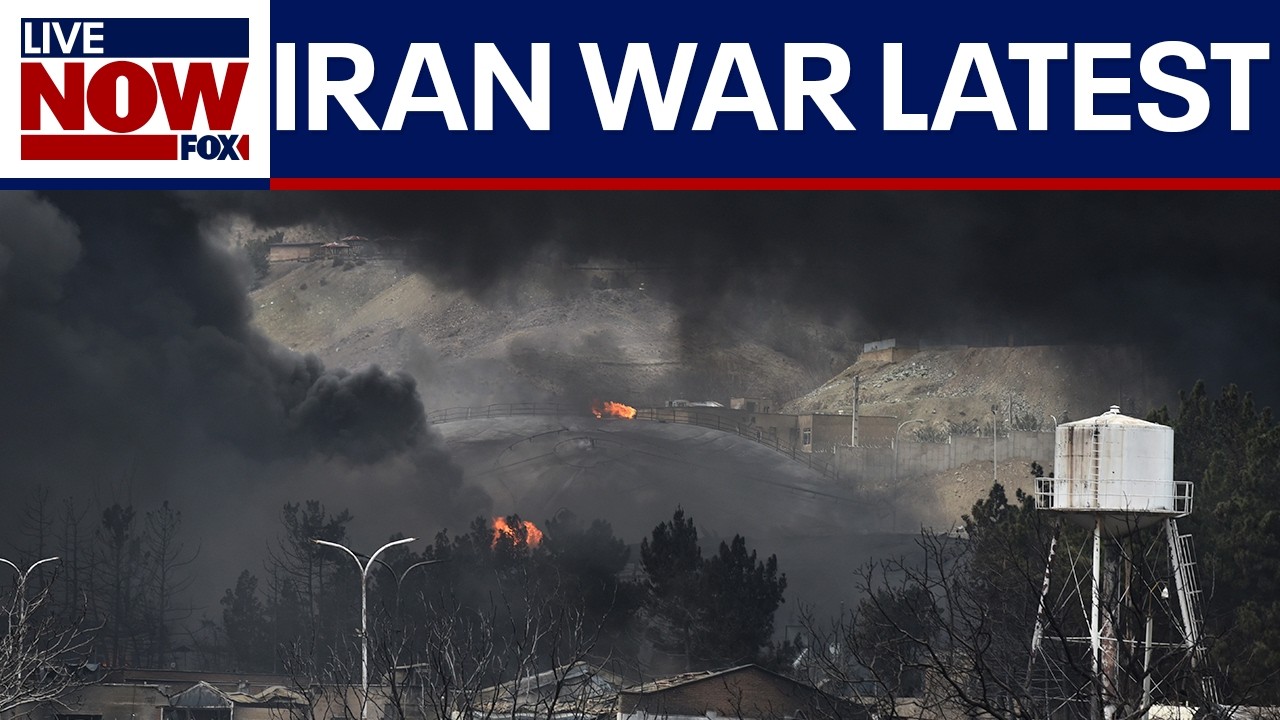
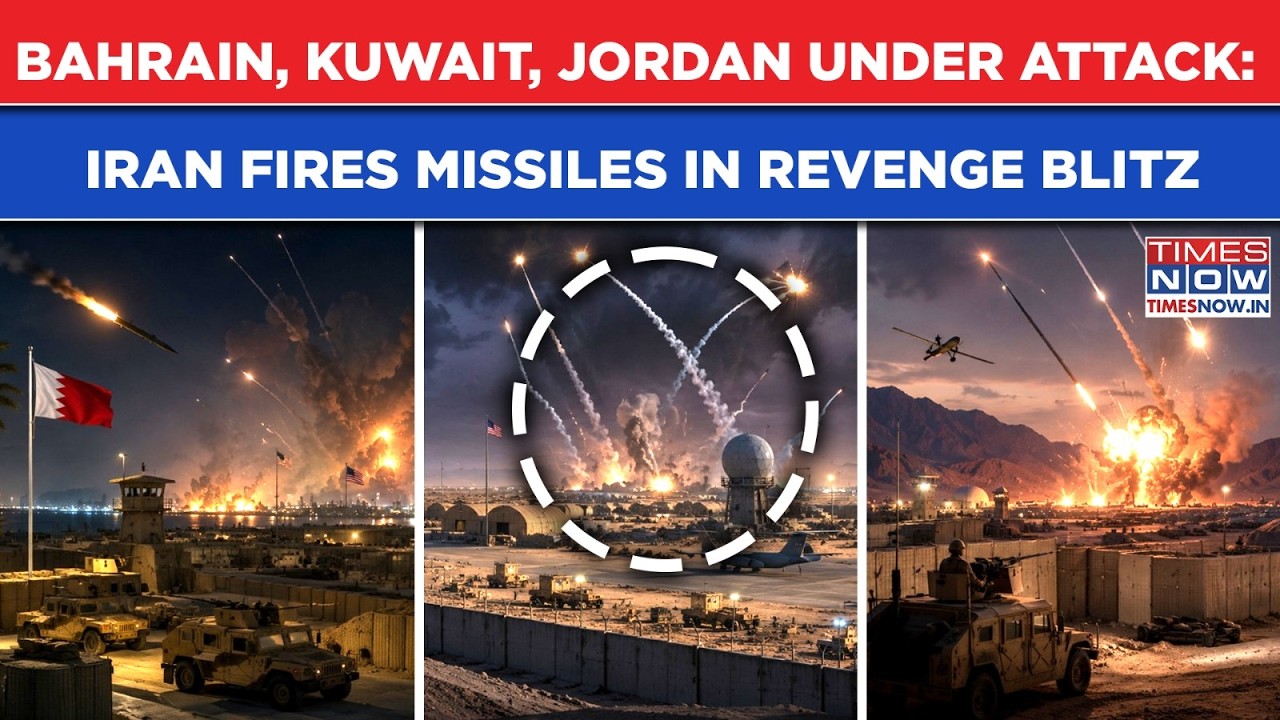
The comments come at a moment of extraordinary volatility throughout the Middle East. Only hours before those remarks became public, U.S. forces launched multiple waves of strikes against Iranian military infrastructure after Washington blamed Tehran for the loss of an Apache helicopter operating near the Strait of Hormuz. American military officials described the operation as a “proportional response,” targeting Iranian air-defense systems, radar installations, surveillance facilities, and command-and-control infrastructure in the strategically vital Gulf region.
U.S. Central Command characterized the operation as a necessary defensive measure designed to respond to aggression while preserving broader regional stability. According to official statements, American fighter aircraft employed precision-guided munitions against a series of carefully selected targets associated with Iranian military activities around the Strait of Hormuz. The objective, military officials said, was to degrade capabilities that could threaten international shipping and American personnel operating throughout the region.
Yet despite the seriousness of the confrontation, senior administration officials continue to distinguish sharply between military operations and diplomatic efforts. According to the Israel National News report, the White House source described the administration’s approach through a simple but revealing framework. “There’s a military bucket and then there’s a negotiation bucket,” the official explained. “A helicopter was downed yesterday. We have to respond in kind, but at the same time there’s still a deal trying to be negotiated. So, two things can happen at the same time.”
That formulation offers a rare glimpse into the strategic thinking currently guiding administration policy. Rather than viewing military retaliation and diplomatic engagement as mutually exclusive, White House officials appear to believe that both instruments can be employed concurrently.
In practical terms, this means the administration believes it can punish hostile actions, preserve deterrence, and simultaneously continue negotiations aimed at securing a broader regional settlement.
Such an approach is hardly unprecedented in international diplomacy. Throughout modern history, governments have often negotiated while military operations continued in parallel. What makes the current situation unusual, however, is the extraordinary proximity between military confrontation and diplomatic optimism. While missiles, drones, and fighter aircraft continue to shape events on the ground, the administration remains convinced that a political settlement remains attainable.
President Trump himself has repeatedly echoed that confidence. In recent public remarks, the president has insisted that negotiations with Iran remain close to fruition despite repeated setbacks and regional flare-ups. According to multiple reports, Trump believes a significant agreement could emerge within days rather than weeks.
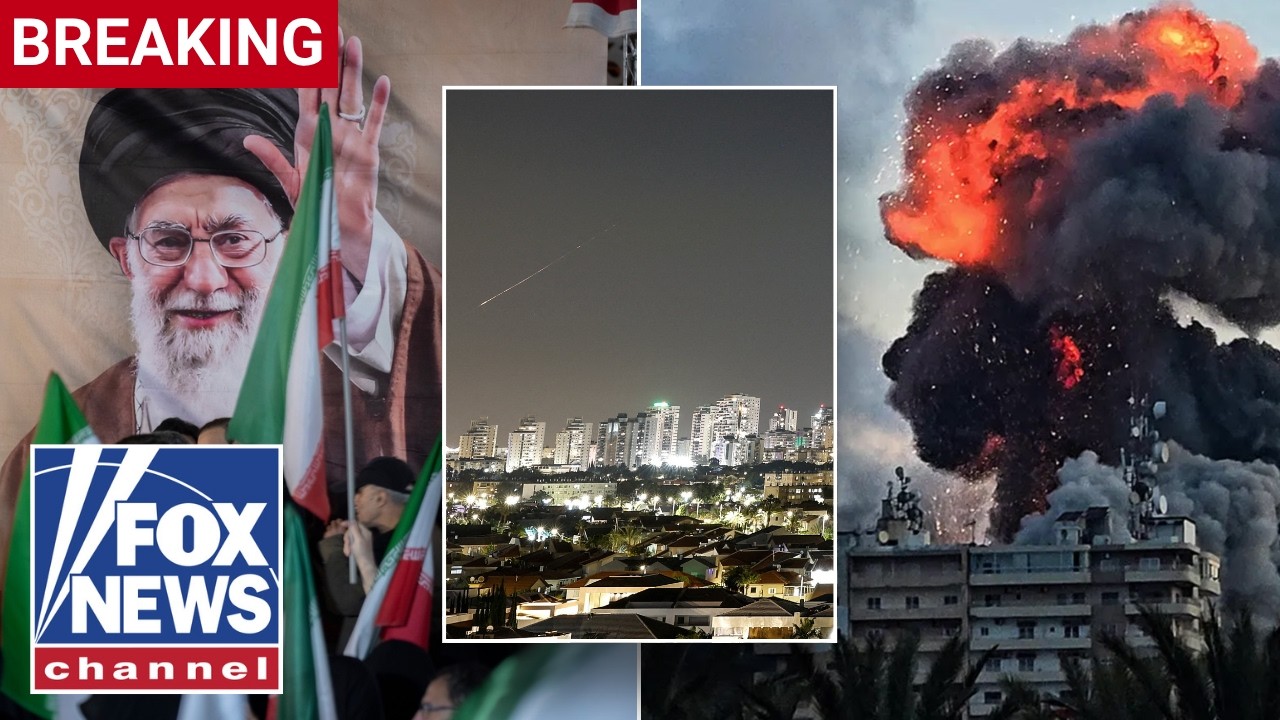
That confidence persists even as tensions continue to simmer across several fronts. The broader regional environment remains highly unstable. Iranian officials have issued repeated warnings regarding potential retaliation for American military actions. The Islamic Revolutionary Guard Corps has threatened further responses and claimed responsibility for operations targeting American interests throughout the Gulf region.
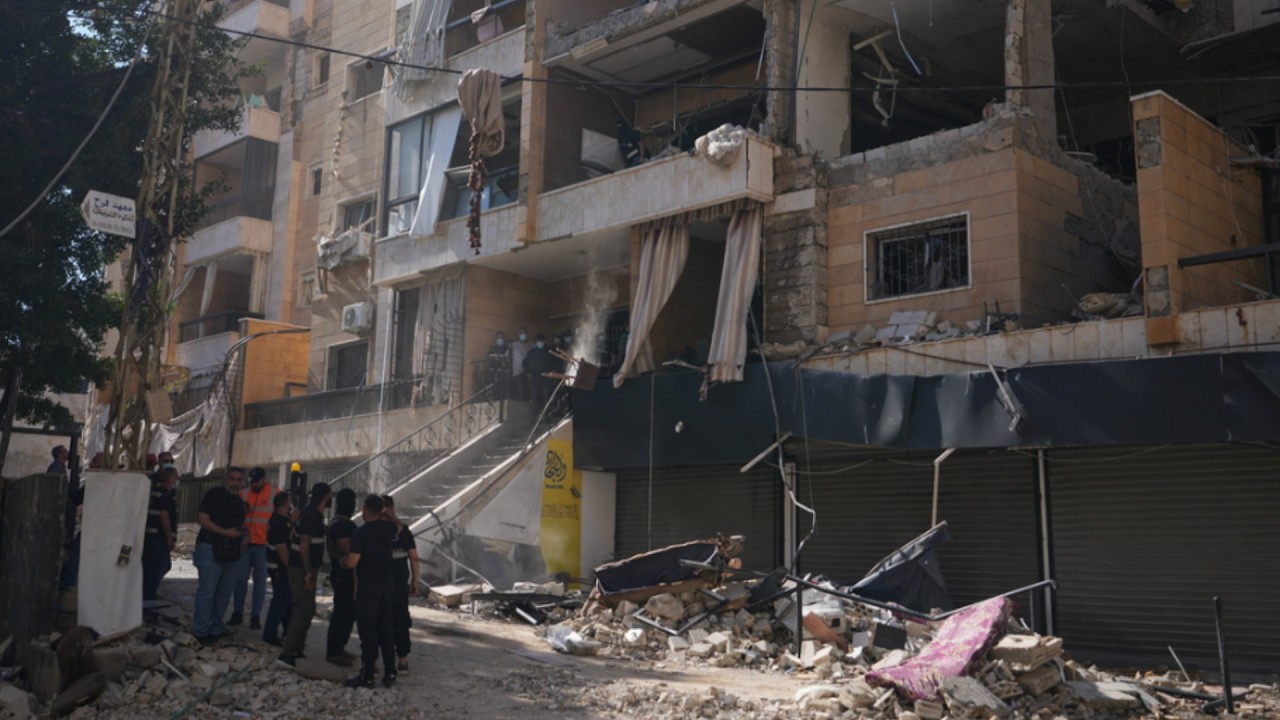
At the same time, Israel continues confronting threats emanating from Hezbollah and other Iranian-backed organizations operating throughout Lebanon and elsewhere. The resulting security landscape has complicated diplomatic efforts and increased pressure on all parties involved.
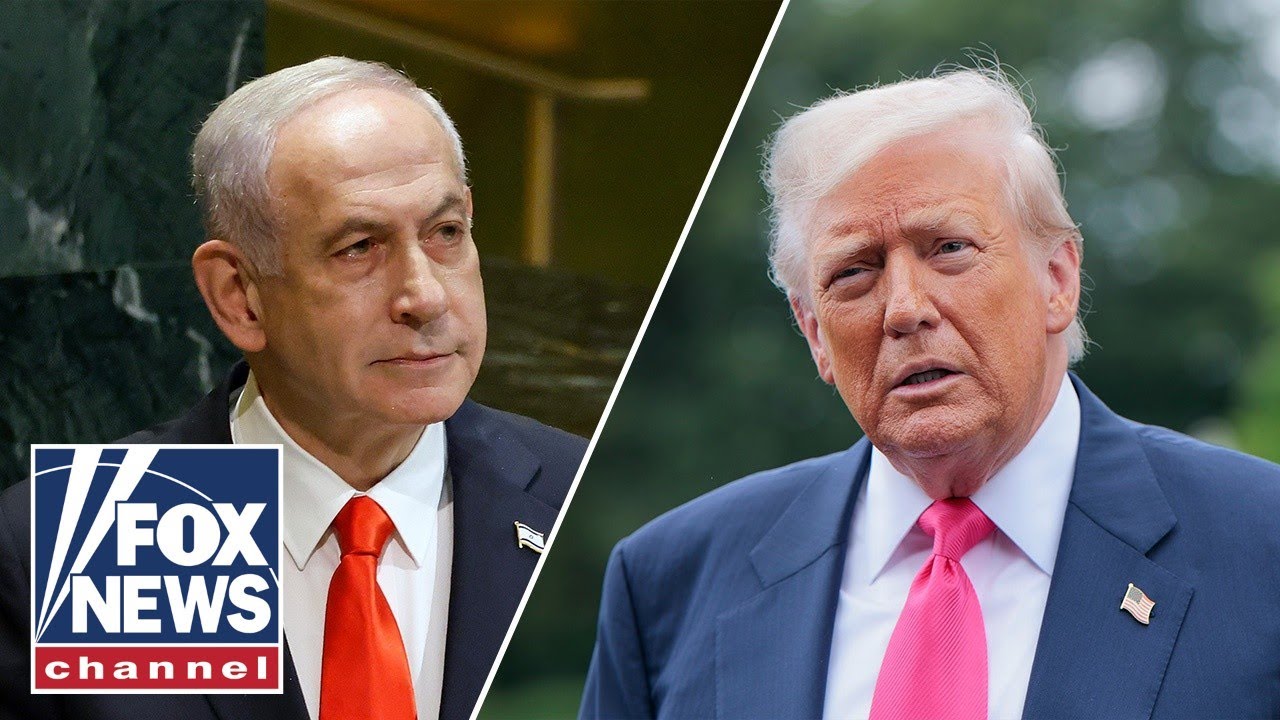
Against this backdrop, reports of tension between Washington and Jerusalem have attracted considerable attention. Recent media coverage suggested that disagreements emerged between President Trump and Prime Minister Benjamin Netanyahu following exchanges of fire involving Israel and Iran. According to several reports, Trump personally urged Netanyahu to avoid actions that could trigger a broader regional escalation while negotiations remained underway. The discussions reportedly occurred after Iranian missile launches prompted consideration of additional Israeli military responses.
Administration officials have made clear that they view preventing a wider regional war as a critical objective. Nevertheless, sources close to the White House insist that reports describing a profound rupture between the two allies are overstated.
According to the information provided in the Israel National News report, an individual familiar with internal discussions dismissed suggestions that relations between Trump and Netanyahu have deteriorated significantly. Instead, the source portrayed the differences as reflective of distinct strategic priorities rather than a fundamental breakdown in cooperation. “Ultimately, I think the president and his national security team understand that they have very different objectives and very different security postures in the region,” the source explained.
The individual acknowledged that frustration exists but rejected the notion that Washington seeks to undermine Israeli security interests. “Obviously, the president is frustrated by that reality, but I don’t necessarily think he wants to hamstring Israel,” the source added. “The more Israel is under attack, the more U.S. involvement will ultimately take place.”
Those remarks underscore the delicate balancing act confronting the administration. On one hand, Washington remains committed to Israel’s security and continues to view Iran’s military capabilities and regional influence as significant concerns. On the other hand, the administration appears determined to preserve the possibility of a negotiated settlement with Tehran. Reconciling those objectives has become increasingly difficult as military incidents continue to occur.
Nevertheless, administration officials maintain that important progress has already been achieved. According to the senior White House official cited in the Israel National News report, Washington believes it has largely accomplished its immediate military objectives. The retaliatory phase of the current confrontation is viewed as substantially complete, allowing policymakers to focus increasingly on diplomatic outcomes.
That does not mean military options have been removed from consideration. On the contrary, officials emphasize that the president retains the ability to respond forcefully should circumstances require additional action. Rather, the administration appears to believe that demonstrating military resolve has strengthened rather than weakened its negotiating position.
Whether Tehran shares that assessment remains uncertain. Iranian leaders have consistently linked broader agreements to a range of regional issues, including sanctions relief, access to frozen assets, maritime access, and developments involving Hezbollah and Lebanon.
Those demands have complicated negotiations and contributed to repeated delays. Still, administration officials remain convinced that diplomacy offers the best path forward.
The strategic logic appears straightforward. A successful agreement could reduce regional tensions, restore maritime stability in the Strait of Hormuz, prevent further military confrontations, and address concerns regarding Iran’s future activities. Failure, by contrast, could expose the region to renewed escalation and potentially broader conflict. For now, Washington is attempting to navigate both possibilities simultaneously.
American aircraft have struck Iranian military targets. Iranian officials continue issuing warnings. Regional tensions remain elevated. Yet amid the uncertainty, the White House continues projecting confidence that a diplomatic breakthrough remains within reach.
As Israel National News has reported, administration officials insist that military deterrence and diplomatic engagement are not contradictory paths but complementary components of a single strategy.
Whether that strategy ultimately succeeds may become clear in the coming days. For the moment, however, President Trump appears determined to pursue negotiations even as American military power remains poised to respond to further provocations—a reflection of an administration seeking to balance strength and diplomacy at one of the most volatile moments in the modern history of the Middle East.