




















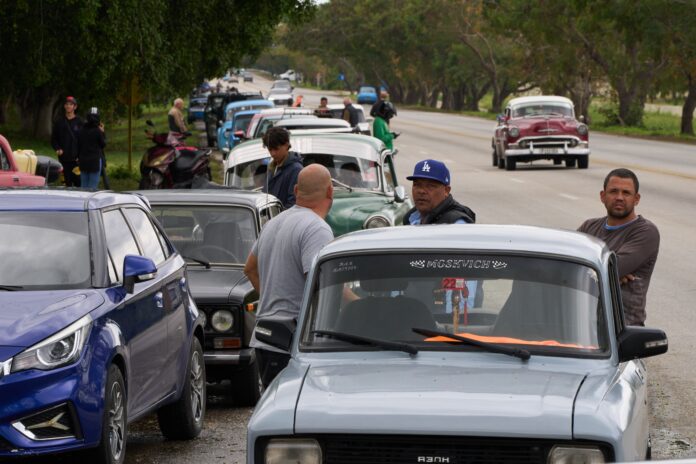










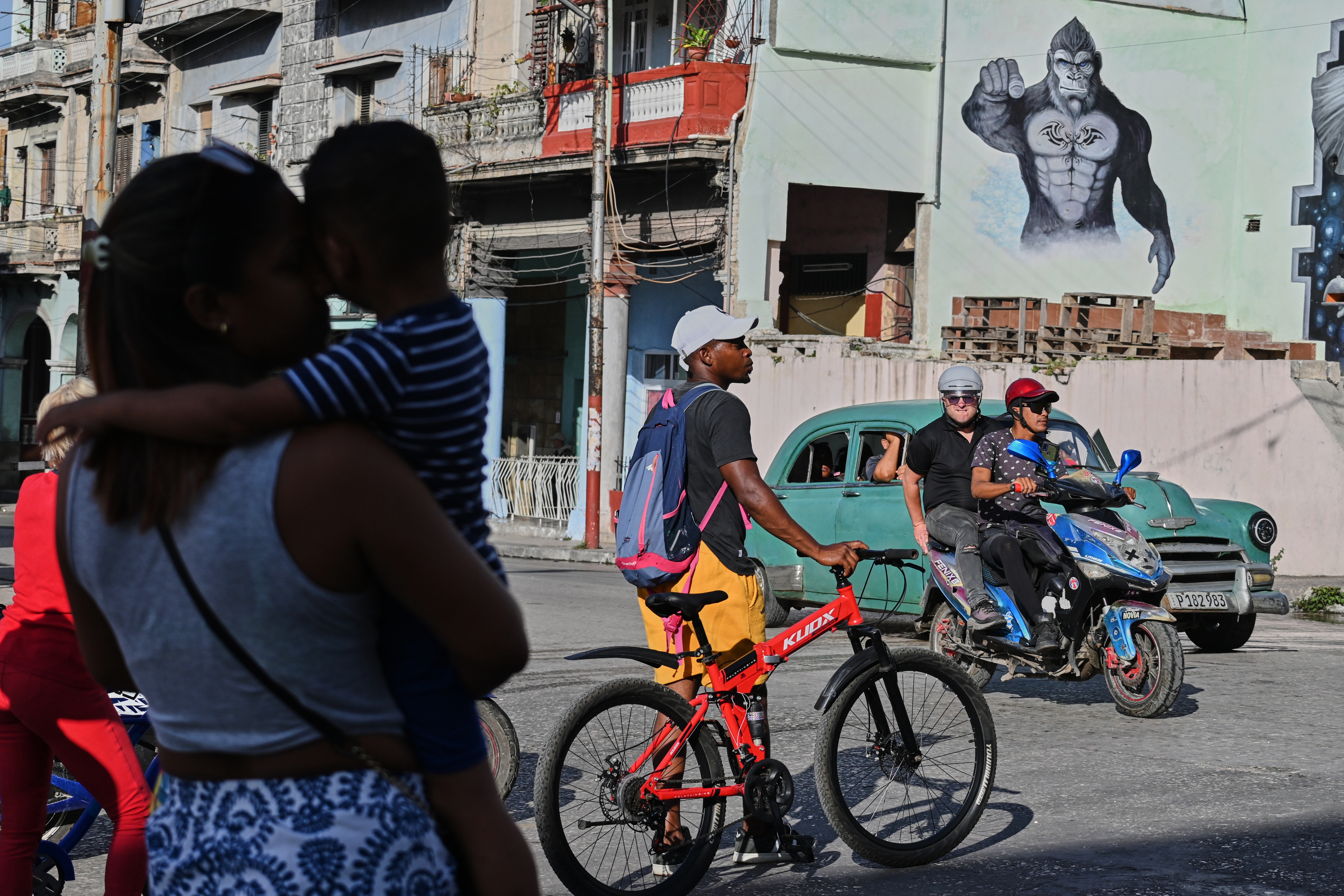
(AP) — A worsening fuel crisis across Cuba is testing the island’s famed “almendrones,” the vintage American cars that serve as vital shared taxis and embody the island’s ingenuity and endurance.
These days, many of the iconic gas-guzzling antique cars sit idle, casualties of fuel shortages that have gripped Cuba since January and that Cuban officials blame on a U.S. energy blockade.
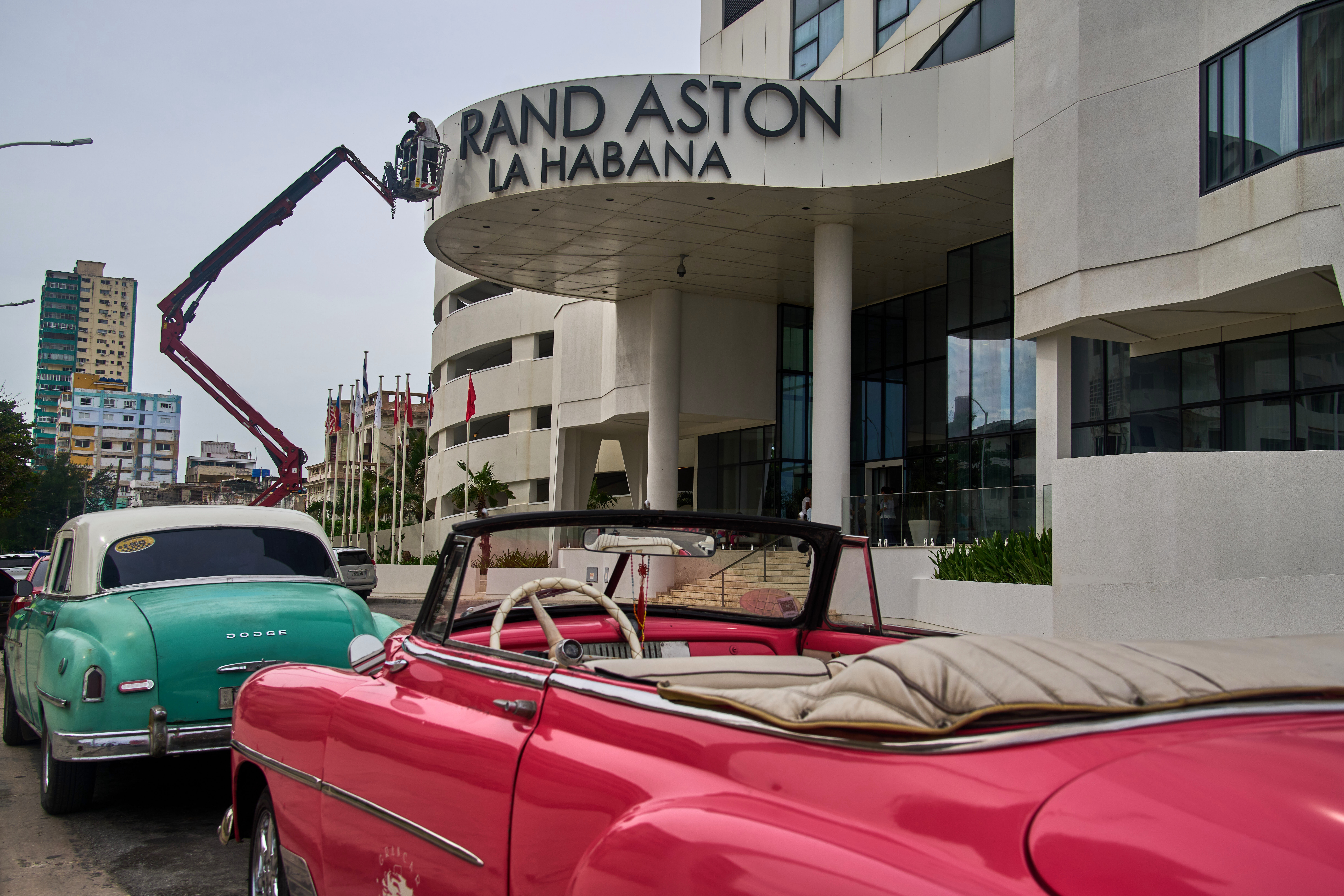
Valdez is among thousands of Cubans waiting for fuel through a government reservation app that, for many, has become a symbol of the shortages it was designed to manage.
“I signed up in February … I’m still somewhere around number 2,800,” said the 27-year-old who runs an auto body shop from his home.
Almendrones represent Cuban improvisation
The name almendrón comes from the Spanish word for almond, a reference to the rounded shape of the large American sedans imported before Cuba’s 1959 revolution.
For decades, sanctions, shortages and limited imports forced Cuban mechanics to become masters of improvisation. Engines were swapped, bodies rebuilt and replacement parts sourced from wherever they could be found.
On a recent night in Havana, as another blackout darkened much of the city, taxi driver Leonardo Daniel González steered a friend’s glowing purple 1948 Chevrolet Fleetmaster through the darkness.
“These cars are passed down from generation to generation,” said González, 30. “I had one that belonged to my great-grandfather. It went from him to my grandfather, then to my father, and then to me.”
The wait for fuel
Cuba is experiencing one of its most severe energy crises in years. The population, already battered by decades of economic crises and shortages, is now navigating daily blackouts that can last up to 20 hours in some parts of the island.
The country produces only about 40% of the fuel it consumes and depends heavily on imports to keep its power plants running and its transportation network moving.
Since January, the Trump administration has tightened sanctions on Cuba as an element of its ongoing pressure campaign against the island’s communist government. Trump also threatened tariffs on countries that sell or transport oil to Cuba, further complicating the island’s efforts to secure fuel supplies. Just a single Russian tanker has delivered oil to the island nation since then.
Standing beside his Chevrolet in Las Minas, Valdez, who runs the auto body shop, said the fuel shortage is also affecting his livelihood. He learned auto-body work from his stepfather and has been repairing classic cars since he was 13.
“People don’t want to do major repairs anymore,” he said. “A lot of them have their cars parked. They don’t have much hope that they’ll be circulating the way they used to.”
Almendrones persist even with electric vehicles
As gasoline becomes harder to obtain, many drivers are turning to Cuba’s black market, where fuel can often be found more quickly, though at significantly higher prices that can reach up to $8 per liter ($30 per gallon).
Omar Everleny Pérez, a former economist at the University of Havana’s Center of Cuban Economic Studies, said the country’s transportation system still depends heavily on almendrones because modern vehicles remain out of reach for most Cubans.
New vehicles have become available in Cuba in recent years, but at prices far beyond the reach of most state-sector workers, Pérez said. That has helped keep the aging American cars on the road, even as a different future is beginning to emerge on Cuba’s streets.
Back in Havana, González is not ready to write off the almendrones. Despite the lack of fuel and a sharp decline in tourism, he can still make a living off the old Chevrolet.
“There are … several WhatsApp groups for us to find rides and so on,“ said González. “But tourism in Cuba is in very bad shape.”



