



|
Getting your Trinity Audio player ready...
|
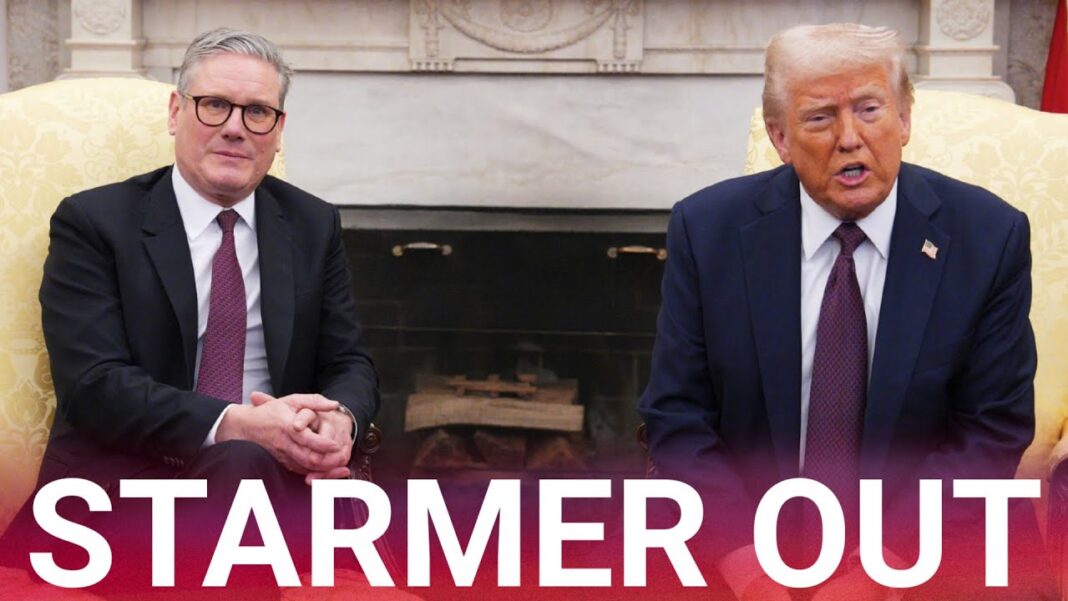
(TJV NEWS) Several key U.S. allies are publicly rejecting President Donald Trump’s effort to build international support for a naval blockade of the Strait of Hormuz, according to reporting from ZeroHedge, which highlighted growing friction between Washington and its partners over the escalating confrontation with Iran.
ZeroHedge reported that multiple NATO and Western allies have made clear they do not intend to participate in any U.S.-led military operation to enforce the blockade, despite earlier expectations from Washington that a broader coalition would back the move. Instead, allied governments are signaling they want to avoid being pulled directly into a widening regional war.
As ZeroHedge pointed out, countries including major European partners have emphasized diplomatic solutions and freedom of navigation rather than military escalation. Officials in several capitals have reportedly argued that the crisis with Iran should not be expanded into a wider international confrontation, and that their priority is preventing further disruption to global energy flows rather than enforcing a blockade.
The refusal comes as tensions continue to rise in the Persian Gulf following the collapse of recent negotiations with Tehran and the U.S. decision to ramp up enforcement actions in and around the Strait of Hormuz. The waterway is one of the world’s most critical energy chokepoints, and any disruption carries immediate implications for global oil markets.
ZeroHedge also noted that the lack of allied military backing underscores growing divisions within the Western alliance, with some governments increasingly unwilling to take part in what they view as a high-risk escalation. Instead, several allies are reportedly exploring non-military efforts focused on reopening and securing the shipping lane through diplomatic coordination once conditions stabilize.
The United States has continued to push for broader cooperation, but the pushback suggests limited appetite among key partners for direct involvement in enforcement operations tied to the Iran conflict.
As ZeroHedge pointed out, the split highlights a widening gap between Washington’s strategy and the cautious stance of its allies, many of whom are concerned about being drawn deeper into a regional war with potentially global economic consequences.
