



|
Getting your Trinity Audio player ready...
|
China-Bound Oil Tanker Turns Back After U.S. Moves Tighten Pressure in Strait of Hormuz
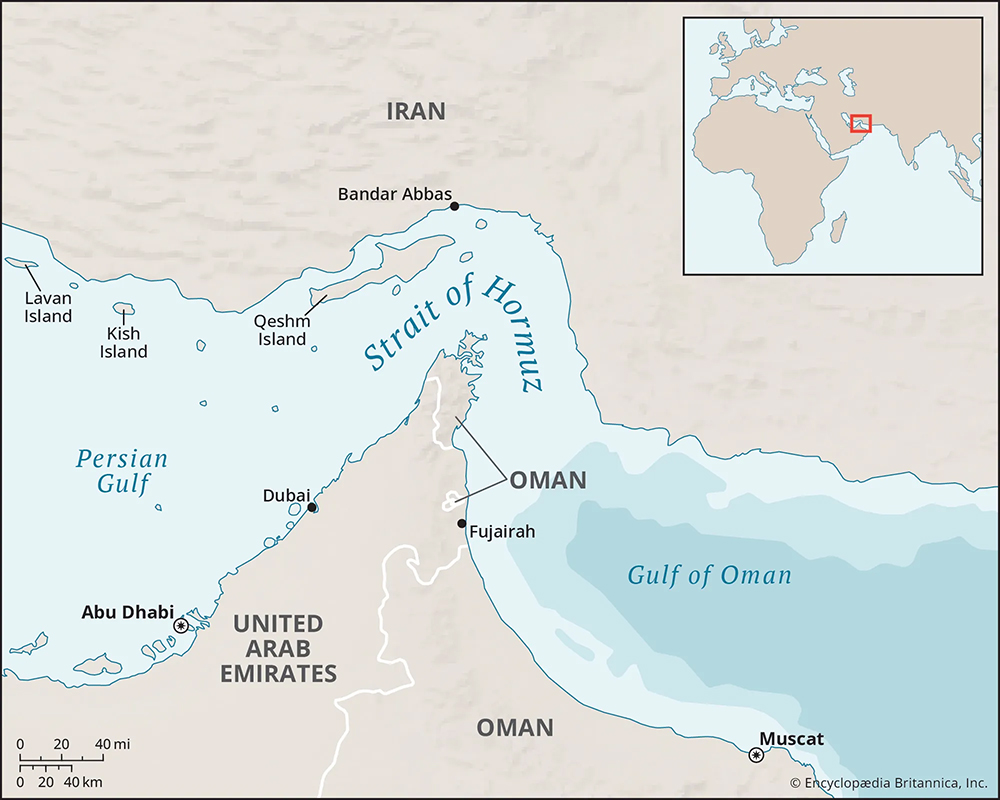
A China-bound oil tanker reportedly reversed course while transiting the Strait of Hormuz after heightened U.S. military enforcement actions disrupted normal shipping patterns in the region, according to reporting from ZeroHedge, which cited vessel tracking data and market monitoring services. The ship had been traveling through the critical energy chokepoint when it altered its route as tensions escalated.
The disruption comes amid rising geopolitical friction in the Persian Gulf, where the Strait of Hormuz remains one of the most important passages for global oil shipments. ZeroHedge, referencing shipping intelligence and market data, reported that the vessel was among several tankers adjusting movements as U.S. naval enforcement activity increased in response to broader regional tensions involving Iran.
According to ZeroHedge and corroborating maritime tracking analysis referenced in broader shipping industry reports, the United States has expanded its presence and enforcement posture in the area. The reported measures include increased monitoring and restrictions tied to Iranian maritime activity, prompting uncertainty among commercial carriers operating near the strait.
The Strait of Hormuz is a strategic waterway through which a significant portion of the world’s crude oil exports pass daily. As noted in energy market reporting cited by ZeroHedge and industry analysts, even minor disruptions in the region can lead to immediate volatility in global oil prices, with traders closely watching vessel movements for signs of supply interruptions.
Market observers cited by ZeroHedge and other financial commentary outlets warned that increased military enforcement and shipping reroutes could add upward pressure on oil prices, which have already been sensitive to geopolitical developments in the Middle East. Shipping insurers have also reportedly begun reassessing risk levels for tankers operating in the Gulf region.
Iran, according to statements referenced in ZeroHedge reporting and prior international coverage, has strongly criticized U.S. actions in the area, describing them as provocative and warning of potential retaliation if Iranian interests are targeted. Tehran has historically argued that foreign military pressure in the Strait of Hormuz threatens freedom of navigation.
Meanwhile, U.S. officials, as summarized in the ZeroHedge report, have maintained that enforcement actions are intended to restrict Iranian-linked maritime activity rather than obstruct lawful international commerce. However, the uncertainty has already led to changes in shipping behavior, including slowed transits and rerouted voyages by vessels headed toward Asian buyers such as China.
The situation remains fluid, with maritime analysts cited across ZeroHedge and industry tracking platforms noting that shipping companies are continuing to reassess routes in real time as the security environment in the region evolves.
