












|
Getting your Trinity Audio player ready...
|
By: Fern Sidman – Jewish Voice News
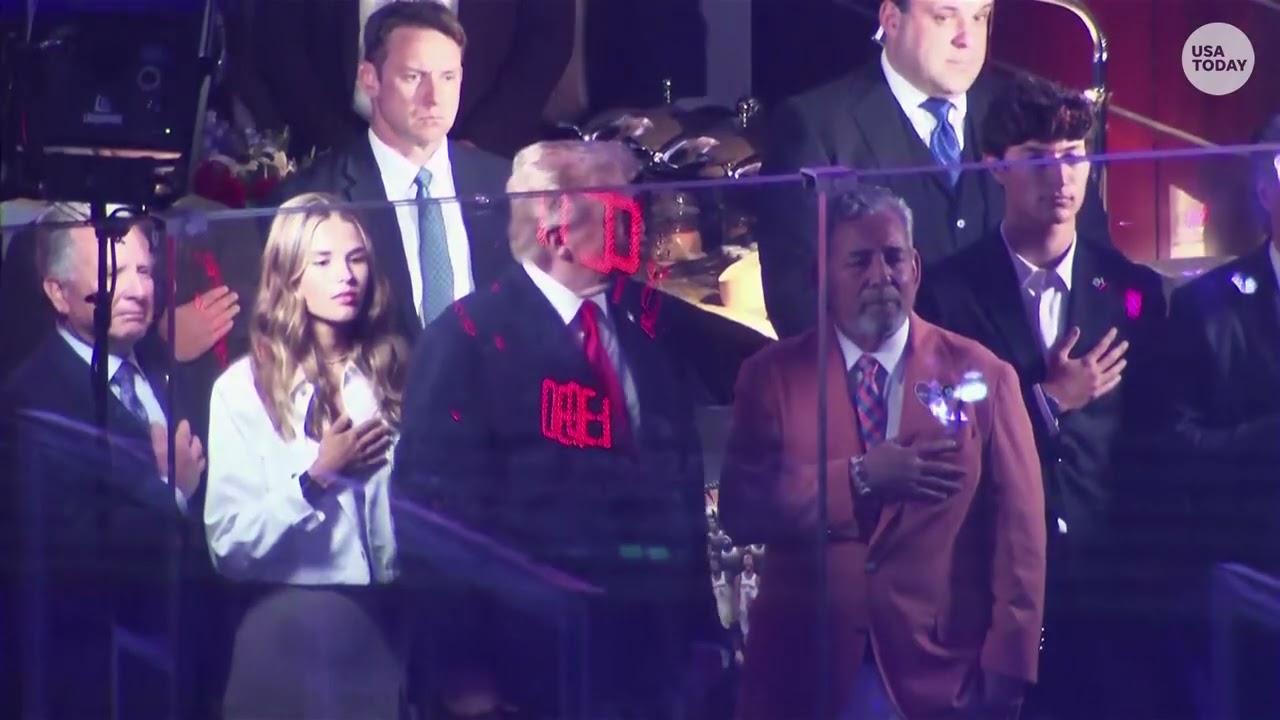
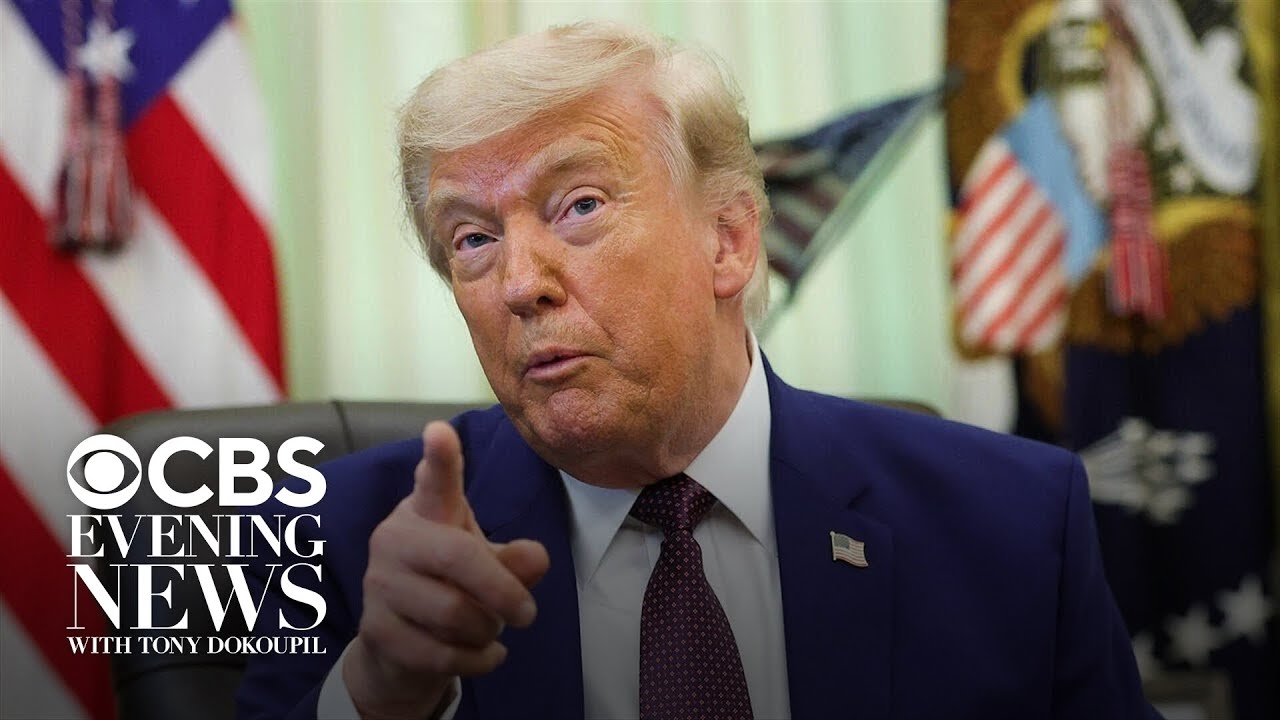
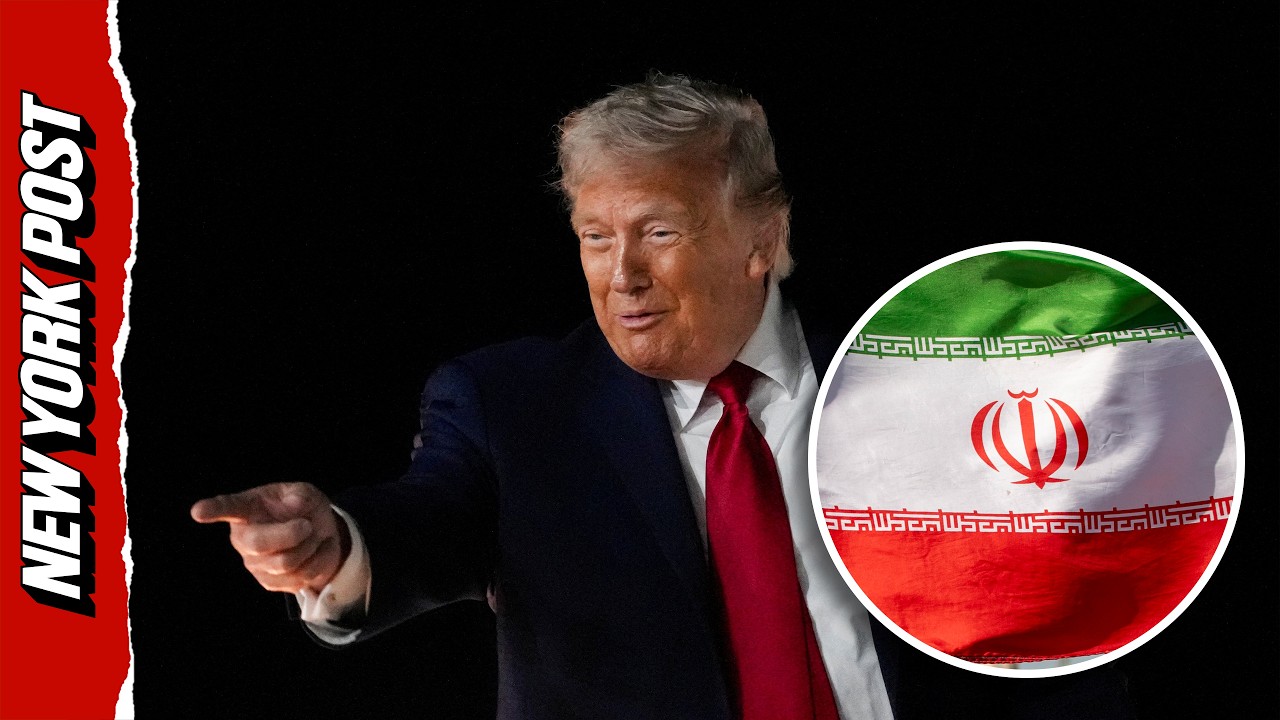
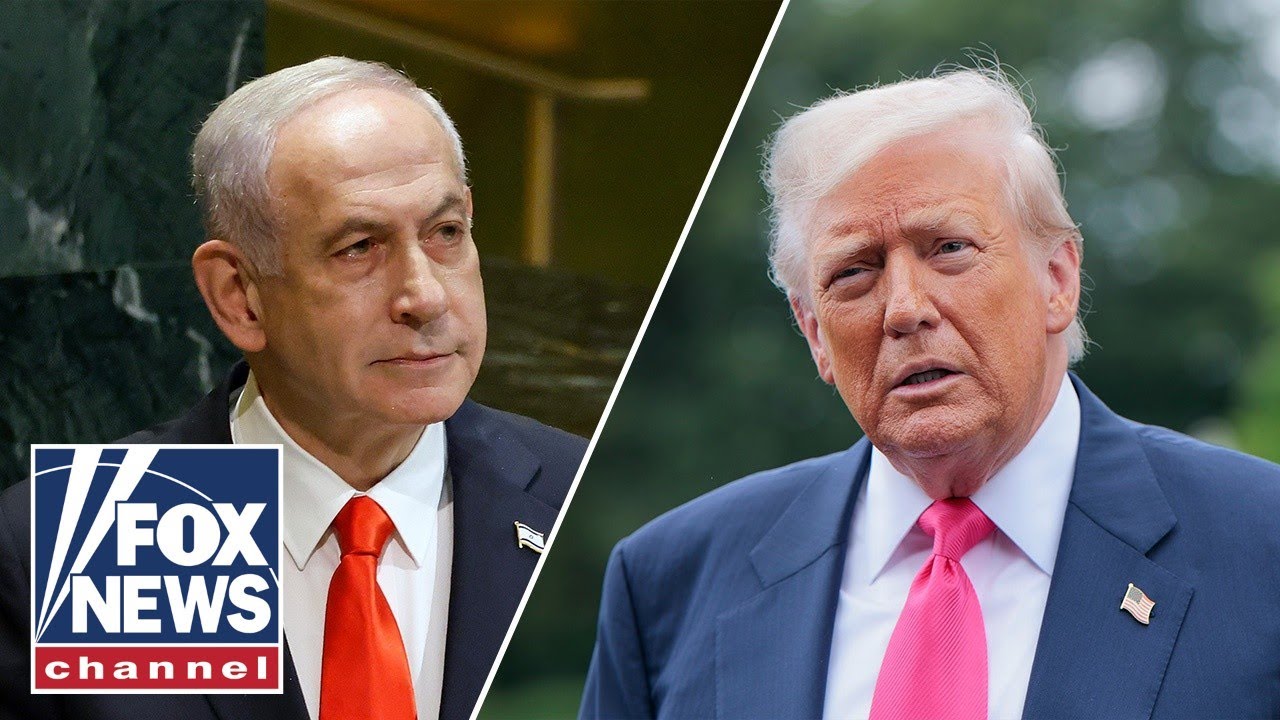
In a fiery denunciation that reignited debate over antisemitism and political loyalty within the American Jewish community, President Trump on Tuesday declared that any Jewish person voting for Zohran Mamdani, the Democratic Socialist frontrunner in New York City’s mayoral race, is “a stupid person.” The blunt statement, made via Trump’s Truth Social platform, follows a growing wave of concern among Jewish leaders and pro-Israel organizations about Mamdani’s long record of hostility toward the Jewish state and his refusal to repudiate explicitly antisemitic rhetoric.
https://youtu.be/qknpWeOn64I?si=Q1JIqHNScS0UAhnu
“Any Jewish person that votes for Zohran Mamdani, a proven and self-professed JEW HATER, is a stupid person!!!!” Trump wrote, capitalizing and punctuating his words with characteristic fury.
As The Algemeiner reported on Tuesday, Trump’s comments call attention to a widening fault line in the political landscape—one that has come to symbolize the tension between progressive movements increasingly hostile toward Israel and a Republican establishment that sees itself as Israel’s most steadfast ally. Mamdani, a member of the far-left Democratic Socialists of America (DSA), has been a consistent supporter of the Boycott, Divestment, and Sanctions (BDS) campaign—a global movement aimed at isolating Israel politically and economically, which many Jewish groups, including the Anti-Defamation League, have described as antisemitic in effect and intent.
Trump’s post followed his Monday appeal urging New Yorkers to vote for former Governor Andrew Cuomo, who trails Mamdani in the polls but has garnered growing support among centrist Democrats and Jewish voters alarmed by Mamdani’s radical positions. “He’s a Communist,” Trump said of Mamdani, warning that if the self-described socialist captures City Hall, New York would become “an economic and social disaster.”
As The Algemeiner report detailed, Trump even went so far as to threaten to withhold federal funds from New York City should Mamdani win, asserting that he would not send “good money after bad” to a city governed by someone he considers hostile to America’s closest ally in the Middle East.
The statement reflects Trump’s longstanding frustration with Jewish voters who continue to support Democratic candidates despite his record as one of the most pro-Israel presidents in modern American history—a record that includes recognizing Jerusalem as Israel’s capital, moving the U.S. embassy there, and brokering normalization agreements between Israel and multiple Arab states through the Abraham Accords.
In 2019, Trump drew similar criticism when he accused Jewish Democrats of showing “great disloyalty” to Israel. Yet as The Algemeiner report observed, Trump’s latest comments differ in tone and urgency, directly tying Jewish voters’ choices in a local election to what he called the survival of the Jewish state itself.
The Algemeiner has closely tracked Mamdani’s political trajectory, chronicling his embrace of anti-Israel activism and his open alignment with causes that Jewish and Israeli leaders have long regarded as existentially hostile. The Ugandan-born state assemblyman from Queens, who rose to prominence within New York’s progressive movement, has been a vocal supporter of the “Globalize the Intifada” slogan—a rallying cry that directly calls for a worldwide uprising against Jews and Israelis.
Despite repeated appeals from community leaders, Mamdani has refused to condemn the phrase, claiming that it merely represents “solidarity with Palestinian resistance.” He has also refused to recognize Israel’s right to exist as a Jewish state, aligning himself with hardline activists who promote the idea of a single “Palestinian” state encompassing all of present-day Israel.
As The Algemeiner report noted, Mamdani’s statements and affiliations have placed him firmly within the extreme anti-Zionist camp that now exerts growing influence within urban progressive circles. His campaign rallies have featured DSA members chanting slogans equating Zionism with racism, while his social media accounts frequently amplify organizations that have excused or minimized Hamas violence.
During Israel’s 2023 war with Hamas—a conflict triggered by the terrorist group’s mass slaughter of civilians on October 7—Mamdani repeatedly accused Israel of “genocide” and “apartheid,” parroting rhetoric widely condemned by Jewish groups as disinformation designed to delegitimize Israel’s right to self-defense.
Trump’s remarks may have been characteristically blunt, but as The Algemeiner report highlighted, they echo widespread alarm within New York’s Jewish community, where Mamdani’s rise has sparked an unprecedented coalition of opposition.
Polling data cited in The Algemeiner report indicates that Mamdani is deeply unpopular among Jewish voters, who overwhelmingly view him as hostile to their interests and identity. Leaders across the religious spectrum—from Orthodox rabbis in Borough Park to liberal congregational heads on the Upper West Side—have warned that a Mamdani mayoralty would pose a direct threat to Jewish life in New York, the world’s largest Jewish city outside Israel.
“His platform is indistinguishable from the rhetoric of those who march under Hamas flags,” one prominent communal figure told The Algemeiner. “It’s not just about foreign policy—it’s about the safety of Jews on our streets.”
In recent weeks, Jewish organizations have intensified their outreach efforts, urging voters to mobilize against Mamdani’s campaign. The Jewish Community Relations Council of New York (JCRC) released a statement accusing Mamdani of “fueling antisemitic hatred under the guise of social justice,” while The Algemeiner reported that several prominent rabbis have privately met with Cuomo to coordinate voter turnout efforts in key boroughs.
For his part, Mamdani has denied the accusations of antisemitism, claiming that his criticism of Israel is directed solely at government policy. Yet, as The Algemeiner report pointed out, his record tells a different story.
A co-sponsor of state legislation seeking to prohibit New York agencies from doing business with Israeli companies operating in Judea and Samaria, Mamdani has consistently framed his support for BDS as an act of “moral resistance.” But the BDS campaign’s founding charter explicitly calls for the dismantling of Israel as a Jewish state—a position that goes far beyond political criticism and into the realm of outright delegitimization.
Moreover, Mamdani’s refusal to engage with mainstream Jewish groups has only deepened the rift. As The Algemeiner reported, his campaign declined invitations to meet with representatives from Jewish advocacy organizations, instead accusing them of “bad-faith smears” and “weaponizing antisemitism to silence dissent.”
Trump’s direct invocation of Jewish loyalty to Israel is not new, but his latest comments mark a striking intersection of local and national politics. As The Algemeiner report observed, the president’s remarks reflect both genuine outrage at anti-Israel extremism and an attempt to reinforce his image as the ultimate defender of the Jewish state.
“Trump’s rhetoric may be blunt, but his record on Israel is undeniable,” a political analyst told The Algemeiner. “By contrast, the Democratic left has moved into territory that openly questions Israel’s right to exist. For Jewish voters, this election is about more than a mayor—it’s about who stands with them when antisemitism is rising.”
Indeed, Trump’s statement that Jewish voters who back Mamdani are “stupid” may offend some sensibilities, but it also forces an uncomfortable conversation about the priorities and vulnerabilities of American Jewish political identity. As antisemitic incidents soar nationwide—many fueled by the same anti-Israel rhetoric Mamdani has embraced—Trump’s blunt warning resonates with Jews who feel increasingly abandoned by progressive allies.
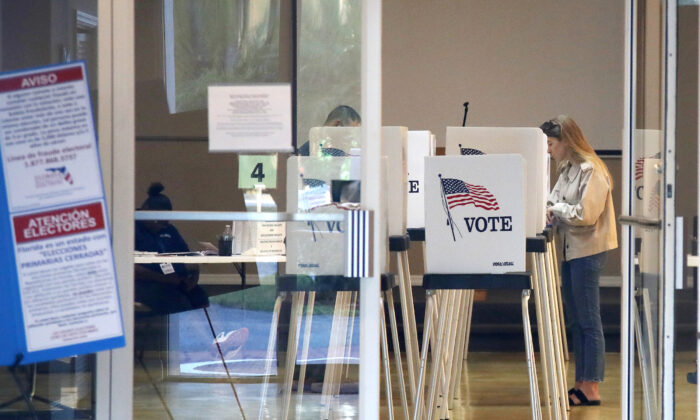
With Election Day here, the stakes could not be higher. As The Algemeiner report noted, the Mamdani-Cuomo contest represents more than a local political fight—it is a referendum on whether New York, the historic epicenter of Jewish life in the Diaspora, will allow hostility toward Israel and the Jewish people to gain a foothold in the city’s highest office.
Trump’s words have sharpened that choice to its moral essence. “If you vote for a man who supports boycotts of Israel, who refuses to condemn calls for global intifada, and who aligns with those who glorify terror,” one Jewish leader told The Algemeiner, “then you are not merely making a political mistake—you are betraying your own community.”
For many Jewish New Yorkers, that sentiment—echoed, amplified, and made impossible to ignore by the president—may prove decisive.



