









|
Getting your Trinity Audio player ready...
|
By: Fern Sidman
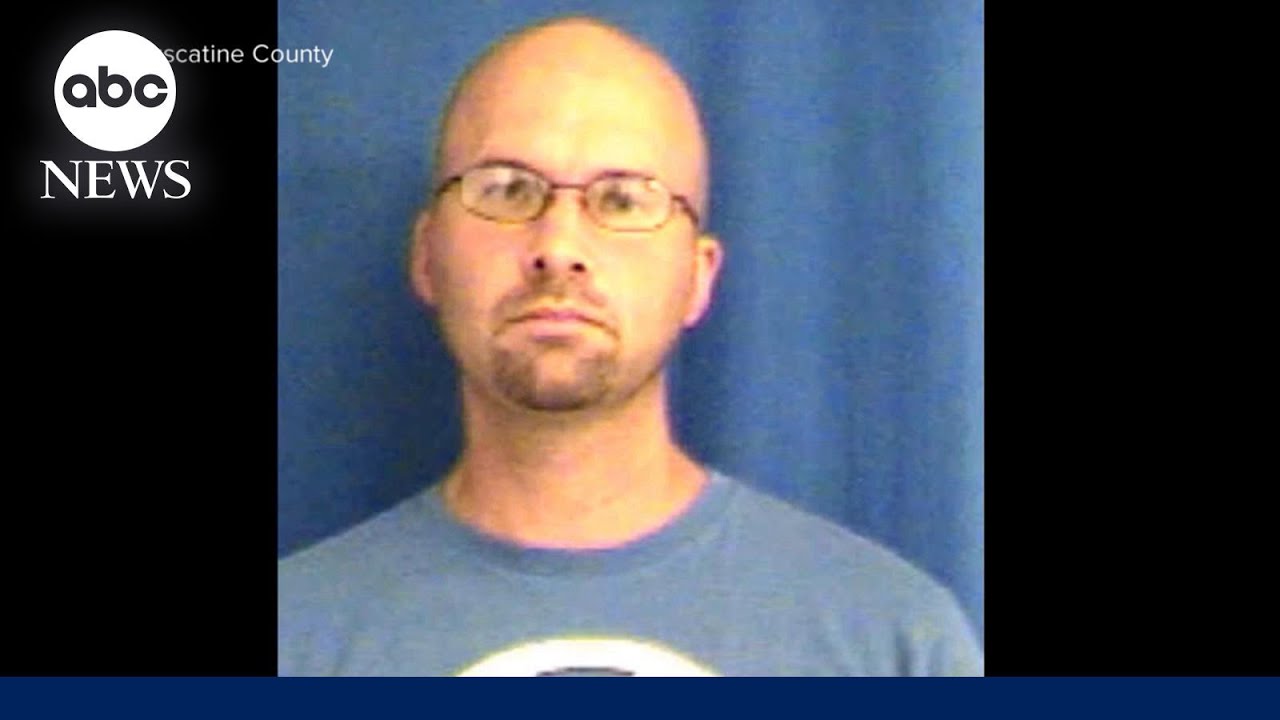
In the aftermath of the shocking shooting that disrupted the White House Correspondents’ Dinner in Washington on Saturday evening, disturbing new details have come to light regarding the mindset, preparation, and motivations of the accused assailant, identified as Cole Allen, a 31-year-old educator from Torrance, California. As reported on Sunday by The New York Post, investigators have uncovered a lengthy and deeply unsettling manifesto sent by Allen to members of his family mere minutes before he opened fire, offering a rare and troubling window into the psyche of a man allegedly intent on committing a targeted act of political violence.
The document, transmitted approximately 10 minutes prior to the attack, reveals a meticulously articulated yet profoundly deranged justification for his actions. In it, Allen referred to himself with the ominous moniker “Friendly Federal Assassin,” a self-appointed title that encapsulates both the performative and ideological dimensions of his conduct. The manifesto outlines a hierarchy of intended victims, explicitly identifying “administration officials” as his primary targets, ordered from the most senior figures downward. Notably, he excluded the Director of the Federal Bureau of Investigation from this list, though he did not elaborate on the rationale for that exception.
According to the information provided in The New York Post report, Allen’s writing was saturated with incendiary accusations directed at President Donald Trump and members of his administration, whom he characterized in the most extreme and inflammatory terms. In one passage, he declared his unwillingness to be complicit in what he described as the crimes of those in power, asserting that violence was, in his view, a necessary response. His language was both accusatory and apocalyptic, reflecting a worldview in which moral outrage had metastasized into a justification for lethal action.
Perhaps most chilling was Allen’s apparent willingness to accept collateral casualties in pursuit of his objectives. While he claimed to have selected ammunition intended to reduce unintended harm, he nonetheless conceded that he would be prepared to harm “most everyone” present if doing so were necessary to reach his designated targets. This admission underscores the indiscriminate potential of the violence he contemplated, even as he attempted to rationalize it within the framework of his distorted moral calculus.
The manifesto also contains repeated references to Allen’s religious beliefs, which he invoked in an effort to defend his actions against anticipated criticism. Drawing upon selective interpretations of Christian doctrine, he argued that passivity in the face of perceived injustice constituted moral failure. In his reasoning, the principle of non-retaliation applied only to personal suffering, not to the suffering of others, which he claimed imposed an obligation to act. Such arguments, while cloaked in theological language, reveal a profound misappropriation of religious concepts in service of violent extremism.
In addition to ideological grievances, Allen’s document reflects a preoccupation with contemporary political controversies. He referenced policies and actions attributed to the Trump administration, including enforcement measures related to migration and operations targeting illicit trafficking networks. These issues, filtered through his own interpretation, appear to have contributed to the narrative he constructed to justify his planned attack.
The operational details described in the manifesto further illuminate the extent of his preparation. As reported by The New York Post, Allen traveled from Los Angeles to Washington, DC, by train, passing through Chicago along the way. Acting Attorney General Todd Blanche suggested that this method of travel may have been chosen deliberately to avoid the heightened scrutiny associated with air transportation. Such a decision indicates a degree of forethought aimed at minimizing the likelihood of detection prior to the attack.
Upon arrival at the Washington Hilton, the venue for the Correspondents’ Dinner, Allen reportedly took note of what he perceived as significant lapses in security. In his manifesto, he expressed astonishment that he was able to enter the premises carrying multiple weapons without raising suspicion. He described the environment as one marked by complacency, with security efforts concentrated primarily on external threats such as demonstrators rather than on individuals already inside the facility.
Allen’s critique of the security arrangements was both detailed and scathing. He suggested that the focus on arrivals and protests had created a vulnerability that he was able to exploit by checking into the hotel in advance. In a particularly alarming passage, he speculated that a foreign operative could have introduced even more formidable weaponry under similar circumstances without detection. While such assertions may reflect exaggeration, they nonetheless raise serious questions about the adequacy of existing security protocols at high-profile events.
The manifesto came to the attention of law enforcement through the actions of Allen’s own family. His brother, upon receiving the document, alerted authorities in New London, Connecticut, prompting an urgent response. This intervention, though unable to prevent the initial outbreak of violence, may have contributed to the rapid identification and apprehension of the suspect.
Subsequent investigations have revealed additional aspects of Allen’s background that shed light on his trajectory toward radicalization. According to information cited in The New York Post report, he had acquired two handguns and a shotgun from a firearms retailer and stored them at his parents’ residence. He was also known to engage in regular firearms training at a shooting range, suggesting a level of familiarity and proficiency with weapons.
Allen’s associations further indicate a pattern of increasing political engagement, albeit of a highly volatile nature. He was reportedly connected to a group known as “The Wide Awakes” and is believed to have participated in a protest movement characterized by its opposition to established authority structures. Individuals who interacted with him, including family members interviewed by the Secret Service, described him as prone to making increasingly radical statements and expressing a desire to take decisive action to address what he perceived as systemic injustices.
The closing passages of Allen’s manifesto provide a stark and unsettling glimpse into his emotional state as he prepared to carry out the attack. In a tone that oscillates between anguish and resolve, he acknowledged the personal cost of his actions, expressing sorrow for the life he was about to abandon and the trust he would betray. At the same time, he articulated a sense of inevitability, framing his decision as the culmination of mounting frustration and anger.
This duality—of despair intertwined with determination—underscores the complexity of the motivations that can drive individuals toward acts of extreme violence. While the document offers insight into Allen’s reasoning, it also highlights the profound disconnect between his perception of reality and the broader societal norms that condemn such actions.
The incident itself, which unfolded shortly after 8:30 p.m., sent shockwaves through the assembled gathering of journalists, public officials, and other distinguished guests. As reported by The New York Post, the sound of gunfire triggered immediate panic, with attendees seeking cover as security personnel moved swiftly to neutralize the threat. A law enforcement officer was injured during the confrontation but is expected to recover.
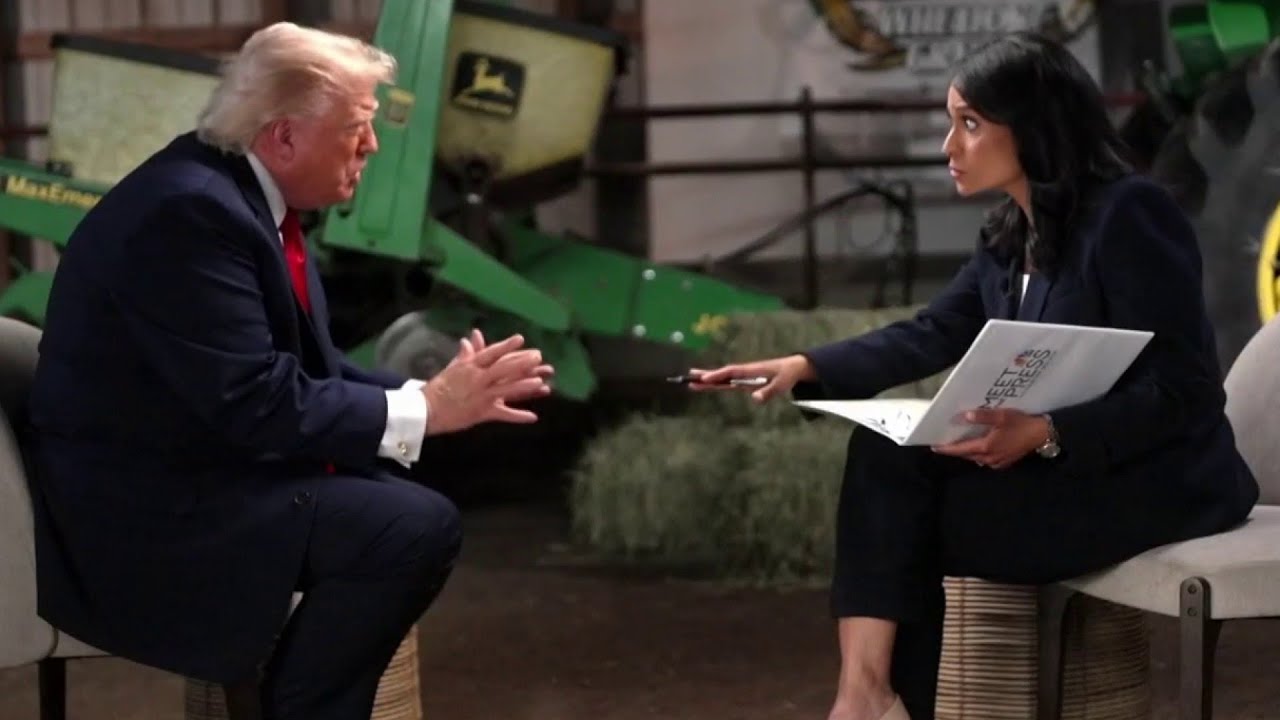
President Donald Trump, who had been present at the event, was safely evacuated along with other high-profile attendees. In subsequent remarks, he praised the rapid response of law enforcement and emphasized the resilience of democratic institutions in the face of such attacks. The annual dinner, a longstanding celebration of the principles of free expression and a key fundraising event for journalistic scholarships, has since been postponed, with plans to reschedule within 30 days.
As the investigation continues, authorities are working to piece together a comprehensive understanding of the factors that led to this act of violence. The manifesto, while providing a detailed account of Allen’s intentions and beliefs, represents only one component of a broader inquiry into his influences, associations, and mental state.
The revelations reported by The New York Post have intensified public debate over issues ranging from political rhetoric and ideological extremism to the adequacy of security measures at major events. They also underscore the enduring challenge of identifying and mitigating threats posed by individuals who operate outside organized networks, often referred to as lone actors.
In the final analysis, the events of that Saturday evening serve as a stark reminder of the vulnerabilities that persist even in the most carefully managed environments. They highlight the need for continued vigilance, robust security protocols, and a deeper understanding of the pathways that can lead individuals from grievance to violence.
The story of Cole Allen is not merely one of an isolated incident but of a convergence of personal turmoil, ideological fervor, and systemic gaps that, taken together, resulted in a moment of profound disruption. As the nation reflects on the implications of this attack, the imperative to address these underlying issues with clarity and resolve has never been more evident.