




























|
Getting your Trinity Audio player ready...
|
By: Gino Carabello
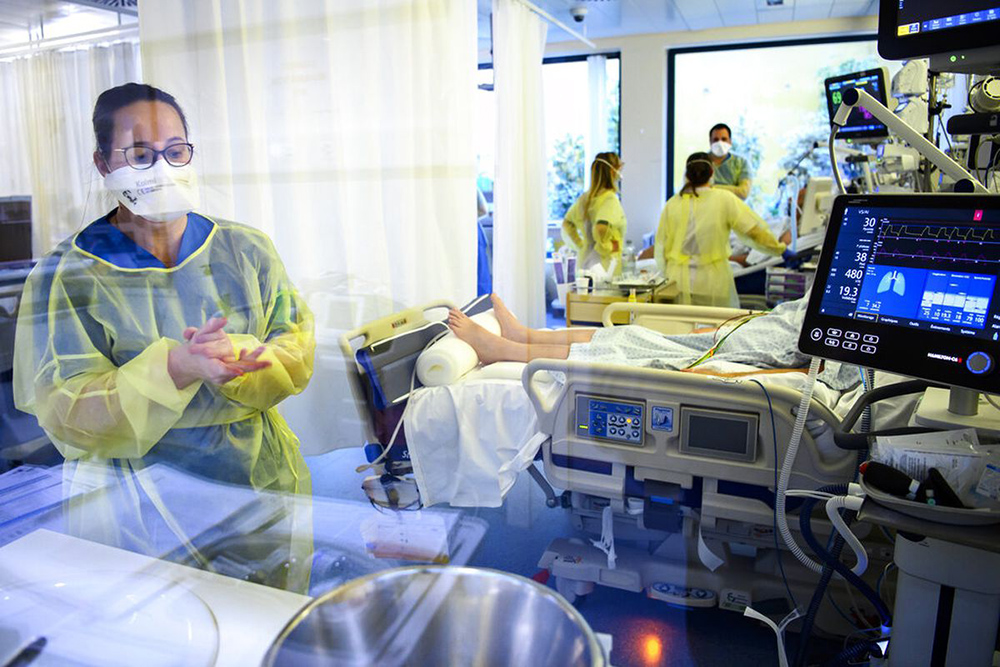
The New York Times has done a hard-hitting report of what the Omicron surge looks like in New York City hospitals. According to The New York Times, “More than 15,000 people with Covid-19 have been hospitalized in the city in the past four weeks, the most since the initial surge. About half of all patients in the city’s hospitals now have Covid-19. And there are simply not enough nurses to care for them all. Across New York, hospitals generally employ fewer nurses than they did at the start of the pandemic, according to the New York State Nurses Association, a union.”
The most shocking admission is buried deep within the expose by the NY Times. According to the reporting, roughly more than half the COVID patients are unvaccinated. This admission blows a giant hole in the narrative that the pandemic is only affecting mainly the unvaccinated, and the vaccinated are only having minor symptoms from COVID. We have been repeatedly told over the last year, that the unvaccinated are flooding the hospitals and using all the resources. The Times claims only roughly “more than half are unvaccinated”, meaning there are far more vaccinated COVID victims in hospitals than the media has repeated endlessly. The narrative has been 90% of hospitalizations are unvaccinated.
The New York Times reports, “like many hospitals in New York City, the Brooklyn Hospital Center is straining under the biggest surge of Covid-19 patients since spring 2020, when ambulance sirens filled the air and more than 20,000 New York City residents died.” Joseph Goldstein of The New York Times writes that, “In the pandemic’s early days, doctors and nurses looked out on emergency rooms filled with patients who were desperate for oxygen.
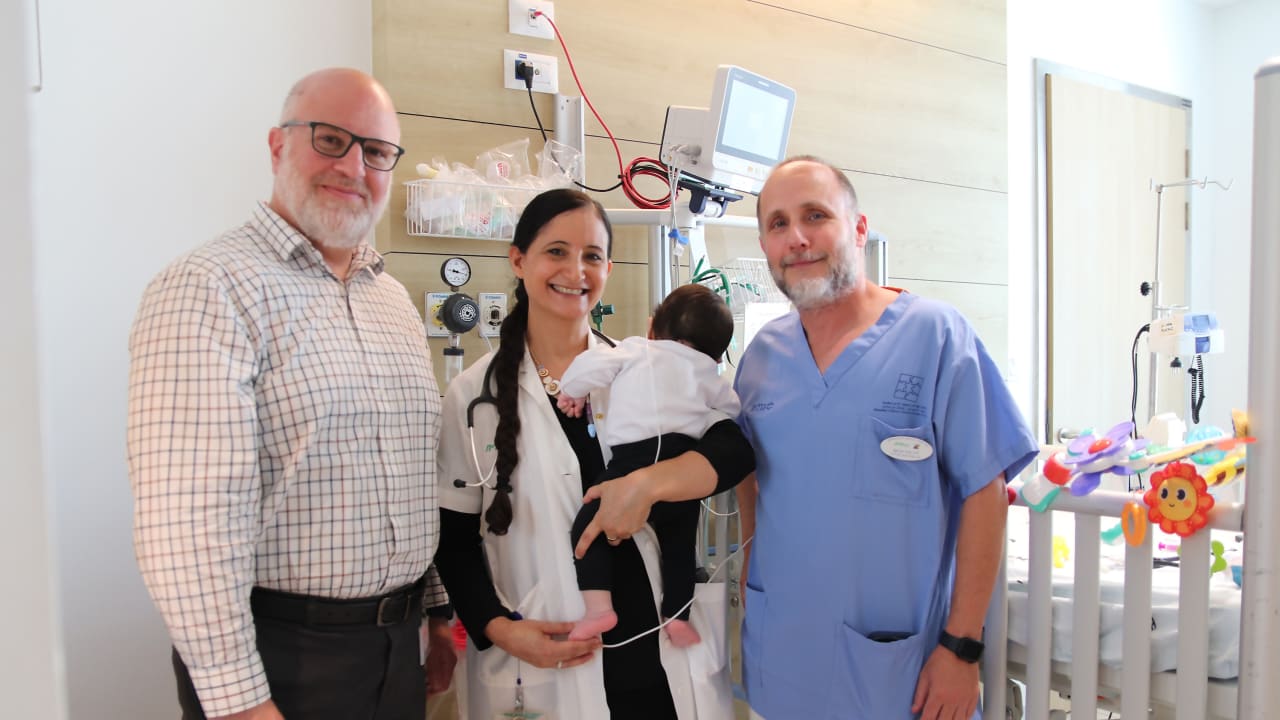
Today, Covid-19 patients’ symptoms are generally milder — stomach aches, fainting, dizziness, nausea, some shortness of breath — and far fewer people are dying.” When Goldstein spoke with staff at The Brooklyn Hospital Center, he reported, “Dr. Sylvie de Souza, who runs the Brooklyn Hospital Center’s emergency room, said she had enough doctors but had never had so few nurses. Some days, she only had three-quarters of the nurses she needed. On Wednesday, it was closer to half. “During the first wave we were able-bodied,” she said. “But now we’re exhausted, and many are ill.”
Goldstein writes, “The Brooklyn Hospital Center took in wounded soldiers during the Civil War, and treated workers suffering from the bends during the construction of “Bridge No. 3,” known now as the Manhattan Bridge. Standing next to Fort Greene Park, its higher elevation was once said to hasten patient recoveries. Dr. Anthony Fauci was born here.”
Goldstein describes the hospital as, “As other community hospitals merged with larger systems, the Brooklyn Hospital Center remained independent, its finances precarious at times. Most of its patients are Black. More than twice as many rely on Medicaid as on commercial insurance. During the pandemic’s first wave, the hospital attracted national attention after a series of articles in The New York Times and a video posted online that showed a forklift placing a body into a makeshift morgue outside.”



