















|
Getting your Trinity Audio player ready...
|
By: Andrew Carlson
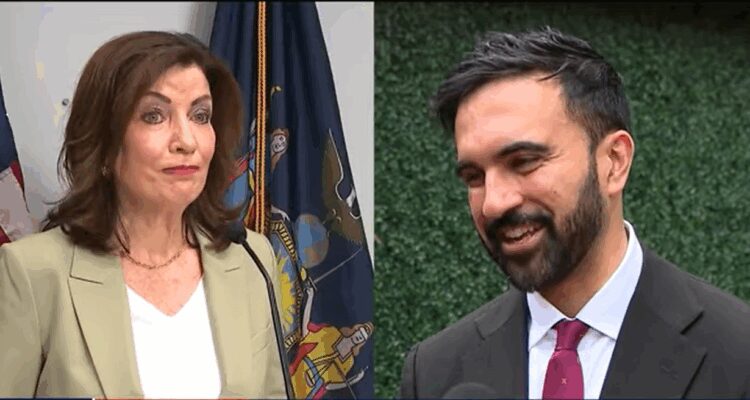
In the latest clash between Albany and Washington, Governor Kathy Hochul revealed on Tuesday that she personally phoned President Donald J. Trump over the weekend to dissuade him from deploying the National Guard to New York City, a move the president has repeatedly floated as part of his nationwide crime crackdown.
The conversation, as described by Hochul at a Harlem event, was cordial but underscored the widening gulf between Trump’s sweeping law-and-order strategy and New York’s claims of self-sufficiency. According to a report on Tuesday in The New York Post, Hochul recounted her “very gracious” attempt to convince the president that the Empire State had matters under control.
“I just said, ‘I’ll tell you what, Mr. President, if I think I need help from the National Guard on the stuff I’m already doing I know where to find them,’” Hochul told reporters, emphasizing her argument that crime in New York has fallen to record lows under her administration.
The exchange comes on the heels of Trump’s deployment of the National Guard to Washington, D.C., a dramatic show of force that his critics labeled authoritarian but which he has repeatedly defended as necessary to counter what he has called “rampant lawlessness” in the nation’s capital.
As The New York Post report highlighted, the president has made clear that Chicago is “next on the list,” with New York City not far behind. “I think Chicago will be our next [stop] and then we’ll help with New York,” Trump said last week, referencing both cities’ reputations for violent crime.
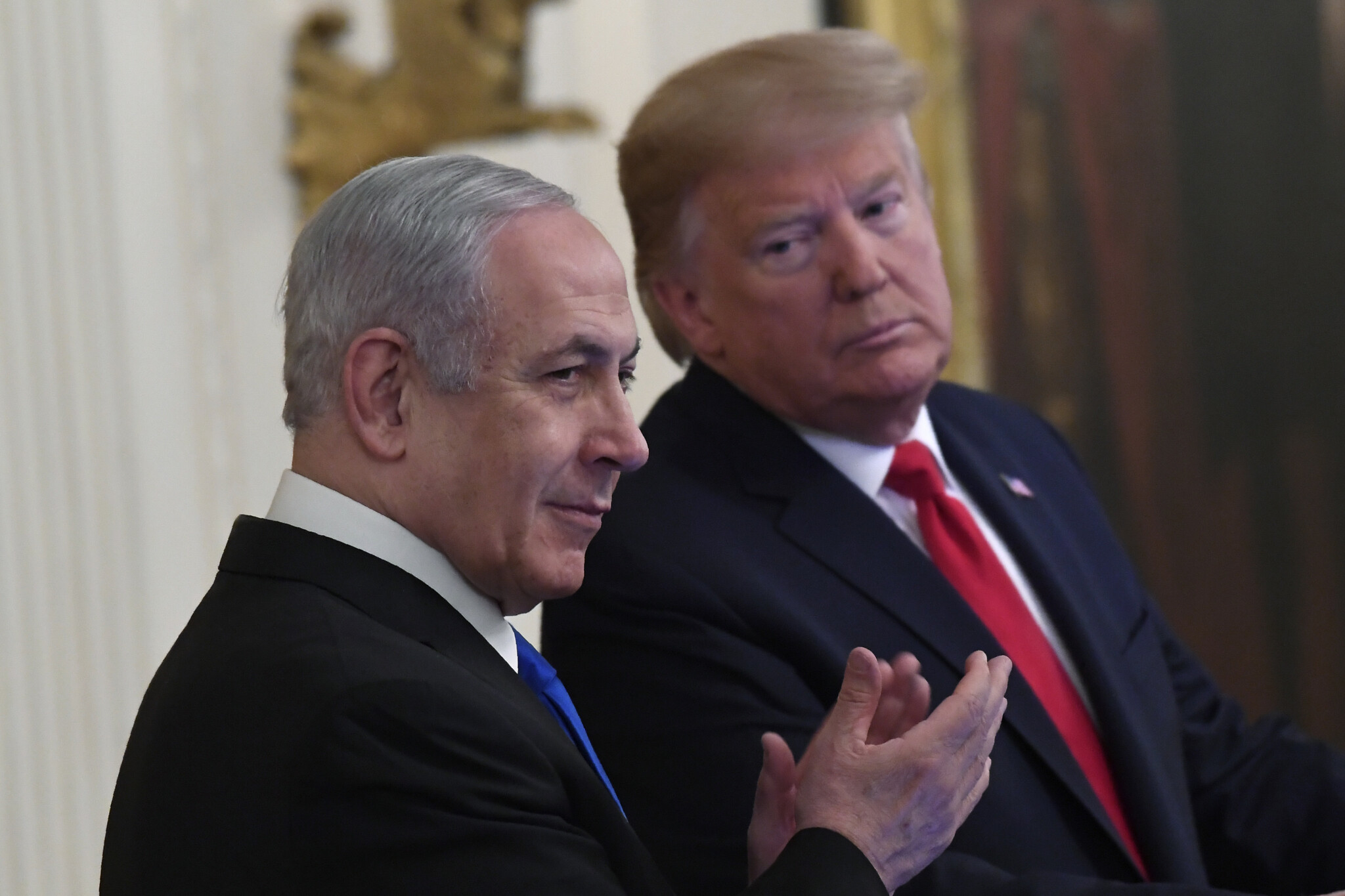
When asked about Hochul’s remarks, Trump struck a conciliatory tone, telling The New York Post: “I’d love to do it, if she’d like. I get along with Kathy. I want to make this like, friendly.”
In her Harlem appearance, Hochul leaned heavily on statistics to rebut the president’s assertions. Citing the latest NYPD data, she stressed that shootings have plunged to “all-time lows” this year, with nearly all major felonies down approximately 5% compared to 2024.
“Our policies are working. NYPD is doing their job,” she insisted, according to the report in The New York Post. Hochul framed her position not as a rejection of security measures outright — she herself controversially deployed 1,000 state National Guard troops into the city’s subway system earlier this year — but as a defense of local autonomy. “We’re already using the Guard in targeted ways,” she said. “We don’t need Washington dictating from afar.”
The dispute also touched on one of Trump’s most consistent targets: New York’s controversial 2019 bail reforms, which effectively eliminated cash bail for misdemeanors and non-violent felonies. In his remarks, Trump again derided the policy as a “tragedy,” claiming it had emboldened criminals and endangered public safety.
“Cashless bail was a disaster,” the president told The New York Post, insisting that New York had “led the misguided charge.”
Hochul pushed back sharply, asserting that Trump fundamentally misunderstands New York’s criminal code. “We don’t have cashless bail in New York,” she said. “Murder, rape, robbery and other grievous felonies remain bail eligible. The president is flat out wrong.”
She accused Trump of exploiting the issue for political gain, telling reporters, “He’s just trying to throw gasoline on a fire… He’s going after blue states, Democratic states, states with Democratic governors. It’s part of a larger strategy to create chaos.”
New York City Mayor Eric Adams, who has faced his own political firestorms over crime and policing, echoed Hochul’s resistance to federal troops. “We got this,” Adams said on Bloomberg’s Businessweek Daily, offering instead to share New York’s methods with other municipalities. “If the federal government wants to communicate with us and ask us to go to other municipalities and help them see what we’re doing, we’re willing to do that.”
Adams’s remarks, noted in The New York Post report, sought to project confidence in the NYPD’s ability to manage the city’s streets, while subtly drawing a contrast with Chicago, where crime rates remain alarmingly high.
The confrontation between Trump and Hochul carries significant political weight. For Trump, who has made urban crime a centerpiece of his re-election campaign, the prospect of deploying the Guard to Democratic strongholds like Chicago and New York plays directly to his base’s concerns about public order.
For Hochul, up for re-election next year, the stakes are equally high. She must navigate between projecting toughness on crime — as seen in her subway Guard deployment — and defending New York’s autonomy against what Democrats have called federal overreach.
Her Harlem comments reflect this delicate balance: respectful toward Trump personally, but firm in rejecting his premise. “I had that conversation, I said, ‘Mr. President, I can give you all the data to show that crime is down,’” Hochul recounted.
While NYPD figures confirm a modest decline in crime, the perception of danger remains a potent political issue. Headlines about subway assaults, brazen robberies, and repeat offenders released under bail reform continue to animate public debate.
As The New York Post has repeatedly documented, the tension between statistical improvement and lived experience fuels skepticism among New Yorkers who feel unsafe despite official reassurances. One tabloid column last week bluntly argued: “Tell that to the victims.”
It is this disconnect — between Hochul’s reliance on numbers and Trump’s appeal to fear and imagery — that defines the current standoff.
The governor’s phone call to the president was both a defensive maneuver and a preemptive strike, aimed at ensuring New York retains control of its own security policies. Trump, for his part, has left the door open to intervention, framing himself as willing but deferential — “I’d love to do it, if she’d like.”
As The New York Post report observed, the confrontation is emblematic of a broader struggle between local governance and federal assertiveness, with New York City once again serving as the stage for a national debate.
The outcome may hinge less on crime statistics than on public sentiment — whether New Yorkers believe their leaders are keeping them safe, or whether Trump’s warnings of “lawless cities” resonate more deeply.



