










|
Getting your Trinity Audio player ready...
|
By: Fern Sidman
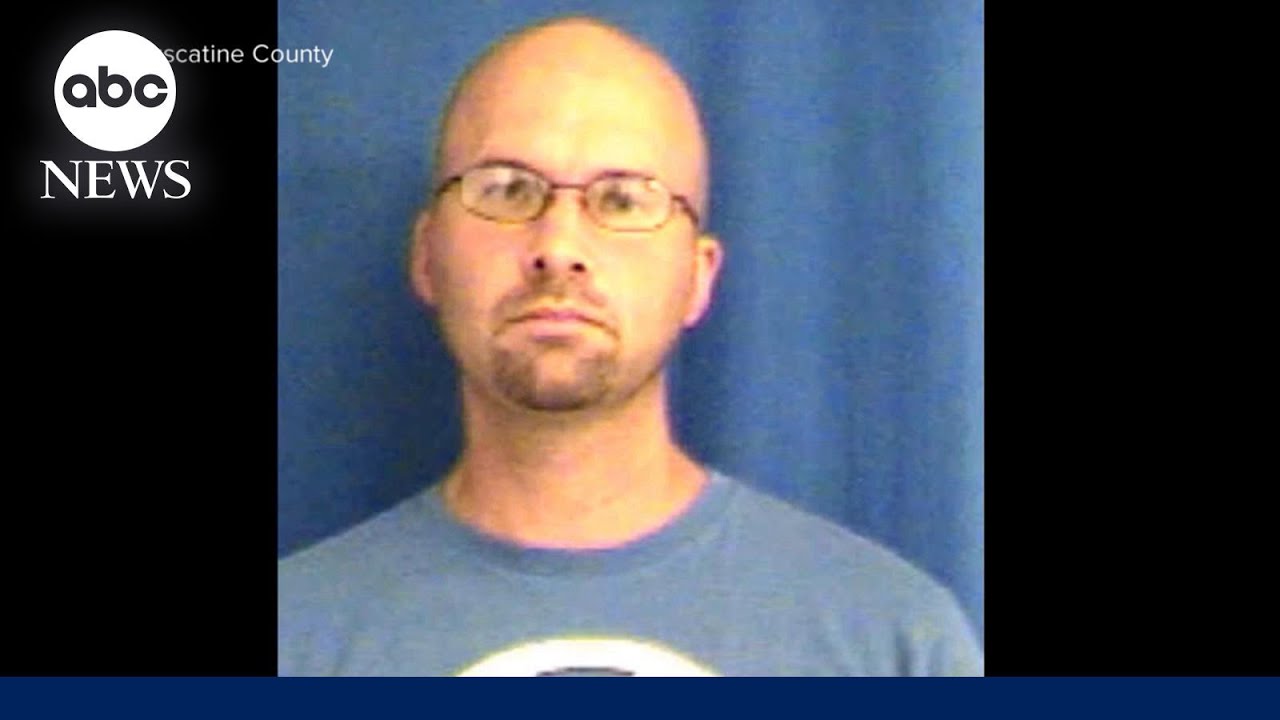
In the aftermath of the alarming shooting at the White House Correspondents’ Association Dinner on Saturday evening, a new and contentious dimension of the national conversation has emerged—one that extends far beyond the immediate security breach and into the fraught terrain of political discourse. As detailed in a report on Sunday in The New York Post, critics are increasingly focusing not only on the actions of the alleged assailant, Cole Allen, but also on the rhetoric employed by prominent political figures in the years and months leading up to the incident.
This unfolding debate has placed Democratic lawmakers in the spotlight, as their public condemnations of political violence are being juxtaposed with prior statements that opponents argue contributed to an atmosphere of heightened hostility. The resulting tension has ignited a broader national reckoning over the role of language in shaping political behavior and the extent to which inflammatory rhetoric may influence acts of violence.
The shooting itself, which disrupted one of Washington’s most prestigious annual events, sent shockwaves through the political and media establishment. According to the information provided in The New York Post report, the accused gunman, Cole Allen, age 31, entered the Washington Hilton Hotel in downtown Washington armed and allegedly intent on targeting President Donald Trump and members of his administration. The rapid response of law enforcement prevented a far more catastrophic outcome, but the incident nonetheless underscored the persistent threat of political violence in the United States.
In the immediate aftermath, elected officials across the political spectrum issued statements condemning the attack. Expressions of relief that the President and other attendees were unharmed were coupled with declarations that violence has no place in American civic life. These responses, while broadly consistent in tone, have since been subjected to intense scrutiny.
If you’re wondering why 3 attempts on President Trump’s life, that we know of, have happened, it’s because of people like Tim Walz who keep saying:
“No one has ever been more dangerous to this country than Donald Trump, and he is a fascist to his core!” pic.twitter.com/4QAy7vzvcJ
— Based Bandita (@BasedBandita) April 26, 2026
Critics, as cited by The New York Post, have drawn attention to a dissonance between the denunciations issued after the attack and earlier remarks made by some of the same officials. This critique has been amplified by research circulated by partisan organizations, which have compiled past statements to argue that certain political figures have contributed to an environment of escalating hostility.
Among those highlighted is Senator Elissa Slotkin of Michigan. In her response to the shooting, she expressed gratitude for the safety of those present and reaffirmed that political violence is unacceptable. However, critics pointed to previous comments in which she described President Trump as an “existential threat to democracy,” arguing that such language may intensify political divisions and foster animosity.
Similarly, former vice presidential candidate and Minnesota governor Tim Walz issued a statement lamenting the prevalence of political violence. Yet his past rhetoric, which included comparisons between Trump and authoritarian regimes, has been cited by detractors as emblematic of a broader pattern of alarmist discourse.
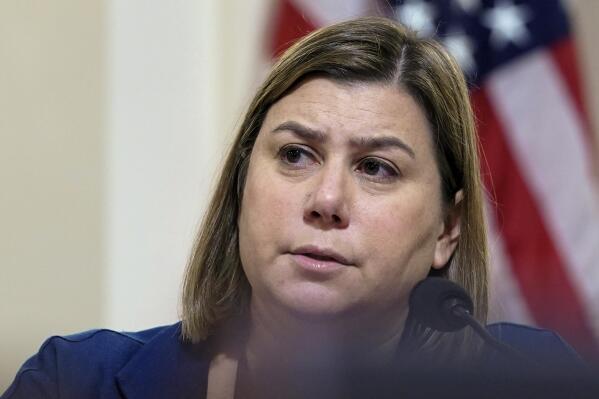
The New York Post reported that these contradictions have become a focal point for those who believe that political leaders must be held accountable not only for their responses to violence but also for the language they use in shaping public perception.
The reaction of Senate Minority Leader Chuck Schumer further illustrates the complexities of this debate. His statement following the incident emphasized gratitude for law enforcement efforts and ongoing monitoring of the situation. However, critics noted the absence of a direct condemnation of the assailant’s ideological motivations, interpreting this omission as indicative of a cautious or incomplete response.
House Minority Leader Hakeem Jeffries also issued a statement condemning violence and calling for an end to chaos. Yet, as highlighted in The New York Post report, remarks he made just days earlier—advocating for “maximum warfare” against political opponents—have been cited as evidence of the increasingly combative tone that characterizes contemporary political discourse.
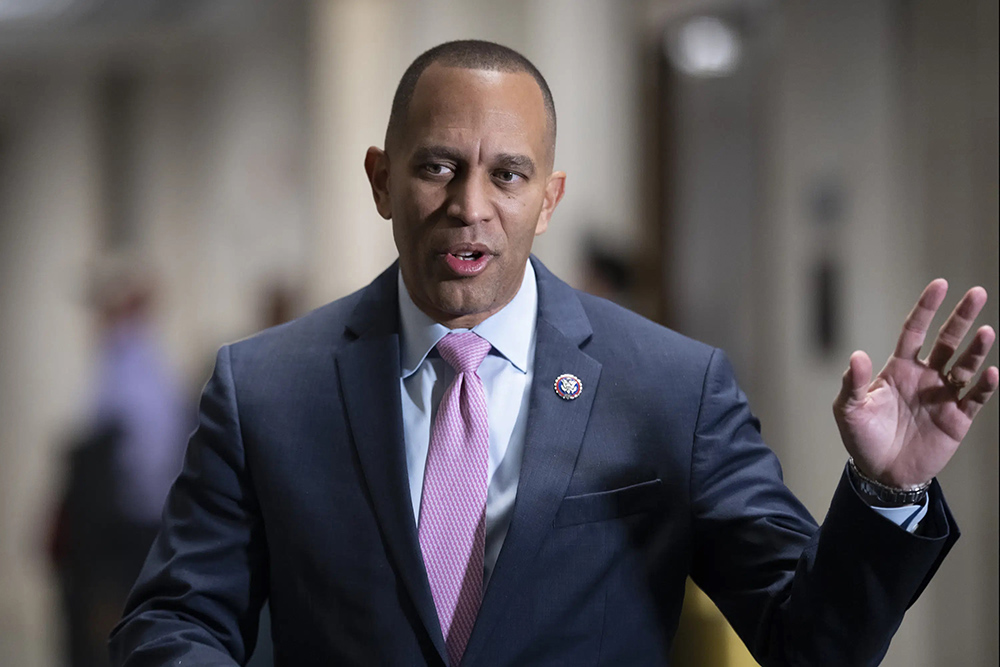
These examples underscore a central tension: the challenge of reconciling the imperative to oppose violence unequivocally with the realities of a political environment in which forceful and often incendiary language has become commonplace.
The concerns raised in the wake of the April 25 incident are not without precedent. Following the assassination attempt against President Trump in Butler, Pennsylvania on July 13, 2024, then-President Joe Biden issued a call to “lower the temperature” of American politics. That appeal, widely reported at the time, reflected a recognition of the dangers posed by escalating rhetoric.
However, as The New York Post and other outlets have observed, the persistence of inflammatory language suggests that such calls have had limited impact. Instead, the intervening period has been marked by continued polarization, with both sides of the political spectrum employing increasingly stark and confrontational language.
The recurrence of assassination attempts during this period has intensified concerns about the potential consequences of this trend. While there is no direct evidence linking specific statements to acts of violence, the broader environment in which such acts occur has become a subject of urgent inquiry.
Experts in political behavior and security studies have long emphasized the complex interplay between rhetoric and action. While individual perpetrators often act independently, their motivations may be shaped by a confluence of factors, including personal grievances, ideological beliefs, and exposure to polarizing narratives.
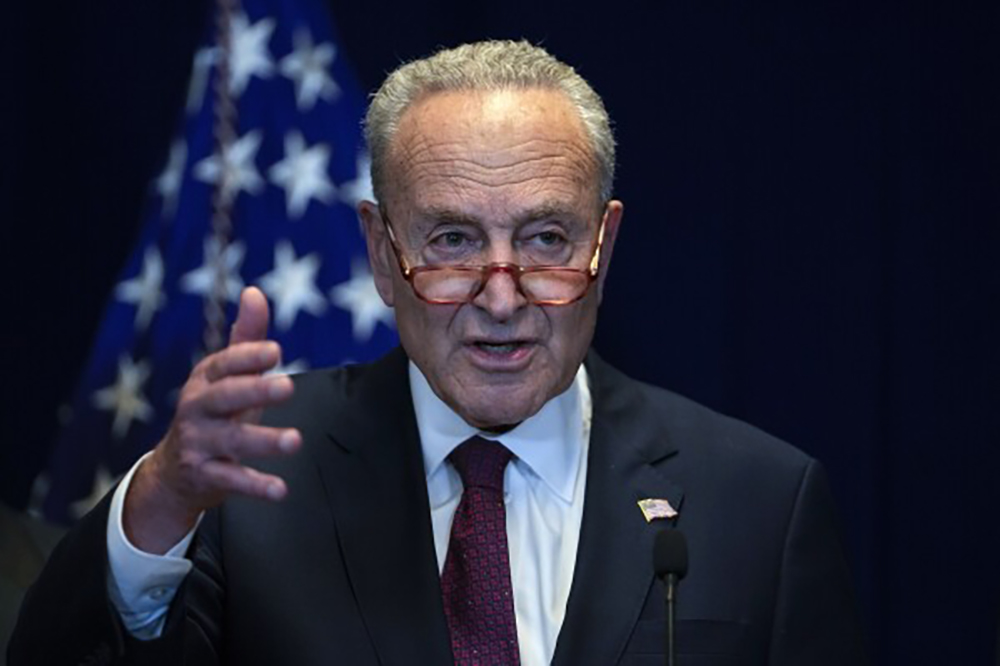
The New York Post has reported that critics view certain forms of political language—particularly those that frame opponents as existential threats or invoke extreme historical comparisons—as contributing to a climate in which violence becomes more conceivable. Such language, they argue, may dehumanize adversaries and lower the threshold for justifying extreme actions.
At the same time, defenders of robust political expression caution against conflating rhetoric with responsibility for violence. They argue that vigorous debate is a fundamental component of democratic governance and that efforts to constrain speech risk undermining core constitutional principles.
When Democrats threaten your life, believe them. pic.twitter.com/GS30npfi8O
— James Woods (@RealJamesWoods) September 10, 2025
The debate sparked by the White House Correspondents’ Dinner shooting reflects a broader moment of introspection within American society. As The New York Post report emphasized, the incident has become a catalyst for examining not only security protocols but also the underlying dynamics of political communication.
The question at the heart of this discussion is both simple and profound: how can a democratic society preserve the vitality of its political discourse while mitigating the risks associated with increasingly hostile language?
For many observers, the answer lies in a renewed commitment to civility and restraint. This does not entail abandoning strong opinions or vigorous debate but rather recognizing the potential impact of words in shaping perceptions and behaviors.
Where they learned this from!
Democrats ARE the Party of Hate and of Inciting Violence. pic.twitter.com/ONhiBT5KgV
— Donna Marie (@sabback) September 10, 2025
In practical terms, the aftermath of the April 25 incident is likely to yield both immediate and long-term changes. Enhanced security measures at high-profile events are almost certain, as authorities seek to address the vulnerabilities exposed by the attack. At the same time, political leaders may face growing pressure to moderate their rhetoric and to model a more measured approach to public discourse.
The New York Post report suggested that this moment represents an opportunity for reflection and recalibration. Whether that opportunity will be seized remains an open question, dependent on the willingness of political actors to prioritize collective stability over partisan advantage.
As the nation continues to process the implications of the White House Correspondents’ Dinner shooting, the interplay between rhetoric and violence will remain a central concern. The events of April 25, 2026, have underscored the fragility of the boundary between political expression and physical action, highlighting the need for vigilance at every level of society.
Ultimately, the responsibility for maintaining that boundary rests not only with law enforcement and security agencies but also with those who shape the public conversation. As The New York Post has documented, the scrutiny now directed at political rhetoric reflects a broader recognition that words, while intangible, possess the power to influence the course of events in profound and unpredictable ways.
In this context, the challenge facing American democracy is not merely to respond to acts of violence but to address the conditions that make such acts possible. It is a challenge that demands both courage and restraint, and one that will define the character of the nation in the years to come.



