

















|
Getting your Trinity Audio player ready...
|
Report: Iran Puts Forward New Hormuz-Centered Proposal to the United States
By: Fern Sidman
In a dramatic and consequential development within one of the most volatile geopolitical confrontations of recent years, Iran has transmitted a revised diplomatic proposal to the United States through intermediaries in Pakistan, signaling a calculated attempt to recalibrate negotiations that have thus far remained mired in stalemate. According to a detailed report on Sunday by Axios, the proposal reflects a deliberate effort by Tehran to reorder the hierarchy of issues under discussion—placing immediate emphasis on maritime security and de-escalation while deferring the far more contentious question of its nuclear program to a later phase.
This strategic maneuver, emerging at a moment of acute regional tension, has intensified deliberations within Washington and raised profound questions about leverage, sequencing, and the broader architecture of any potential agreement between the two adversaries.
At the core of Iran’s revised framework lies a significant departure from the traditional structure of negotiations. Rather than confronting nuclear issues at the outset, Tehran is proposing that discussions first focus on the reopening of the Strait of Hormuz and the cessation of hostilities currently defining the conflict. Only after these objectives are achieved would negotiations pivot toward the nuclear file.
Axios reported that this approach has been communicated through Pakistani intermediaries, who have assumed a central role in facilitating dialogue between the parties. The involvement of Pakistan, alongside other regional actors including Egypt, Turkey, and Qatar, underscores the complexity and multilateral nature of the diplomatic effort.
The proposal is widely interpreted as an attempt to break the current impasse while simultaneously addressing internal divisions within Iran’s leadership. According to sources cited by Axios, there is no unified consensus within Tehran regarding the extent of nuclear concessions that should be offered in exchange for sanctions relief or a broader agreement with the administration of Donald Trump.
The fragmentation within Iran’s leadership appears to be a critical factor shaping its negotiating posture. The Axios report noted that Iranian Foreign Minister Abbas Araghchi conveyed to mediators that competing factions within the government remain deeply divided over the question of uranium enrichment and the potential removal of enriched material from the country.
These divisions have created a scenario in which Tehran is seeking a diplomatic pathway that avoids immediate confrontation over its nuclear program while still securing tangible benefits—most notably the lifting of the United States naval blockade and the reopening of vital shipping lanes.
By prioritizing the Strait of Hormuz, Iran aims to achieve a dual objective: alleviating economic pressure and creating a more favorable environment for subsequent negotiations. However, this sequencing has generated significant concern within Washington.
United States officials, as reported by Axios, have expressed apprehension that addressing the Hormuz issue first could undermine Washington’s negotiating position. The blockade of the Strait of Hormuz represents one of the most powerful tools at the disposal of the United States, exerting considerable economic and strategic pressure on Iran.
Lifting this blockade without securing commitments on the nuclear front would, according to American officials, risk forfeiting critical leverage. Without such leverage, compelling Tehran to dismantle its enriched uranium stockpile or agree to a long-term cessation of enrichment activities would become significantly more challenging.
This concern lies at the heart of the current deliberations within the White House, where policymakers are grappling with the implications of Iran’s proposal and the broader trajectory of the conflict.
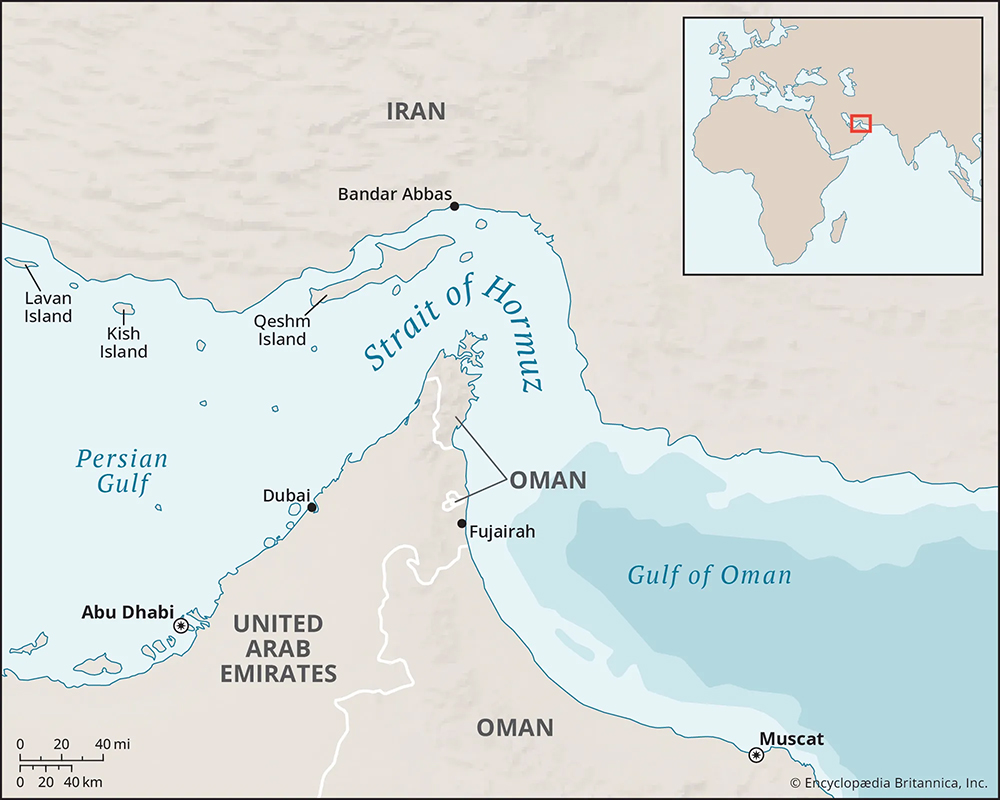
The Strait of Hormuz, a narrow maritime corridor through which a substantial portion of the world’s oil supply passes, has long been a focal point of geopolitical tension. Control over this strategic waterway confers significant influence over global energy markets, making it a critical element in the ongoing confrontation between Iran and the United States.
The Axios report highlighted that discussions in Muscat, Oman, following the Pakistan talks, have centered heavily on this issue. Araghchi’s engagement with regional mediators reflects the urgency of addressing the maritime dimension of the conflict, which carries implications not only for the immediate parties but for the global economy as a whole.
Iran’s insistence on prioritizing the reopening of the strait underscores its recognition of the economic and symbolic importance of this objective. At the same time, it presents a complex dilemma for Washington, which must weigh the benefits of de-escalation against the potential loss of strategic advantage.
The past several days have witnessed an intense flurry of diplomatic engagements, as Iranian officials have sought to build momentum behind their revised proposal. Following discussions in Pakistan, Araghchi traveled to Oman before returning to Islamabad for additional consultations. He is also expected to proceed to Moscow for meetings with Vladimir Putin, further underscoring the international dimension of the negotiations.
Axios reported that these movements reflect a concerted effort by Tehran to align regional and global actors around its proposed framework. By engaging multiple intermediaries, Iran appears to be attempting to create a coalition of support that could influence Washington’s response.
However, the effectiveness of this strategy remains uncertain, particularly given the skepticism expressed by United States officials.
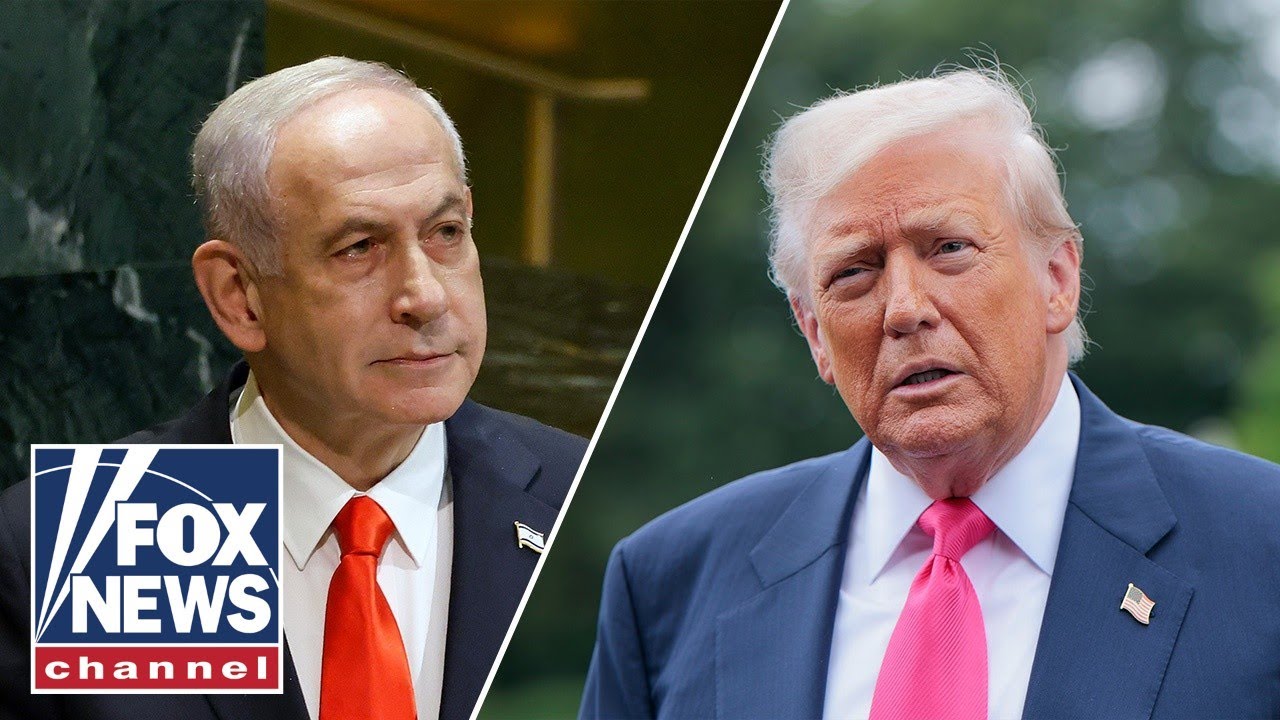
The administration of President Trump has responded to the proposal with a mixture of caution and assertiveness. A spokesperson for the White House, Olivia Wales, emphasized that the United States would not conduct negotiations through public channels and reiterated the administration’s commitment to securing an agreement that prevents Iran from obtaining a nuclear weapon.
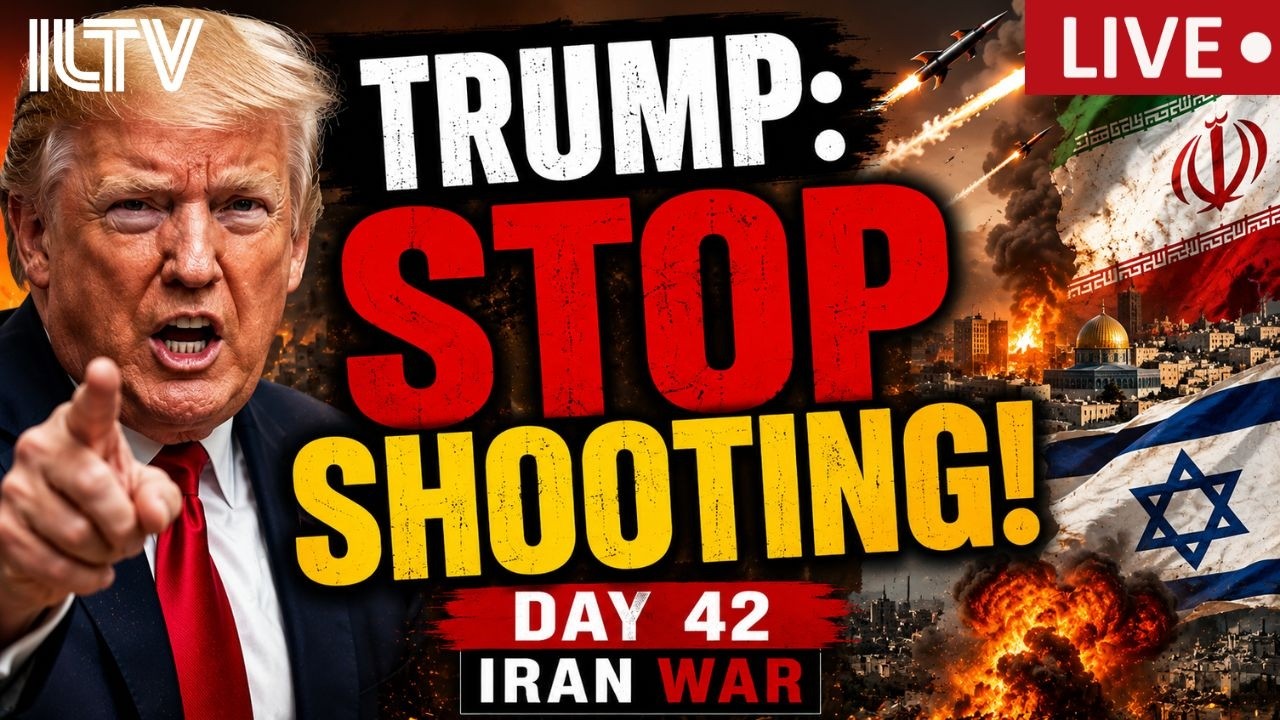
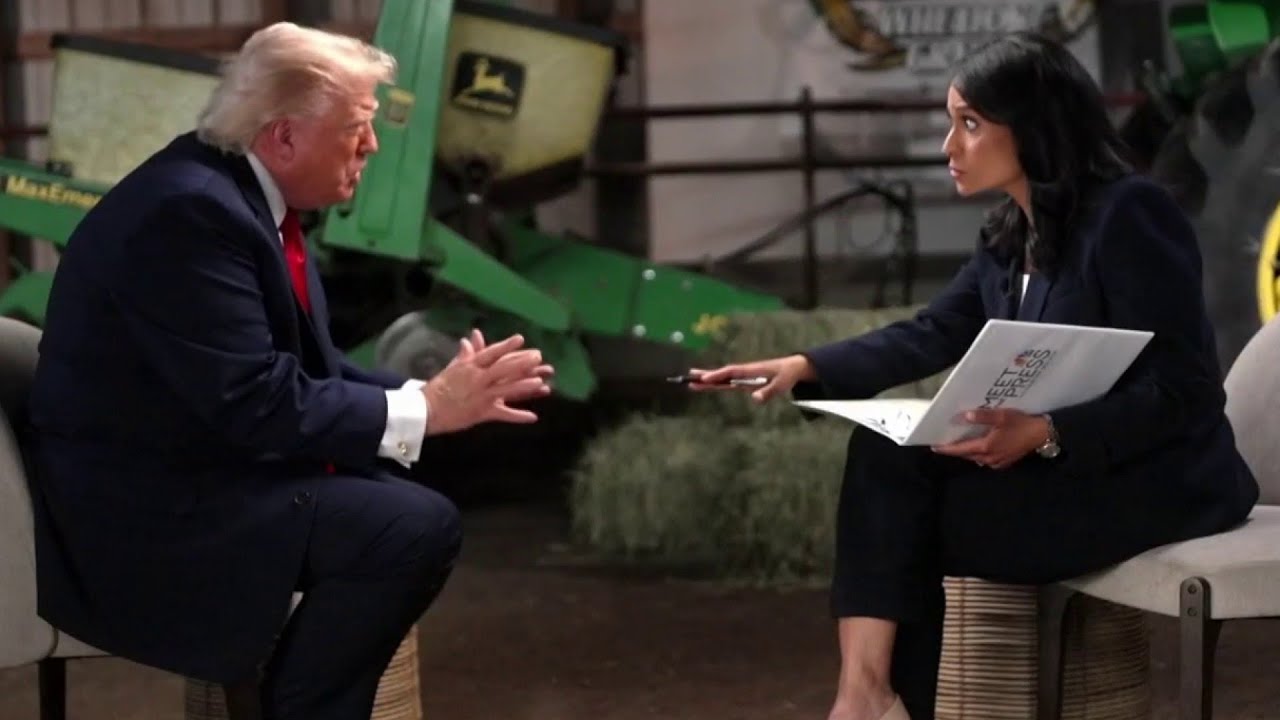
Axios reported that Trump himself has taken a firm stance, canceling planned talks in Islamabad and citing internal disarray within Iran’s leadership as a key factor. In a public statement, he asserted that the United States retains a dominant position in the negotiations, declaring that Washington “holds the cards.”
This posture reflects a broader strategy that combines diplomatic engagement with sustained pressure, including the continuation of the naval blockade and the implicit threat of military action.
In light of the evolving situation, President Trump is expected to convene a high-level meeting in the White House Situation Room. According to Axios, this gathering will bring together senior national security and foreign policy officials to assess the status of negotiations and consider potential next steps.
The meeting is anticipated to focus on several key questions: whether to engage with Iran’s revised proposal, how to maintain or enhance leverage, and what alternative strategies may be available should negotiations fail to progress.
The outcome of these deliberations could have far-reaching implications, not only for the immediate conflict but for the broader trajectory of United States policy toward Iran.
The phased approach proposed by Iran represents both an opportunity and a risk. On one hand, it offers a potential pathway to de-escalation, allowing both sides to achieve immediate objectives while deferring more contentious issues. On the other hand, it raises the possibility that critical questions—particularly those related to nuclear capabilities—could be postponed indefinitely.
The Axios report noted that this tension lies at the heart of the current impasse. While Iran seeks to create space for negotiation by addressing less contentious issues first, the United States remains focused on the central objective of preventing nuclear proliferation.
Reconciling these priorities will require a delicate balancing act, one that tests the diplomatic skill and strategic judgment of all parties involved.
The stakes of the current negotiations extend far beyond the immediate concerns of the United States and Iran. The Strait of Hormuz is a vital artery for global energy supplies, and any disruption to its operation carries significant economic consequences.
Moreover, the outcome of these talks will influence the broader geopolitical landscape, shaping relationships among regional powers and affecting the balance of influence among major global actors.
The Axios report underscored that the involvement of multiple intermediaries reflects the recognition that this is not merely a bilateral issue but a matter of international concern.
As the revised proposal circulates through diplomatic channels and deliberations intensify in Washington, the conflict between the United States and Iran stands at a critical juncture. The choices made in the coming days and weeks will determine whether the current deadlock can be broken or whether tensions will continue to escalate.
The reporting of Axios provides a detailed and nuanced account of the complexities involved, highlighting the interplay of internal divisions, strategic calculations, and international dynamics that define this moment.
In the final analysis, the question is not merely whether an agreement can be reached, but what form that agreement will take and whether it will address the fundamental issues at the heart of the conflict. The answer to that question will shape the future of the region—and perhaps the world—for years to come.