


















Air Defenses Activated in Kuwait, Bahrain & Jordan as Iran Retaliates for Three Waves of US Strikes
By: Fern Sidman
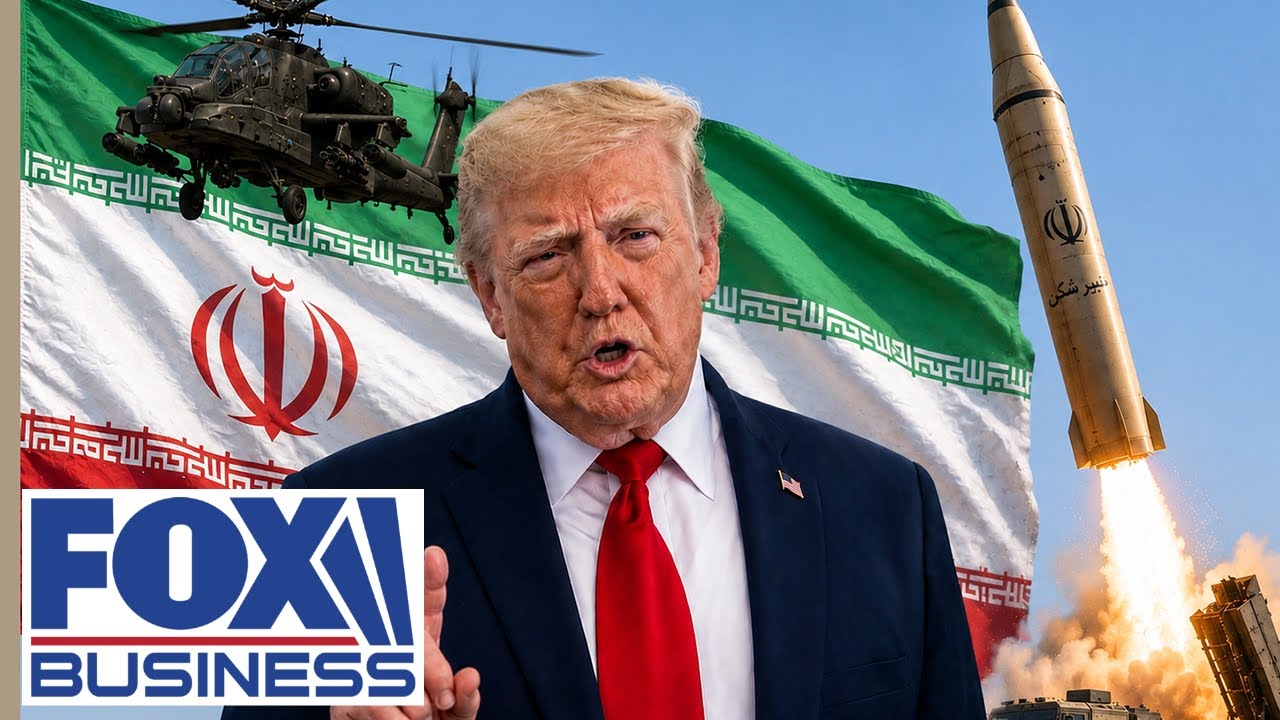
The United States dramatically escalated military pressure on Iran overnight Tuesday, launching multiple waves of precision strikes against strategic military targets near the Strait of Hormuz after Iranian forces allegedly shot down a U.S. Army Apache helicopter during patrol operations over one of the world’s most strategically vital waterways.
The operation, which represents one of the most significant direct American military actions against Iranian military infrastructure in recent months, targeted a network of air defense systems, surveillance installations, radar facilities, and command-and-control sites that U.S. officials said were directly linked to Iranian military activity in and around the Gulf region.
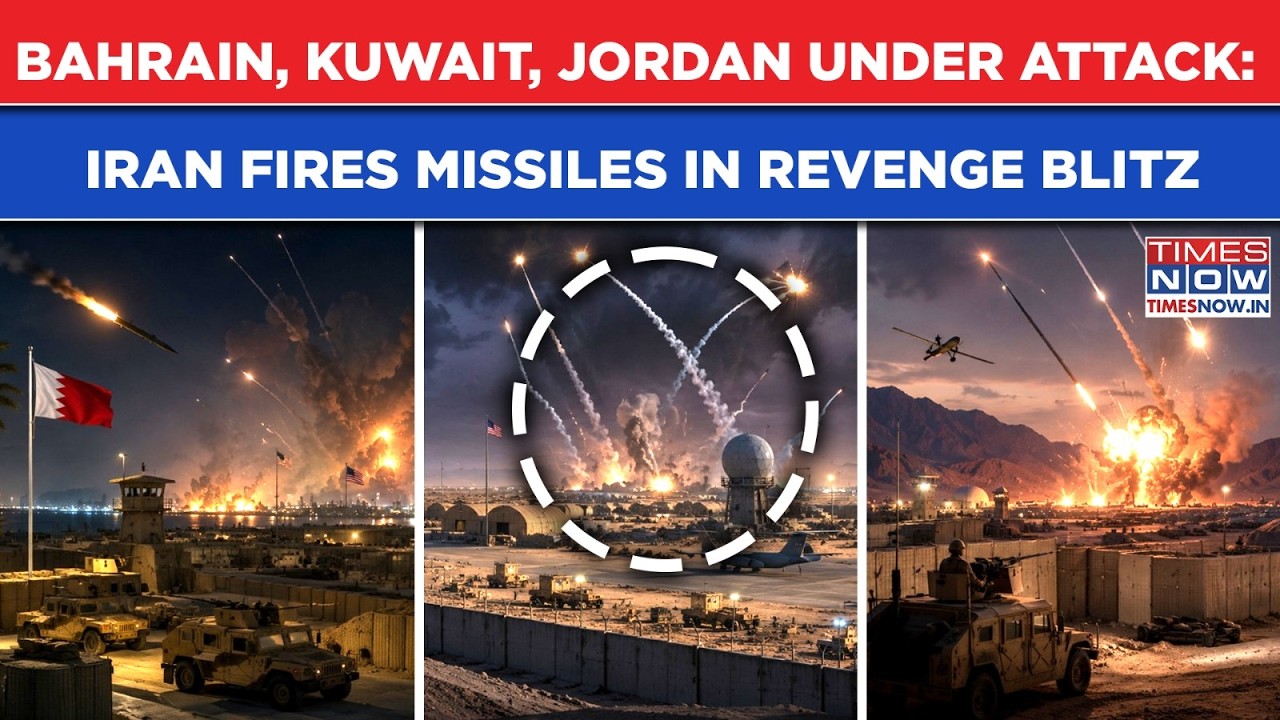
Reports indicate that air defenses were activated on Tuesday evening in Kuwait, Bahrain and Jordan as Iran was said to be conducting strikes targeting US bases, following the three rounds of CENTCOM strikes on Iranian targets.
According to a report on Tuesday night at Israel National News, the strikes were ordered following the downing of the American helicopter on Monday and were described by U.S. military officials as a measured but forceful response intended to reinforce deterrence and protect American personnel, allied interests, and international maritime commerce.
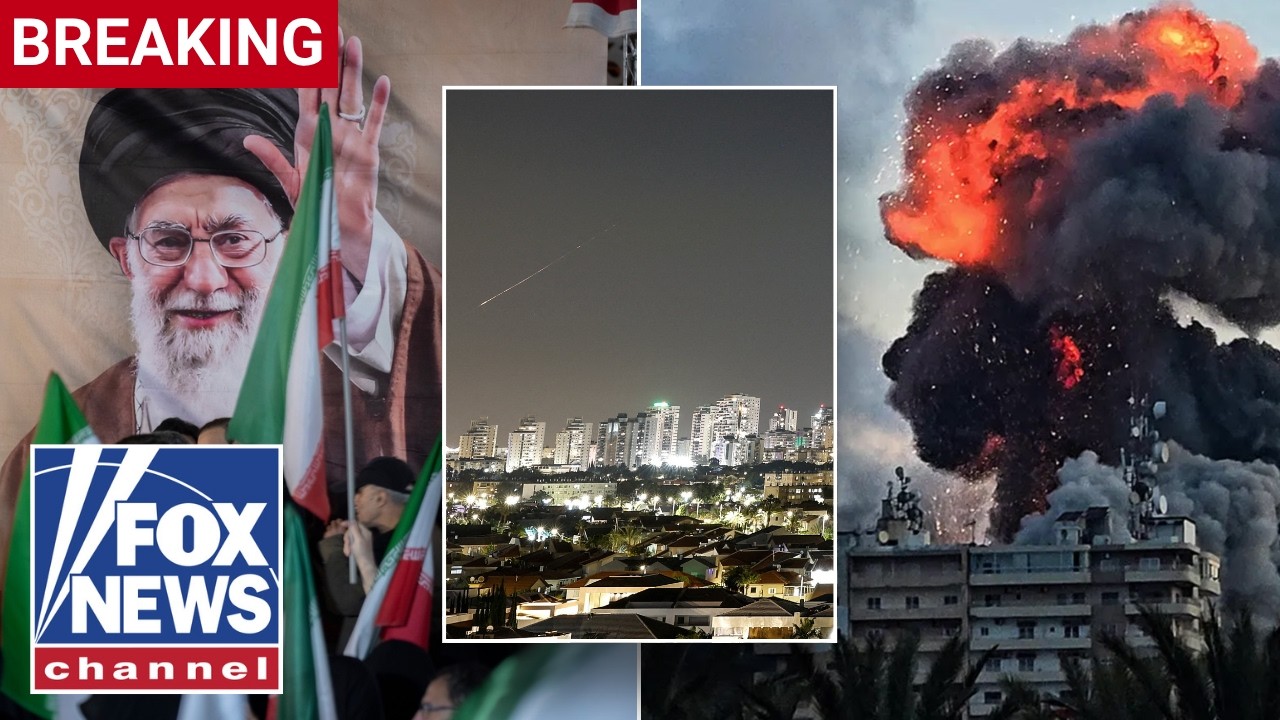
The military action unfolded amid already heightened tensions throughout the Middle East, where ongoing confrontations involving Iran, Israel, Hezbollah, and U.S. forces have raised fears of a broader regional conflict.
According to the Israel National News report, U.S. Central Command confirmed that American forces initiated a series of coordinated strikes directed against multiple Iranian military targets positioned near the Strait of Hormuz. CENTCOM stated that the operation involved precision-guided munitions delivered by both U.S. Air Force and U.S. Navy fighter aircraft.
Military officials indicated that the targets were carefully selected to degrade Iran’s ability to monitor, track, and potentially threaten military and civilian vessels operating in the region. In its official statement, CENTCOM characterized the operation as a direct response to recent attacks against American forces and commercial maritime traffic. “The operation was a proportional response to recent attacks on U.S. forces and international commercial ships transiting regional waters,” CENTCOM stated.
The military command further emphasized that American forces remain prepared to defend themselves and allied interests against future aggression. “U.S. forces remain vigilant and postured to defend against unjustified Iranian aggression,” the statement added.
Israel National News reported that CENTCOM had earlier confirmed the commencement of self-defense operations at the direction of President Trump. Military officials repeatedly described the action as defensive in nature, stressing that Washington’s objective was to reestablish deterrence and communicate that attacks against American military assets would not go unanswered.
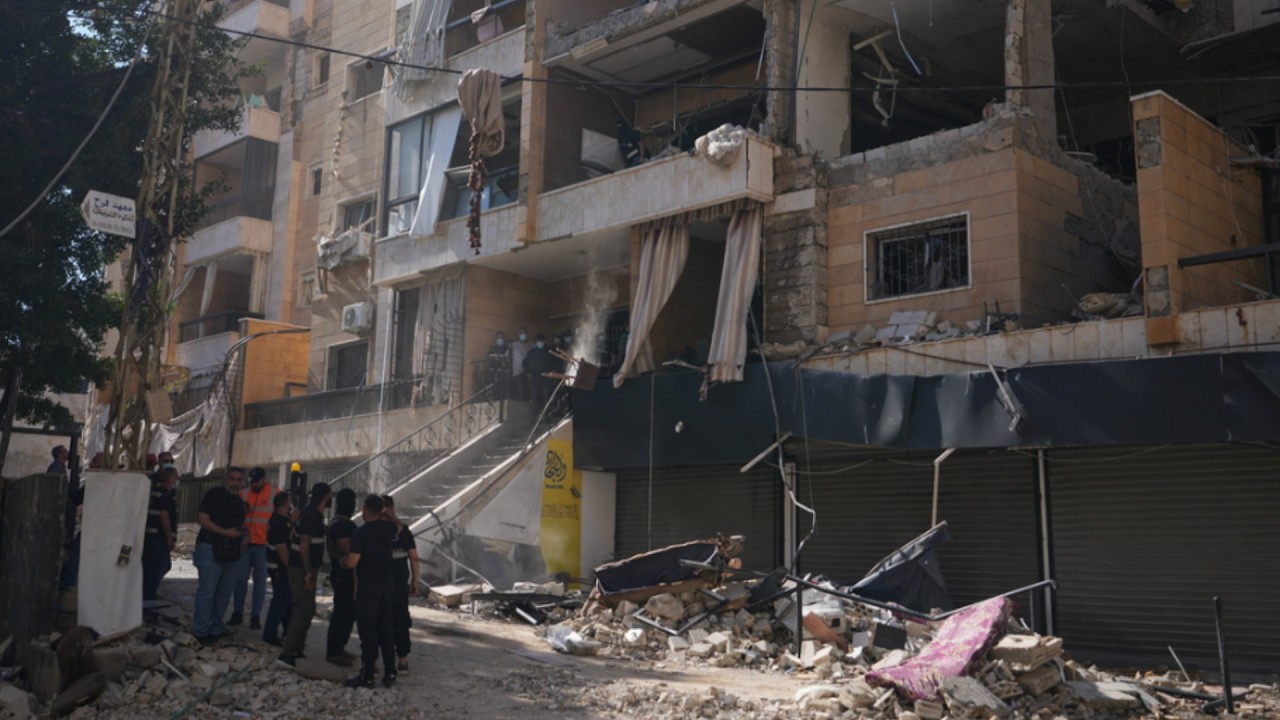
The strikes occurred shortly after reports emerged from Iranian media outlets describing multiple explosions in southern Iran. According to the information provided in the Israel National News report, at least four explosions were reported near Sirik Port in the Bandar Abbas region, an area long regarded as strategically important because of its proximity to the Strait of Hormuz.
Additional explosions were reportedly heard on Qeshm Island, another critical location situated near key maritime transit routes. The geographical concentration of the attacks suggested a deliberate effort by U.S. planners to focus on military assets associated with monitoring and controlling activity in the strait.
The Strait of Hormuz remains one of the most important maritime chokepoints in the world, carrying a significant percentage of global energy shipments and serving as a vital artery for international trade. Any threat to freedom of navigation in the region carries immediate implications for global energy markets, international commerce, and broader geopolitical stability.
As was reported by Israel National News, American military planners viewed the helicopter incident as part of a broader pattern of Iranian behavior designed to challenge U.S. and allied operations in the Gulf. The response from Tehran was swift and predictably defiant. Iran’s Islamic Revolutionary Guard Corps, through its Aerospace Force, condemned the American strikes and issued warnings regarding potential retaliation. According to the Israel National News report, the IRGC accused Washington of engaging in hostile actions and pledged what it described as a “heavy response.” The statement reflected the increasingly confrontational rhetoric that has characterized exchanges between Washington and Tehran throughout the latest crisis.
Hours later, the IRGC claimed it had already begun retaliatory action. According to reports carried by Iran’s Tasnim News Agency and cited in the Israel National News report, the Revolutionary Guards announced that they had launched a drone attack targeting the headquarters of the U.S. Navy’s Fifth Fleet in Bahrain.
The organization claimed that the operation occurred at approximately 2:30 a.m. local time. However, no immediate confirmation was provided by either American or Bahraini authorities. The absence of independent verification left questions regarding the extent, effectiveness, or even occurrence of the alleged attack.
Nevertheless, the claim itself underscored the potential for rapid escalation. The Fifth Fleet represents one of the most important American military commands in the Middle East and plays a central role in safeguarding maritime security throughout the Gulf region. Any attack directed against its facilities would represent a serious development with potentially far-reaching consequences.
The Israel National News report noted that a senior American official confirmed that the military operation remained active even after the initial waves of strikes. According to the official, several Iranian radar systems, air-defense platforms, and surveillance facilities were specifically targeted as part of a broader effort to degrade Tehran’s military capabilities near the Strait of Hormuz. The official indicated that the strikes were carefully calibrated to send a strategic message rather than initiate a larger war. That assessment was reinforced by comments from another U.S. official who spoke with CNN. Israel National News reported that the official emphasized that Washington viewed the operation primarily as a warning designed to reinforce deterrence.
Importantly, American officials reportedly do not believe the military response will derail ongoing diplomatic efforts aimed at ending the broader conflict. This dual-track strategy—combining military pressure with diplomatic engagement—has become a recurring feature of American policy toward Iran.
The White House has repeatedly sought to maintain leverage while avoiding a full-scale regional war.
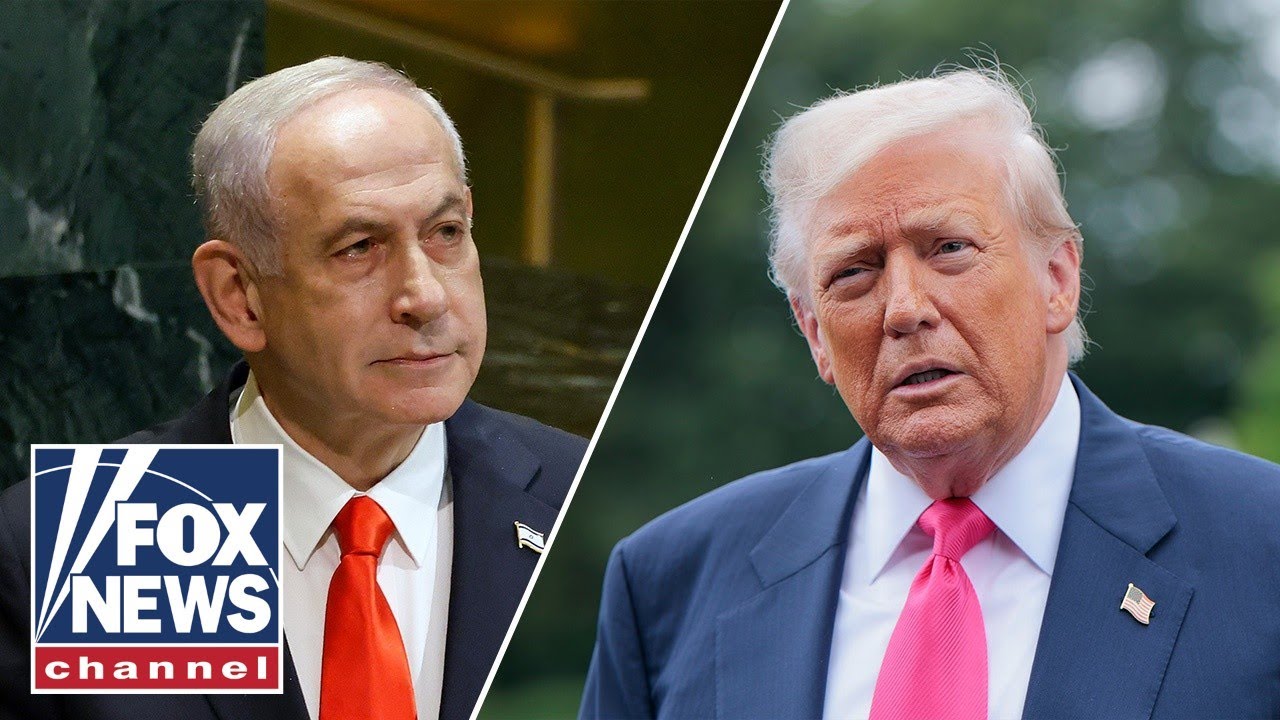
President Trump himself delivered a series of public remarks reflecting both determination and restraint. Earlier Tuesday, before the strikes commenced, Trump adopted a forceful tone regarding the helicopter incident. As was reported by Israel National News, the president revealed that he had been informed of the loss of the aircraft and immediately signaled that a response would follow. “I have just been informed by our Great Military that last night the Iranians shot down one of our highly sophisticated Apache Helicopters while patrolling over the Strait of Hormuz,” Trump wrote on Truth Social. The president emphasized that both pilots survived the incident. “There were two pilots involved, both are safe and uninjured,” he stated.
Nevertheless, Trump made clear that the attack could not be ignored. “Nevertheless, the United States must, of necessity, respond to this attack,” he added.
The comments reflected a longstanding principle of American military doctrine: attacks against U.S. personnel or military assets typically trigger some form of retaliatory response intended to preserve deterrence and signal resolve. Interestingly, Israel National News reported that Trump later adopted a somewhat more measured tone during a telephone conversation with The Wall Street Journal. In that discussion, he reportedly downplayed the significance of the helicopter’s loss.
The incident “wasn’t a big deal,” Trump reportedly said, emphasizing once again that the pilots escaped unharmed. The apparent contrast between Trump’s public rhetoric and his private characterization highlighted the delicate balance facing policymakers.
On one hand, the administration seeks to project strength and deterrence. On the other, it wishes to avoid creating an atmosphere that could lead to uncontrolled escalation. Once the strikes were underway, however, Trump returned to a more assertive posture. Speaking with ABC News as the operation unfolded, he underscored the necessity of responding to Iranian actions. “I think it’s very important to respond,” Trump said. “They shot down a helicopter, and we are responding as we speak.”
The president further emphasized the scale and seriousness of the military action. “This is a response to what they did with our helicopter last night, and I believe the response should be very strong, very powerful, and that’s what this one is,” he declared.
According to the Israel National News report, these remarks reflected the administration’s broader determination to demonstrate that attacks against American forces will carry consequences. The strategic implications of the operation extend beyond the immediate military exchange.
Analysts note that the strikes send several distinct messages simultaneously. First, they reinforce American commitments to defending military personnel and maritime commerce. Second, they demonstrate Washington’s willingness to employ force when it believes deterrence has been challenged. Third, they serve as a warning to regional actors that attacks against American assets will not be tolerated.
At the same time, officials appear eager to prevent the confrontation from spiraling into a broader regional war.
Israel National News has reported extensively on the complex interplay between military operations and diplomatic negotiations currently unfolding across the Middle East.
The latest strikes highlight that tension. While the United States continues to pursue diplomatic channels aimed at reducing regional instability, it remains prepared to employ military force when it perceives direct threats to its interests.
Whether Tehran views the operation as a warning sufficient to alter its behavior remains uncertain. Iranian leaders have repeatedly insisted that they will not be intimidated by American military pressure.
Conversely, U.S. officials maintain that failing to respond would invite additional provocations. As a result, the region finds itself at another pivotal moment. The overnight strikes represent not merely a tactical military operation but a significant chapter in the ongoing struggle to shape the future security architecture of the Middle East. As Israel National News has consistently reported, the coming days may prove critical in determining whether the latest confrontation remains limited or evolves into a broader and potentially more dangerous regional crisis.



