






























|
Getting your Trinity Audio player ready...
|
By: Allison Dikanovic
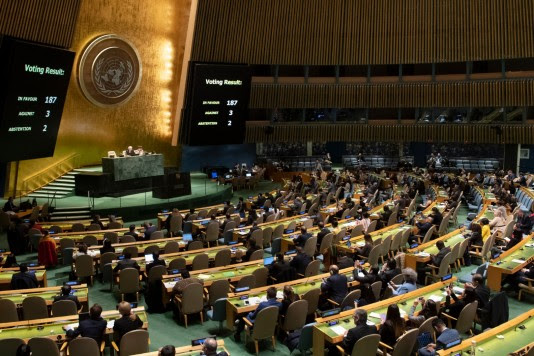
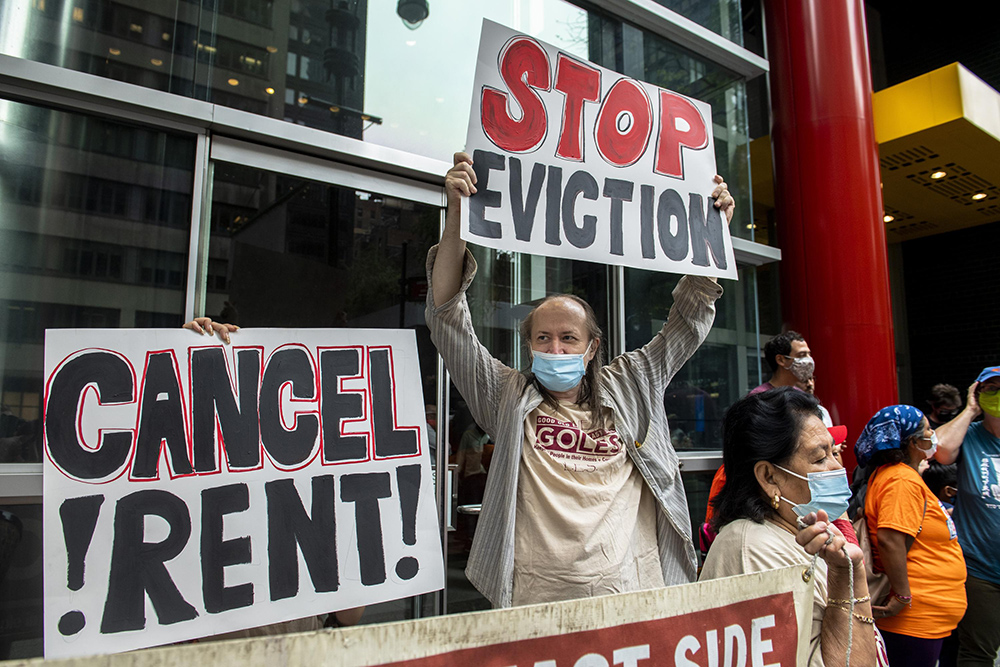
Just before Ida wreaked havoc on homes across New York City, the state Legislature passed an important new law for tenants, landlords and homeowners that pushes New York’s eviction moratorium until Jan. 15.
You may remember that the U.S. Supreme Court struck down New York’s eviction moratorium, limiting protections, and then the moratorium expired at the end of August.
But lawmakers in Albany, with the support of Gov. Kathy Hochul, voted earlier this month to amend New York’s eviction moratorium to fit the Supreme Court’s requirements and extend it until the new year.
“I’m glad that the governor took this as a priority and that the Legislature leapt into action,” said Cea Weaver, an organizer with the statewide tenant movement Housing Justice for All.
Tenants still need to fill out a hardship declaration to be eligible for protection from eviction until the new year — the old forms still count — but now landlords have the option to push back in court. Then, it’s up to a judge to decide whether you are eligible for protection.
“The presumption of eligibility [for tenants] is still there,” said Weaver. “The declaration form is still good, you don’t need to fill out a new one.”
If your landlord chooses to challenge your hardship claim, you’ll have a court hearing where you’ll need to show proof that you’ve experienced financial difficulties during the pandemic.
You’ll get a notice from both your landlord and the court letting you know that your landlord doesn’t think you’ve endured financial woes.
You’ll get a court date. Then, a judge will make a determination.
If you got a notice from a marshall about an eviction before Sept. 2, you’ll need to have another date with the court before that moves forward.
Expert tip: When you sign the hardship declaration, it’s a good idea to gather the documents you have that show in court if your landlord tries to challenge your claim, said Justin La Mort, a tenant attorney at Mobilization for Justice. Examples include: pay stubs, record of unemployment, hospital bills, etc.
Don’t forget: Tenants whose income qualifies can get free legal representation in Housing Court through the city’s Right to Counsel program. To qualify, your income must be under 200% of the federal poverty line, which is $43,920 for a family of three. If that’s your situation, be sure to talk with a lawyer.



