














|
Getting your Trinity Audio player ready...
|
(TJV NEWS) Iran has reportedly put forward a new diplomatic proposal aimed at de-escalating tensions with the United States by focusing on reopening the Strait of Hormuz, while postponing broader and more controversial issues such as its nuclear program for later negotiations, according to reporting originally published by ZeroHedge and citing Axios and regional diplomatic intermediaries.
The proposal, which was reportedly transmitted through Pakistani channels, outlines a phased approach to reducing confrontation. In the first stage, Iran is said to be willing to engage on maritime security and stabilization of the Strait of Hormuz—a critical global oil chokepoint through which roughly 20% of the world’s petroleum flows. Only after that, according to the reporting, would negotiations shift toward Iran’s nuclear program and broader sanctions issues.
The framing appears designed to break a months-long diplomatic deadlock by isolating the most urgent economic and security pressure point—the Strait—from the more politically sensitive nuclear file.
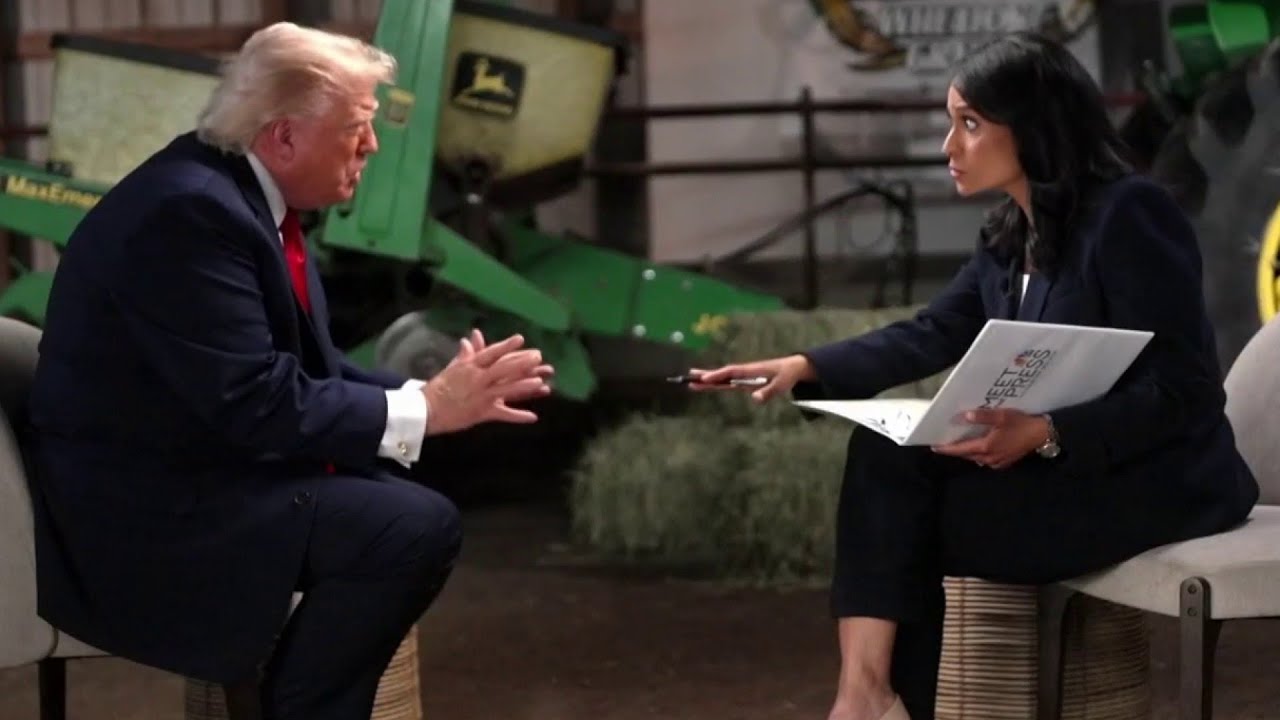
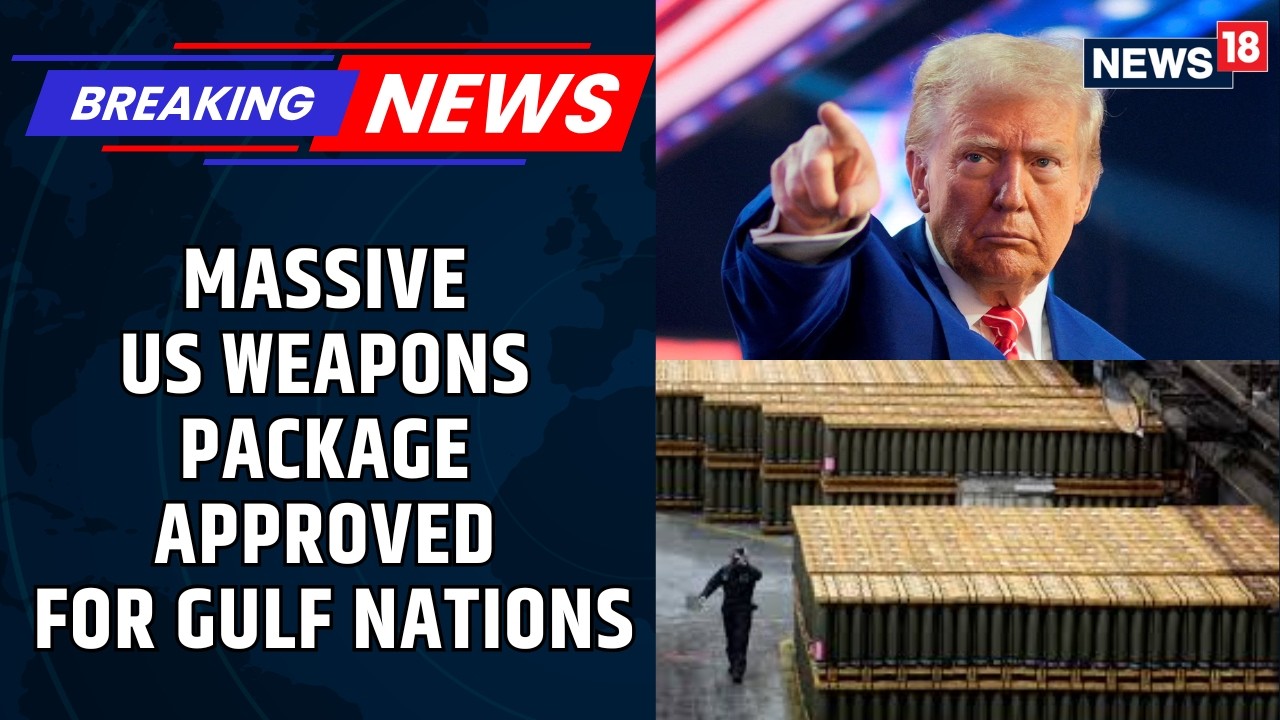
However, U.S. reaction, as described in the report, remains sharply divided between exploratory diplomacy and firm skepticism. While President Donald Trump has reportedly indicated openness to continued communication with Tehran, including the possibility of direct phone-level engagement if it advances de-escalation, key officials within his foreign policy team are described as far less receptive to Iran’s sequencing strategy.
A central voice in that resistance is reported to be Secretary of State Marco Rubio, who has consistently advocated for maintaining maximum pressure on Tehran and tying any maritime or sanctions relief directly to verifiable nuclear concessions. According to the reporting, Rubio and other hardline officials view Iran’s proposal as an attempt to delay substantive commitments on uranium enrichment and weapons-related concerns while extracting early economic and strategic concessions in the Strait of Hormuz.
Rubio’s position, as characterized in the coverage, is that the United States should not separate maritime security from nuclear compliance, arguing that doing so risks giving Iran operational breathing room without structural guarantees on its nuclear program. His camp reportedly insists that any agreement must include immediate, enforceable nuclear constraints rather than a phased or segmented negotiation process.
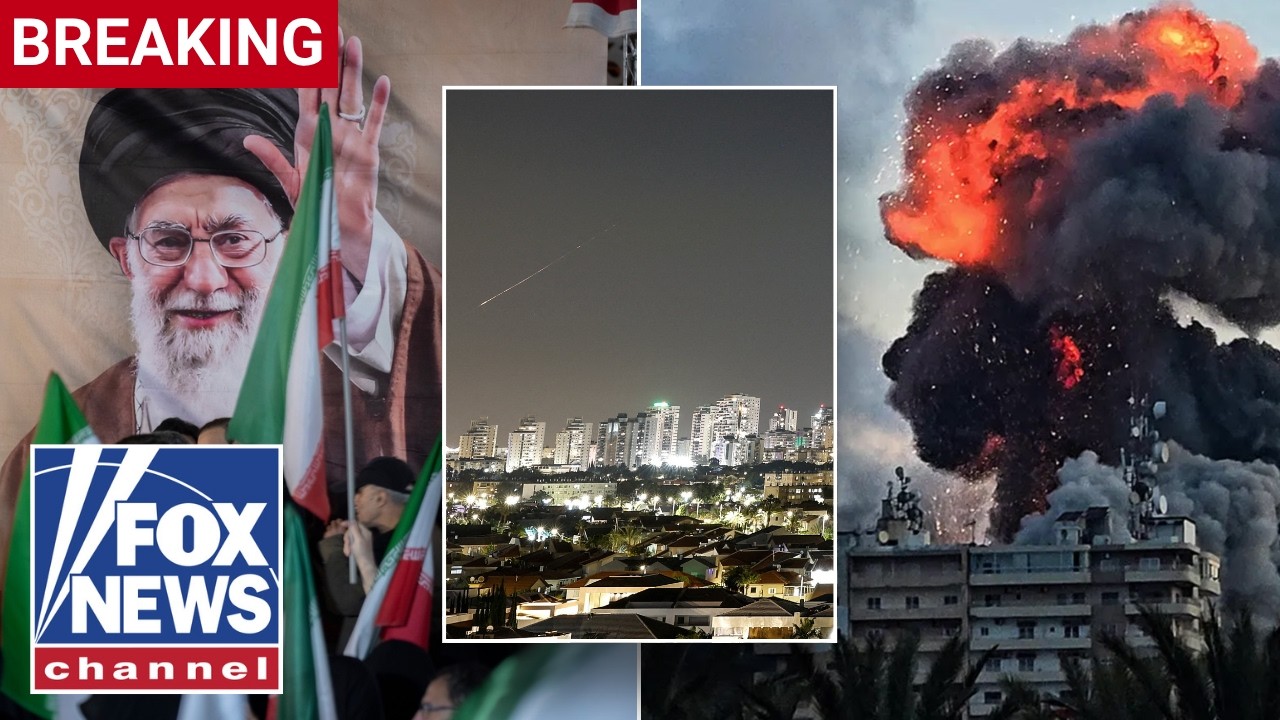
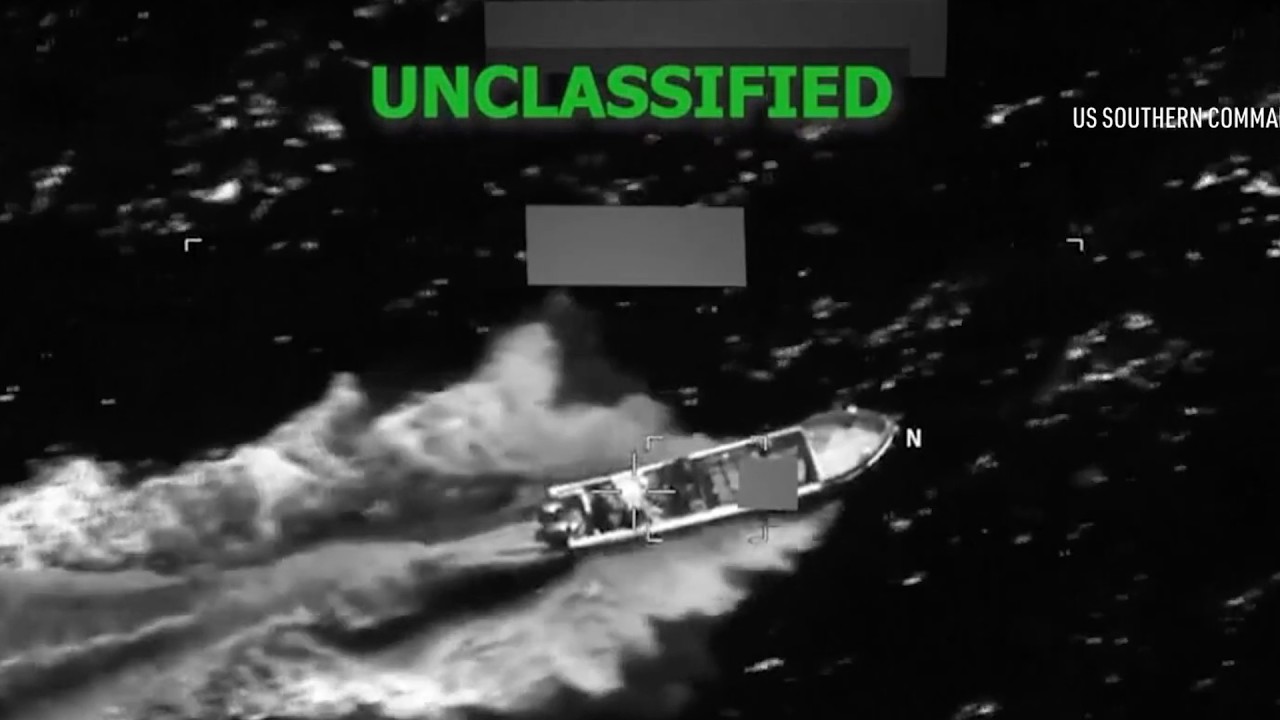
The Strait of Hormuz remains the central geopolitical pressure point in the standoff. Recent tensions in the region, including naval maneuvering and periodic threats to disrupt shipping lanes, have heightened global concern over energy market stability. Even limited disruptions in the waterway have historically triggered sharp fluctuations in oil prices, making it a focal point of international diplomacy.
Iran’s reported strategy appears aimed at leveraging that vulnerability to create diplomatic momentum, offering de-escalation where global economic stakes are highest while deferring its most contentious strategic program. The United States, meanwhile, is weighing whether such a split-track approach would weaken negotiating leverage or create a viable off-ramp from escalating regional confrontation.
As described in the ZeroHedge report citing Axios and regional intermediaries, the proposal is not currently viewed as a finalized agreement but rather an opening framework intended to test whether partial de-escalation could unlock broader negotiations. Despite the outreach, significant gaps remain between Tehran’s sequencing approach and Washington’s insistence—led in part by Rubio—on simultaneous progress across all major issues.
For now, diplomatic channels remain open, but the divide over structure and timing suggests that any potential deal remains at an early and fragile stage.