





























More Than 50,000 Pilgrims Converge on the Rebbe’s Resting Place as Lubavitch Marks the 32nd Yahrzeit of Rabbi Menachem M. Schneerson
By: Fern Sidman
In a remarkable demonstration of enduring devotion and global Jewish unity, more than 50,000 men, women, and children are expected to visit the Ohel in Queens this week to commemorate the 32nd yahrzeit of Rabbi Menachem M. Schneerson, the revered leader of the Lubavitch movement whose influence continues to shape Jewish life across the globe more than three decades after his passing.
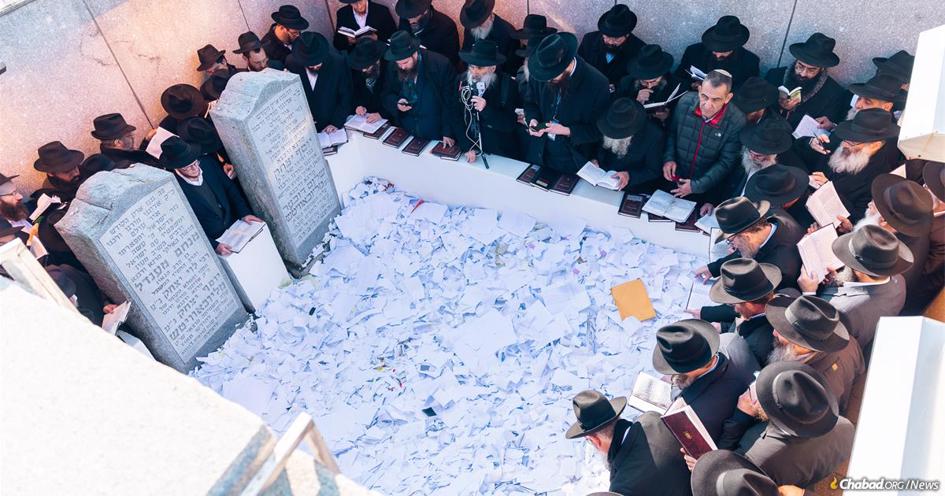
The annual pilgrimage, which culminates on 3 Tammuz—corresponding this year to June 18 and beginning the evening before on June 17—has become one of the most significant events on the Lubavitch calendar. Thousands upon thousands of visitors from virtually every continent are making their way to the sacred site in Queens, where the Rebbe is interred, to pray, reflect, seek spiritual inspiration, and reaffirm their connection to the visionary leader who transformed Lubavitch into one of the most dynamic Jewish movements in modern history.
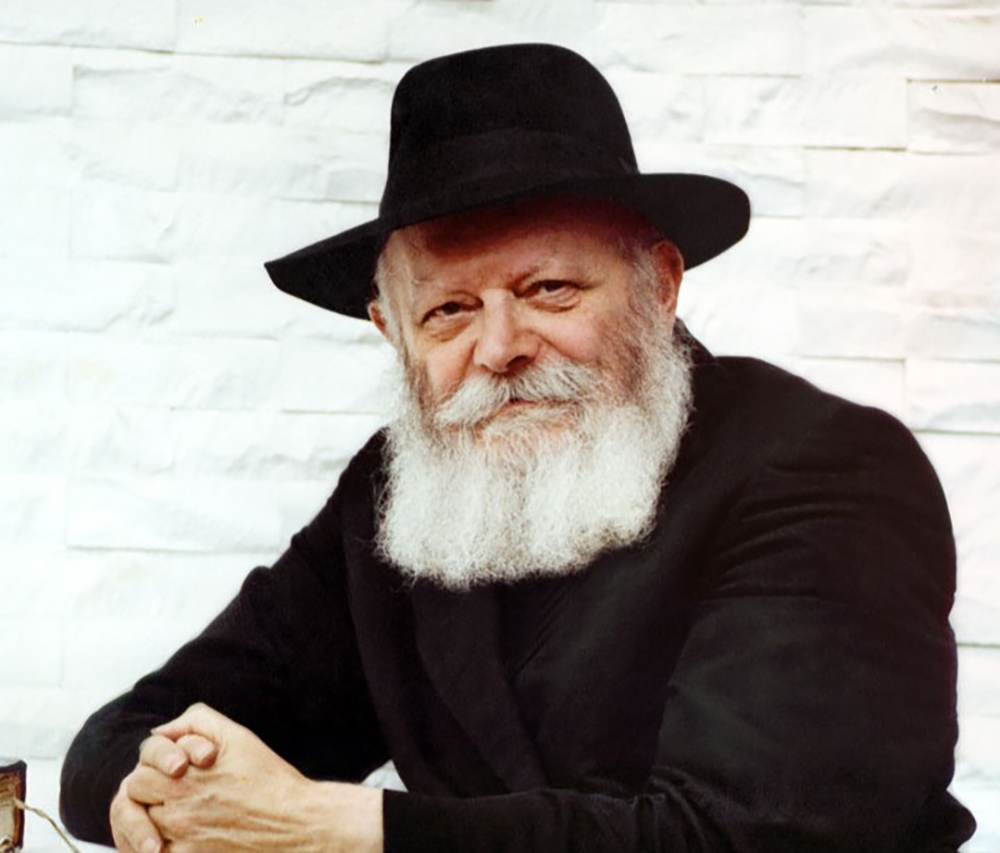
According to Lubavitch sources, the sheer scale of this year’s gathering once again underscores the extraordinary and enduring reach of the Rebbe’s legacy. The Ohel has evolved into what many regard as one of the most visited Jewish destinations outside of Israel, attracting approximately 1 million visitors annually from every imaginable background, faith, profession, and geographic location.
For many who arrive at the Ohel, the visit is deeply personal.
Some come seeking guidance during moments of uncertainty. Others arrive to offer prayers for health, livelihood, family, and spiritual growth. Still others come simply to express gratitude for blessings received or to draw inspiration from the teachings of a leader whose impact transcended religious, political, and geographic boundaries.
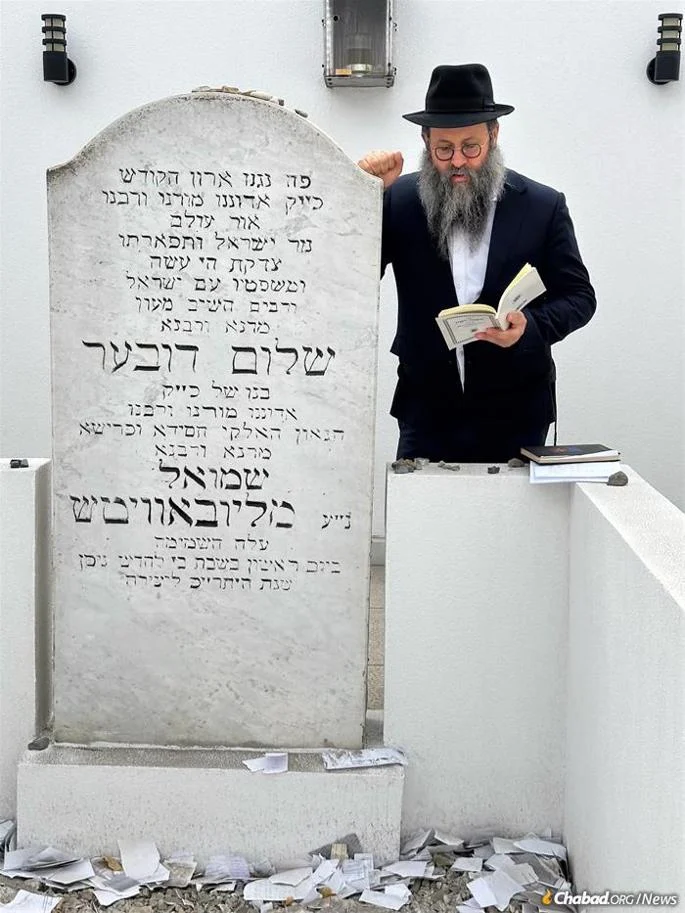
Throughout the week, visitors are expected to stand quietly near the resting place, recite Psalms, study Torah teachings, and place handwritten prayer requests at the site, a longstanding practice within Lubavitch that has become synonymous with visits to the Ohel.
The atmosphere surrounding the pilgrimage is one of profound reverence.
Although Rabbi Menachem M. Schneerson passed away in 1994, many within Lubavitch continue to speak about his influence in the present tense, describing a relationship that remains vibrant and deeply meaningful despite the passage of time.
Indeed, few figures in modern Jewish history have inspired such sustained devotion.
As the seventh Rebbe of Lubavitch, Rabbi Schneerson presided over a remarkable transformation of the movement. Under his leadership, Lubavitch expanded from a relatively modest Hasidic community into an international network encompassing thousands of educational institutions, synagogues, community centers, schools, humanitarian organizations, and outreach initiatives spanning every inhabited continent.
Today, the Lubavitch movement maintains a presence in hundreds of cities and remote communities throughout the world. Its emissaries, known as shluchim, operate in locations ranging from major metropolitan centers to isolated regions where Jewish populations may number only a handful of individuals.
Many of those emissaries will make the journey to Queens this week.
Among them are Rabbi Chaim and Kaila Danzinger, Lubavitch emissaries serving in Rostov-on-Don, Russia, whose extraordinary journey to the Ohel has become emblematic of the dedication demonstrated by countless representatives of the movement.
According to Lubavitch reports, the Danzingers’ trip was anything but routine.
Their travels began amid a period of extraordinary personal and communal responsibility. Before arriving in New York, the couple participated in a bar mitzvah celebration at the Western Wall in Jerusalem, an event that was interrupted by Iranian rocket fire. They subsequently traveled to Moscow, where they officiated at a wedding before embarking on a complex and exhausting journey to the United States.
The logistical challenges were particularly daunting.
Because the airport serving their region has reportedly remained closed for approximately 4 years, reaching New York required more than 24 hours of travel involving multiple connections and extensive overland transportation.
Yet despite the obstacles, the Danzingers remained determined to be present. Their experience reflects a broader phenomenon that has become a hallmark of the annual pilgrimage. For many participants, attending the yahrzeit is not merely a religious obligation. It is a deeply personal mission.
Visitors routinely travel thousands of miles from South America, Europe, Asia, Africa, Australia, and remote corners of the former Soviet Union to spend even a brief period at the Ohel.
Many save for months to make the journey possible.
Others navigate complicated travel arrangements, family obligations, and professional commitments in order to participate.
What compels such devotion decades after the Rebbe’s passing?
The answer, according to many followers, lies in the extraordinary breadth of his vision. Throughout his leadership, Rabbi Schneerson consistently emphasized the importance of Jewish education, community engagement, spiritual growth, and acts of kindness. He encouraged followers to reach beyond traditional boundaries and bring Jewish life to communities that had long lacked access to religious resources.
The results of that vision remain visible across the world today. Thousands of Lubavitch centers continue to operate schools, summer camps, food assistance programs, educational institutions, addiction recovery initiatives, crisis-response efforts, and countless other community services.
Many of the men and women visiting the Ohel this week credit their personal Jewish journeys to encounters with Lubavitch emissaries inspired by the Rebbe’s teachings. For some, a chance meeting with a Lubavitch rabbi during college altered the trajectory of their lives.
For others, assistance received during moments of hardship forged a lasting connection to the movement.
These stories are repeated continuously throughout the week as visitors gather in Queens.
The Ohel itself has undergone substantial development over the years to accommodate growing numbers of pilgrims. Modern facilities now assist the steady flow of visitors who arrive around the clock.
Unlike many commemorative events that unfold over a few hours, the yahrzeit observance operates continuously. Day and night, visitors enter and leave the site. Prayer groups assemble. Families arrive with children. Students gather to study. Elderly visitors quietly reflect. The flow rarely stops.
The diversity of those present is particularly striking. Although Lubavitch serves as the organizing force behind the gathering, visitors frequently include Jews from a wide range of religious backgrounds. Secular individuals, community leaders, business executives, public officials, scholars, and first-time visitors often find themselves standing side by side.
This broad appeal has become one of the defining characteristics of the Rebbe’s legacy. Even individuals who never met Rabbi Schneerson personally frequently express a profound sense of connection to his teachings and vision.
As Lubavitch marks the 32nd anniversary of the Rebbe’s passing, many observers note that the movement continues to expand rather than contract. New centers open regularly. Educational programs continue to grow. Community initiatives reach new populations. Young families increasingly choose to dedicate their lives to service as emissaries in distant locations.
This sustained growth is often cited by followers as evidence that the Rebbe’s influence remains remarkably potent. Indeed, the annual pilgrimage to Queens serves as a vivid reminder that Rabbi Schneerson’s legacy is not confined to history books or archival photographs.
Instead, it remains a living force manifested through institutions, communities, educational programs, and personal relationships across the globe. As more than 50,000 visitors pass through the Ohel this week, they are participating in far more than a memorial observance.
They are affirming a connection to a movement that continues to shape Jewish life in profound ways. They are honoring a leader whose teachings continue to inspire generations.
And they are demonstrating that, 32 years after his passing, the impact of Rabbi Menachem M. Schneerson remains not only relevant but remarkably vibrant. For Lubavitch, the gathering in Queens is both a remembrance of the past and a declaration of the future—a powerful testament to a legacy that continues to transcend borders, languages, cultures, and generations.
As the endless stream of visitors arrives at the Ohel throughout the week, one reality becomes unmistakably clear: the influence of the Rebbe continues to resonate around the world, drawing tens of thousands to Queens and touching the lives



