


















By: Carl Schwartzbaum
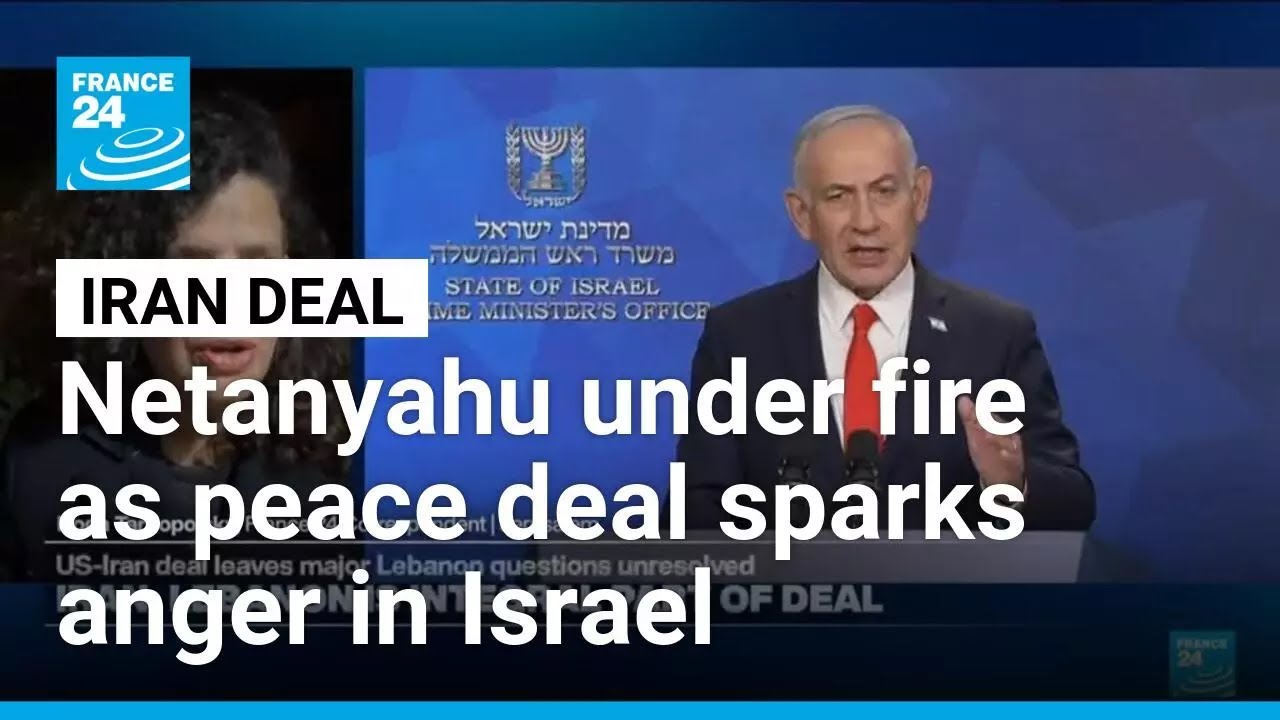
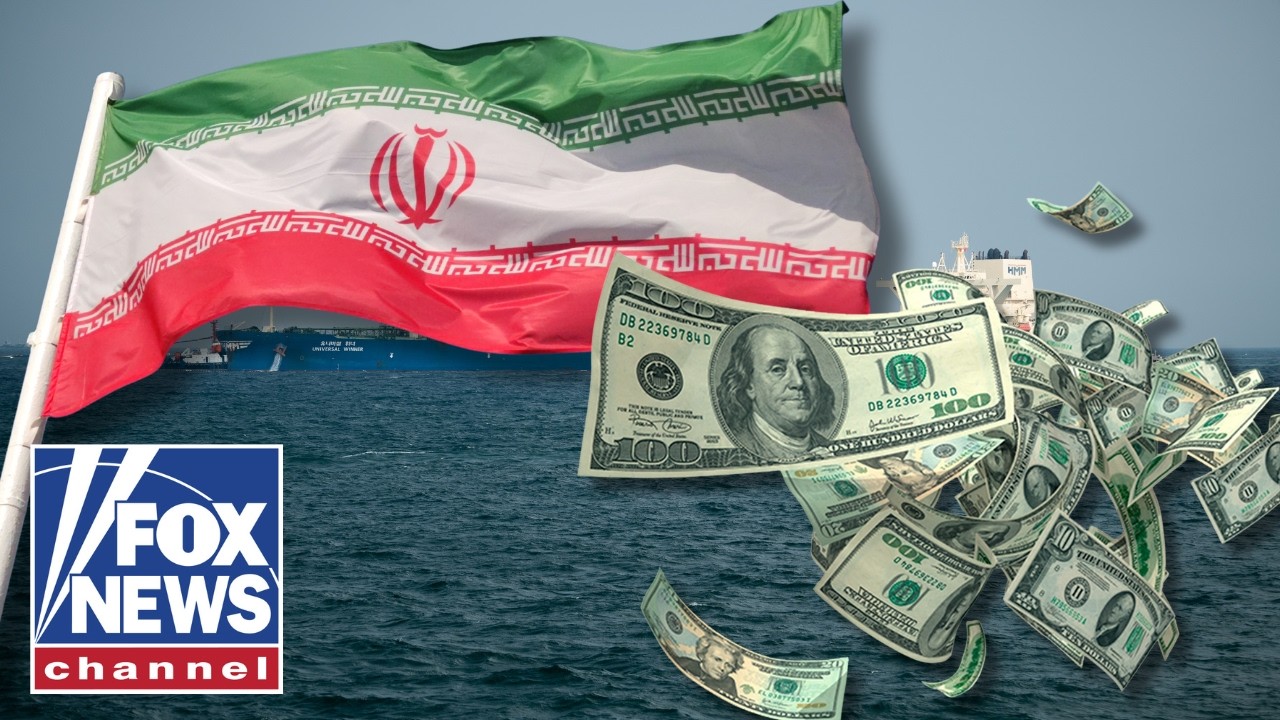
A sweeping diplomatic initiative between Washington and Tehran is drawing intense scrutiny across the political spectrum as new reporting on Tuesday by The Wall Street Journal and Reuters reveals the extraordinary financial dimensions of an emerging agreement that could ultimately unlock access to approximately $100 billion in frozen Iranian assets while also paving the way for a proposed $300 billion reconstruction and development fund.
The revelations have ignited fierce debate in Washington, among foreign policy analysts, and throughout the Middle East, with supporters portraying the arrangement as a potentially transformative mechanism for regional stability and economic normalization, while critics warn that the scale of the proposed financial incentives could dramatically alter the geopolitical balance of power.
According to the report on Tuesday in The Wall Street Journal, senior officials involved in negotiations have discussed restoring Iran’s access to roughly $100 billion in frozen assets held abroad as part of a broader framework designed to end hostilities, constrain Tehran’s nuclear ambitions, and reopen critical international trade routes. The newspaper reported that the proposed agreement also contemplates a separate $300 billion reconstruction and development mechanism intended to facilitate long-term investment and economic recovery.
The scale of the figures involved has stunned many observers.
For years, the issue of frozen Iranian assets has remained one of the most contentious elements of U.S.-Iran diplomacy. Successive administrations have grappled with the challenge of balancing economic pressure against diplomatic engagement. Now, according to The Wall Street Journal report, the emerging framework could place those frozen resources at the center of a broader effort to secure compliance with a far-reaching agreement.
Reuters has provided additional details regarding the proposed reconstruction initiative, reporting that the envisioned $300 billion fund would not constitute a traditional government aid package. Instead, Reuters described it as a privately financed reconstruction and development vehicle expected to draw commitments from investors and institutions spanning multiple regions, including Gulf Arab states, Asia, Africa, South America, and the United States.
Perhaps the most striking aspect of the Reuters reporting is the assertion that more than $150 billion of the proposed fund has already been committed by prospective participants. That figure suggests that more than half of the envisioned capital base may already have attracted preliminary support, underscoring the seriousness with which various stakeholders appear to be approaching the initiative.
The emerging details have generated a political firestorm.
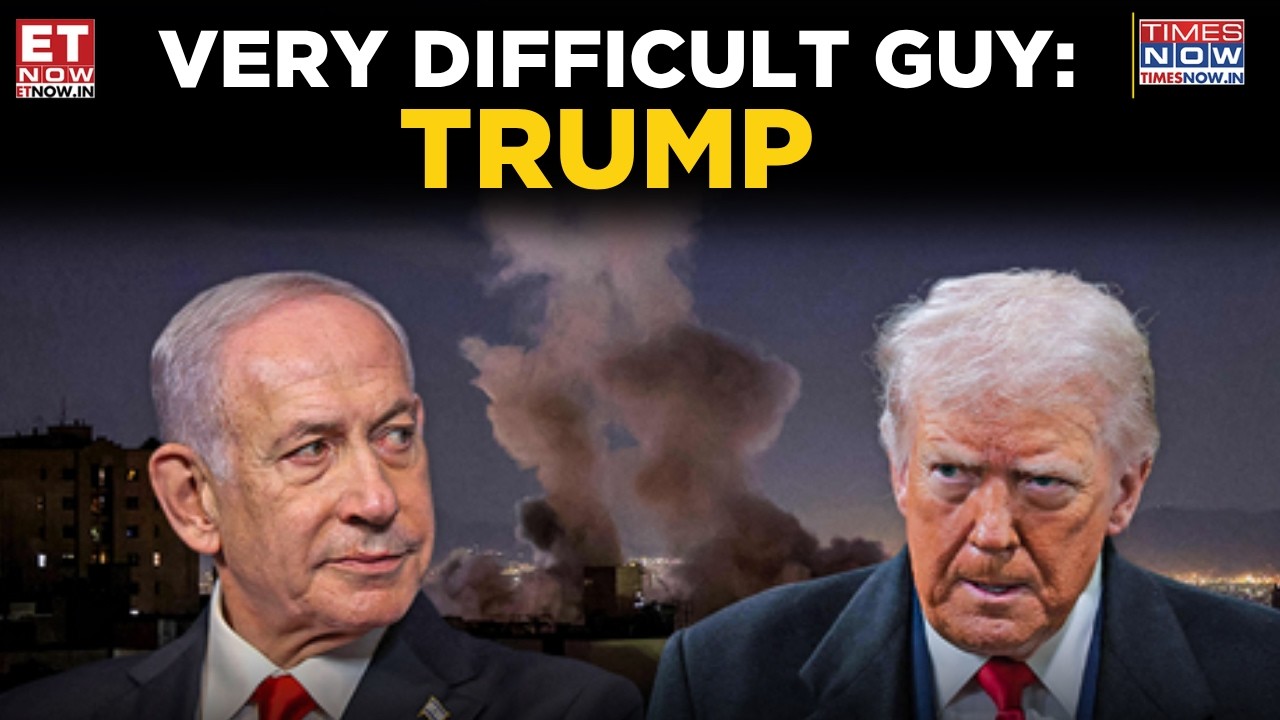
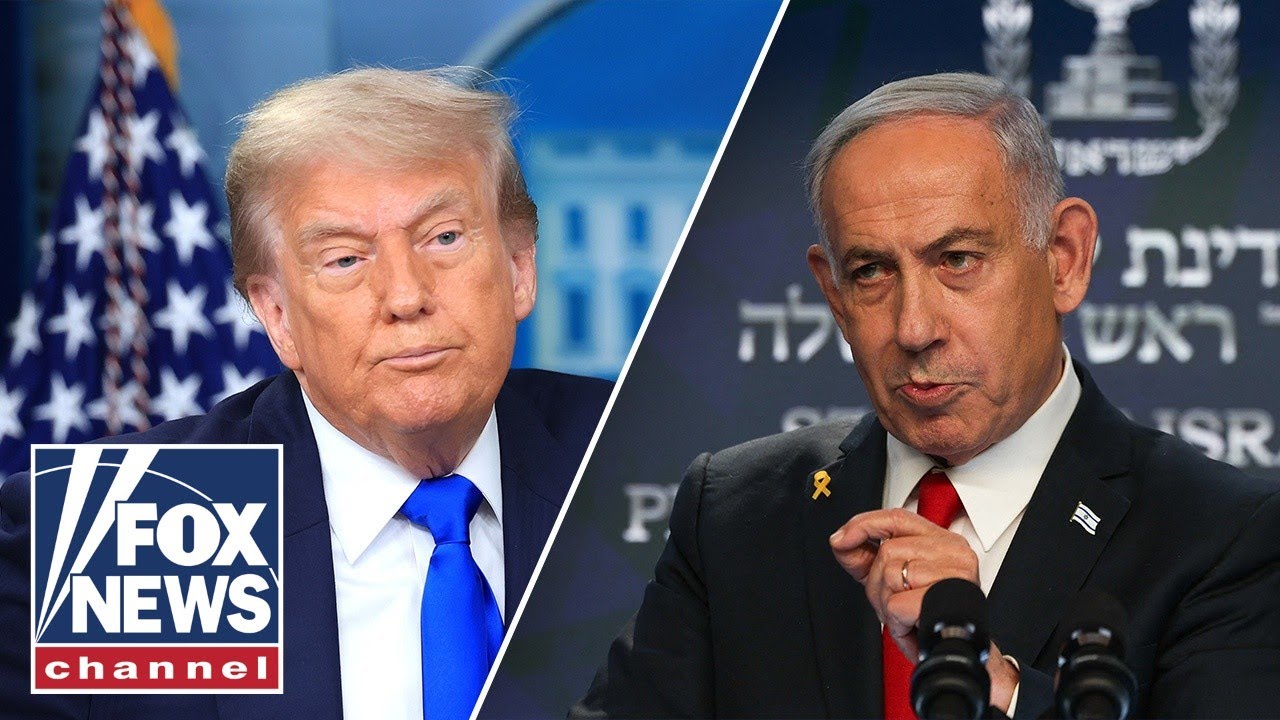
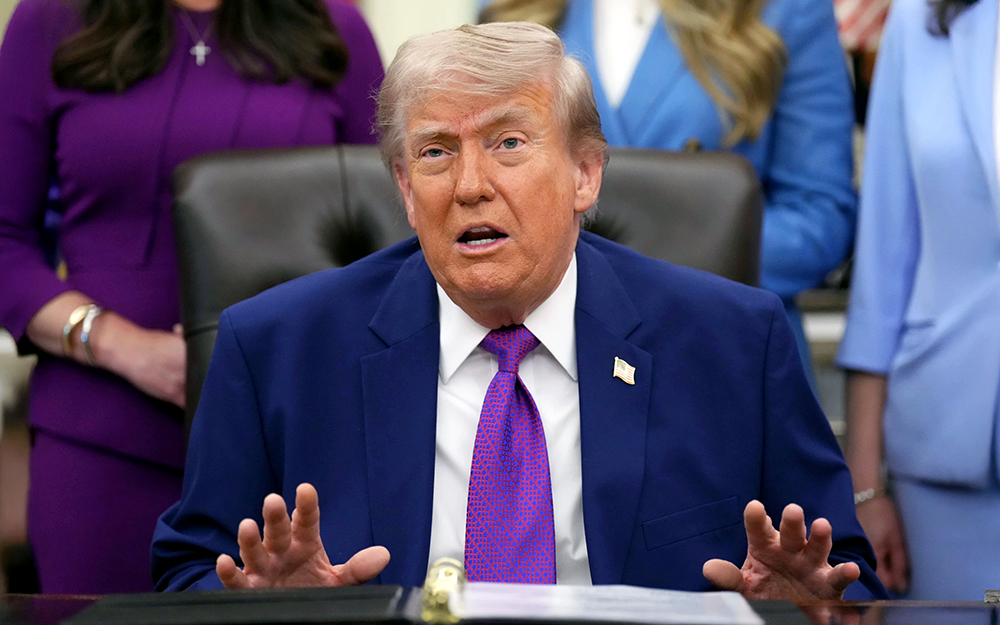
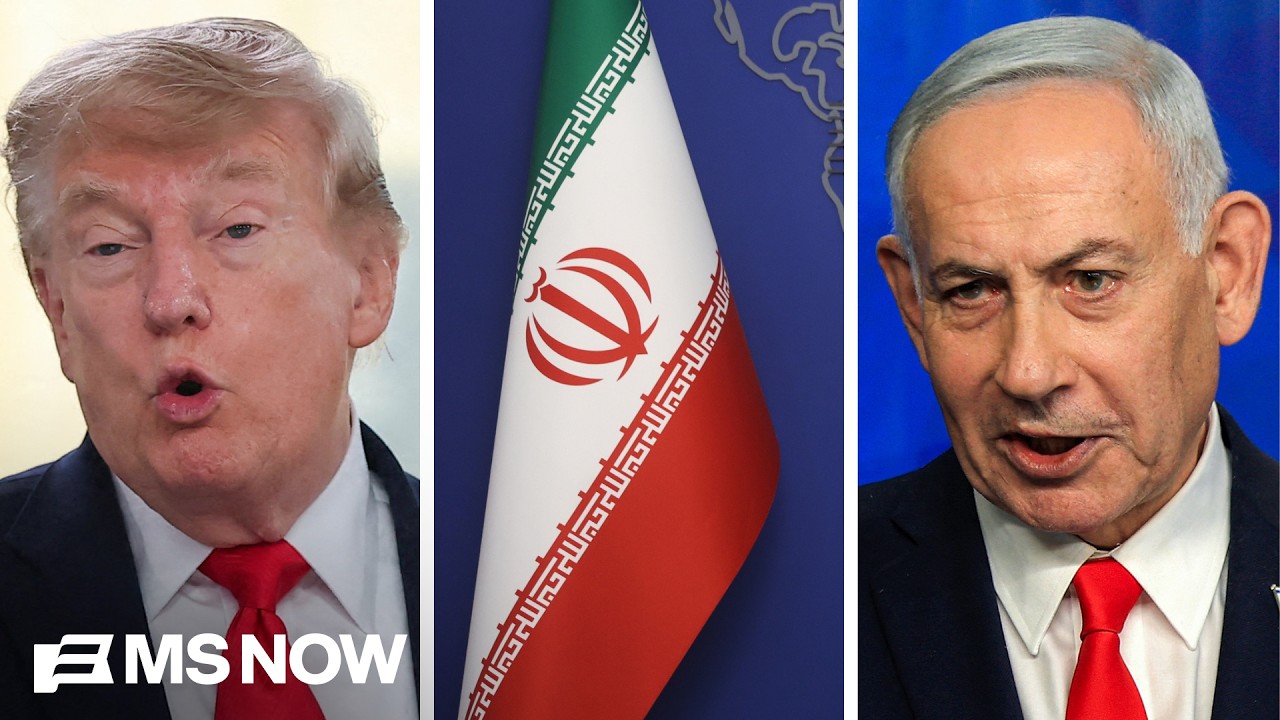
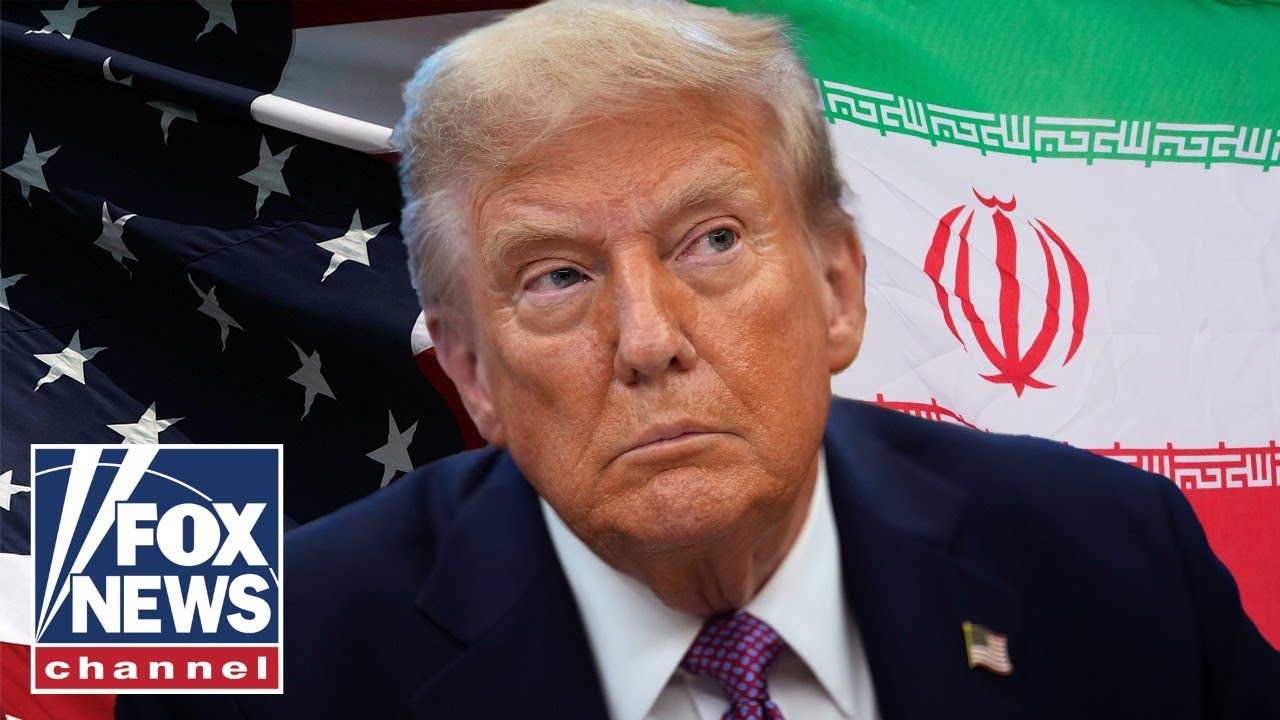
President Trump has publicly rejected suggestions that American taxpayers would finance a massive reconstruction package for Iran. Reuters and other outlets have reported that Trump dismissed claims regarding U.S. funding commitments and insisted that the United States would not be directly contributing taxpayer money to such a fund.
At the same time, Reuters reporting regarding the already committed capital has fueled renewed debate among critics who argue that the practical effect of facilitating such a large investment mechanism could nonetheless provide Iran with access to enormous financial resources if a final agreement is completed.
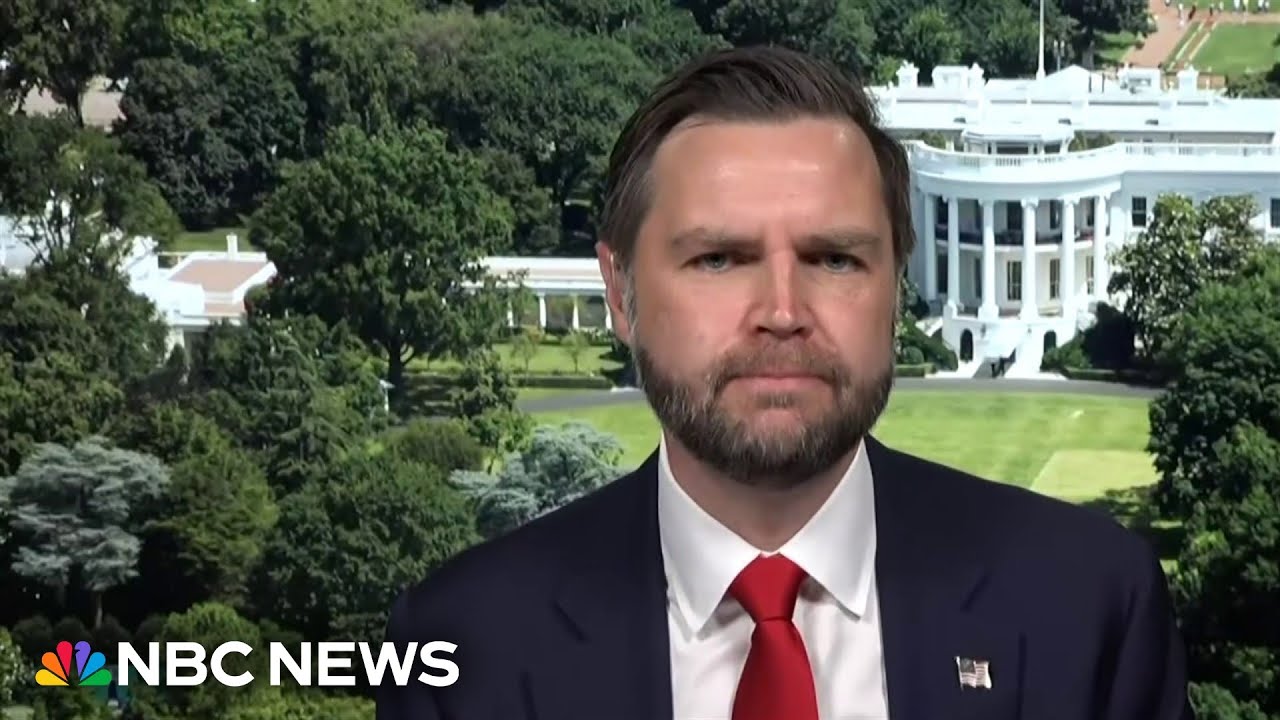
Vice President JD Vance has also sought to clarify the administration’s position. According to multiple reports cited by both The Wall Street Journal and other media outlets, Vance emphasized that any financial benefits would be conditioned upon significant changes in Iranian behavior and strict compliance with the terms of the agreement. He argued that Iran would not gain unrestricted access to reconstruction financing absent what he described as a fundamental transformation in the country’s conduct.
The administration has repeatedly stressed that the proposed financial mechanisms are performance-based rather than automatic.
A senior U.S. official quoted by The Wall Street Journal stated that access to frozen assets would depend on Iran demonstrating compliance with obligations that include addressing concerns surrounding its nuclear activities and adhering to broader provisions of the agreement.
Those conditions are viewed as essential by administration officials seeking to reassure skeptics that the deal would not simply deliver a financial windfall to Tehran without meaningful concessions.
Nevertheless, concerns remain widespread.
Many congressional Republicans have reportedly demanded access to the full text of the agreement before offering support. According to reporting referenced by both Reuters and The Wall Street Journal, lawmakers have expressed concern that the financial incentives being discussed may exceed those associated with previous diplomatic arrangements involving Iran
Foreign policy analysts are similarly divided.
Supporters contend that the prospect of access to frozen assets and future investment capital could provide powerful incentives for Iranian compliance. They argue that economic integration and reconstruction financing could help stabilize regional markets, encourage foreign investment, and reduce incentives for confrontation.
Critics, however, question whether financial inducements of such magnitude can reliably secure long-term behavioral change. They warn that substantial economic relief could strengthen Tehran’s position without necessarily guaranteeing lasting adherence to diplomatic commitments.
Reuters has noted that numerous implementation questions remain unresolved. Negotiators are still working through details involving sanctions relief, administration of the reconstruction fund, verification mechanisms, and the timetable under which assets might become accessible. Reuters also reported that the reconstruction fund would not become fully operational until a final agreement is formally concluded.
The uncertainty surrounding those details has left many observers cautious.
What is clear, however, is that the financial dimensions of the emerging arrangement are extraordinary. A combination of approximately $100 billion in frozen assets and a proposed $300 billion reconstruction and development fund would represent one of the most significant economic packages ever associated with a modern diplomatic agreement involving Iran. According to the reports by The Wall Street Journal and Reuters, those figures have now become central to the debate over whether the emerging accord represents a historic breakthrough or a potentially risky gamble.
As negotiations continue and additional details emerge, the ultimate fate of the agreement—and the enormous financial commitments attached to it—will likely remain among the most closely watched international developments in the months ahead. Whether supporters ultimately succeed in portraying the arrangement as a pathway to stability or critics prevail in characterizing it as an excessive concession to Tehran may depend largely on the final terms that are eventually disclosed to the public.



