

















Israel Kept in the Dark as Questions Swirl Around Emerging U.S.-Iran Memorandum
By: Fern Sidman
As justified concern builds ahead of the formal signing of a newly negotiated memorandum of understanding between the United States and Iran, reports emerging from Jerusalem, Washington, and Tehran have fueled growing uncertainty regarding the contents of the agreement and its potential implications for regional security.
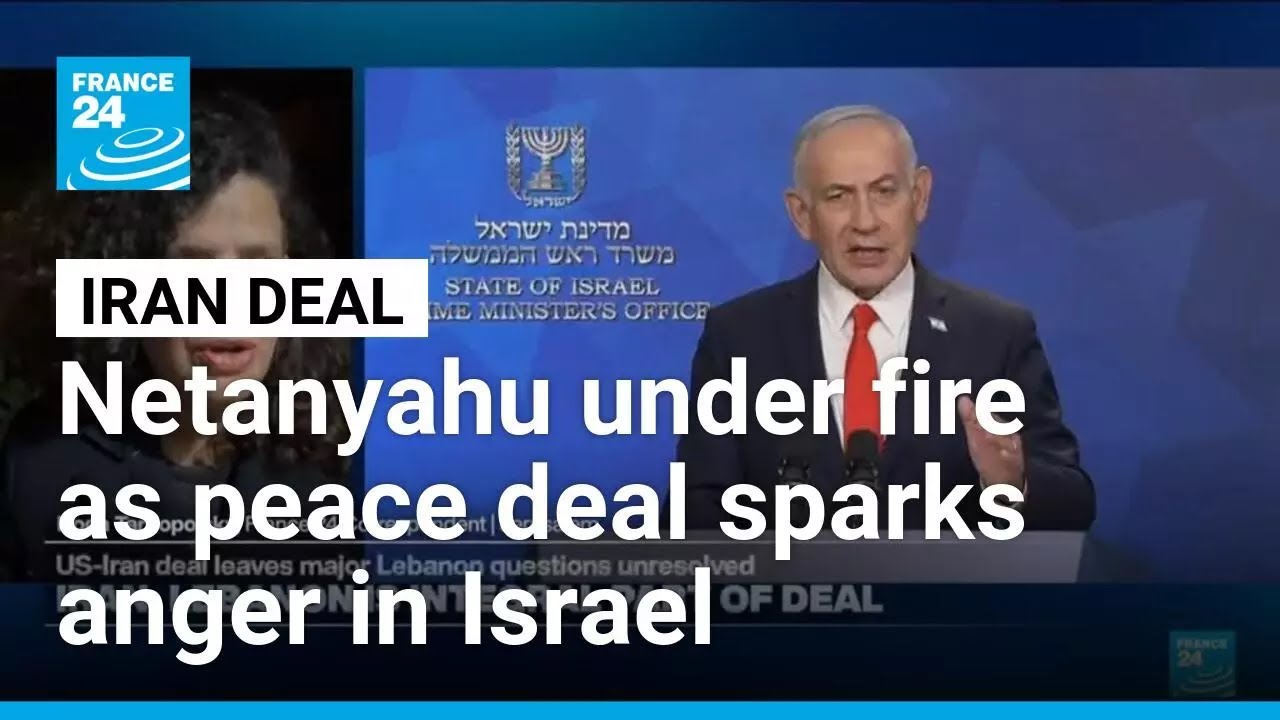
According to multiple Israeli media reports cited by The Algemeiner on Tuesday, the United States has declined a formal Israeli request to review the text of the memorandum prior to its anticipated signing ceremony in Switzerland later this week. The reported refusal has left senior Israeli officials without direct access to a document that could significantly influence the future strategic landscape of the Middle East.
The development has generated concern among Israeli policymakers, defense officials, and analysts who argue that any agreement involving Iran’s nuclear program, sanctions relief, regional proxy networks, and security arrangements in Lebanon inevitably carries profound consequences for Israel’s national security.
According to The Algemeiner report, Israeli officials sought permission to examine the agreement before its formal ratification but were reportedly rebuffed by American counterparts. As a result, Israeli leaders are said to be relying largely on media reports, unofficial briefings, and public statements from both Washington and Tehran to assess the framework’s potential ramifications.
The reported lack of transparency has intensified speculation regarding what exactly has been agreed upon between the two longtime adversaries.
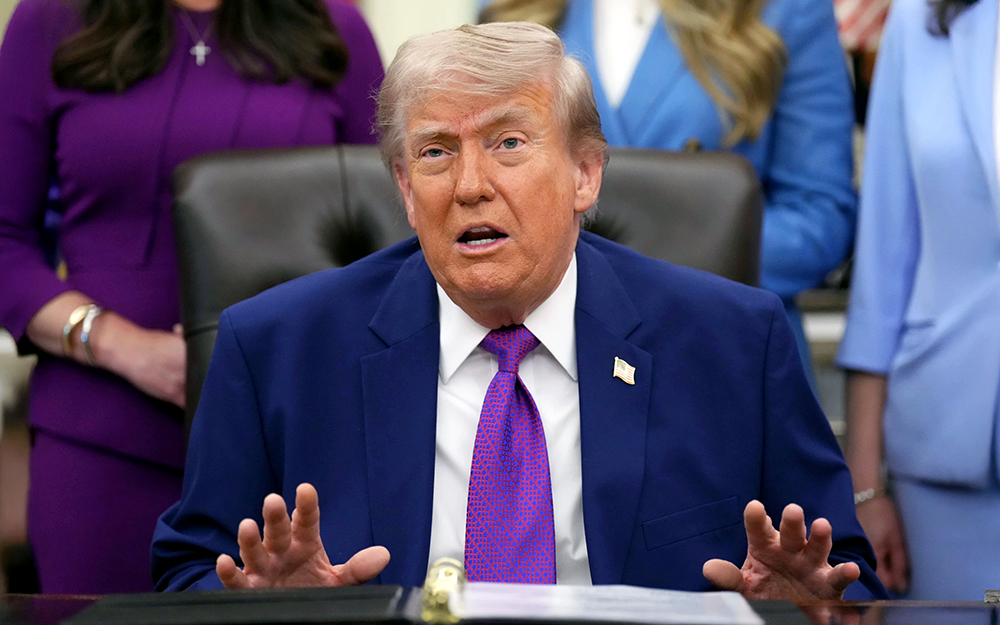
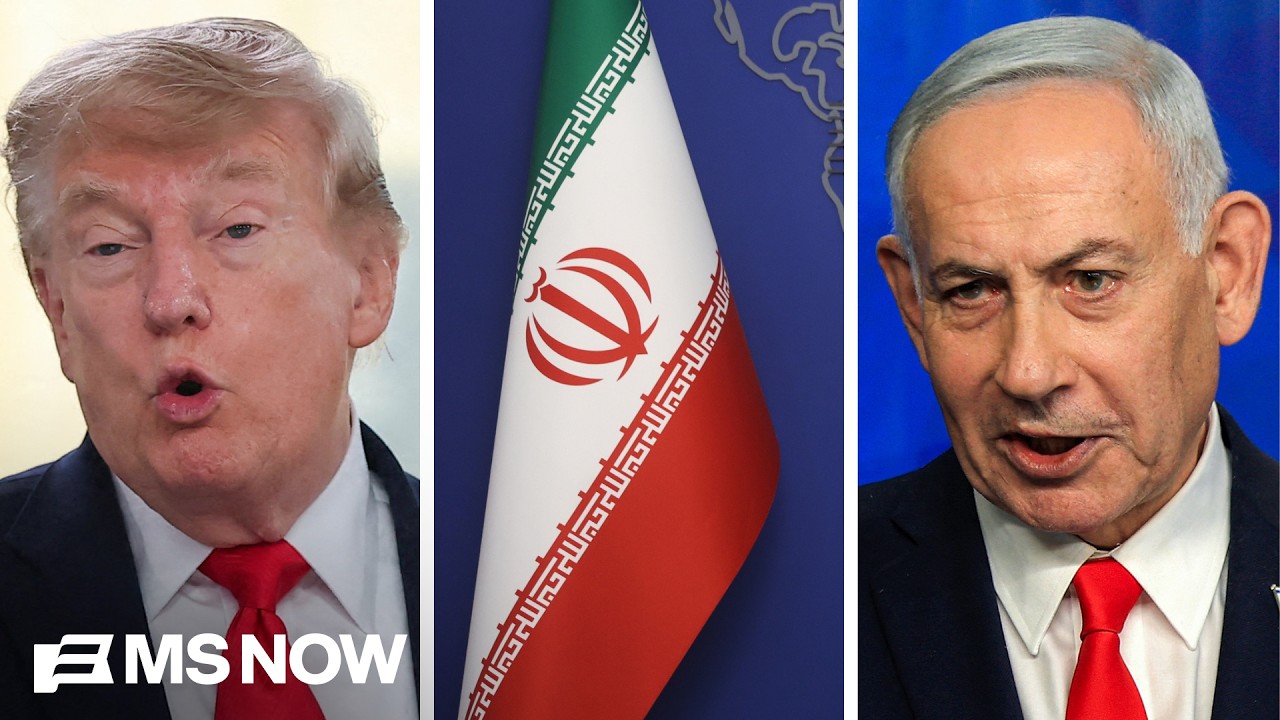
President Donald Trump addressed the issue during public remarks on Tuesday, indicating that he intends to discuss the agreement in greater detail during an upcoming press conference. “I will read the document word for word,” Trump reportedly stated, though he did not specify when the text would be publicly released.
That promise has done little to quell concerns among observers seeking greater clarity regarding the memorandum’s contents. While numerous media organizations have reported on allegedly leaked provisions, no officially released version of the agreement has yet been made available to the public.
The absence of a published text has created a vacuum increasingly filled by competing narratives emerging from various parties involved in the negotiations.
According to reports carried by Iranian media outlets, the proposed memorandum reportedly contains 14 separate clauses covering a broad range of political, military, and economic issues.
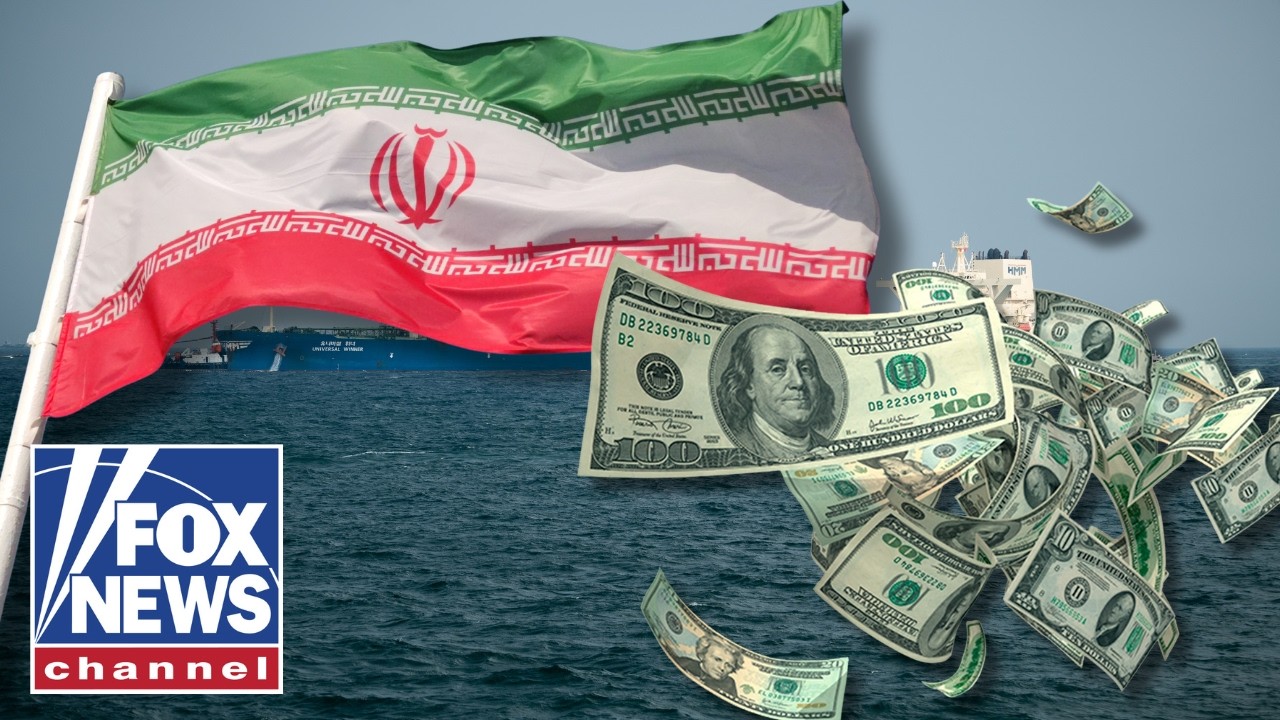
Among the provisions cited by Iranian news organizations are claims that the agreement would facilitate the reopening of the Strait of Hormuz, establish a framework for negotiations regarding Iran’s nuclear activities, provide significant sanctions relief, and release billions of dollars in frozen Iranian assets.
Iranian media reports have also suggested that the memorandum includes provisions relating to Lebanon and the future status of Israeli military deployments in southern Lebanon.
However, because no official text has been publicly released, many of these reported provisions remain unverified and subject to dispute.
The uncertainty surrounding those alleged provisions has become especially significant in light of statements emerging from Hezbollah and Iranian officials.
According to reports highlighted by The Algemeiner, Hezbollah asserted on Tuesday that Tehran had provided assurances that no final agreement would be completed without addressing Israeli military deployments in Lebanon.
The Iran-backed Lebanese terror organization reportedly indicated that any broader diplomatic understanding involving Tehran and Washington would need to include provisions concerning Israeli forces operating in southern Lebanon.
Those statements have heightened concerns among Israeli officials who have repeatedly emphasized that security requirements—not diplomatic timetables—will determine Israel’s military posture along its northern frontier.
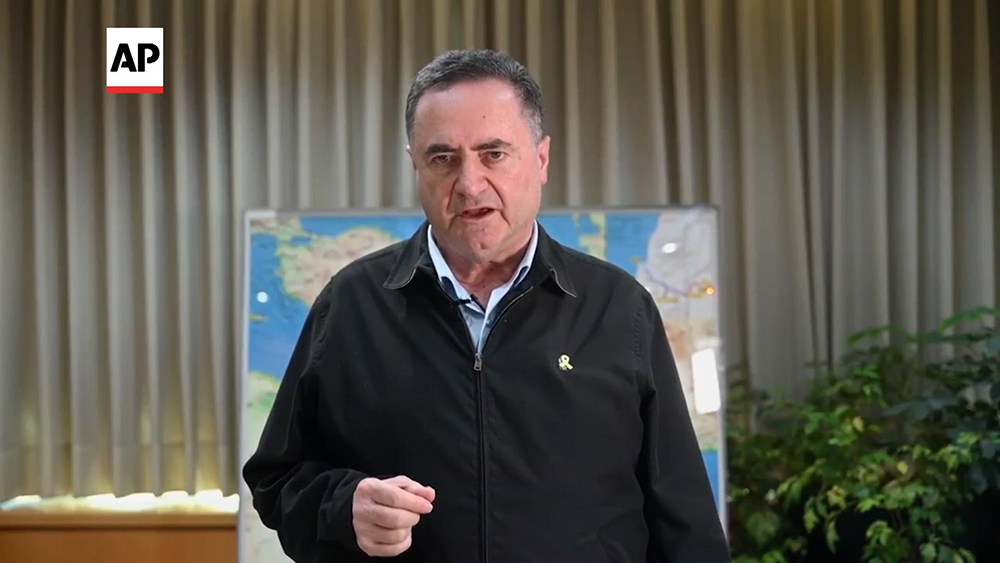
Israeli Defense Minister Israel Katz sought to address those concerns directly earlier this week.
According to public statements, Katz reiterated that the Israel Defense Forces would maintain positions necessary to safeguard communities in northern Israel and would not withdraw from areas deemed essential to national security.
His remarks reflected a broader consensus among many Israeli security officials that Hezbollah continues to pose a substantial threat despite years of military pressure and ongoing counterterrorism operations.
The debate over Lebanon has unfolded simultaneously with broader discussions concerning Iran’s nuclear ambitions.
According to reports cited by The Algemeiner, the memorandum is expected to serve primarily as a framework agreement rather than a comprehensive final settlement.
Under the reported structure, Washington and Tehran would engage in an intensive 60-day negotiation process aimed at resolving outstanding disputes concerning Iran’s nuclear program, uranium enrichment activities, and remaining stockpiles of enriched material.
Supporters of the diplomatic effort argue that such a framework could create an opportunity for de-escalation after years of confrontation and intermittent military tensions. Critics, however, warn that framework agreements can sometimes create political momentum without resolving the underlying issues that generated the conflict in the first place.
President Trump has repeatedly defended the emerging agreement and portrayed it as a significant diplomatic achievement. “We have a good agreement with Iran; it’s a fair agreement,” Trump stated. “We are not investing any money in Iran. We have the right to go there in the future if we need to, but we are not obligated to invest there.”
The president also emphasized what he described as the agreement’s central objective: preventing Iran from acquiring nuclear weapons. “Iran under this agreement will never obtain nuclear weapons,” Trump said. “If Iran develops nuclear weapons or acquires them, the gates of hell will open on them.”
Those remarks reflect the administration’s effort to reassure critics that diplomatic engagement with Tehran does not signify diminished vigilance regarding Iran’s nuclear activities.
Yet skepticism remains widespread across portions of the Israeli political spectrum. Many Israeli analysts continue to argue that the absence of a publicly available text makes meaningful evaluation of the memorandum exceedingly difficult.
Without access to the actual language of the agreement, questions persist regarding verification mechanisms, enforcement provisions, sanctions triggers, inspection authorities, and the specific obligations required of each side.
The situation has been further complicated by differing public characterizations emerging from Washington and Tehran. American officials have generally portrayed the memorandum as a pathway toward preventing nuclear proliferation and reducing regional tensions.
Iranian officials, meanwhile, have emphasized sanctions relief, economic normalization, and broader regional arrangements. The divergence in emphasis has led some observers to wonder whether the parties are describing the same agreement in substantially different ways.
Such concerns are hardly unprecedented in the history of U.S.-Iran diplomacy. Previous negotiations between Washington and Tehran have often been accompanied by competing interpretations, differing public narratives, and disputes regarding implementation.
Veteran diplomatic observers note that the success or failure of any agreement frequently depends not merely on the language contained within the document itself but also on how each side interprets and implements its commitments.
For Israel, the stakes are especially high. Successive Israeli governments have consistently maintained that preventing Iran from acquiring nuclear weapons constitutes a fundamental national security priority. Israeli leaders have also repeatedly emphasized the importance of confronting Iran’s network of regional terror proxy organizations, including Hezbollah.
Consequently, any agreement that affects Iran’s strategic position inevitably attracts intense scrutiny in Jerusalem.
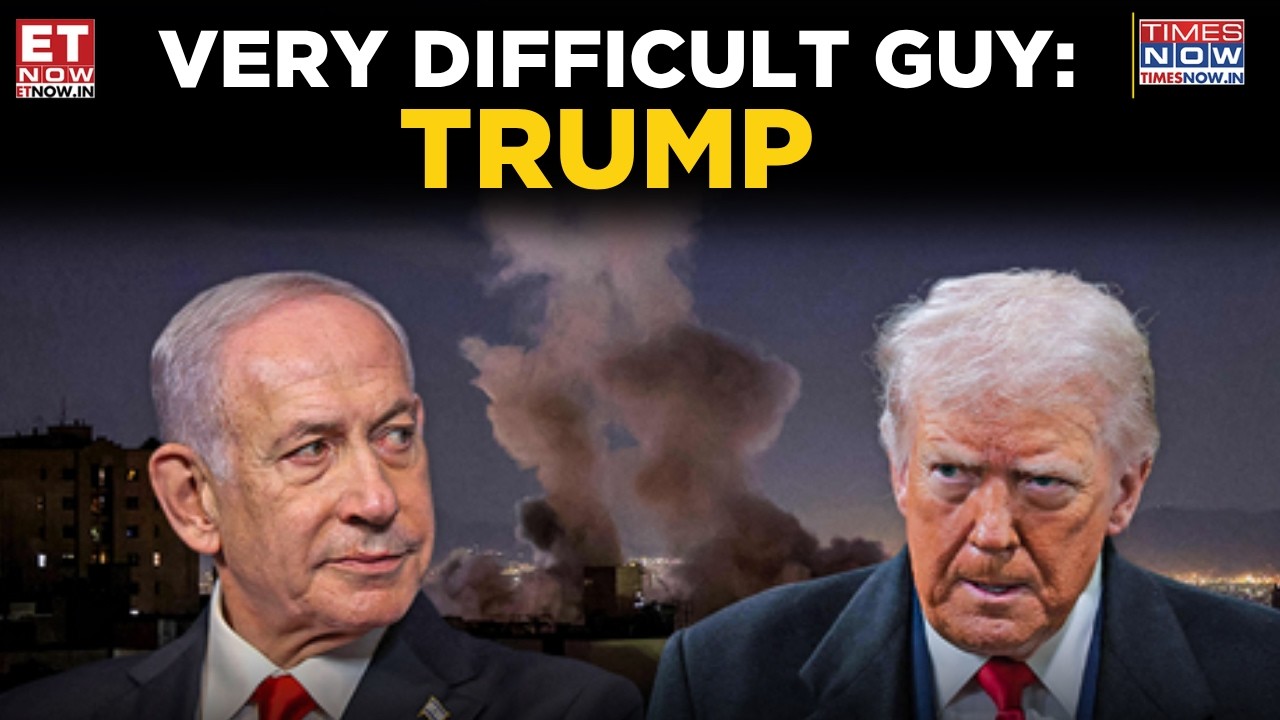
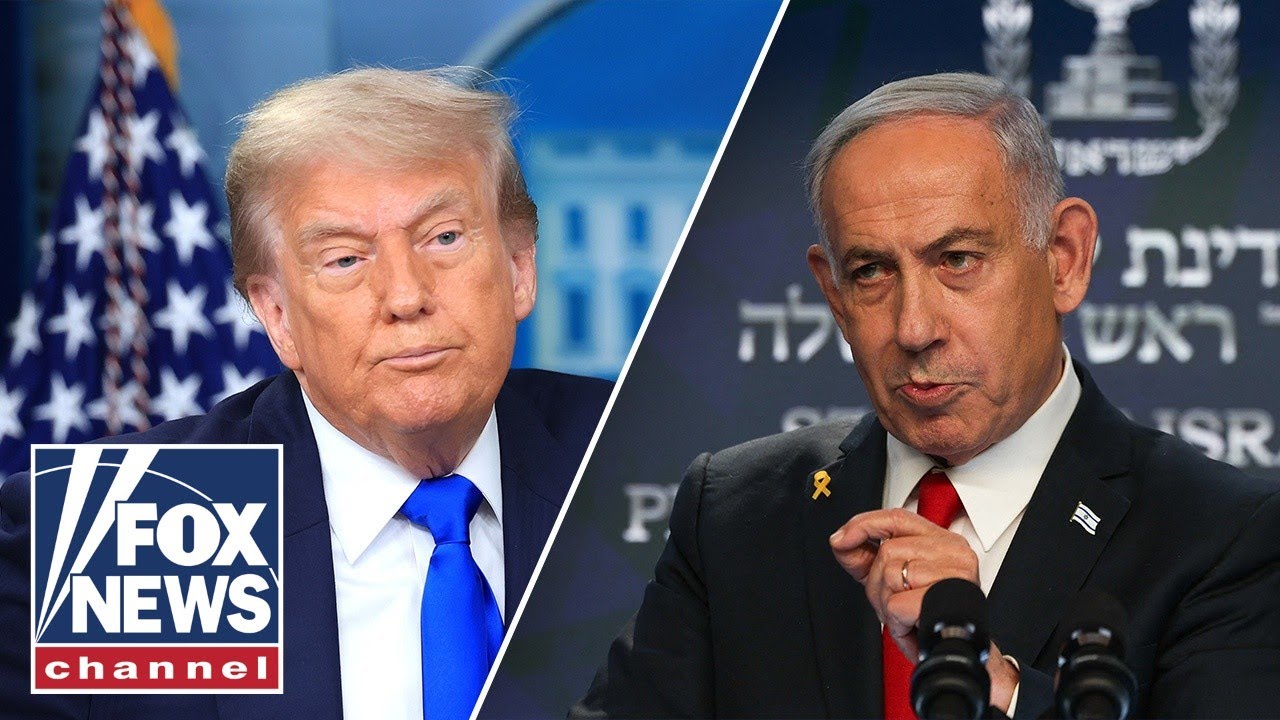
The reported refusal to share the memorandum with Israeli officials prior to its signing has therefore become a significant diplomatic story in its own right.
Some observers view the development as evidence of growing friction between Washington and Jerusalem over regional strategy. Others argue that it may simply reflect the highly sensitive nature of ongoing negotiations and the administration’s desire to maintain confidentiality until the formal signing process is complete.
Regardless of the explanation, the controversy has underscored the broader uncertainty surrounding the emerging accord.
As Switzerland prepares to host the anticipated signing ceremony later this week, attention throughout the region remains focused on a document that has generated enormous debate despite remaining largely unseen.
Until the full text is released, much of the discussion will continue to be driven by media reports, unofficial accounts, political statements, and competing interpretations.
What appears certain is that the memorandum has already become a focal point of regional diplomacy.
Whether it ultimately serves as the foundation for a broader settlement between Washington and Tehran—or merely the opening chapter in another contentious round of negotiations—may depend on details that neither policymakers nor the public have yet been permitted to examine.
For now, according to reporting highlighted by The Algemeiner, one of America’s closest allies remains waiting to see the document for itself, even as speculation about its contents continues to reverberate across the Middle East.



