



















By: Paul Gluck
A new chapter in the complex and often turbulent relationship between Washington and Tehran is expected to unfold later this week, as Iranian officials have announced that another round of negotiations with the United States is scheduled to begin in Switzerland on Friday.
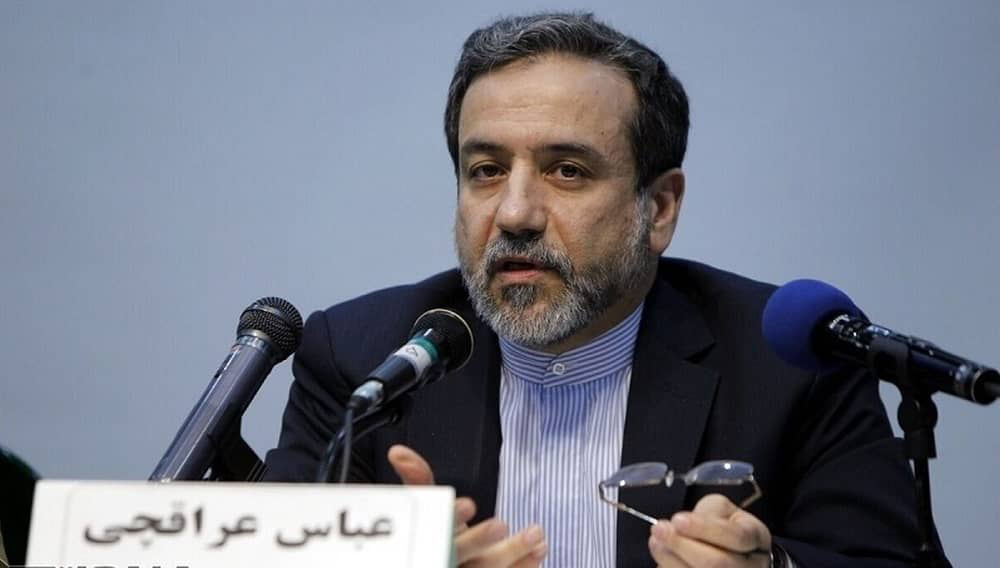
According to a report on Tuesday at Iran International, Iranian Foreign Minister Abbas Araghchi confirmed that representatives of the two countries are preparing to return to the negotiating table, potentially opening a fresh phase of diplomatic engagement at a moment when the Middle East continues to grapple with profound geopolitical instability and unresolved security challenges.
The announcement comes against a backdrop of ongoing tensions involving Iran, Israel, Hezbollah, Lebanon, and a broader constellation of regional actors whose interests remain deeply intertwined with the outcome of any diplomatic initiative involving the Islamic Republic.
According to the Iran International report, Araghchi described the upcoming discussions as part of a continuing effort to address outstanding disputes between Tehran and Washington while also confronting wider regional issues that have contributed to instability across the Middle East.
Although details regarding the structure, agenda, and participants in the negotiations have not been fully disclosed, the Iranian foreign minister indicated that regional security concerns will feature prominently in the discussions.
Among the most significant aspects of Araghchi’s remarks was his assertion that developments in Lebanon remain inseparable from broader efforts to achieve regional stability.
According to Iran International, the Iranian foreign minister stated that Tehran considers the cessation of hostilities in Lebanon to be an essential component of any meaningful effort to bring an end to the wider regional conflict.
His comments reflect Iran’s longstanding position that events occurring on multiple fronts throughout the Middle East cannot be viewed in isolation but must instead be understood as interconnected elements of a broader strategic landscape.
Araghchi reportedly argued that any durable arrangement aimed at reducing tensions must address not only direct disputes involving Iran but also the status of conflicts involving Iranian-aligned organizations and regional allies.
According to the Iran International report, he further maintained that continued Israeli military activity inside Lebanese territory would be viewed by Tehran as incompatible with the spirit and provisions of the existing memorandum of understanding that has served as a framework for recent diplomatic efforts.
The foreign minister reportedly stated that any continued military operations or territorial presence by Israel in Lebanon would, from Iran’s perspective, constitute a violation of that understanding.
Such remarks are likely to add further complexity to already delicate diplomatic discussions, particularly given the divergent interpretations that frequently emerge regarding ceasefire arrangements, security commitments, and military obligations.
Iran’s characterization of the diplomatic framework also attracted attention because of the manner in which Araghchi described the parties involved.
Iran International reported that the foreign minister portrayed the existing understanding as effectively involving the United States and Israel on one side and Iran and Hezbollah on the other.
That formulation reflects Tehran’s view of the broader regional confrontation and underscores the degree to which Iranian officials continue to link diplomatic negotiations with developments involving Hezbollah and other allied organizations.
The statement may also reinforce concerns among Western governments and regional observers regarding the extent to which negotiations with Tehran intersect with wider questions involving Iranian influence throughout the Middle East.
For decades, relations between the United States and Iran have been characterized by cycles of confrontation, limited engagement, economic sanctions, military tensions, and intermittent diplomatic outreach.
Attempts to resolve disputes surrounding Iran’s nuclear activities, regional policies, and security posture have repeatedly encountered obstacles, with periods of progress often followed by renewed disagreements.
The forthcoming talks in Switzerland therefore represent another significant test of whether diplomacy can bridge deep strategic differences that have persisted for generations. As per the Iran International report, Iranian officials appear eager to present the negotiations as evidence that diplomatic channels remain open despite continuing disagreements and regional turbulence.
At the same time, the success of the talks will likely depend upon whether both sides can identify sufficient common ground to advance discussions beyond preliminary understandings and toward more substantive agreements.
One of the most closely watched aspects of the upcoming negotiations will be the extent to which regional security issues are integrated into the broader diplomatic agenda.
While nuclear concerns have historically dominated U.S.-Iran discussions, recent events have highlighted the growing importance of other matters, including maritime security, proxy conflicts, military deployments, and regional alliances.
According to Iran International, the forthcoming discussions are expected to address at least some of these longstanding areas of contention.
Analysts note that Switzerland has frequently served as a venue for sensitive diplomatic engagements involving Iran and Western governments. The country’s longstanding reputation for neutrality has made it a preferred location for negotiations that require discretion and political distance from regional pressures.
Should the talks proceed as scheduled, they will occur at a moment when governments across the Middle East are carefully assessing the implications of shifting diplomatic dynamics.
Regional powers, international investors, security planners, and energy markets all have a significant stake in the outcome of discussions between Washington and Tehran.
Even modest progress could influence broader calculations regarding regional stability, economic activity, and future diplomatic initiatives. Conversely, a breakdown in negotiations could contribute to renewed uncertainty and potentially heighten tensions across multiple theaters.
Iran International noted that Araghchi’s remarks suggest that Iran intends to approach the talks with a focus not only on bilateral issues involving the United States but also on broader regional concerns that Tehran considers central to any comprehensive settlement.
Whether Washington shares that perspective remains unclear.
Notably, Iran International reported that the United States has not yet publicly commented on the details outlined by the Iranian foreign minister. The absence of an immediate American response leaves several questions unanswered regarding the precise scope of the negotiations, the issues expected to dominate discussions, and the degree of alignment between the two sides regarding the objectives of the talks.
Diplomatic observers will therefore be watching closely for signals from Washington in the days leading up to the meeting. The coming negotiations are likely to serve as an important indicator of whether recent diplomatic momentum can be sustained or whether longstanding disagreements will once again impede progress.
For now, according to Iran International, Tehran is signaling its readiness to continue discussions and to pursue what it describes as a broader framework aimed at addressing regional conflicts alongside traditional bilateral disputes.
As representatives prepare to gather in Switzerland, the international community will be closely monitoring developments, aware that the outcome could carry significant implications not only for U.S.-Iran relations but for the future stability of an already volatile Middle East.
Whether the talks produce meaningful breakthroughs or merely prolong an ongoing diplomatic process remains uncertain. What is clear, however, is that both the opportunities and the risks associated with these negotiations are substantial, ensuring that Friday’s discussions will command the attention of policymakers and observers around the world.



