63.1 F
New York

tjvnews.com

Monday, April 27, 2026
CLASSIFIED ADS
LEGAL NOTICE
DONATE
SUBSCRIBE
Home Blog

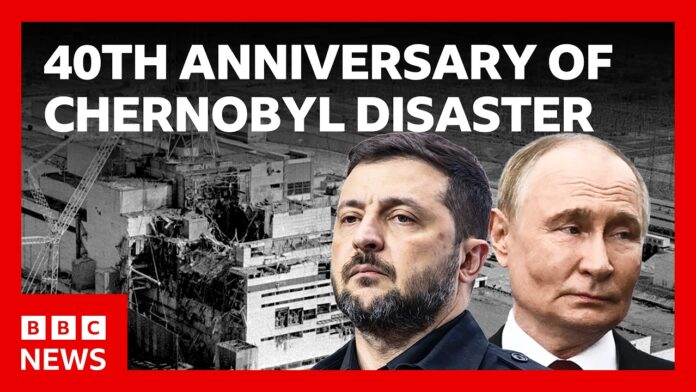
Zelensky Accuses Russia of ‘Nuclear Terrorism’ on 40th Anniversary of Chernobyl Meltdown

Ukrainian President Volodymyr Zelensky on Sunday accused Russia of practicing “nuclear terrorism” with its “reckless attacks” on Chernobyl, site of history’s worst nuclear disaster on April 26, 1986

“Forty years ago, the world faced one of the largest nuclear disasters — the fourth reactor of the Chernobyl nuclear power plant exploded. A significant amount of radioactive substances was released. Hundreds of thousands of people have been dealing with the consequences of that tragedy for years,” Zelensky noted in his post on Telegram.

The Ukrainian president noted that Chernobyl is still dangerous. The radiation from the 1986 incident is contained within a massive metal and concrete “sarcophagus” which was covered with a larger second structure known as the New Safe Confinement (NSC) after it was deemed too dangerous to repair flaws in the original sarcophagus.

The sarcophagus contains almost 250 tons of radioactive material, which collectively emit radiation that is over 20 times as high as the dose considered lethal to human beings. According to various estimates, the area contained within the safety structure will remain dangerously radioactive for centuries, perhaps millennia.

Zelensky said on Sunday that the “maintenance and protection” of the Chernobyl safety structures “are in everyone’s interests.”

“But with its war, Russia is once again putting the world on the brink of a man-made accident: Russian-Iranian ‘shaheds’ constantly fly over the station, and one of them hit the confinement last year,” he said.

Shaheds are Iran’s cheap but effective kamikaze drones, which Russia acquired in huge quantities to offset Ukraine’s early advantage in drones when Russia invaded in 2022. Russia later began manufacturing its own kamikaze drones based on the Iranian design.

On February 14, 2025, Ukrainian officials say a Russian kamikaze drone struck the outer layer of the Chernobyl containment structure, starting a fire on the exterior of the NSC. The impact caused minor damage to an area of the NSC that had a low contamination rating, and no rise in radiation levels outside the NSC was detected after the incident.

The February 2025 attack nevertheless alarmed the international community, which feared a stronger attack could either inadvertently, or deliberately, penetrate the NSC and cause a dangerous release of radiation. The International Atomic Energy Agency (IAEA) warned that even the minor damage from the drone strike could shorten the effective lifespan of the NSC, which was supposed to last for at least a hundred years.

In October 2025, Zelensky accused Russia of deliberately attempting to cause an incident at Chernobyl by attacking the electrical infrastructure around the site. This caused power fluctuations within the containment system, which relies on outside power to function.

The Kremlin at first denied the report of a drone strike on Chernobyl, dismissing it as a “fabrication,” and later suggested the Ukrainians attacked the Chernobyl dome themselves. The Russians have also accused Ukraine of launching drone strikes against operational Russian nuclear power plants.

“The world must not allow this nuclear terrorism to continue, and the best way is to force Russia to stop its insane attacks,” Zelensky wrote on Sunday.

“We remember everyone who gave their lives eliminating the consequences of this tragedy. A bright memory to all the victims of the Chernobyl disaster,” he concluded.

IAEA Director-General Rafael Grossi was in Kyiv on Sunday for the 40th anniversary of the Chernobyl incident. He met with Zelensky to discuss the safety situation at the Zaporizhzhia Nuclear Power Plant (ZNPP) located on Ukrainian soil that is currently occupied by Russian forces.

Zelensky told Grossi that ZNPP “must be returned to the management of Ukraine’s licensed operator and nuclear regulator” to ensure its safety.

On Monday, an employee of the ZNPP was killed by a drone strike, which Russian occupying forces blamed on the Ukrainian military. The IAEA said it had been informed of the incident, and Grossi stressed that “strikes on or near NPPs can endanger nuclear safety and must not take place.”


Melania Trump: ‘Coward’ Jimmy Kimmel ‘Deepens the Political Sickness Within America,’ Calls on ABC to ‘Take a Stand’

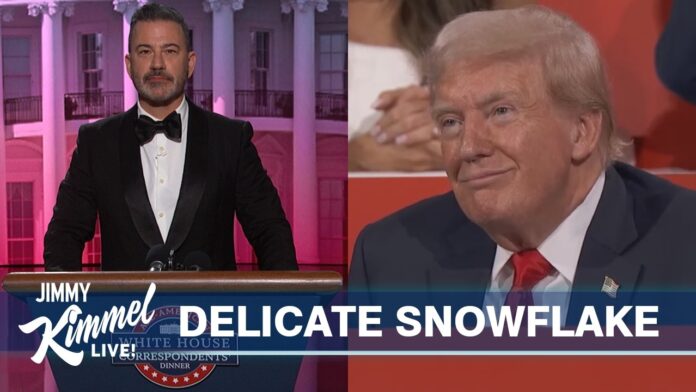
(Breitbart) First Lady Melania Trump rebuked Disney-owned ABC late-night host Jimmy Kimmel following his Jimmy Kimmel Live! monologue in which he said Mrs. Trump has “a glow like an expectant widow,” calling Kimmel a “coward,” describing his rhetoric as divisive, and pressing ABC to take action.

Writing on X from the official First Lady account, Melania Trump said: “Kimmel’s hateful and violent rhetoric is intended to divide our country. His monologue about my family isn’t comedy — his words are corrosive and deepens the political sickness within America.”

“People like Kimmel shouldn’t have the opportunity to enter our homes each evening to spread hate,” Mrs. Trump said. “A coward, Kimmel hides behind ABC because he knows the network will keep running cover to protect him.”

Directing her remark at ABC parent company Disney, Mrs. Trump “Enough is enough. It is time for ABC to take a stand. How many times will ABC’s leadership enable Kimmel’s atrocious behavior at the expense of our community,”

The response followed a segment on Kimmel’s Disney-owned ABC late-night show in which he put on a mock White House Correspondents’ Dinner roast that included a joke aimed at the first lady. During the segment, Kimmel referenced Melania Trump with the line, “Mrs. Trump, you have a glow like an expectant widow,” drawing laughter from the studio audience.

The broadcast aired days before a shooting at the White House Correspondents’ Dinner in Washington, D.C., where 31-year-old Cole Tomas Allen allegedly charged through a magnetometer and shot a Secret Service agent before being apprehended. Reports said Allen donated $25 to ActBlue, a Democratic fundraising platform, earmarked for Kamala Harris’s presidential campaign. A senior Trump administration official said Allen wrote a manifesto detailing an intention to target Trump administration officials and attended a left-wing No Kings protest, while Fox News’s Jacqui Heinrich reported that Allen’s brother alerted authorities after receiving the alleged manifesto.

President Donald Trump later described the suspect as “a sick guy” and said the shooting was “a rather traumatic experience” for the first lady. Video from the event showed Secret Service agents quickly surrounding the president and first lady as shots were heard, with people shouting “Get down!” before they were escorted to safety. The event was subsequently canceled.

Kimmel’s recent comments follow prior backlash tied to his on-air remarks about Charlie Kirk’s assassination. In September 2025, he said that Republicans and others were “desperately trying to characterize this kid who murdered Charlie Kirk as anything other than one of them,” referring to the “MAGA gang,” a characterization disputed by officials and case details indicating a left-leaning ideology. The comments prompted broadcast affiliate Nexstar Media Group to preempt his show from its owned and partner ABC stations, with the company stating the remarks were “offensive and insensitive at a critical time in our national political discourse” and “do not reflect the spectrum of opinions, views, or values of the local communities.”

President Donald Trump on Monday called for Disney and ABC to fire late-night host Jimmy Kimmel after he said First Lady Melania Trump had “a glow like an expectant widow” in a monologue that preceded a shooting at the White House Correspondents’ Dinner.

ABC said last December it signed Kimmel to a one-year contract extension, before his previous contract was up in May. The deal keeps Kimmel on air as Disney’s late-night comedian until at least May 2027.

US Allows Venezuela To Fund Maduro’s Defense After Court Challenge

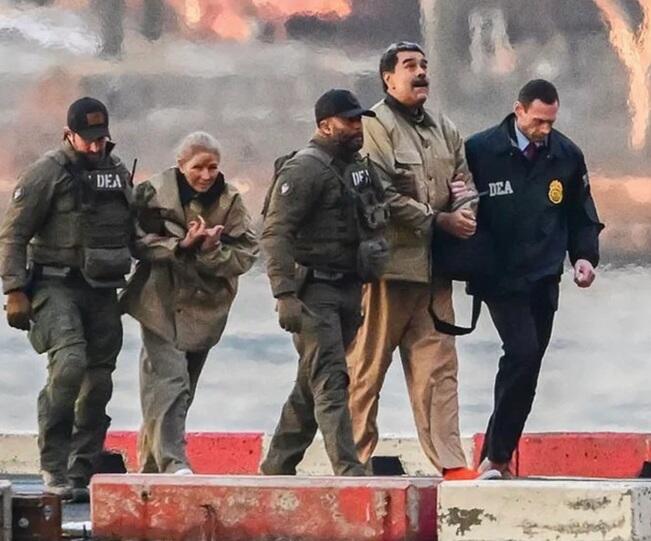
Nicolás Maduro and his wife Cilia Flores (Shutterstock)

Authored by Tom Gantert via The Epoch Times,

The United States will ease sanctions on Venezuela to allow its regime to pay legal fees for former Venezuelan leader Nicolás Maduro in a U.S. drug trafficking case, according to a court filing in the U.S. District Court for the Southern District of New York.

The April 24 filing states that the U.S. Treasury Department authorized an exception to existing sanctions, permitting funds to be used for Maduro’s legal defense.

Maduro is awaiting trial on federal charges, including those related to narco-terrorism and drug trafficking.

Attorney Barry Pollack, on behalf of Maduro, said in court documents filed in February that Venezuela, under its laws, had an obligation to pay Maduro’s legal expenses. Pollack said Maduro lacked his own funds to pay for legal counsel and “is being deprived of his constitutional right to counsel of his choice.”

“Mr. Maduro, as Venezuela’s head of state, has both a right and an expectation to have legal fees associated with these charges funded by the government of Venezuela,” the February court filing stated.

If declined, the cost of Maduro’s defense would be shifted from Venezuela to U.S. taxpayers even though Venezuela was willing and obligated to pay for it, Pollack stated in his brief.

“After invading another country and forcibly bringing its sovereign head of state to the United States, the government of the United States is now actively preventing him from retaining counsel of his choice and receiving a fair defense in this Court, in violation of his Sixth Amendment and Due Process rights,” the February filing stated.

Pollack had moved to get the indictment dismissed.

The United States captured Maduro and his wife, Cilia Flores, in a Jan. 3 raid. U.S. President Donald Trump posted a photo to social media showing Maduro in custody while blindfolded and handcuffed aboard the U.S. Navy ship USS Iwo Jima.

According to the February filing, Maduro was being held in isolation at the Metropolitan Detention Center in the Brooklyn borough of New York City pending trial on charges that “relate to alleged conduct that occurred while he was the head of state of a sovereign nation.”

The U.S. Department of State said Maduro led the Cartel of the Suns, a drug-trafficking organization that was made up of high-ranking Venezuelan officials.

In November 2025, the State Department declared Venezuela’s Cartel of the Suns as a terror organization.

Maduro took over leadership of Venezuela in 2013 and became increasingly politically hostile toward the United States as the years progressed, according to the U.S. War Department.

Israel Election Polls Show Netanyahu Facing Growing Challenge from Bennett-Lapid Alliance

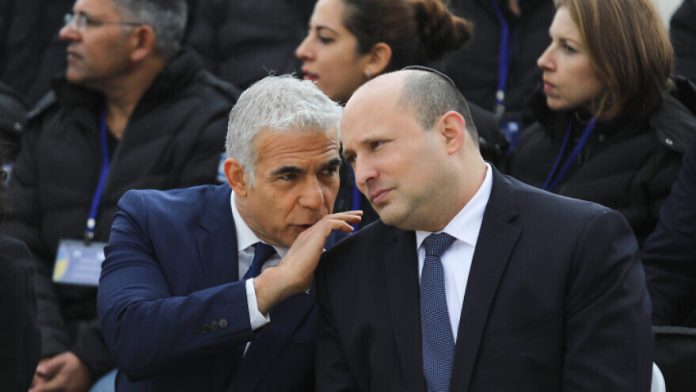
Former Prime Minister Naftali Bennett and formerMinister of Foreign Affairs Yair Lapid attend the departure ceremony of the Israeli aid delegation for the establishment of a field hospital in Ukraine on March 21, 2022 at Ben Gurion airport near Tel Aviv. Photo by Marc Israel Sellem/POOL


(TJV NEWS) New polling trends in Israel indicate that Prime Minister Benjamin Netanyahu is facing one of his strongest electoral challenges in years, as opposition figures Naftali Bennett and Yair Lapid move toward a coordinated political front ahead of the next national election, according to reporting by The Times.

The report details how Bennett and Lapid—both former prime ministers—have aligned politically in an effort to consolidate opposition support and improve their chances of unseating Netanyahu. The emerging alliance is viewed as an attempt to unify fragmented anti-Netanyahu parties into a more competitive bloc capable of securing a governing majority in the Knesset.

Polling cited in the report suggests that Netanyahu’s Likud party remains one of the largest single political forces in Israel, but it is not projected to command a stable governing majority when combined with its current coalition partners. At the same time, the combined strength of Bennett and Lapid’s parties, if coordinated, could rival or surpass Netanyahu’s bloc depending on final seat distribution and coalition negotiations.

The political dynamic reflects a broader pattern in Israeli elections, where no single party typically wins outright and coalition-building determines who forms the government. The Times reporting notes that both the Netanyahu-led camp and the Bennett-Lapid opposition would likely need support from smaller parties to reach the 61-seat threshold required for a parliamentary majority in the 120-seat Knesset.

Bennett’s return to frontline politics is a notable factor in the shifting landscape. The former prime minister previously led a short-lived coalition government that included parties across the political spectrum. Lapid, who also briefly served as prime minister, currently leads a centrist opposition bloc and has long been one of Netanyahu’s most prominent political challengers.

Netanyahu, Israel’s longest-serving leader, continues to retain strong support among right-wing and religious voters, but the report highlights growing political fatigue among segments of the electorate following years of political deadlock, repeated elections, and ongoing security concerns.

The emerging Bennett-Lapid alignment signals a strategic effort to reduce fragmentation in the opposition, which has historically struggled to coordinate effectively against Netanyahu’s more unified right-wing base.

As The Times reports, the final outcome will depend heavily on coalition negotiations after the election, with no clear path yet for either side to independently secure a governing majority.

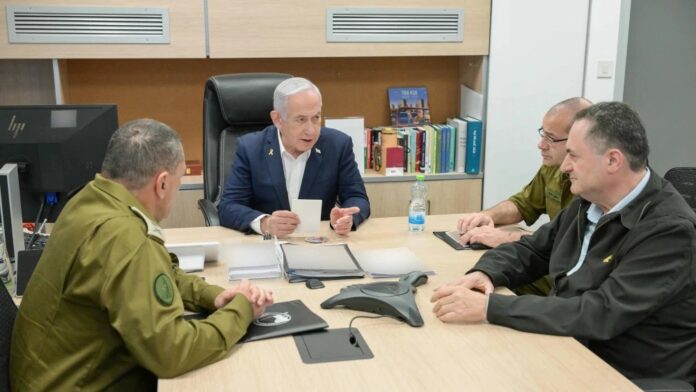
Netanyahu holds consultations as Jerusalem braces for collapse of US-Iran talks

Israeli Prime Minister Benjamin Netanyahu holds a security assessment at the Kirya military headquarters in Tel Aviv with Defense Minister Israel Katz and senior security officials, March 18, 2023. Photo: Maayan Toaf/GPO.

Netanyahu called the two meetings “to examine a series of scenarios in the event that the negotiations collapse,” according to Channel 12 News.

Jerusalem is reportedly urging the United States to continue its closure of the Strait of Hormuz and not ease the naval blockade as a goodwill gesture during the talks.

According to Israeli assessments cited by Channel 12, the continued blockade is expected to increase pressure on the Islamic regime by reducing revenues, exacerbating internal divisions and leaving it with a choice: ease its negotiating positions or face greater instability, potentially including renewed U.S.-Israeli military action.

According to senior Israeli officials, if Tehran does not soften its position even after a prolonged blockade, the U.S. may opt for a return to fighting. Israeli officials have discussed the option of broad strikes targeting the Islamic Republic’s energy infrastructure, per Channel 12 News.

Iranian President Masoud Pezeshkian told Pakistani Prime Minister Shehbaz Sharif in a call on Sunday that Washington “must first remove operational obstacles, including the blockade,” as a condition for “resolving issues.”

Pezeshkian said American maritime restrictions on Iran were a “clear breach of the ceasefire understandings.” Such measures, along with “threatening rhetoric” from the U.S. administration, have increased Tehran’s doubts regarding America’s commitment to the diplomatic process, he said, according to Iran’s semi-official Mehr News Agency.

U.S. President Donald Trump on Saturday said he had canceled the trip of the American negotiators to Islamabad as the Iranian representatives had already left Pakistan.

Explaining his decision on Truth Social, Trump wrote, “Too much time wasted on traveling, too much work! Besides which, there is tremendous infighting and confusion within their ‘leadership.’”

“Nobody knows who is in charge, including them. Also, we have all the cards, they have none! If they want to talk, all they have to do is call!!!” the president added.

Meanwhile on Monday morning, Iranian Foreign Minister Abbas Araghchi touched down in St. Petersburg ahead of a meeting with Russian President Vladimir Putin, after Tehran’s top diplomat visited key mediators Pakistan and Oman over the weekend, CNN reported.

Araghchi said his trip to St. Petersburg was “a good opportunity for us to consult with our Russian colleagues regarding the developments related to the war,” per Iranian state media.

During his visit to Pakistan, Araghchi gave Islamabad a list of Iran’s “red lines” to be conveyed to the United States, state-controlled outlet Fars reported. The news agency said Tehran’s red lines included “nuclear issues and the Strait of Hormuz.”

Iranian Parliament Speaker Mohammad Bagher Ghalibaf has reportedly stepped down as the regime’s lead negotiator amid internal divisions, including regarding the nuclear program.

According to the Iran International opposition outlet, a delegation led by Ghalibaf and Araghchi was ready to leave for Islamabad last week when a message from Supreme Leader Mojtaba Khamenei’s inner circle ruled out discussing the nuclear program and reprimanded the foreign minister over having raised the issue in previous negotiations.

Araghchi reportedly responded by saying that traveling to Pakistan would serve no purpose, as excluding the nuclear issue would effectively doom any possibility of progress in the peace talks.

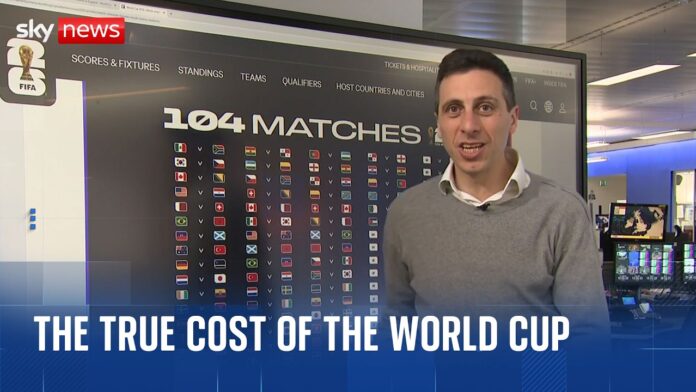
Travel to World Cup 2026 Matches Driving Up Costs for Fans Beyond Tickets, Bloomberg Reports

(TJV NEWS) Fans planning to attend the 2026 FIFA World Cup are facing significantly higher overall costs once travel and logistics are factored in, according to reporting by Bloomberg.

The report highlights that while ticket prices have already drawn widespread attention, the broader expense of simply getting to matches—particularly in major U.S. host cities—is adding a substantial financial burden for supporters.

In some cases, transportation options near stadiums are expected to be extremely expensive or logistically difficult. Bloomberg notes that fans in cities like New York and Boston may face highly inflated transit and mobility costs on match days. This includes surge pricing for ride-hailing services, limited public transport capacity, and steep parking fees near venues such as MetLife Stadium in New Jersey.

The report also describes more premium travel options emerging for wealthier fans, including helicopter transport to bypass traffic congestion, with costs reaching tens of thousands of dollars per trip for small groups. At the other end of the spectrum, more conventional travel options such as rental cars and Ubers are expected to carry their own inflated pricing due to demand spikes and limited availability.

Public transportation systems in host regions are also expected to face strain, with some services reportedly increasing fares or reducing access near stadiums on match days, further complicating travel planning for attendees.

Bloomberg frames the situation as part of a broader “total cost” issue for fans, where expenses extend far beyond admission tickets and include transportation, accommodation, and last-mile stadium access challenges. The result, the report suggests, is that attending World Cup matches in the United States may become a significantly more expensive and complex experience than many international fans initially anticipated.

The 2026 tournament, co-hosted by the United States, Canada, and Mexico, is expected to draw millions of visitors across multiple cities, intensifying pressure on infrastructure and local transportation networks during the event period.

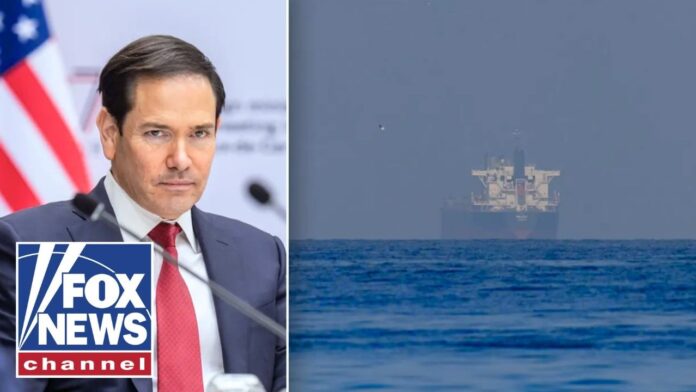
Iran Floats New Strait of Hormuz Deal Framework as Rubio Signals Hardline U.S. Resistance, Report Says

(TJV NEWS) Iran has reportedly put forward a new diplomatic proposal aimed at de-escalating tensions with the United States by focusing on reopening the Strait of Hormuz, while postponing broader and more controversial issues such as its nuclear program for later negotiations, according to reporting originally published by ZeroHedge and citing Axios and regional diplomatic intermediaries.

The proposal, which was reportedly transmitted through Pakistani channels, outlines a phased approach to reducing confrontation. In the first stage, Iran is said to be willing to engage on maritime security and stabilization of the Strait of Hormuz—a critical global oil chokepoint through which roughly 20% of the world’s petroleum flows. Only after that, according to the reporting, would negotiations shift toward Iran’s nuclear program and broader sanctions issues.

The framing appears designed to break a months-long diplomatic deadlock by isolating the most urgent economic and security pressure point—the Strait—from the more politically sensitive nuclear file.

However, U.S. reaction, as described in the report, remains sharply divided between exploratory diplomacy and firm skepticism. While President Donald Trump has reportedly indicated openness to continued communication with Tehran, including the possibility of direct phone-level engagement if it advances de-escalation, key officials within his foreign policy team are described as far less receptive to Iran’s sequencing strategy.

A central voice in that resistance is reported to be Secretary of State Marco Rubio, who has consistently advocated for maintaining maximum pressure on Tehran and tying any maritime or sanctions relief directly to verifiable nuclear concessions. According to the reporting, Rubio and other hardline officials view Iran’s proposal as an attempt to delay substantive commitments on uranium enrichment and weapons-related concerns while extracting early economic and strategic concessions in the Strait of Hormuz.

Rubio’s position, as characterized in the coverage, is that the United States should not separate maritime security from nuclear compliance, arguing that doing so risks giving Iran operational breathing room without structural guarantees on its nuclear program. His camp reportedly insists that any agreement must include immediate, enforceable nuclear constraints rather than a phased or segmented negotiation process.

The Strait of Hormuz remains the central geopolitical pressure point in the standoff. Recent tensions in the region, including naval maneuvering and periodic threats to disrupt shipping lanes, have heightened global concern over energy market stability. Even limited disruptions in the waterway have historically triggered sharp fluctuations in oil prices, making it a focal point of international diplomacy.

Iran’s reported strategy appears aimed at leveraging that vulnerability to create diplomatic momentum, offering de-escalation where global economic stakes are highest while deferring its most contentious strategic program. The United States, meanwhile, is weighing whether such a split-track approach would weaken negotiating leverage or create a viable off-ramp from escalating regional confrontation.

As described in the ZeroHedge report citing Axios and regional intermediaries, the proposal is not currently viewed as a finalized agreement but rather an opening framework intended to test whether partial de-escalation could unlock broader negotiations. Despite the outreach, significant gaps remain between Tehran’s sequencing approach and Washington’s insistence—led in part by Rubio—on simultaneous progress across all major issues.

For now, diplomatic channels remain open, but the divide over structure and timing suggests that any potential deal remains at an early and fragile stage.

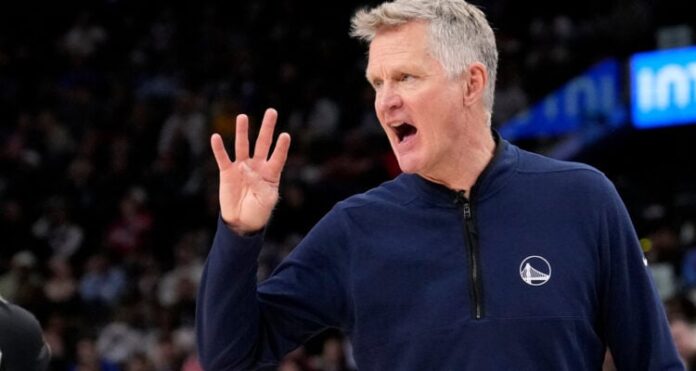
Legendary NBA coach slams Israel, job in jeopardy

Golden State Warriors head coach Steve Kerr gestures during the second half of an NBA play-in tournament basketball game against the Los Angeles Clippers, Wednesday, April 15, 2026, in Inglewood, Calif. (AP Photo/Mark J. Terrill)

( United with Israel ) Golden State Warriors head coach Steve Kerr is facing growing backlash following sharply critical remarks about Israel in a recent interview, fueling questions about his future with the franchise.

Kerr, who led Golden State to four championships in seven years, made the comments in an interview with The New Yorker, where he delivered a pointed critique of Israel’s actions following the October 7 attacks.

“There was an opening for Israel to handle their business with the Palestinians diplomatically that would have solidified the Abraham Accords and allowed stronger alliances with Arab countries that would have really cornered Iran,” Kerr said.

“Instead, Israel sought revenge for October 7th and now seventy-two thousand Palestinians have been killed and Israeli settlers are taking over the West Bank illegally, with the approval of Israel’s government and the U.S. Ambassador, Mike Huckabee.”

He added, “That’s not a path to any sort of peace or security for Israel or the rest of the Middle East.”

Kerr also broadened his criticism to the United States, arguing that “we’re as weak as we’ve ever been as a country, at least in a long time, because our leadership is so misguided,” citing what he described as a lack of humility, understanding, and respect.

His remarks have drawn sharp criticism for their harsh characterization of Israel’s war effort and for echoing widely disputed casualty figures and claims regarding Israeli policy in Judea and Samaria.

According to multiple U.S. media reports, Warriors management has grown increasingly frustrated with Kerr’s repeated political commentary and is now weighing its options regarding his future with the team.

At the same time, Kerr introduced further uncertainty about his own future, suggesting he may not remain long-term regardless of management’s decision.

He indicated that if franchise cornerstones Stephen Curry and Draymond Green choose to retire, he would step down alongside them.

The controversy has added to speculation that one of the NBA’s most successful dynasties could be nearing its end, as tensions rise both on and off the court.

Netanyahu Voices Relief After Trump Emerges “Safe and Strong” From WH Correspondents Dinner Shooting

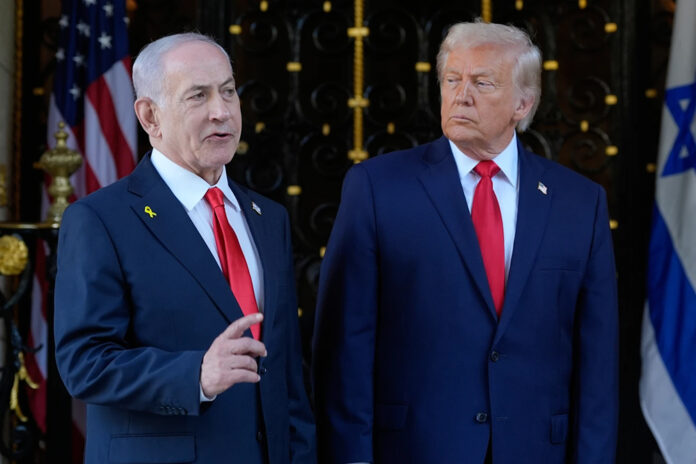
President Donald Trump listens as Israel’s Prime Minister Benjamin Netanyahu speaks during an arrival at his Mar-a-Lago club, Monday, Dec. 29, 2025, in Palm Beach, Fla. (AP Photo/Alex Brandon)


By: Ariella Haviv

In the immediate aftermath of a violent incident that shattered the decorum of one of Washington’s most anticipated annual gatherings, senior Israeli leaders issued strong statements of relief, solidarity, and condemnation, underscoring the enduring strategic and moral alignment between Jerusalem and Washington. The shooting, which occurred outside the White House Correspondents’ Dinner on Saturday evening, prompted swift reactions from Israel’s highest offices, reflecting both concern for American leadership and a broader denunciation of political violence.

As reported by The Jewish News Syndicate, Israeli Prime Minister Benjamin Netanyahu led the response on Sunday, expressing profound relief that President Trump and First Lady Melania Trump were unharmed during the incident. His remarks conveyed both personal concern and a reaffirmation of the close relationship between the two nations.

“We are relieved that President Trump and the First Lady are safe and strong,” Netanyahu stated, adding that Israel extends its wishes for a full and swift recovery to the law enforcement officer injured in the attack. He also offered a pointed commendation of the United States Secret Service, whose rapid and decisive response prevented further escalation.

Netanyahu’s statement was echoed and reinforced by Israeli President Isaac Herzog, who conveyed a broader national sentiment of solidarity. In his own public remarks, Herzog emphasized that Israel was praying for the continued safety and stability of the United States and its leadership.

According to the JNS report, Herzog described the incident as a “heinous attack” and expressed relief that no senior officials or attendees were harmed. His statement specifically acknowledged the presence of Vice President JD Vance, as well as other high-ranking officials and guests who had gathered for the event.

Herzog also drew attention to the injured officer, noting with gratitude that the individual was in stable condition and on a path toward recovery. His remarks reflected a broader recognition of the risks faced by law enforcement personnel tasked with protecting public officials and large gatherings.

Further reinforcing Israel’s position, Gideon Sa’ar issued a strongly worded condemnation of the shooting. Describing the attack in unequivocal terms, Sa’ar emphasized that Israel stands “shoulder to shoulder” with the United States in the face of such threats.

His statement, cited in the JNS report, highlighted the broader implications of political violence and the necessity of maintaining a firm and unified response. By commending the actions of the Secret Service agents who neutralized the attacker, Sa’ar underscored the importance of preparedness and professionalism in safeguarding democratic institutions.

“Zero tolerance for political violence,” he declared, encapsulating a principle that resonates across both nations’ political frameworks.

The shooting itself occurred just after 8:30 on Saturday evening, as guests were arriving at the Washington Hilton for the annual White House Correspondents’ Dinner. The event, which traditionally serves as a forum for interaction between the press and political leadership, was abruptly disrupted by gunfire near the main security screening area.

Law enforcement officials have identified the suspect as Cole Allen, 31, a resident of Torrance, California. According to information reported by JNS, Allen was armed with a shotgun, a handgun, and multiple knives at the time of the attack. Authorities have indicated that he appears to have acted alone.

The suspect was apprehended at the scene following a swift response by security personnel. One law enforcement officer sustained injuries during the confrontation but is expected to recover fully.

Subsequent reporting indicates that Allen informed investigators of his intention to target members of the Trump administration. While he did not explicitly identify the president as his primary objective, his statements suggest a broader animus directed toward government officials.

The rapid containment of the situation was widely attributed to the coordinated efforts of the Secret Service and local law enforcement. Their actions ensured the security of all attendees, including senior government officials and members of the press.

The event was immediately halted, and attendees were evacuated in an orderly yet urgent manner. President Trump and the First Lady were escorted to safety, while other high-profile guests were similarly protected.

In the hours following the incident, officials emphasized that there was no ongoing threat to the public. The suspect’s capture and the absence of additional perpetrators contributed to a sense of containment, though the psychological impact of the event was considerable.

The White House Correspondents’ Dinner occupies a unique place in American public life, serving as both a social event and a symbolic celebration of the First Amendment. The attack, therefore, carried significance beyond its immediate physical consequences.

For Israeli leaders, the targeting of such an event underscored the broader danger posed by political violence. Their responses reflected an understanding that attacks on democratic institutions, whether in the United States or elsewhere, have far reaching implications.

By expressing solidarity with the United States, Israeli officials reinforced a longstanding partnership rooted in shared values and mutual security interests. Their statements also served to highlight the global dimension of threats to democratic governance.

While the immediate responses from Israeli leadership were among the most prominent, the incident has prompted reactions from a range of international actors. The expressions of support and condemnation reflect a shared recognition of the need to address violence directed at political figures and public institutions.

The alignment between Israel and the United States, as evidenced in the statements reported by JNS, underscores the importance of international cooperation in confronting such challenges. It also highlights the role of diplomatic communication in reinforcing alliances during moments of crisis.

In the wake of the attack, the White House Correspondents’ Association has confirmed that the annual dinner will be rescheduled. The decision reflects a determination to uphold the traditions associated with the event while ensuring the safety of all participants.

For both American and Israeli leaders, the incident serves as a reminder of the vulnerabilities inherent in open societies. It also underscores the necessity of vigilance, preparedness, and resilience in the face of evolving threats.

Netanyahu’s remarks, along with those of Herzog and Sa’ar, encapsulate a broader message of solidarity and resolve. Their statements affirm a shared commitment to protecting democratic institutions and confronting those who seek to undermine them through violence.

The shooting at the White House Correspondents’ Dinner represents a stark and unsettling interruption of a longstanding tradition. Yet it has also prompted a reaffirmation of the values that underpin both American and Israeli societies.

As reported by JNS, the unified response from Israeli leadership highlights the power of international alliances in times of crisis. Their expressions of relief, gratitude, and condemnation reflect a shared understanding of the stakes involved.

In the days ahead, as investigations continue and the event is rescheduled, the focus will remain on ensuring security, supporting those affected, and reaffirming the principles that such gatherings are intended to celebrate. The incident, while deeply troubling, has also served to reinforce the bonds between two nations committed to the defense of democracy and the rule of law.

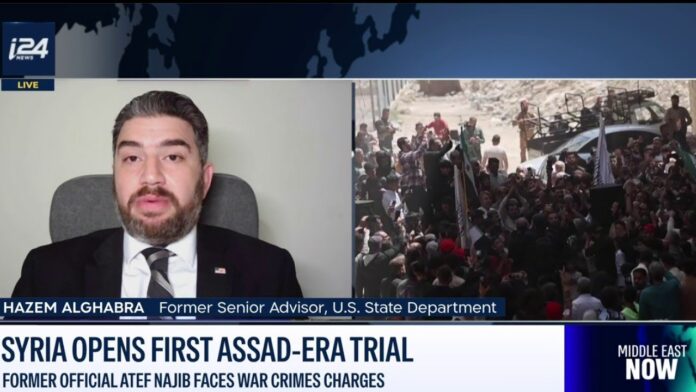
Syria’s first public trial of Assad-era officials opens in Damascus

(AP) — The first public trial in Syria of officials linked to the rule of former President Bashar Assad opened Sunday in Damascus.

Atef Najib, a former Syrian army brigadier general who was head of the Political Security Branch in southern Syria’s Daraa province under Assad and who is also a cousin of the former president, appeared in the courtroom to face charges related to “crimes against the Syrian people,” state-run news agency SANA reported.

Najib was in that position in 2011, when teenagers who scrawled anti-government graffiti on a school wall in Daraa were arrested and tortured. The case became a catalyst for mass protests against the repressive policies of Assad’s security forces.

The protests were met by a brutal government crackdown and spiraled into a 14-year civil war that ended with Assad’s ouster in December 2024 in a lightning rebel offensive. Assad fled to Russia, while most members of his inner circle also escaped Syria.

Assad and his brother, Maher, former commander of the Syrian military’s 4th Armored Division — which Syrian opposition activists have accused of killings, torture, extortion and drug trafficking, in addition to running its own detention centers — were charged in absentia, along with a number of other former high-ranking security officials.

Najib was the only one of the defendants who was arrested and present in person in court Sunday for a preparatory session in the trial, which will continue next month.

Crowds gathered outside the courthouse to celebrate. Baraa Abdulrahman, a spokesperson for the Syrian Ministry of Justice, said the trial “is of great importance for the independence of the judiciary, for transparency and accountability.”

One of the plaintiffs, Ramez Abu Nabbout, said his brother, a father of three, was killed when security forces opened fire on protesters at Daraa’s Omari Mosque.

“He was a civilian and peaceful, but Atef Najib greeted peaceful (protesters) with gunfire,” he said. “Of course we hope Atef Najib will be quickly convicted and will get the most serious sentence, which is the death penalty.”

The government of interim President Ahmad al-Sharaa has faced criticism over delays in launching a promised transitional justice process. Syria is struggling to heal following 14 years of civil war that left an estimated half a million people dead, millions more displaced, and the country battered and divided.

Authorities now appear to be moving more aggressively to prosecute officials linked to Assad.

Syrian authorities on Friday arrested Amjad Yousef, a former intelligence officer who appeared in a video leaked four years ago that purportedly showed him and his comrades executing dozens of blindfolded and shackled prisoners in the Damascus suburb of Tadamon during the country’s civil war.


Critics Slam Democrats’ Continued Anti-Trump Rhetoric Following Third Attempt on President’s Life at WHCD

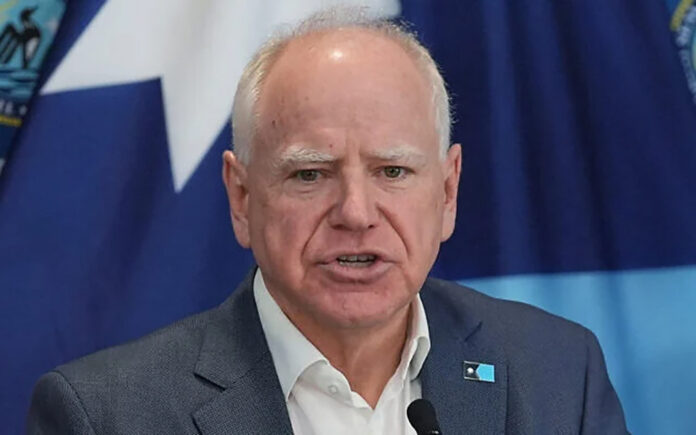
Minnesota Governor Tim Walz compared illegal migrants in his state to Anne Frank hiding from the Nazis in the infamous attic in Amsterdam. (AP Photo/Abbie Parr)


By: Fern Sidman

In the aftermath of the alarming shooting at the White House Correspondents’ Association Dinner on Saturday evening, a new and contentious dimension of the national conversation has emerged—one that extends far beyond the immediate security breach and into the fraught terrain of political discourse. As detailed in a report on Sunday in The New York Post, critics are increasingly focusing not only on the actions of the alleged assailant, Cole Allen, but also on the rhetoric employed by prominent political figures in the years and months leading up to the incident.

This unfolding debate has placed Democratic lawmakers in the spotlight, as their public condemnations of political violence are being juxtaposed with prior statements that opponents argue contributed to an atmosphere of heightened hostility. The resulting tension has ignited a broader national reckoning over the role of language in shaping political behavior and the extent to which inflammatory rhetoric may influence acts of violence.

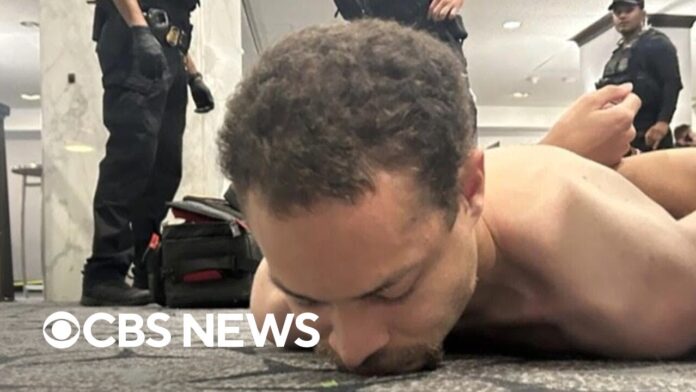
The shooting itself, which disrupted one of Washington’s most prestigious annual events, sent shockwaves through the political and media establishment. According to the information provided in The New York Post report, the accused gunman, Cole Allen, age 31, entered the Washington Hilton Hotel in downtown Washington armed and allegedly intent on targeting President Donald Trump and members of his administration. The rapid response of law enforcement prevented a far more catastrophic outcome, but the incident nonetheless underscored the persistent threat of political violence in the United States.

In the immediate aftermath, elected officials across the political spectrum issued statements condemning the attack. Expressions of relief that the President and other attendees were unharmed were coupled with declarations that violence has no place in American civic life. These responses, while broadly consistent in tone, have since been subjected to intense scrutiny.

Critics, as cited by The New York Post, have drawn attention to a dissonance between the denunciations issued after the attack and earlier remarks made by some of the same officials. This critique has been amplified by research circulated by partisan organizations, which have compiled past statements to argue that certain political figures have contributed to an environment of escalating hostility.

Among those highlighted is Senator Elissa Slotkin of Michigan. In her response to the shooting, she expressed gratitude for the safety of those present and reaffirmed that political violence is unacceptable. However, critics pointed to previous comments in which she described President Trump as an “existential threat to democracy,” arguing that such language may intensify political divisions and foster animosity.

Similarly, former vice presidential candidate and Minnesota governor Tim Walz issued a statement lamenting the prevalence of political violence. Yet his past rhetoric, which included comparisons between Trump and authoritarian regimes, has been cited by detractors as emblematic of a broader pattern of alarmist discourse.

Elissa Slotkin AP

The New York Post reported that these contradictions have become a focal point for those who believe that political leaders must be held accountable not only for their responses to violence but also for the language they use in shaping public perception.

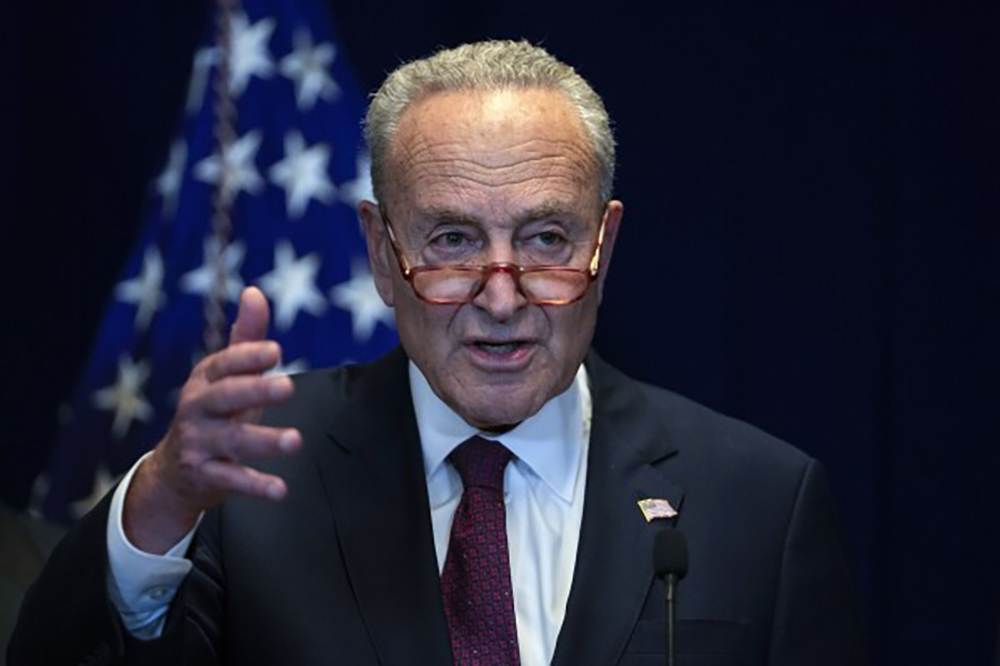
The reaction of Senate Minority Leader Chuck Schumer further illustrates the complexities of this debate. His statement following the incident emphasized gratitude for law enforcement efforts and ongoing monitoring of the situation. However, critics noted the absence of a direct condemnation of the assailant’s ideological motivations, interpreting this omission as indicative of a cautious or incomplete response.

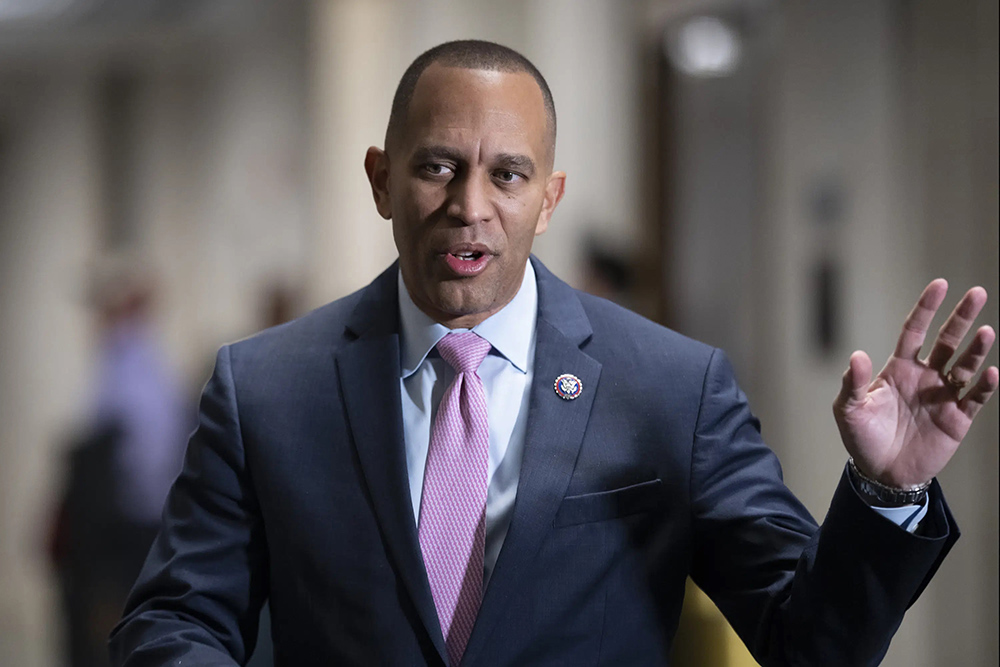
House Minority Leader Hakeem Jeffries also issued a statement condemning violence and calling for an end to chaos. Yet, as highlighted in The New York Post report, remarks he made just days earlier—advocating for “maximum warfare” against political opponents—have been cited as evidence of the increasingly combative tone that characterizes contemporary political discourse.

Rep. Hakim Credit: AP

These examples underscore a central tension: the challenge of reconciling the imperative to oppose violence unequivocally with the realities of a political environment in which forceful and often incendiary language has become commonplace.

The concerns raised in the wake of the April 25 incident are not without precedent. Following the assassination attempt against President Trump in Butler, Pennsylvania on July 13, 2024, then-President Joe Biden issued a call to “lower the temperature” of American politics. That appeal, widely reported at the time, reflected a recognition of the dangers posed by escalating rhetoric.

However, as The New York Post and other outlets have observed, the persistence of inflammatory language suggests that such calls have had limited impact. Instead, the intervening period has been marked by continued polarization, with both sides of the political spectrum employing increasingly stark and confrontational language.

The recurrence of assassination attempts during this period has intensified concerns about the potential consequences of this trend. While there is no direct evidence linking specific statements to acts of violence, the broader environment in which such acts occur has become a subject of urgent inquiry.

Experts in political behavior and security studies have long emphasized the complex interplay between rhetoric and action. While individual perpetrators often act independently, their motivations may be shaped by a confluence of factors, including personal grievances, ideological beliefs, and exposure to polarizing narratives.

“This time it’s real,” added Senate Majority Leader Chuck Schumer. “The Gateway race was truly a marathon but we laced up, kept the pace and we made it.” Credit: AP

The New York Post has reported that critics view certain forms of political language—particularly those that frame opponents as existential threats or invoke extreme historical comparisons—as contributing to a climate in which violence becomes more conceivable. Such language, they argue, may dehumanize adversaries and lower the threshold for justifying extreme actions.

At the same time, defenders of robust political expression caution against conflating rhetoric with responsibility for violence. They argue that vigorous debate is a fundamental component of democratic governance and that efforts to constrain speech risk undermining core constitutional principles.

The debate sparked by the White House Correspondents’ Dinner shooting reflects a broader moment of introspection within American society. As The New York Post report emphasized, the incident has become a catalyst for examining not only security protocols but also the underlying dynamics of political communication.

The question at the heart of this discussion is both simple and profound: how can a democratic society preserve the vitality of its political discourse while mitigating the risks associated with increasingly hostile language?

For many observers, the answer lies in a renewed commitment to civility and restraint. This does not entail abandoning strong opinions or vigorous debate but rather recognizing the potential impact of words in shaping perceptions and behaviors.

In practical terms, the aftermath of the April 25 incident is likely to yield both immediate and long-term changes. Enhanced security measures at high-profile events are almost certain, as authorities seek to address the vulnerabilities exposed by the attack. At the same time, political leaders may face growing pressure to moderate their rhetoric and to model a more measured approach to public discourse.

The New York Post report suggested that this moment represents an opportunity for reflection and recalibration. Whether that opportunity will be seized remains an open question, dependent on the willingness of political actors to prioritize collective stability over partisan advantage.

As the nation continues to process the implications of the White House Correspondents’ Dinner shooting, the interplay between rhetoric and violence will remain a central concern. The events of April 25, 2026, have underscored the fragility of the boundary between political expression and physical action, highlighting the need for vigilance at every level of society.

Ultimately, the responsibility for maintaining that boundary rests not only with law enforcement and security agencies but also with those who shape the public conversation. As The New York Post has documented, the scrutiny now directed at political rhetoric reflects a broader recognition that words, while intangible, possess the power to influence the course of events in profound and unpredictable ways.

In this context, the challenge facing American democracy is not merely to respond to acts of violence but to address the conditions that make such acts possible. It is a challenge that demands both courage and restraint, and one that will define the character of the nation in the years to come.

Suspected WHCD Shooter Boosted Bluesky Posts Saying Trump Should Be ‘Tried For High Crimes’

Collin Anderson

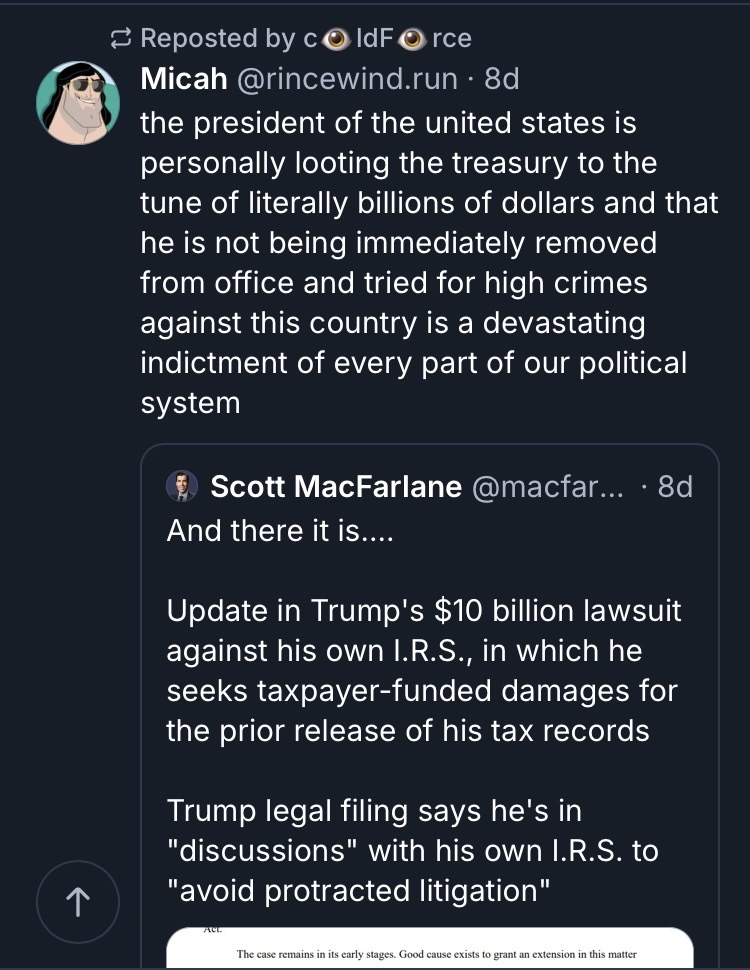
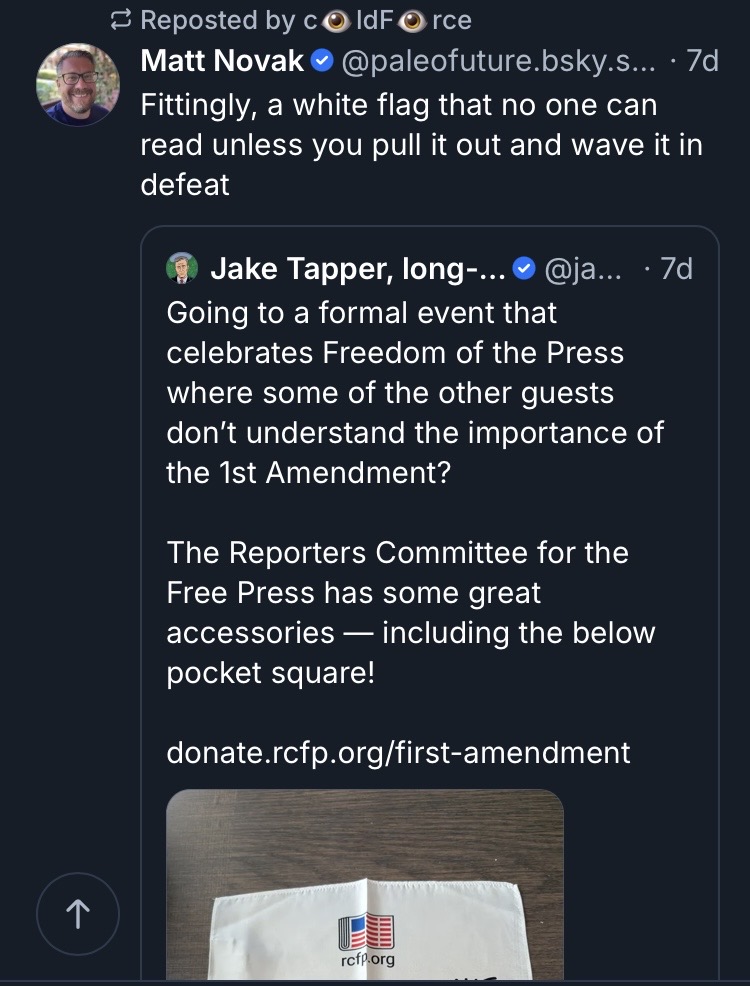
(Free Beacon) The suspected White House Correspondents’ Association Dinner shooter, Cole Tomas Allen, signal boosted posts on the left-wing social media platform Bluesky arguing that President Donald Trump should be “immediately removed from office and tried for high crimes” and criticizing a “Freedom of the Press” pocket square that many journalists donned at last night’s dinner as “a white flag that no one can read unless you pull it out and wave it in defeat,” a Washington Free Beacon review found, suggesting he thought a stronger message of opposition to the president was called for.

“the president of the united states is personally looting the treasury to the tune of literally billions of dollars and that he is not being immediately removed from office and tried for high crimes against this country is a devastating indictment of every part of our political system,” read one of the posts, which Allen shared about a week before the dinner.

Screenshot

Allen shared another post from Gizmodo reporter Matt Novak criticizing a First Amendment pocket square that CNN anchor Jake Tapper promoted ahead of the dinner. Tapper said he would wear the accessory to remind Trump of the “importance of the 1st Amendment.” Novak responded, “Fittingly, a white flag that no one can read unless you pull it out and wave it in defeat.”

Screenshot

Allen’s Bluesky account was suspended and the posts removed early Sunday morning as the Free Beacon was reviewing the posts. He used the handle “coldforce,” a name that the 31-year-old teacher and video game developer from Southern California also used on other social media platforms, including YouTube and the streaming site Twitch, where Allen posted videos of the game Super Smash Bros. and stated his location as “SoCal.” Allen used the name “coldForce” and the handle “@CForce3000” on X, where he also posted extensively about Super Smash Bros., according to an ongoing Free Beacon review. Allen’s X account was also removed.

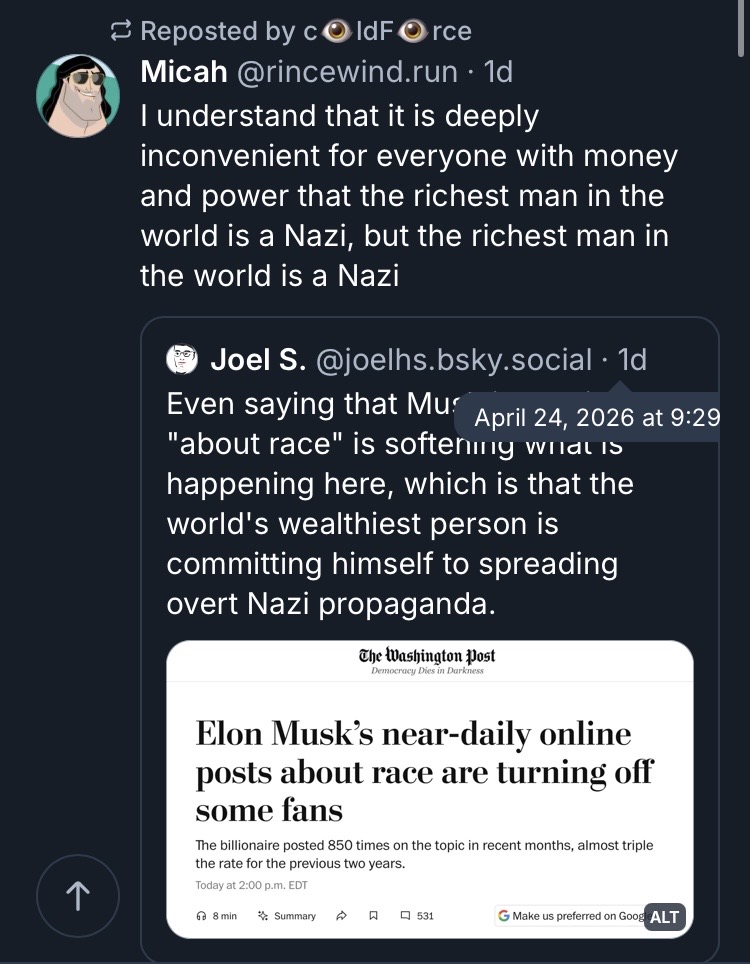
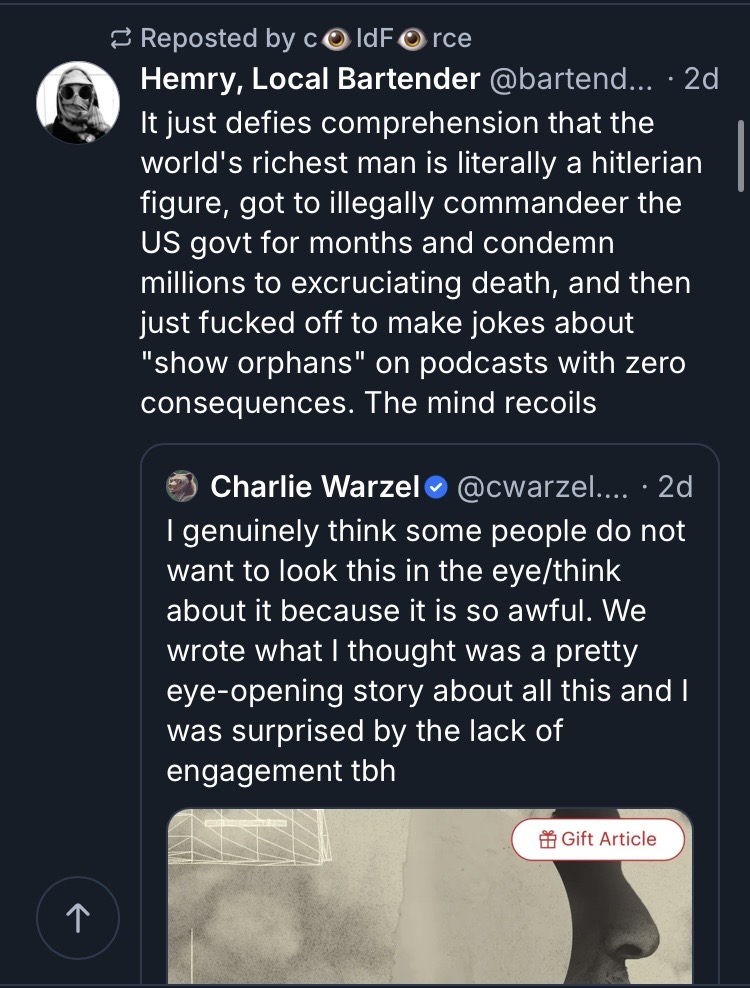
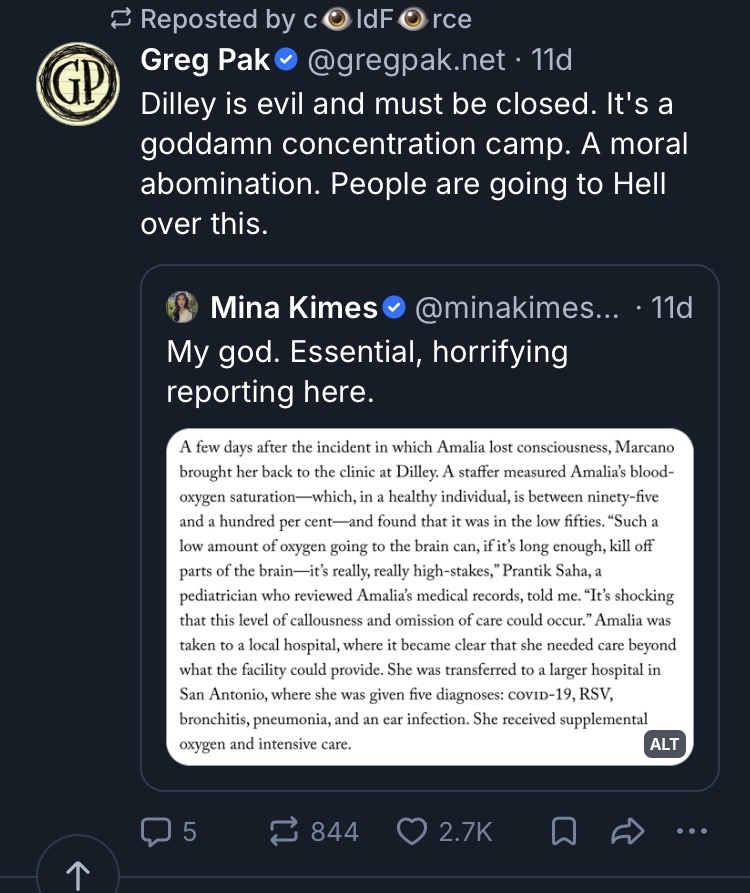
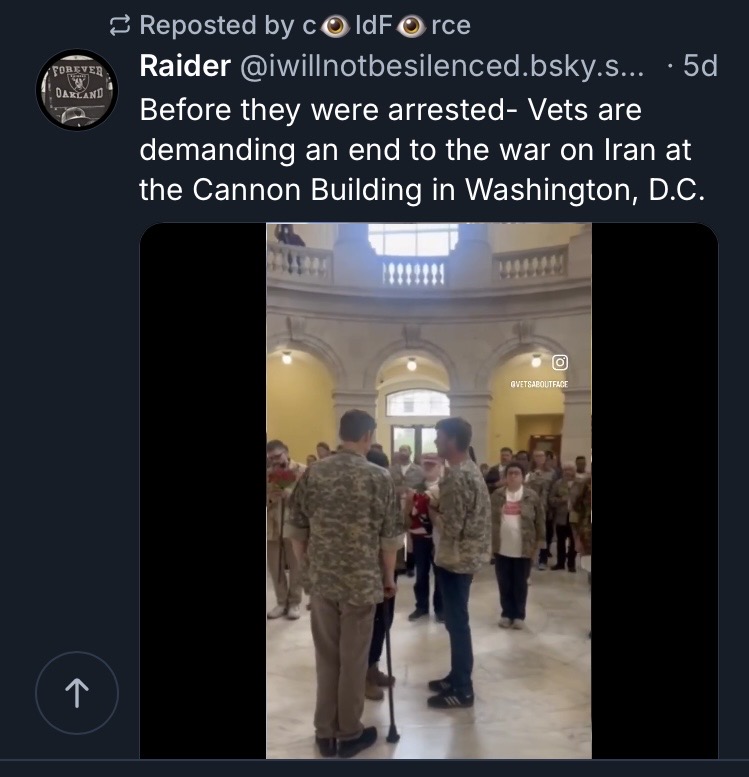
Allen’s Bluesky account was active from at least November 2024—when Trump defeated Vice President Kamala Harris, who received a $25 campaign contribution from Allen—to the day before the dinner. In the 10 days leading up to the event, Allen reposted messages that called to “Abolish ICE,” referred to an immigration processing facility in South Texas as a “concentration camp,” and referred to Trump ally Elon Musk as “a Nazi.” Allen also shared an image of a protest against the war in Iran that took place in the U.S. Capitol Complex.

“I understand that it is deeply inconvenient for everyone with money and power that the richest man in the world is a Nazi, but the richest man in the world is a Nazi,” one of the Musk posts read. “It just defies comprehension that the world’s richest man is literally a hitlerian figure,” read another.


Screenshot
Screenshot
Screenshot
Screenshot

Allen was “armed with a shotgun, a handgun, and multiple knives” when he charged a security checkpoint at the Washington Hilton hotel, which hosted the dinner and where Allen was staying, according to police. Law enforcement “exchanged gunfire” before apprehending Allen.

Trump and other federal officials were whisked away from the dinner, which Trump said would be rescheduled. Trump later held a news conference at the White House, describing Allen as a “lone wolf” who was “taken down by some very brave members of Secret Service.”

Acting attorney general Todd Blanche said he believes Allen was targeting “administration officials,” citing “writings” from Allen. He said the federal government is “still looking into” whether Trump was a specific target.

Trump survived two assassination attempts prior to the dinner, one at a rally in Butler, Pa., where gunman Thomas Matthew Crooks fired a shot that struck Trump’s ear, and one at the Trump International Golf Club in West Palm Beach, where Ryan Routh, then 58, hid in the shrubbery while armed with a rifle as Trump golfed.

The White House did not immediately respond to a request for comment.

Latest US Military Strike On Alleged Drug Boat Kills 3 in Eastern Pacific

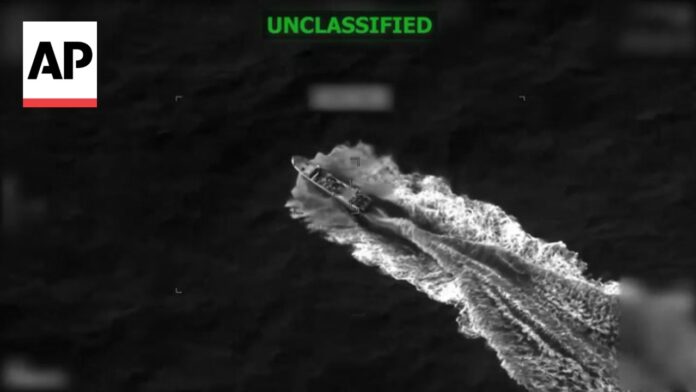
(AP) — The latest U.S. military strike on a boat accused of ferrying drugs in the eastern Pacific Ocean killed three people Sunday, according to a social media post by U.S. Southern Command.

The Trump administration’s campaign of blowing up alleged drug-trafficking vessels in Latin American waters has gone on since early September and killed at least 186 people in total. Other strikes have taken place in the Caribbean Sea.

The military has not provided evidence that any of the vessels were carrying drugs.

After Sunday’s attack, Southern Command posted a video on X showing a boat moving swiftly in the water before a explosion left it in flames. It repeated previous statements by saying it had targeted the alleged drug traffickers along known smuggling routes.

The attacks began as the U.S. built up its largest military presence in the region in generations and came months ahead of the raid in January that captured then-Venezuelan President Nicolás Maduro. He was brought to New York to face drug trafficking charges and has pleaded not guilty.

President Donald Trump has said the U.S. is in “armed conflict” with cartels in Latin America and has justified the attacks as a necessary escalation to stem the flow of drugs into the United States.

Critics, meanwhile, have questioned the overall legality of the boat strikes.

Iran’s Top Diplomat Briefly Returns to Pakistan but Trump Says the Sides Can Talk by Phone

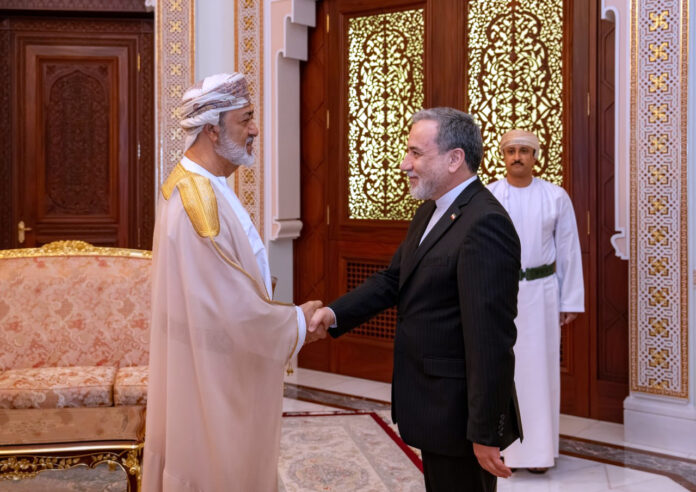
In this photo released by the Iranian Foreign Ministry, Iranian Foreign Minister Abbas Araghchi, right, shakes hands with Oman's Sultan Haitham bin Tariq during their meeting, in Muscat, Oman, Sunday, April 26, 2026. (Iranian Foreign Ministry via AP)

(AP) — Iran ‘s foreign minister briefly visited Islamabad again on Sunday as Pakistan’s political and military leadership scrambled to reignite ceasefire negotiations between Tehran and Washington, but President Donald Trump said they could talk by phone instead.

Abbas Araghchi had left Pakistan’s capital late the previous day, creating confusion around an expected second round of talks there, but he returned before continuing on to Moscow on Sunday, Iranian state media said. He had been in Oman, which previously mediated talks and is on the other side of the strategic Strait of Hormuz.

The White House last week said it would dispatch envoys Steve Witkoff and Jared Kushner to Islamabad to follow up on historic face-to-face talks earlier this month. But shortly after Araghchi’s departure Saturday, Trump said he had called off the mission because of a lack of progress with Iran.

“If they want, we can talk but we’re not sending people,” Trump told Fox News on Sunday. He said earlier on social media: “All they have to do is call!!!”

Indirect talks between the two sides were ongoing, two Pakistani officials said, speaking on condition of anonymity because they were not authorized to speak to the media.

Trump last week indefinitely extended the ceasefire that U.S. and Iran agreed to on April 7 that has largely halted the fighting that began with joint U.S.-Israeli strikes on Feb. 28. But a permanent settlement remains elusive in the war that has killed thousands of people and shaken the global economy.

Strait of Hormuz at center of Iran’s discussions in Oman

A standoff remained on in the Strait of Hormuz, a vital global waterway through which one-fifth of the world’s oil typically travels, as Iran has restricted movement through it and the U.S. enforces a blockade of Iranian ports.

Iran wants to persuade Oman to support a mechanism to collect tolls from vessels passing through the strait, through which a fifth of the world’s oil flows in peacetime, according to a regional official who spoke on condition of anonymity because he was not authorized to discuss the matter.

Oman’s response wasn’t immediately clear.

The official, who is involved in mediation efforts, also said Iran insists on ending the U.S. blockade before a new round of talks and that Pakistan-led mediators are trying to bridge significant gaps between the countries.

Araghchi also spoke by phone with counterparts in Qatar and Saudi Arabia on Sunday.


Even before Saturday’s developments, Iran’s foreign ministry said any talks would be indirect and Pakistani officials would act as go-betweens, reflecting Tehran’s wariness after rounds of indirect talks last year and earlier this year ended with Iran being attacked by the U.S. and Israel.

Trump said Iran has offered a ‘much better’ proposal

The economic fallout is growing two months into the war as global shipments of oil, liquefied natural gas, fertilizer and other supplies are disrupted by the near-closure of the strategic strait.

Both sides have continued to make military threats. Iran’s joint military command on Saturday warned that “if the U.S. continues its aggressive military actions, including naval blockades, banditry, and piracy” it will face a “strong response.”

Trump last week ordered the military to “shoot and kill” small boats that could be placing mines in the waterway.

Trump told journalists on Saturday, before a security incident at the White House Correspondents’ Dinner, that within 10 minutes of him canceling Witkoff and Kushner’s trip to Islamabad, Iran sent a “much better” proposal.

He did not elaborate but stressed that one of his conditions is that Iran “will not have a nuclear weapon.” The status of Iran’s enriched uranium has long been at the center of tensions. Tehran has 440 kilograms (972 pounds) of uranium enriched to 60% purity, a short, technical step from weapons-grade levels, according to the U.N. nuclear watchdog agency.

Syed Mohammad Ali, an independent political analyst in Pakistan, said the delay in the talks must not be seen as a setback and that indirect talks were progressing. He said tensions between Washington and Tehran cannot be eased overnight and the negotiation process requires patience.

“But the good thing is that the ceasefire is holding, and both sides have a desire to end the conflict in a way that does not backfire at home,” Ali said.

A growing toll even as fragile ceasefires hold

Since the war began, at least 3,375 people have been killed in Iran and at least 2,509 people in Lebanon, where the Israel-Hezbollah fighting resumed two days after the Iran war started.

Also, 23 people have been killed in Israel and more than a dozen in Gulf Arab states. Fifteen Israeli soldiers in Lebanon, 13 U.S. service members in the region and six U.N. peacekeepers in southern Lebanon have been killed.

Another ceasefire — between Israel and the Iranian-backed Lebanese militant Hezbollah group — has been extended by three weeks. Hezbollah has not participated in the Washington-brokered diplomacy.

Oil prices rise again as Pakistan talks fail to materialize

Oil prices rose when the market opened Sunday as traders absorbed the news of the stalled ceasefire talks.

West Texas Intermediate, the U.S.-produced light, sweet crude, was selling for $96.50 a barrel Sunday, up 2% since the market closed on Friday. The price was 44% higher than before the start of the Iran war, when oil was selling for about $67 a barrel.

Brent crude, the international standard, was trading at $107.75 per barrel Sunday, up about 3% since Friday and 48% since the war began, when oil was selling for $72 a barrel.

Oil prices have risen steadily since the war began and tankers full of crude became stranded in Persian Gulf, unable to safely transit through the Strait of Hormuz.

Netanyahu Orders Unprecedented Cancellation of Lag B’Omer Festivities at Meron Amid Mounting Security Fears

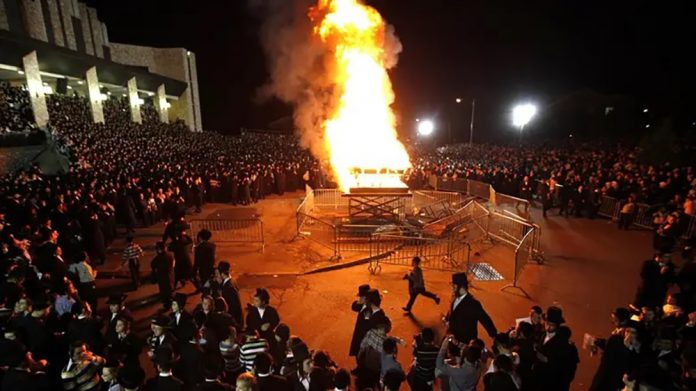
Lag B’Omer in Meron. Photo Credit: IsraelNationalNews.com

By: Arthur Popowitz

In a decision that reverberates across both the religious and national landscape of Israel, Prime Minister Benjamin Netanyahu has ordered the cancellation of this year’s large-scale Lag BaOmer pilgrimage at Mount Meron, reducing what is traditionally one of the most significant annual religious gatherings in the country to a strictly symbolic observance. As reported on Sunday by VIN News, the directive reflects a convergence of acute security concerns, regional instability, and the enduring challenge of safeguarding large civilian populations in a time of heightened geopolitical tension.

The decision marks a rare and consequential interruption to a centuries-old tradition that has long served as a focal point of communal identity and spiritual expression. For generations, the annual Hillula at the tomb of Rabbi Shimon Bar Yochai has drawn hundreds of thousands of participants from across Israel and the global Jewish diaspora. Its suspension, even in partial form, underscores the severity of the security calculus currently confronting Israeli leadership.

The Lag BaOmer gathering at Mount Meron occupies a unique and revered place within Jewish religious life. The event commemorates the life and legacy of Rabbi Shimon Bar Yochai, a towering figure of early rabbinic tradition whose teachings have profoundly influenced Jewish thought. Each year, pilgrims converge upon the site to engage in prayer, reflection, and celebration, transforming the mountainous region into a vibrant tapestry of devotion and communal unity.

The VIN News report highlighted the magnitude of this event, noting that attendance frequently reaches into the hundreds of thousands. The gathering is characterized by its dynamic atmosphere, featuring religious ceremonies, music, and communal participation that extends throughout the night and into the following day. For many, the pilgrimage represents not merely a ritual obligation but a deeply personal and transformative experience.

The decision to curtail such an event, therefore, carries implications that extend well beyond logistical considerations. It touches upon questions of religious continuity, communal resilience, and the delicate balance between tradition and security.

At the heart of the government’s decision lies a sober assessment of the risks associated with hosting a mass gathering in a region marked by ongoing tension. Mount Meron is situated in northern Israel, in close proximity to the border with Lebanon, an area that has experienced repeated episodes of instability and conflict.

According to the VIN News report, officials have cited the fragility of the current ceasefire with Lebanon as a primary factor in their deliberations. While the ceasefire remains formally in effect, it is widely understood to be tenuous, with the potential for escalation ever present. The presence of Hezbollah strongholds in the vicinity further amplifies the perceived threat, particularly in the context of rocket attacks that could target large concentrations of civilians.

The logistical challenges associated with such a scenario are formidable. The mountainous terrain surrounding Mount Meron, while picturesque, presents significant obstacles to rapid evacuation. In the event of an attack, ensuring the safe and orderly movement of hundreds of thousands of individuals would pose an immense challenge, raising the specter of mass casualties.

Officials have therefore concluded that the risks inherent in proceeding with the traditional format of the pilgrimage are simply too great to justify. As VIN News reported, the prime minister’s office explicitly referenced the fear of a large-scale casualty event as a central consideration in the decision-making process.

In accordance with the prime minister’s directive, government ministries responsible for organizing the event have been instructed to halt all preparations for a mass gathering. This includes the suspension of logistical planning, infrastructure deployment, and coordination efforts that typically begin months in advance of the pilgrimage.

Law enforcement agencies have also been mobilized to enforce the restrictions. Police have received clear instructions to prevent unauthorized access to the site, ensuring that the area remains secure and that the scaled-down observance proceeds without incident. These measures reflect a broader strategy aimed at minimizing risk while preserving a limited form of commemoration.

VIN News has reported that the Hillula will still take place in a symbolic capacity, though details regarding the format of this reduced observance remain limited. It is expected that a small number of authorized participants may be permitted to attend, allowing for the continuation of essential religious rites without the presence of large crowds.

The cancellation of the large-scale gathering at Mount Meron cannot be understood in isolation from the broader historical context. In 2021, the site was the scene of a tragic crowd crush that resulted in the deaths of 45 individuals, marking one of the deadliest civilian disasters in Israel’s history. That event prompted a comprehensive reassessment of safety protocols and crowd management practices at the site.

In the years since, authorities have implemented a range of measures aimed at preventing a recurrence of such a tragedy. These efforts have included stricter capacity limits, enhanced infrastructure, and improved coordination among emergency services. However, the current security environment presents challenges that extend beyond the scope of these reforms.

The combination of external threats and the inherent complexities of managing large crowds has created a situation in which even the most robust safety measures may be insufficient. The decision to scale back the event, therefore, reflects not only immediate concerns but also the lessons learned from past experiences.

The move to cancel the mass gathering at Mount Meron aligns with a broader pattern of heightened vigilance across Israel’s northern region. Despite the existence of a ceasefire, tensions with Lebanon and Hezbollah remain a central focus of national security planning.

VIN News has emphasized that the current situation is characterized by a delicate balance between deterrence and restraint. While efforts are ongoing to maintain stability, the potential for sudden escalation cannot be discounted. In this context, the presence of a large civilian gathering near the border would represent a significant vulnerability.

The decision also reflects the government’s prioritization of public safety over symbolic considerations. While the cultural and religious significance of the pilgrimage is undeniable, the imperative to protect human life has ultimately taken precedence.

As of this writing, there has been limited public response from religious leaders and community organizers regarding the scaled-back plans. However, it is likely that the decision will generate a range of reactions, reflecting the diverse perspectives within Israeli society.

For some, the cancellation may be viewed as a necessary and prudent measure in light of the prevailing security environment. For others, it may represent a painful disruption to a cherished tradition, raising questions about the long-term impact on communal practices.

The VIN News report noted that similar decisions in the past have often sparked debate over the balance between security and religious freedom. This tension is likely to persist as authorities continue to navigate the complex interplay of these considerations.

The suspension of the large-scale Lag BaOmer pilgrimage at Mount Meron serves as a poignant reminder of the challenges facing Israel at this moment in its history. It highlights the fragility of normalcy in a region marked by persistent uncertainty and underscores the resilience required to adapt to changing circumstances.

At the same time, the decision reflects a broader commitment to safeguarding the well-being of citizens, even when doing so necessitates difficult and unprecedented choices. The symbolic observance that will take place in lieu of the traditional gathering may lack the scale and vibrancy of past years, but it will nonetheless serve as a testament to the enduring spirit of the community.

In the final analysis, the cancellation of the mass gathering at Mount Meron represents a convergence of tradition, security, and responsibility. It is a decision shaped by both immediate threats and long-standing lessons, informed by a recognition of the risks inherent in the current environment.

As VIN News has documented, the move underscores the gravity of the challenges facing the nation and the difficult choices required to navigate them. While the absence of the usual crowds will undoubtedly be felt, the preservation of life remains the paramount concern.

In this sense, the scaled-back observance at Mount Meron stands not as a diminishment of tradition, but as an affirmation of its deeper values—resilience, unity, and the enduring commitment to safeguard the future even in the face of uncertainty.

Targeting Trump: The politics of hatred and the Iran war

President Donald Trump has signaled his determination to proceed with high-stakes negotiations with Iran, even as conflicting messages from Tehran cast uncertainty over the diplomatic horizon. Credit: CBS News
Ny Fiamma Nirenstein

Many American presidents have been the target of fierce hatred, fueled by anti-Americanism, envy and ideology. The Vietnam War and the Iraq War brought endless insults upon Presidents Bush and Lyndon Johnson—both were labeled Nazis, baby killers, imperialists.

But with Trump it is different: it is mockery, rejection, fear. The drive to remove him from the international stage is not confined to left-wing demonstrations, even if it is not irrelevant that the attacker is said to have admired former Vice President Kamala Harris.

The hope to see him disappear is psychological; the irritation and rejection are far more intense than usual and are shared by large numbers of politicians. Dislike of him creates alliances that would otherwise not exist in Europe.

The declaration that one cannot stand Trump has become almost a prerequisite for social acceptance. Of course, it is legitimate to reject his policies, but often what disturbs people is that he is American, that he is wealthy, that he has a beautiful wife and the mannerisms of a spoiled cowboy.

His disruption of the world order is unwelcome because it challenges a balance that is more imagined than real—the idea that peace will come from a presumed reconciliation between the Christian and Islamic worlds. Trump has touched this point.

The war is long, he takes his time, and this is immediately seen as weakness. He reacts to Iranian aggression in the Gulf and is blamed for energy disruptions; he challenges Iran’s possession of enriched uranium and makes it a central objective, yet he is told—despite evidence, including from the IAEA—that it does not exist.

Trump has envisioned a world in which Iran is finally defeated. Imagine such a world—one without the execution of women, homosexuals and dissidents; without powerful weapons aimed first at destroying Israel and then the rest of the “Satans” that refuse to convert to Islam; without mass attacks on Americans and Jews worldwide; without terrorist armies like Hamas and Hezbollah poisoning the international system.

The road is long, but who has said it is “illegal”? Bill Clinton bombed Kosovo for 78 days, Barack Obama bombed Libya, Joe Biden struck the Houthis and Iraqi militias. None of them consulted Congress, nor the United Nations, nor NATO.

This does not mean one must like Trump, and his war clearly seeks concrete advantages for his country, as well as limiting Russian and Chinese power—both key backers in the Middle East conflict. But his actions offer no justification for becoming a target of international scorn, ridicule or incitement to violence.

Yet even before his election, Emmanuel Macron warned against his arrival, Olaf Scholz said that “the United States does not guarantee security,” Josep Borrell insisted Trump is “unpredictable,” and Kaja Kallas even declared that “the free world needs new leaders.”

From this emerges a vulgarity in which only harsh insults are acceptable—“fascist,” or condescending dismissal, “poor fool.”

Thus, Robert De Niro shouts, “F*** Trump;” Madonna says, “I have thought a lot about blowing up the White House,” and Johnny Depp asks, “When was the last time an actor assassinated a president?” Italy, for its part, has become a champion of grotesque portrayals of Trump that spill over into street-level hostility.

No one seems to know anymore who he really is: a president who, whatever criticisms may be made of any political leader, has attempted the bold and revolutionary path of confronting the Iranian regime—the most odious of dictatorships and the most dangerous to the world to which we belong.