



|
Getting your Trinity Audio player ready...
|
By: Jason Ostedder
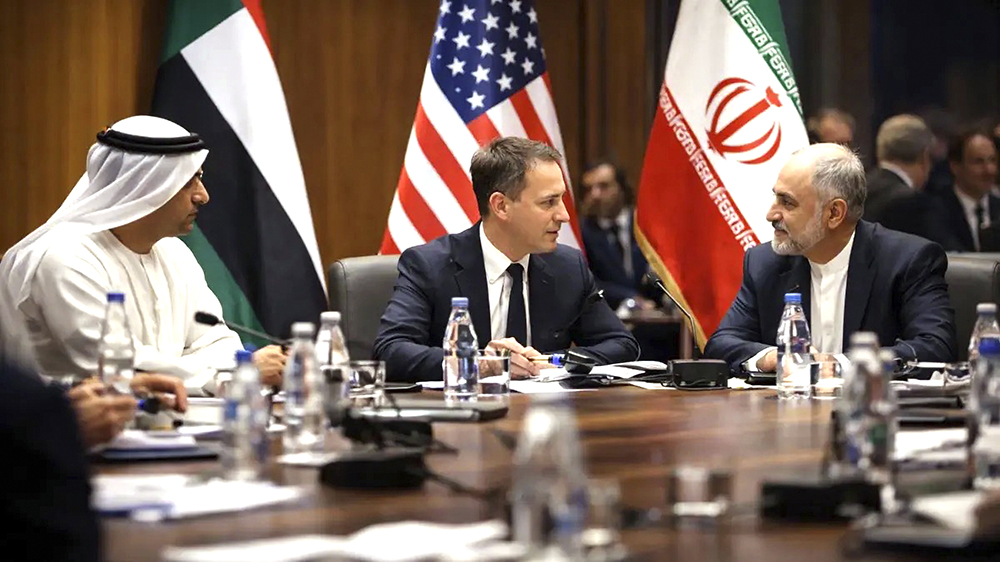
In a geopolitical landscape defined by volatility, strategic brinkmanship, and competing imperatives, a quiet yet consequential diplomatic effort is unfolding behind closed doors. Despite the absence of a formal second round of talks between the United States and Iran in Pakistan, emerging indications suggest that the two adversaries may be inching closer to a provisional understanding than public rhetoric would imply. According to a CNN report, a complex web of mediation, indirect communication, and strategic calculation is shaping what could become a pivotal moment in the ongoing confrontation.
While official negotiations have stalled in visible arenas, sources familiar with the mediation process told CNN that intensive diplomatic engagement continues in a more discreet format. These behind-the-scenes discussions, facilitated by intermediaries, are focused on narrowing the remaining gaps between Washington and Tehran. The approach reflects a recognition that public negotiations, often constrained by political optics and domestic pressures, may be less conducive to compromise than quieter, more flexible channels.
The mediators involved—reportedly including representatives from Pakistan and other regional actors—are working to construct a framework that could satisfy the core concerns of both sides. According to CNN, the coming days are regarded as particularly critical, with mounting pressure on both governments to demonstrate progress or risk a renewed escalation.
At the center of the current diplomatic effort is a proposed phased agreement, a structure designed to address immediate concerns while deferring more contentious issues to later stages. As detailed by Axios, Iran has transmitted this proposal to the United States through Pakistani intermediaries, signaling a willingness to explore incremental solutions.
The first phase of the framework would focus on restoring pre-conflict conditions, particularly with regard to the Strait of Hormuz. This vital maritime corridor, through which a significant portion of the world’s energy supply flows, has become a focal point of the crisis. The proposal envisions reopening the strait without restrictions or toll charges, thereby alleviating pressure on global shipping and stabilizing energy markets.
By prioritizing this issue, the framework seeks to establish a foundation of mutual benefit. For Iran, it offers the prospect of economic relief and a partial normalization of trade. For the United States and its allies, it provides an opportunity to secure the uninterrupted flow of commerce and reduce the risk of further military confrontation.
Notably, the proposed framework postpones the most contentious aspect of the dispute: Iran’s nuclear program. Both the United States and Israel have consistently identified this issue as the primary justification for military action and sustained pressure on Tehran. However, the phased approach suggests that immediate agreement on nuclear issues may be unattainable.

Instead, the framework envisions addressing nuclear concerns in a subsequent phase, once initial trust has been established and tensions have been reduced. This sequencing reflects a pragmatic recognition of the difficulties involved in negotiating comprehensive nuclear constraints under current conditions.
President Trump has repeatedly emphasized that any agreement must include the surrender of Iran’s stockpile of near weapons-grade uranium and a complete cessation of enrichment activities. Iran, for its part, has consistently rejected these demands, viewing them as incompatible with its sovereign rights.
The divergence of positions underscores the complexity of the negotiations and the challenges inherent in reconciling fundamentally different perspectives.
The response from the White House has been characterized by cautious deliberation. According to News 12, White House Press Secretary Karoline Leavitt confirmed that the Iranian proposal has been discussed at the highest levels of government, including a meeting between President Trump and his national security team.
However, Leavitt stopped short of indicating whether the proposal is being actively considered, emphasizing instead that discussions remain preliminary. Her remarks reflect a deliberate strategy of ambiguity, allowing the administration to maintain flexibility while avoiding premature commitments.
Leavitt also reiterated that the administration’s “red lines” regarding Iran’s nuclear program remain unchanged, signaling that any eventual agreement must address these core concerns. At the same time, she suggested that an official announcement could be forthcoming, indicating that the situation is evolving rapidly.
Overshadowing the diplomatic effort is the persistent possibility of renewed military action. Sources cited by CNN have indicated that the United States could, if negotiations falter, choose to disengage from the diplomatic process and resume offensive operations. This prospect adds a layer of urgency to the ongoing talks, as both sides weigh the costs of failure against the potential benefits of compromise.
The presence of this option underscores the high-stakes nature of the negotiations. For Washington, the decision involves balancing the desire for a durable agreement against the risks of appearing to concede too much. For Tehran, the calculus involves assessing whether incremental gains are sufficient to justify engagement with an adversary that continues to exert significant pressure.
Adding further complexity to the situation is the position of Israel, which has been closely monitoring the negotiations and communicating its concerns to the United States. According to News 12, Israeli officials have conveyed a clear message to the Trump administration: any easing of the naval blockade on the Strait of Hormuz could be interpreted by Iran as a sign of weakness.
This assessment reflects a broader strategic perspective, one that emphasizes the importance of maintaining leverage in negotiations. Israeli sources have reportedly argued that even partial or temporary concessions are unlikely to produce reciprocal flexibility from Tehran. Instead, they warn, such moves could embolden Iranian leadership and undermine the effectiveness of ongoing pressure.

The divergence between Israeli and American perspectives highlights the challenges of coordinating policy among allies with overlapping but not identical priorities.
In response to these complexities, mediators are intensifying their efforts to bridge the remaining gaps. According to the CNN report, pressure is being applied to both Washington and Tehran to reach an arrangement, with the goal of preventing further escalation and stabilizing the region.
These efforts involve not only technical negotiations but also broader diplomatic engagement, aimed at building trust and fostering a willingness to compromise. The involvement of multiple intermediaries reflects the recognition that no single actor can resolve the crisis alone.
As the situation continues to evolve, the prospects for a breakthrough remain uncertain. The phased framework offers a potential pathway to de-escalation, but its success will depend on the willingness of both sides to navigate a complex and often contradictory set of interests.
The coming days are likely to prove decisive. Whether the negotiations yield a substantive agreement or collapse under the weight of unresolved differences will have profound implications for regional stability and global security.
The current moment represents a delicate balance between conflict and compromise, one in which the outcome remains finely poised. The interplay of diplomatic initiative, strategic caution, and geopolitical rivalry has created a situation in which progress is possible but far from assured.
As reported by CNN, Axios, and News 12, the contours of a potential agreement are beginning to take shape, even as significant obstacles remain. The challenge for all involved is to translate these preliminary steps into a durable and comprehensive settlement.
In the final analysis, the stakes could hardly be higher. The decisions made in the days ahead will not only determine the trajectory of US–Iran relations but also shape the broader future of a region that has long been defined by instability and conflict.
Turning to Israel–IDF Chief Issues Warning
In a moment of unusual candor and unmistakable urgency, IDF Chief of Staff Lt. Gen. Eyal Zamir delivered a forceful admonition to Israel’s senior military leadership, warning that ethical lapses and deteriorating discipline within the ranks of the Israel Defense Forces pose a threat no less grave than the enemies confronting the nation on the battlefield. As reported on Monday by VIN News, the remarks come at a time when Israel is engaged in sustained military operations across multiple theaters, intensifying both operational strain and internal scrutiny.
Addressing a high-level conference of senior commanders, Zamir articulated a principle that has long underpinned the ethos of the IDF: that moral integrity is not ancillary to military effectiveness, but rather an indispensable component of it. His warning was unambiguous. A decline in ethical standards, he asserted, could erode the very foundations upon which operational success depends.
Israel’s armed forces are currently engaged in a complex and protracted conflict environment, with active fronts extending from Gaza to southern Lebanon and beyond. The cumulative burden of sustained deployments, high-intensity operations, and the psychological toll of continuous engagement has placed extraordinary demands on both regular and reserve units.
Within this context, Zamir acknowledged that the challenges faced by soldiers are both profound and multifaceted. However, as VIN News emphasized in its coverage, the chief of staff was unequivocal in rejecting any notion that such pressures could excuse deviations from established ethical norms.
“The unethical incidents we have seen are the product of a long and complex period,” Zamir stated, while immediately adding that this reality “does not justify them.” His words reflect a broader institutional concern that the stresses of prolonged conflict may be contributing to behaviors that undermine the army’s core values.
Among the most serious issues addressed by Zamir were reports of looting by Israeli troops in southern Lebanon. These allegations, which have garnered significant attention in recent weeks, strike at the heart of the IDF’s self-conception as a disciplined and principled fighting force.
Describing such conduct as “disgraceful” if substantiated, Zamir warned that even isolated incidents could have far-reaching consequences. “The phenomenon of looting, if it exists, is disgraceful and could stain the entire IDF,” he declared, according to VIN News. His choice of language underscores the potential reputational damage that could arise from such actions, both domestically and internationally.
The chief of staff also pledged that any verified incidents would be subject to thorough investigation. This commitment reflects an understanding that accountability is essential not only for justice but also for maintaining public trust in the military institution.
In addition to addressing physical conduct on the ground, Zamir turned his attention to a more contemporary challenge: the role of social media in shaping military discipline and public perception. The proliferation of digital platforms has created new avenues for expression, but also new risks.
Zamir drew a clear and uncompromising boundary. Soldiers, he stated, must not use social media as a vehicle for disseminating controversial messages or engaging in self-promotion. Such behavior, he warned, constitutes a breach of discipline that cannot be tolerated.
“This is a red line that must not be crossed,” he said, as reported by VIN News. The emphasis on social media reflects a recognition that the actions of individual soldiers can have amplified consequences in the digital age, where images and statements can rapidly circulate and influence public opinion.
At the same time, Zamir acknowledged a discrepancy between policy and enforcement, noting that disciplinary measures for online misconduct have been relatively rare. This admission suggests an awareness of the need for more consistent application of existing regulations.
Amid his critique of disciplinary shortcomings, Zamir also took the opportunity to reaffirm the importance of inclusivity within the military. Specifically, he addressed the role of women in the IDF, emphasizing their integral contribution to operational capability.
“Women are an inseparable part of the IDF and its operational strength,” he stated. This affirmation comes at a time when debates over gender roles within the military continue to evolve, both within Israel and globally.
Zamir’s remarks signal a clear institutional stance: that the participation of women is not merely a matter of equality but a strategic asset. His declaration that there will be no exclusion of women from the IDF reinforces the army’s commitment to maintaining a diverse and capable force.
Another dimension of Zamir’s address concerned the ongoing effort to integrate ultra-Orthodox individuals into military service. This issue, which has long been a subject of social and political debate in Israel, presents a complex challenge for military planners.
Zamir indicated that the IDF would continue to expand opportunities for service among ultra-Orthodox populations, while ensuring that such efforts do not come at the expense of other groups. The objective, he explained, is to balance inclusivity with the preservation of the military’s core identity and values.
This approach reflects a broader quest to reconcile diverse societal expectations with the practical requirements of a modern fighting force. As the VIN News report noted, the integration of different communities into the IDF is both a logistical and cultural undertaking, requiring careful calibration and ongoing dialogue.
At the heart of Zamir’s message lies a fundamental assertion: that ethical conduct is not merely a moral obligation but a strategic necessity. The effectiveness of a military organization depends not only on its technological capabilities and tactical proficiency but also on the discipline and integrity of its personnel.
The erosion of norms, as Zamir warned, can have cascading effects, undermining cohesion, weakening command structures, and ultimately compromising mission success. In this sense, the chief of staff’s remarks can be understood as a call to reinforce the internal foundations of the IDF at a time when external pressures are at their peak.
