



























By: Fern Sidman
In what supporters are describing as one of the most comprehensive legislative responses to antisemitism ever proposed by the United States Congress, a bipartisan coalition of lawmakers on Wednesday introduced the Jewish American Security Act, a far-reaching measure designed to strengthen federal efforts to protect Jewish Americans, secure Jewish institutions, combat anti-Jewish extremism, and address what many leaders now characterize as a national crisis.
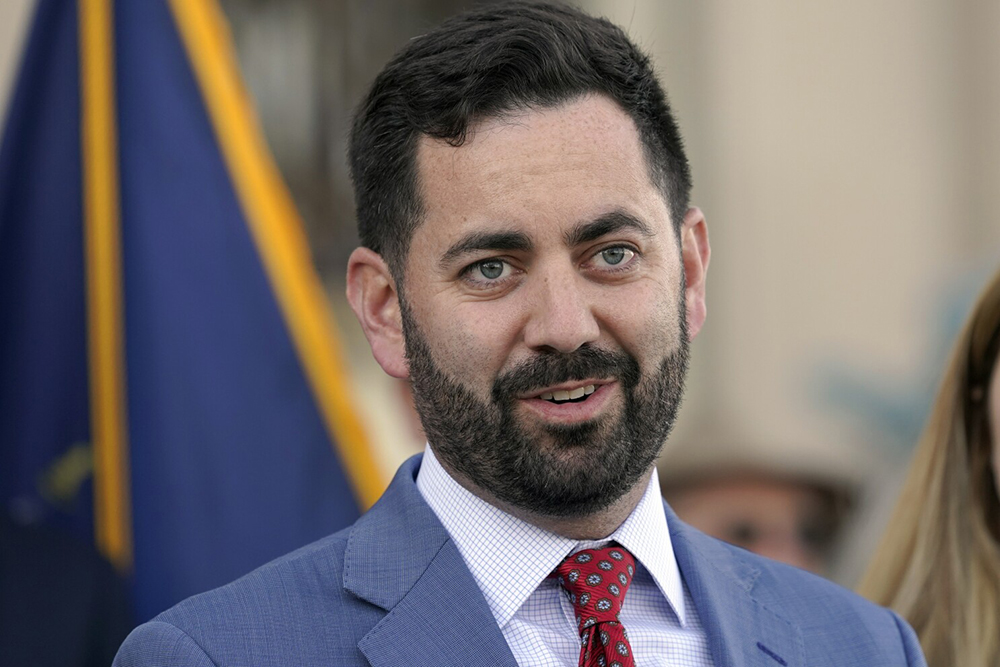
The legislation, formally introduced as H.R. 9211, is being spearheaded by Representatives Dan Goldman (D) of New York and Mike Lawler (R) of New York, who have assembled a bipartisan coalition of 28 House members in support of the proposal. Companion legislation has simultaneously been introduced in the United States Senate by Senators Jacky Rosen of Nevada and James Lankford of Oklahoma, reflecting a rare moment of bipartisan and bicameral consensus on an issue that many Jewish organizations believe has reached an alarming inflection point.
The legislation emerges against the backdrop of a series of highly publicized antisemitic incidents that have shocked communities across the nation and intensified concerns regarding the safety and security of American Jews.
Recent attacks, including a firebombing in Colorado, the fatal shooting of two staff members in Washington, D.C., and an arson attack in Pennsylvania, have heightened fears within Jewish communities already grappling with a dramatic increase in antisemitic incidents, threats, harassment campaigns, and acts of violence.
Supporters of the legislation argue that these incidents are not isolated events but rather manifestations of a broader and deeply troubling trend that requires an urgent and coordinated governmental response.
At the heart of the Jewish American Security Act is what lawmakers describe as a Six-Point Security Plan intended to provide a comprehensive framework for protecting Jewish Americans in physical, educational, digital, and communal spaces.
Representative Dan Goldman, whose New York congressional district includes one of the largest Jewish populations in the nation, characterized the legislation as a necessary response to an increasingly dangerous environment. “The shocking and continuing rise of antisemitism in the last few years requires immediate and decisive action,” Goldman said. “I am proud to introduce the bipartisan, bicameral Jewish American Security Act, which puts into motion a course of action that will greatly improve the safety of Jewish Americans and Jewish institutions. I will continue to lead the fight for Jewish Americans’ right to attend school, worship together, and go online without facing hate and violence.”
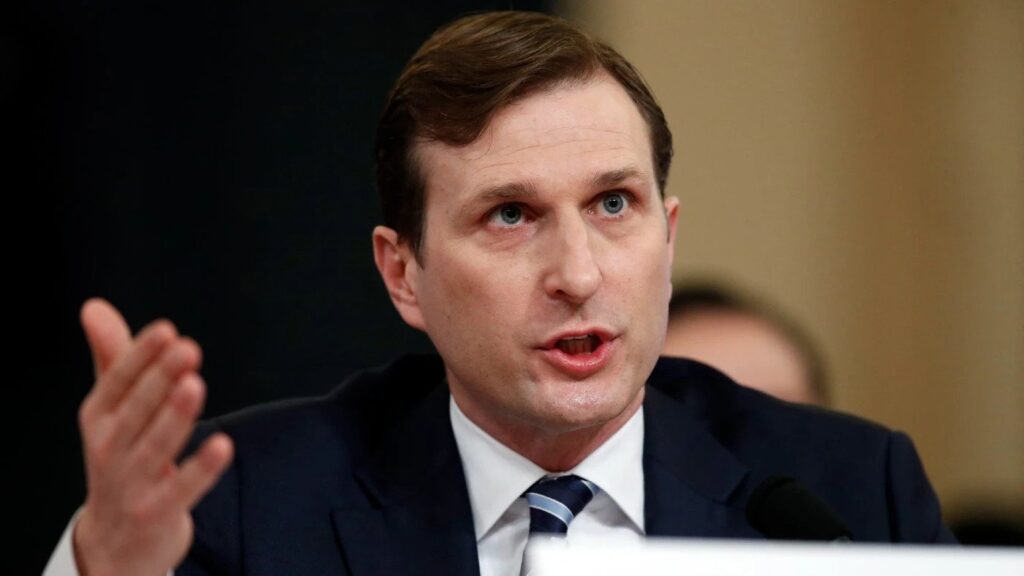
His co-sponsor, Representative Mike Lawler, emphasized the legislation’s broad constitutional and civil rights implications. “Freedom of religion is a fundamental constitutional right in the United States,” Lawler said.
“Americans should feel safe practicing their religion, but unfortunately there have been a number of attacks at our nation’s synagogues.”
Lawler noted that the bill would address multiple dimensions of the challenge simultaneously, ranging from physical security to online extremism and campus protections. “This bill also delivers critical protections for Jewish students on college campuses through stronger Title VI enforcement, requires greater transparency from online platforms on antisemitic content, and establishes key threat assessments. We must act decisively so Jewish Americans can feel safe in their schools, synagogues, and online.”
Perhaps the most significant component of the legislation involves security funding. The proposal would reauthorize FEMA’s Nonprofit Security Grant Program through 2031 at a level of $1 billion. For years, Jewish institutions across the United States have relied heavily upon the Nonprofit Security Grant Program to finance critical security upgrades.
Synagogues, Jewish schools, community centers, cultural institutions, and social service agencies have increasingly found themselves forced to invest in extensive security infrastructure that would have been considered extraordinary only a generation ago. Today, security cameras, reinforced doors, perimeter fencing, access control systems, security personnel, and emergency preparedness programs have become commonplace features of Jewish communal life.
Supporters argue that these measures, while necessary, impose substantial financial burdens on institutions whose primary missions revolve around education, worship, charitable services, and community engagement. The proposed funding expansion seeks to address those concerns by ensuring that Jewish institutions and other vulnerable nonprofit organizations have access to long-term federal support.
The legislation also proposes a massive enhancement of federal law enforcement resources dedicated to combating religiously motivated hate crimes. Specifically, the bill would authorize $9 billion annually for the Department of Justice from fiscal years 2027 through 2031. Those funds would be directed toward strengthening state and local law enforcement efforts, improving investigations involving religious institutions, expanding hate crime response capabilities, and enhancing coordination between local agencies and federal authorities.
The proposed funding levels reflect lawmakers’ growing belief that antisemitism can no longer be treated solely as a civil rights issue but must increasingly be viewed through a public safety and national security lens. Congresswoman Grace Meng, another New York lawmaker supporting the legislation, framed the issue in precisely those terms. “Every American deserves to practice their faith freely, which is why the tidal wave of antisemitism facing Jewish communities in Queens, around the country, and around the world cannot go unanswered,” Meng said. “Addressing antisemitism is a national security imperative and must never be a partisan issue.”
Her comments reflect a growing consensus among many policymakers that antisemitism has evolved beyond isolated acts of prejudice into a broader threat capable of undermining social cohesion, public safety, and democratic institutions.
Another significant provision of the legislation would require the Federal Bureau of Investigation, the Department of Homeland Security, and the National Counterterrorism Center to produce a joint annual domestic threat assessment focused specifically on antisemitic violent extremism.
The reports would be required to cover a 10-year period and provide comprehensive analyses of antisemitic threats throughout the United States. Among other subjects, the assessments would examine extremist ideologies containing antisemitic components, document instances of violence committed in furtherance of those ideologies, investigate the origins and dissemination of antisemitic content online, and evaluate the role played by foreign governments and non-state actors in promoting extremist narratives.
The threat assessments would also evaluate the broader dangers posed by antisemitic violent extremism to the American homeland. Supporters contend that such reporting is essential because antisemitic movements increasingly draw strength from complex digital ecosystems that transcend traditional geographic and ideological boundaries.
Representative Rudy Yakym of Indiana emphasized the seriousness of the threat. “The rise of antisemitism across the nation is deeply troubling,” Yakym stated. “Jewish Americans deserve to feel safe in their houses of worship, on college campuses, and in their communities. The Jewish American Security Act takes real, meaningful steps to protect them.”
Another major focus of the legislation involves higher education. The bill would direct the Department of Education to appoint an Antisemitism Coordinator, creating a dedicated federal position tasked with monitoring, addressing, and coordinating responses to anti-Jewish discrimination in educational settings.
The proposal arrives amid growing controversy surrounding antisemitism on college campuses. Over the past several years, Jewish students have reported increasing incidents of harassment, intimidation, exclusion, and hostility at universities throughout the country.
Numerous congressional hearings have highlighted concerns regarding campus climates, institutional responses, and the application of Title VI civil rights protections. Representative Nicole Malliotakis argued that stronger federal oversight has become essential. “Antisemitism is a growing threat to Jewish Americans and an attack on the values of our nation,” she said. “As incidents of antisemitic harassment, violence, and intimidation continue to rise, Congress must take meaningful action to protect Jewish students, strengthen security for Jewish institutions, and ensure that hate is confronted wherever it occurs.”
Perhaps one of the most novel aspects of the legislation concerns social media and online platforms. The bill would require major online platforms with at least 50 million monthly American users to submit recurring transparency reports to the Federal Trade Commission.
Those reports would detail how companies identify, moderate, remove, demonetize, deprioritize, and otherwise limit the spread of antisemitic content. Supporters argue that online radicalization has become one of the primary accelerants of contemporary antisemitism.
Extremist narratives that once remained confined to fringe groups can now spread globally within minutes, reaching millions of users through sophisticated recommendation algorithms and digital amplification networks. Under the proposed legislation, platforms would face significantly greater accountability regarding how they manage hate content and extremist propaganda.
For supporters of the Jewish American Security Act, this represents an acknowledgment that combating antisemitism in the modern era requires addressing both physical and digital threats simultaneously. The legislation’s architects contend that protecting Jewish Americans demands a comprehensive strategy encompassing law enforcement, education, technology, intelligence gathering, and community resilience.
The breadth of support assembled behind the Jewish American Security Act is nearly as notable as the legislation itself.
In an era characterized by political polarization and intense ideological division, the proposal has garnered endorsements from a remarkably expansive coalition representing virtually every major segment of organized American Jewish life. Religious organizations, advocacy groups, civil rights institutions, security experts, educational organizations, and political entities spanning the ideological spectrum have united behind the measure, arguing that the accelerating threat of antisemitism demands a comprehensive national response.
Among the legislation’s most prominent supporters is the American Jewish Committee, one of the oldest and most influential Jewish advocacy organizations in the United States.
Ted Deutch, Chief Executive Officer of the American Jewish Committee, described the current moment as a historic turning point. “No American should need a security perimeter to pray. No American should be afraid to leave their home or visit a cultural center of their choosing. Yet, that is exactly what Jews in this country are experiencing every day,” Deutch said. “We are at an inflection point. Surging antisemitism is not just a threat to the Jewish community; it is a crisis for our democracy and the values we cherish as Americans – pluralism, religious freedom, and the promise of equal protection.”
Deutch’s remarks reflect a recurring theme that appears throughout the coalition supporting the legislation: the argument that antisemitism represents not merely a Jewish problem but a broader challenge to American democratic principles and constitutional protections.
The Anti-Defamation League, another leading supporter of the measure, offered similarly stark warnings regarding the current threat environment. Jonathan Greenblatt, Chief Executive Officer of the ADL, pointed to alarming statistics compiled by the organization’s annual audit of antisemitic incidents. “The data is unambiguous: Jewish Americans are under threat in their communities, on their campuses and online, and the federal government must act,” Greenblatt said. According to Greenblatt, the ADL documented 6,274 antisemitic incidents during 2025 alone, including 203 physical assaults and 3 murders.
Those figures represent some of the highest numbers ever recorded by the organization and have fueled growing concerns among policymakers regarding the trajectory of antisemitism throughout the country.
“The Jewish American Security Act meets this moment with the seriousness it demands,” Greenblatt added. “By strengthening the Nonprofit Security Grant Program, bolstering protections for Jewish students, and increasing accountability for online platforms, this bill equips law enforcement, educators, and communities with the tools they need to respond.”
The legislation has also attracted strong support from organizations focused specifically on community security. Michael Masters, National Director and Chief Executive Officer of the Secure Community Network, emphasized that recent attacks and threats demonstrate the need for sustained federal engagement. “Recent threats targeting schools and synagogues, alongside overseas plots, are part of the increasing pattern of violence against the Jewish community,” Masters said. “Confronting this threat landscape requires a robust, long-term, federal commitment and partnerships.”
The Secure Community Network has spent years developing security protocols, intelligence-sharing systems, and protective measures for Jewish institutions across the United States. Its endorsement carries particular significance because the organization operates at the intersection of communal security and law enforcement coordination.
Masters praised the legislation for addressing priorities that security professionals have advocated for over many years. “From significantly boosting and expanding crucial NSGP funding to introducing much-needed transparency in online spaces, this bill delivers on core priorities SCN has long advocated for before Congress and alongside law enforcement.”
The legislation has likewise garnered support from major religious organizations representing the diverse theological traditions within American Judaism. The Union of Orthodox Jewish Congregations of America, commonly known as the Orthodox Union, strongly endorsed the measure.
Nathan Diament, Executive Director of the organization, argued that the extraordinary nature of the current threat requires an equally extraordinary governmental response. “Sadly, the American Jewish community is facing an unprecedented wave of antisemitism and that demands an unprecedented response by our government,” Diament said. “The JASA is part of such a response and Congress ought to pass it as soon as possible.”
Diament highlighted several provisions that he believes are especially important, including security funding for synagogues and schools, enhanced support for local law enforcement, and stronger protections for Jewish students under Title VI of the Civil Rights Act.
Support has also emerged from organizations representing Reform, Conservative, and secular segments of the Jewish community, illustrating the unusually broad consensus surrounding the legislation.
Amy Spitalnick, Chief Executive Officer of the Jewish Council for Public Affairs, emphasized the relationship between Jewish security and democratic stability. “At a moment of rising, increasingly-violent antisemitism, it’s vital that we invest in whole-of-government and whole-of-society approaches that will keep Jewish and all communities safe,” she said. “Make no mistake: there is no truly inclusive, pluralistic democracy unless antisemitism is addressed and Jews are safe.”
Her comments echo a growing belief among many civic leaders that antisemitism functions as an early warning indicator of broader societal instability. Historically, periods marked by escalating antisemitism have frequently coincided with attacks on democratic norms, minority rights, and institutional trust. Supporters of the legislation argue that combating antisemitism therefore serves a broader public interest extending far beyond the Jewish community itself. The bill has also drawn support from organizations focused specifically on women and families.
Meredith Jacobs, Chief Executive Officer of Jewish Women International, emphasized the unique concerns facing Jewish women and girls. “While no one should have to fear being targeted because they’re Jewish, at JWI, we’re particularly aware of how young Jewish women are experiencing this moment and the threats they feel both in person and online,” Jacobs said.
She praised the legislation for strengthening protections in schools, expanding security support, and requiring greater transparency from major digital platforms.
The American Zionist Movement likewise endorsed the proposal, describing it as an urgently needed federal response to a rapidly deteriorating environment. The organization argued that ensuring the safety of Jewish communities constitutes a fundamental national responsibility and urged Congress to advance the legislation without delay.
Among the strongest endorsements came from the Institute for the Study of Global Antisemitism and Policy, known as ISGAP. Dr. Charles Asher Small, the organization’s founder and president, warned that antisemitism has increasingly embedded itself within educational, political, and digital environments. “For decades, ISGAP has examined how antisemitism has evolved into a dangerous ideology that has infiltrated intellectual discourse and campus politics,” Small said. “The Jewish American Security Act is a timely and necessary response to this crisis. It recognizes that combating antisemitism requires more than condemnation after the fact. It requires meaningful action, resources, and accountability.”
Supporters argue that this recognition represents one of the legislation’s greatest strengths.
Rather than focusing solely on criminal enforcement after incidents occur, the bill seeks to address underlying conditions that enable antisemitism to flourish. Through education, transparency requirements, intelligence gathering, security funding, and civil rights enforcement, lawmakers hope to construct a multilayered framework capable of addressing both immediate threats and longer-term challenges.
The legislation’s bipartisan character has been repeatedly emphasized by its advocates.
Its list of House co-sponsors includes Democrats and Republicans representing states across the nation, from New York and Florida to Texas, Michigan, Pennsylvania, Arizona, Tennessee, Ohio, Nebraska, and California.
That broad geographic and political representation reflects a shared recognition that antisemitism is not confined to any single region, ideology, or demographic group.
Representative Laura Gillen summarized the urgency felt by many lawmakers. “The surge of antisemitism in New York and across the country is shocking and heartbreaking,” Gillen said.
“This comprehensive bill will strengthen efforts to combat antisemitism on college campuses, provide record-level security funding for Jewish institutions, and prevent the spread of antisemitic content online.”
Representative Michael McCaul invoked a deeply personal historical perspective. “My father was a bombardier in World War II, fighting every day to end the scourge of antisemitism, and we must carry the mantle today to ensure history does not repeat itself,” McCaul said.
His comments underscore another recurring theme among supporters: the belief that rising antisemitism carries profound historical implications.
For many Jewish Americans, contemporary developments evoke painful memories of earlier eras when hatred, conspiracy theories, and discrimination were permitted to metastasize into violence. Supporters argue that the lesson of history is clear: antisemitism must be confronted decisively before it becomes further normalized.
Eric Fingerhut, President and Chief Executive Officer of Jewish Federations of North America, described the legislation as one of the strongest congressional responses ever proposed. “This legislation represents one of the strongest congressional responses we have seen to the alarming rise in antisemitism and targeted violence against the Jewish community,” Fingerhut said. “It sends a clear and unmistakable message: protecting Jewish Americans is not optional — it is an urgent national priority.”
As the Jewish American Security Act moves through the legislative process, significant debate is likely to emerge regarding funding levels, implementation mechanisms, and regulatory requirements. Yet regardless of the outcome, the bill has already succeeded in placing antisemitism squarely at the center of the national conversation.
Its supporters contend that the legislation reflects a simple but powerful principle: that every American, regardless of faith, should be able to worship freely, attend school safely, participate in civic life openly, and express their identity without fear.
For many lawmakers and community leaders, the Jewish American Security Act represents an attempt to translate that principle into concrete policy. Whether Congress ultimately enacts the measure remains to be seen. But its introduction signals a growing recognition that antisemitism has become one of the most pressing civil rights and public security challenges confronting the United States today—and that confronting it will require a sustained commitment from government, civil society, educational institutions, technology companies, and communities across the nation.



