






















|
Getting your Trinity Audio player ready...
|
ISIS-Inspired Plot to Massacre Jews in Northwest England Exposed, Prosecutors Tell Court
By: Fern Sidman
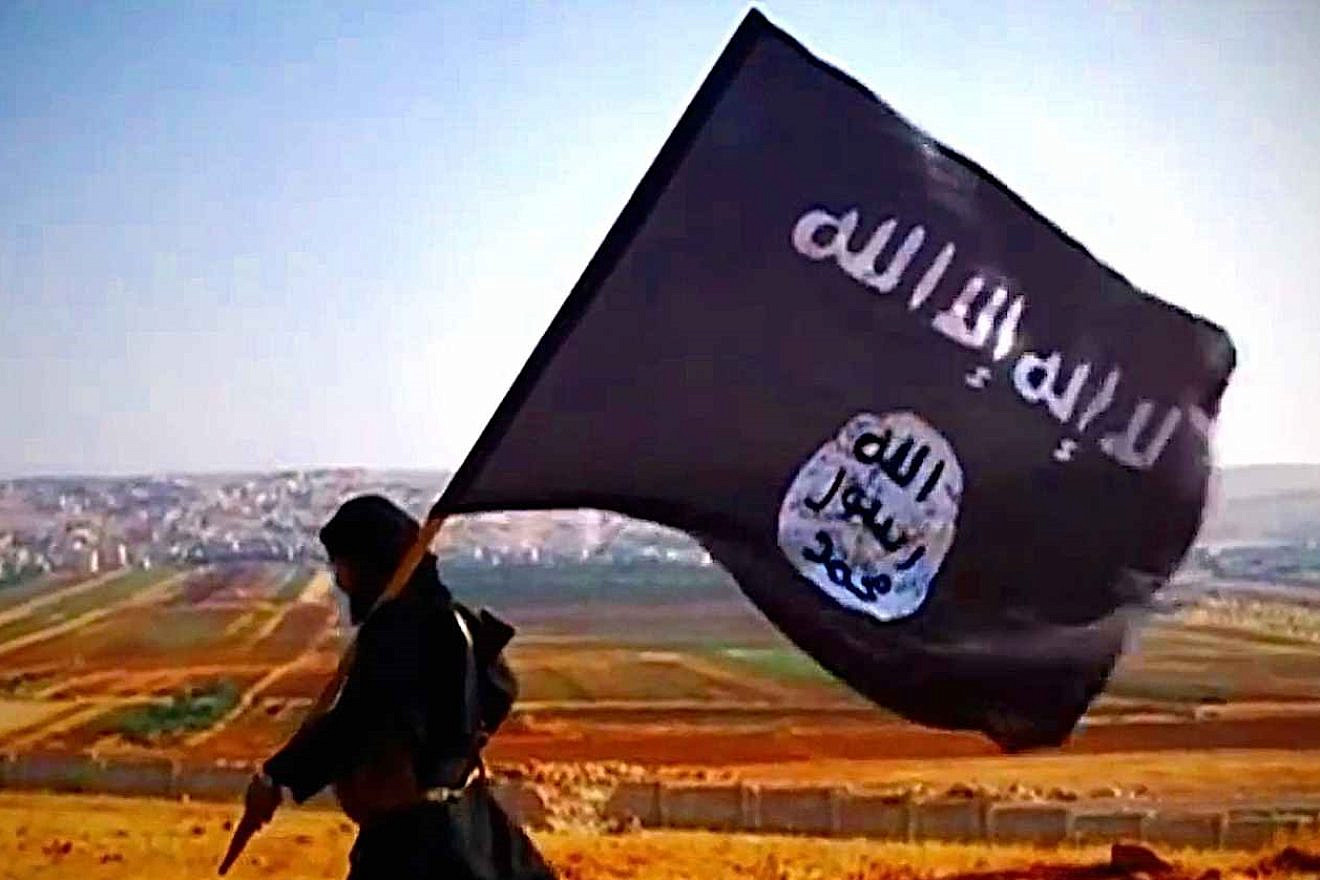
In a chilling case that has laid bare the persistence of homegrown jihadist extremism in Britain, Reuters reported on Wednesday that two men stand accused of plotting a large-scale terrorist attack against the Jewish community in northwest England—an assault prosecutors say was inspired by ISIS and designed to “kill hundreds of innocent people.”
The defendants, Walid Saadaoui, 38, and Amar Hussein, 52, appeared at Preston Crown Court on Wednesday charged with preparing acts of terrorism, while Walid’s younger brother, Bilel Saadaoui, 36, faces a lesser charge of failing to disclose information about acts of terrorism. All three men have pleaded not guilty.
According to the information provided in the Reuters report, the trial—expected to last up to 12 weeks—marks one of the most serious ISIS-linked prosecutions in Britain in recent years, calling attention to the renewed concerns about radical networks that have survived the territorial collapse of the Islamic State in Syria and Iraq.
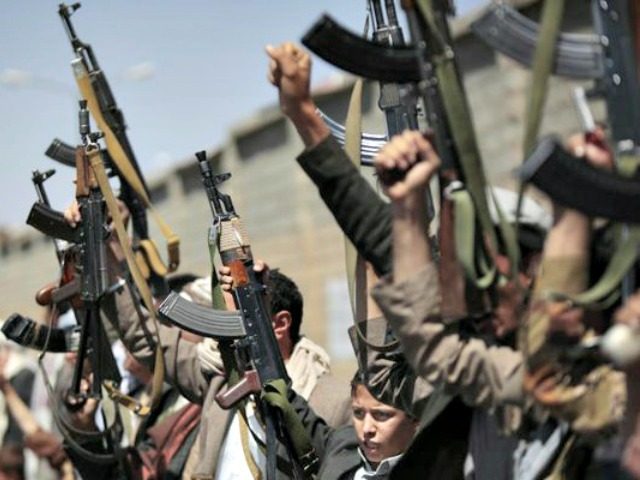
Prosecutors allege that Walid Saadaoui and Amar Hussein “embraced the views of the so-called Islamic State” and were determined to die as martyrs while inflicting maximum carnage on the Jewish community. The Reuters report noted that lead prosecutor Harpreet Sandhu told the court the pair had been working to obtain an arsenal of military-grade weapons smuggled into the United Kingdom, including two assault rifles, an automatic pistol, and ammunition—with a further shipment of three more firearms en route at the time of their arrest in May 2024.
Sandhu said the assault rifles were “similar to those used in the 2015 Paris attacks,” which killed 130 people, describing them as weapons “capable of causing untold harm.” He added, “Untold harm was precisely what Walid Saadaoui had planned to cause, together with the defendant Amar Hussein.”
The prosecutor’s statement was briefly interrupted by Hussein, who shouted from the dock, “How many babies?”—a comment that drew gasps in the courtroom. The outburst, reported by Reuters, epitomized the volatile ideological fervor prosecutors claim drove the men toward their alleged plot.
The indictment centers on a plan prosecutors describe as both coldly methodical and religiously motivated. Saadaoui and Hussein allegedly intended to “identify a mass gathering of Jewish people whom they could attack,” possibly in a synagogue or community center in the greater Manchester and Lancashire region. Reuters reports that the two also planned to “kill any law enforcement or police officers who got in their way.”
In court, Sandhu told jurors that the pair had sought out a third accomplice—someone they believed shared their jihadist aspirations and hatred for Jews. The man, known to them as “Farouk,” was in reality an undercover operative who had infiltrated their circle. It was through this covert operation that counterterrorism police were able to monitor, intercept, and ultimately foil the planned massacre before weapons reached the conspirators’ hands.
“Farouk,” according to the information provided in the Reuters report, posed as a like-minded extremist who had access to smuggling routes and weapon suppliers. He gained the suspects’ trust over several months, eliciting explicit statements about their intentions and ideology. When Saadaoui arranged payment for the firearms, authorities moved in, ending what prosecutors described as a “fast-moving, imminent” threat.
In evidence presented at Preston Crown Court, prosecutors detailed the sophisticated procurement effort behind the alleged conspiracy. The two assault rifles were part of an illegal consignment smuggled via Eastern Europe, according to court filings cited in the Reuters report. Investigators also seized encrypted communications and financial records showing the defendants discussing “final preparations” for an unspecified “mission.”
For British security services, the weapons themselves were a haunting echo of ISIS’s European terror playbook. The parallels to the 2015 Paris attacks—both in armament and ambition—underscore the enduring ideological and tactical influence of ISIS propaganda networks that continue to radicalize individuals long after the group’s territorial defeat.
A counterterrorism analyst quoted by Reuters described the case as “a disturbing reminder that the ideology of ISIS remains alive in digital space, even as its caliphate lies in ruins.” The use of coded language, clandestine financing, and encrypted platforms mirrors techniques seen in other disrupted plots in Germany, France, and Denmark, suggesting a persistent cross-border exchange of extremist methodologies.
While Walid and Hussein stand accused of direct involvement in preparing terrorist acts, the third defendant, Bilel Saadaoui, faces the lesser charge of failing to disclose information about the conspiracy. Prosecutor Sandhu told the court that Bilel was aware of his brother’s radicalization and the outlines of the plan but chose silence.
“He was not planning to take part in an attack,” Sandhu said, as reported by Reuters, “but sympathized with the views of the Islamic State and was prepared to look after his brother’s family after his death.” Prosecutors allege that Walid gave Bilel access to money for that purpose, believing he might not survive the assault.
Legal observers note that the inclusion of this charge highlights the legal obligation under U.K. law for citizens to report credible information about terrorism—an offense under the Terrorism Act 2000. If convicted, Bilel faces up to five years in prison.
As the Reuters report pointed out, Judge Mark Wall addressed jurors at the outset of the trial to clarify that the case “has nothing to do with last week’s deadly attack on a synagogue in Manchester,” which left two worshippers dead. The judge described the timing as “purely coincidental” but acknowledged that it would inevitably weigh on public consciousness.
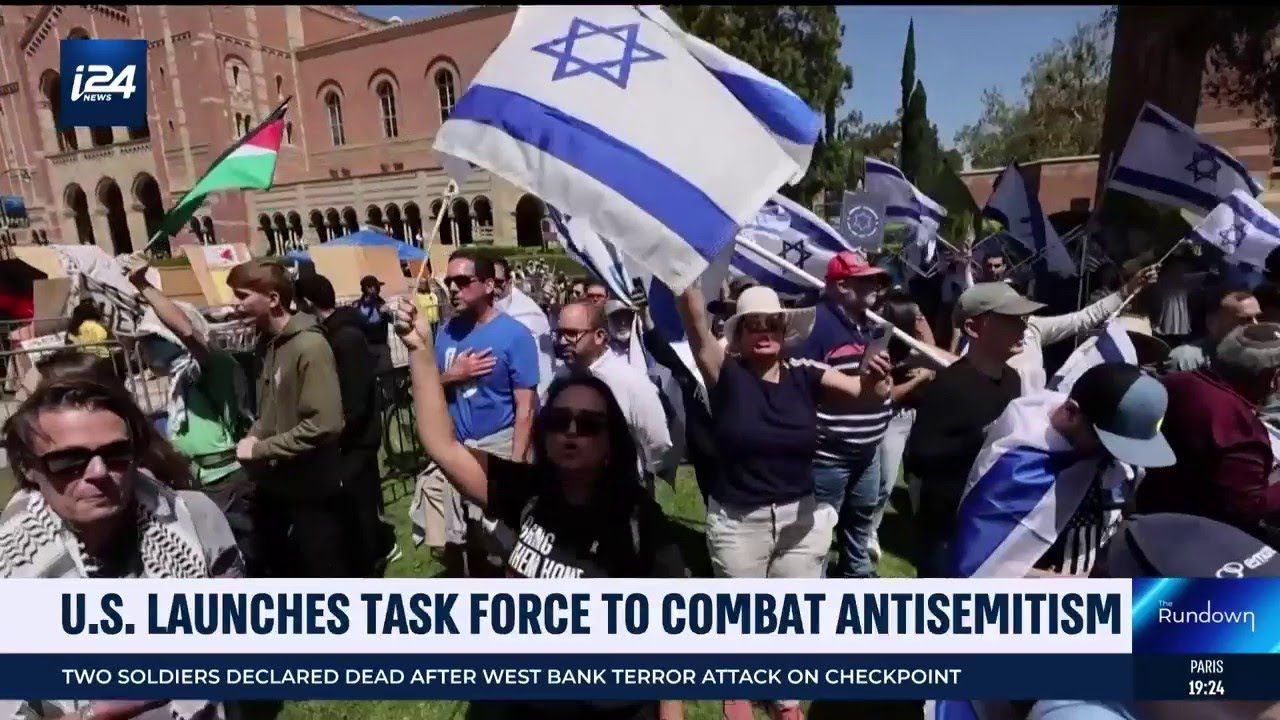
Indeed, the trial opens against a backdrop of heightened tension across Britain’s Jewish communities, which have faced what community watchdogs describe as the highest recorded levels of antisemitic threats and assaults since records began. The Community Security Trust (CST), in figures reported by Reuters, documented a surge in hate incidents following global geopolitical flashpoints, particularly in the aftermath of the October 2023 Hamas attacks in Israel.
For Jewish leaders in Manchester, the revelations in the Preston courtroom are both terrifying and vindicating—a confirmation that their long-standing security concerns were not exaggerated. “This community lives under constant threat, yet never yields to fear,” one local rabbi told Reuters, describing the foiled plot as “a miracle hidden in the machinery of law enforcement.”
While details of the defendants’ backgrounds are still emerging, early evidence points to a pattern familiar to counterterrorism investigators. Reuters reported that both Saadaoui and Hussein had extensive exposure to online jihadist material and frequented encrypted messaging platforms where ISIS sympathizers exchange propaganda, training manuals, and ideological tracts.
Experts told Reuters that the defendants appear to represent a new generation of extremists untethered from formal networks but sustained by digital ecosystems that glorify violence under the banner of jihad. These “self-activating radicals,” as they are sometimes called, blur the lines between ideological conviction and performative rage, often driven by personal grievance as much as theology.
“They are the atomized remnants of ISIS’s global project,” said one British analyst interviewed in the Reuters report. “They operate alone, they radicalize in private, and they fantasize about becoming martyrs. The challenge for intelligence services is that they leave few traces until they move to act.”
The trial is likely to reignite debate over the scope of the U.K.’s anti-terror laws and the balance between civil liberties and preventive surveillance. Britain’s MI5 and Counter Terrorism Policing units have successfully disrupted more than two dozen jihadist plots since 2017, according to official data cited in the Reuters report, yet officials warn that “low-tech, high-impact” attacks—those requiring minimal coordination but exploiting soft civilian targets—remain exceedingly difficult to predict.
Political leaders have already expressed concern about online radicalization, especially among disaffected adults who escaped earlier counter-extremism programs. In a statement to Reuters, the Home Office reiterated that the government “remains committed to protecting all communities from terror threats and ensuring the safety of places of worship.”
If convicted, Walid Saadaoui and Amar Hussein could face life imprisonment. Their case, Reuters observed, will serve as a test of how Britain’s judiciary handles terrorism prosecutions in an era when extremist intent can emerge from digital isolation rather than organized conspiracies.
As the trial unfolds in Preston, security has been visibly reinforced around Jewish sites across Lancashire and Greater Manchester. Community leaders told Reuters that synagogues, schools, and cultural centers have increased patrols, installed reinforced barriers, and expanded coordination with local police.
Yet amid the fear, a quiet defiance prevails. “We refuse to be intimidated,” said one congregant outside a Manchester synagogue, her voice steady. “They can plot in the dark, but we will keep our doors open to light.”
For prosecutors, the case is a stark reminder of the vigilance required to prevent mass tragedy. For Britain’s Jewish population, it is a reminder of resilience—the determination to pray, to gather, and to live, even under threat.
As the Reuters report observed, the foiled attack stands as both a triumph of intelligence work and a sobering testament to the endurance of hatred in modern Britain. The courtroom proceedings may bring justice, but the underlying battle—against ideology, isolation, and intolerance—remains far from over.
 |
|



