



|
Getting your Trinity Audio player ready...
|
Trump Poised to Announce Gaza Ceasefire Amid Hostage Deal Talks
By: Carl Schwartzbaum
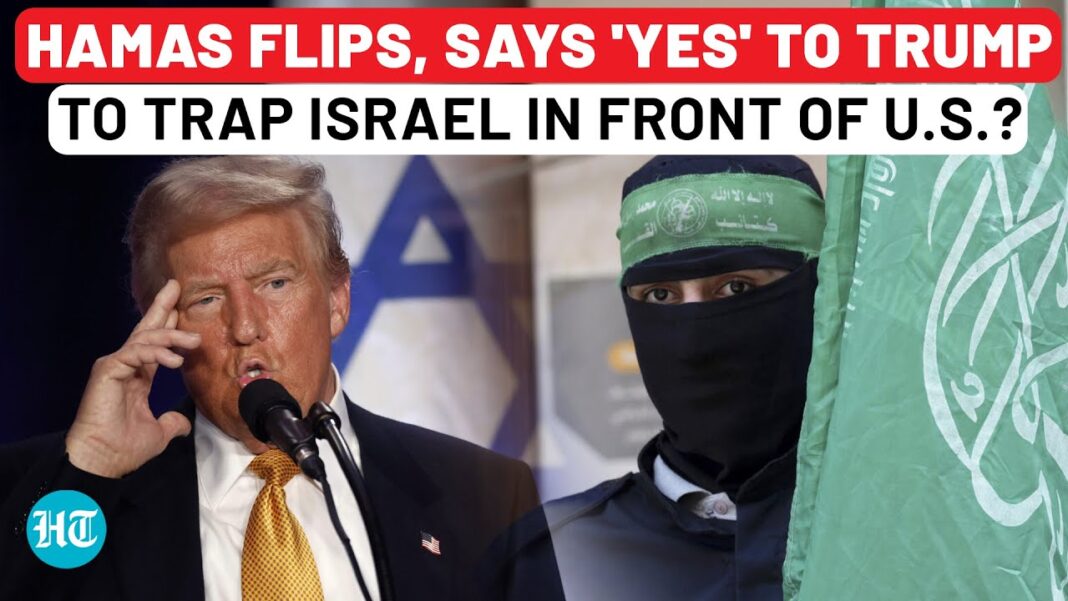
As Israel continues its intense military campaign in Gaza and global diplomatic efforts intensify, Sky News in Arabic reports that President Donald Trump is on the verge of announcing a ceasefire agreement between Israel and Hamas. The deal, which sources say could be unveiled within days, is expected to include a phased release of Israeli hostages held by the terrorist organization in Gaza.
According to the Sky News report, multiple diplomatic sources close to the Trump administration confirmed that the anticipated announcement is part of a broader, U.S.-led initiative to end hostilities and usher in a new stage of indirect negotiations between the warring sides. The plan would seek to halt combat, increase humanitarian aid, and address the sensitive and deeply painful issue of Israeli captives still languishing in Hamas tunnels and hideouts.
“There are expectations that Trump will declare a Gaza ceasefire within days,” one source told Sky News, adding that the hostage deal would form the heart of the proposed truce.
The reported ceasefire initiative comes as Hamas’s administrative control over Gaza appears to be disintegrating. On Sunday, a senior Hamas official publicly acknowledged what many in Israel and international aid circles have long asserted: Gaza’s civilian administration has collapsed, and chaos now dominates much of the Strip.
Sky News reported that the dire humanitarian situation is compounding pressure on Hamas to enter a deal—particularly as Israeli military operations escalate and internal dissent within Gaza grows.
Speaking to reporters earlier on Sunday, Trump signaled cautious optimism: “We want to see if we can stop the fighting,” he said. “We’ve spoken with Israel, and we want to bring this whole situation to an end as soon as possible.”
The president is said to be growing frustrated with the prolonged conflict and is pushing Israeli Prime Minister Benjamin Netanyahu’s government to halt further military escalation in order to create the conditions necessary for a sustainable truce.
Sources cited by Sky News revealed that the Trump administration has opened a backchannel to Hamas through Palestinian-American businessman Bishara Bahbah, a figure with long-standing ties to Palestinian political circles.
This indirect communication aims to facilitate prisoner exchange negotiations, which White House Special Envoy Steve Witkoff is now spearheading. Witkoff, a real estate developer and long-time Trump ally, has emerged as a central figure in the effort to mediate a limited but strategically critical truce.
Diplomatic insiders told Sky News that Israel has been asked to pause military operations and increase humanitarian aid flows into Gaza, a key confidence-building measure aimed at creating an environment conducive to further negotiations.
Although the Israeli government has not officially confirmed the latest developments, an Israeli delegation is expected to arrive in Cairo on Monday to resume discussions, according to reports aired by the Egyptian Al-Ghad news channel.
Sky News reported that the ceasefire proposal being discussed includes the release of 10 living Israeli hostages, along with the return of the bodies of 16 others. In a highly sensitive and phased arrangement, the deal would see five hostages released immediately on the first day of the ceasefire, the remaining five released 60 days later, contingent on continued ceasefire compliance, the transfer of the bodies of 16 hostages, delivered according to a prearranged schedule and up to 60 days granted to Hamas to locate and retrieve the remains.
In return, Israel would be compelled to release Palestinian terrorist prisoners, including those with “blood on their hands”—a term used in Israeli military and legal parlance for those convicted of direct involvement in fatal attacks.
Hamas is also demanding the release of all Gaza-based prisoners, including individuals detained before and after the October 7 massacre, in which more than 1,200 Israelis were murdered and over 250 kidnapped.
As of now, 21 living hostages are believed to remain in Hamas captivity. Their prolonged detention continues to dominate the Israeli public discourse, and securing their freedom remains a key political imperative for the Netanyahu government.
In a separate but related development, Sky News has reported that Jake Wood, the head of the Gaza Humanitarian Foundation (GHF)—a U.S.- and Israeli-backed aid initiative—has resigned after just a few weeks in the role. His departure signals internal discord over how to balance security, aid distribution, and humanitarian principles.
Wood, a former U.S. Marine and respected aid logistics expert, had been tasked with implementing a tightly controlled humanitarian aid mechanism designed to prevent Hamas from hijacking aid shipments and reselling them to civilians to finance its ongoing terror campaign.
Israel has long maintained that Hamas routinely intercepts humanitarian convoys, using the goods to prop up its war economy and coerce loyalty among suffering civilians.
However, Wood voiced deep misgivings about what he described as a compromised humanitarian mission.
“I am proud of the work I oversaw, including developing a pragmatic plan that could feed hungry people, address security concerns about diversion, and complement the work of longstanding NGOs in Gaza,” Wood wrote in a statement reported by Sky News.
“However, it is clear that it is not possible to implement this plan while also strictly adhering to the humanitarian principles of humanity, neutrality, impartiality, and independence, which I will not abandon.”
His resignation has prompted criticism from both sides—some human rights organizations accuse the U.S. and Israel of instrumentalizing aid for political leverage, while Israeli officials maintain that unrestricted aid would empower Hamas, not help civilians.
According to the Sky News report, the international community is responding cautiously to the reports of an impending ceasefire. European Union diplomats are reportedly pressing for a permanent truce and more expansive prisoner exchanges, while several Arab countries, including Egypt and Qatar, are acting as mediators behind the scenes.
Meanwhile, the United Nations and various humanitarian organizations continue to express concern that aid bottlenecks and forced displacement are worsening Gaza’s humanitarian crisis.
Israel insists that any ceasefire must ensure that Hamas does not rearm or regroup, and that hostages are returned without compromising national security.
As one Israeli official told Sky News, “We’re not seeking indefinite war. But we also cannot accept a ceasefire that leaves Hamas intact and emboldened.”
The anticipated ceasefire announcement represents a significant moment for Donald Trump, who is positioning himself as a peacemaker. According to Sky News, Trump views ending the war in Gaza as both a moral imperative and a potential foreign policy achievement.
Yet it remains to be seen whether Netanyahu, under pressure from both his security establishment and right-wing coalition partners, will accept the proposed terms—particularly the release of high-profile terrorists in exchange for hostages.
Trump, for his part, is said to be personally invested in securing a breakthrough, reportedly spending significant time on calls with both Israeli and regional leaders in recent weeks.
Whether the tentative framework reported by Sky News will materialize into a durable ceasefire remains uncertain. Hamas has historically used truces to rearm, and Israeli defense officials remain skeptical of any agreement that does not include demilitarization guarantees.
Still, for the families of hostages and the civilian populations on both sides, even a short-lived ceasefire would offer a desperately needed reprieve.
For now, all eyes are on Trump—who may, within days, step before the cameras to declare not just a diplomatic milestone, but perhaps the most delicate ceasefire of his political career.
Trump Poised to Announce Gaza Ceasefire Amid Hostage Deal Talks
By: Carl Schwartzbaum
As Israel continues its intense military campaign in Gaza and global diplomatic efforts intensify, Sky News in Arabic reports that President Donald Trump is on the verge of announcing a ceasefire agreement between Israel and Hamas. The deal, which sources say could be unveiled within days, is expected to include a phased release of Israeli hostages held by the terrorist organization in Gaza.
According to the Sky News report, multiple diplomatic sources close to the Trump administration confirmed that the anticipated announcement is part of a broader, U.S.-led initiative to end hostilities and usher in a new stage of indirect negotiations between the warring sides. The plan would seek to halt combat, increase humanitarian aid, and address the sensitive and deeply painful issue of Israeli captives still languishing in Hamas tunnels and hideouts.
“There are expectations that Trump will declare a Gaza ceasefire within days,” one source told Sky News, adding that the hostage deal would form the heart of the proposed truce.
The reported ceasefire initiative comes as Hamas’s administrative control over Gaza appears to be disintegrating. On Sunday, a senior Hamas official publicly acknowledged what many in Israel and international aid circles have long asserted: Gaza’s civilian administration has collapsed, and chaos now dominates much of the Strip.
Sky News reported that the dire humanitarian situation is compounding pressure on Hamas to enter a deal—particularly as Israeli military operations escalate and internal dissent within Gaza grows.
Speaking to reporters earlier on Sunday, Trump signaled cautious optimism: “We want to see if we can stop the fighting,” he said. “We’ve spoken with Israel, and we want to bring this whole situation to an end as soon as possible.”
The president is said to be growing frustrated with the prolonged conflict and is pushing Israeli Prime Minister Benjamin Netanyahu’s government to halt further military escalation in order to create the conditions necessary for a sustainable truce.
Sources cited by Sky News revealed that the Trump administration has opened a backchannel to Hamas through Palestinian-American businessman Bishara Bahbah, a figure with long-standing ties to Palestinian political circles.
This indirect communication aims to facilitate prisoner exchange negotiations, which White House Special Envoy Steve Witkoff is now spearheading. Witkoff, a real estate developer and long-time Trump ally, has emerged as a central figure in the effort to mediate a limited but strategically critical truce.
Diplomatic insiders told Sky News that Israel has been asked to pause military operations and increase humanitarian aid flows into Gaza, a key confidence-building measure aimed at creating an environment conducive to further negotiations.
Although the Israeli government has not officially confirmed the latest developments, an Israeli delegation is expected to arrive in Cairo on Monday to resume discussions, according to reports aired by the Egyptian Al-Ghad news channel.
Sky News reported that the ceasefire proposal being discussed includes the release of 10 living Israeli hostages, along with the return of the bodies of 16 others. In a highly sensitive and phased arrangement, the deal would see five hostages released immediately on the first day of the ceasefire, the remaining five released 60 days later, contingent on continued ceasefire compliance, the transfer of the bodies of 16 hostages, delivered according to a prearranged schedule and up to 60 days granted to Hamas to locate and retrieve the remains.
In return, Israel would be compelled to release Palestinian terrorist prisoners, including those with “blood on their hands”—a term used in Israeli military and legal parlance for those convicted of direct involvement in fatal attacks.
Hamas is also demanding the release of all Gaza-based prisoners, including individuals detained before and after the October 7 massacre, in which more than 1,200 Israelis were murdered and over 250 kidnapped.
As of now, 21 living hostages are believed to remain in Hamas captivity. Their prolonged detention continues to dominate the Israeli public discourse, and securing their freedom remains a key political imperative for the Netanyahu government.
In a separate but related development, Sky News has reported that Jake Wood, the head of the Gaza Humanitarian Foundation (GHF)—a U.S.- and Israeli-backed aid initiative—has resigned after just a few weeks in the role. His departure signals internal discord over how to balance security, aid distribution, and humanitarian principles.
Wood, a former U.S. Marine and respected aid logistics expert, had been tasked with implementing a tightly controlled humanitarian aid mechanism designed to prevent Hamas from hijacking aid shipments and reselling them to civilians to finance its ongoing terror campaign.
Israel has long maintained that Hamas routinely intercepts humanitarian convoys, using the goods to prop up its war economy and coerce loyalty among suffering civilians.
However, Wood voiced deep misgivings about what he described as a compromised humanitarian mission.
“I am proud of the work I oversaw, including developing a pragmatic plan that could feed hungry people, address security concerns about diversion, and complement the work of longstanding NGOs in Gaza,” Wood wrote in a statement reported by Sky News.
“However, it is clear that it is not possible to implement this plan while also strictly adhering to the humanitarian principles of humanity, neutrality, impartiality, and independence, which I will not abandon.”
His resignation has prompted criticism from both sides—some human rights organizations accuse the U.S. and Israel of instrumentalizing aid for political leverage, while Israeli officials maintain that unrestricted aid would empower Hamas, not help civilians.
According to the Sky News report, the international community is responding cautiously to the reports of an impending ceasefire. European Union diplomats are reportedly pressing for a permanent truce and more expansive prisoner exchanges, while several Arab countries, including Egypt and Qatar, are acting as mediators behind the scenes.
Meanwhile, the United Nations and various humanitarian organizations continue to express concern that aid bottlenecks and forced displacement are worsening Gaza’s humanitarian crisis.
Israel insists that any ceasefire must ensure that Hamas does not rearm or regroup, and that hostages are returned without compromising national security.
As one Israeli official told Sky News, “We’re not seeking indefinite war. But we also cannot accept a ceasefire that leaves Hamas intact and emboldened.”
The anticipated ceasefire announcement represents a significant moment for Donald Trump, who is positioning himself as a peacemaker. According to Sky News, Trump views ending the war in Gaza as both a moral imperative and a potential foreign policy achievement.
Yet it remains to be seen whether Netanyahu, under pressure from both his security establishment and right-wing coalition partners, will accept the proposed terms—particularly the release of high-profile terrorists in exchange for hostages.
Trump, for his part, is said to be personally invested in securing a breakthrough, reportedly spending significant time on calls with both Israeli and regional leaders in recent weeks.
Whether the tentative framework reported by Sky News will materialize into a durable ceasefire remains uncertain. Hamas has historically used truces to rearm, and Israeli defense officials remain skeptical of any agreement that does not include demilitarization guarantees.
Still, for the families of hostages and the civilian populations on both sides, even a short-lived ceasefire would offer a desperately needed reprieve.
For now, all eyes are on Trump—who may, within days, step before the cameras to declare not just a diplomatic milestone, but perhaps the most delicate ceasefire of his political career.
