



|
Getting your Trinity Audio player ready...
|
By: Ariella Haviv
According to figures cited in a report by Israel National News, a total of 175 injured individuals were evacuated to Soroka Hospital following the strikes. The influx of casualties—arriving in waves amid scenes of confusion and urgency—represents one of the most significant single-day medical emergencies in the region in recent memory.
The breakdown of injuries reveals a stark picture of the attacks’ impact. From Dimona alone, 60 wounded individuals were transported to the hospital. Among them was a 12-year-old boy listed in serious condition, suffering from severe trauma that required immediate and intensive intervention. In addition, a man in his twenties sustained moderate injuries, while several others required hospitalization for a range of wounds, including blast injuries and shrapnel-related trauma. Five of the Dimona victims were admitted to hospital wards for continued treatment, reflecting the severity of their conditions.
The situation in Arad proved even more alarming. As reported by Israel National News, 115 injured individuals were evacuated from the town, a figure that highlights the broader reach and destructive capacity of the rocket barrage. Of these, nine were classified as being in serious condition, their injuries demanding urgent and sustained medical attention. Thirty-one individuals were admitted to hospital wards, including a particularly distressing number of children—18 in total—whose presence among the wounded has intensified public concern and emotional resonance across the country.
Israel National News has emphasized that the high proportion of civilian casualties, particularly among minors, underscores the indiscriminate nature of the attacks. The psychological toll, while less immediately visible than physical injuries, is expected to be profound, especially for younger victims exposed to such traumatic events.
Inside Soroka Hospital, the atmosphere has been described as one of controlled urgency. Medical teams, long accustomed to operating under conditions of heightened alert, mobilized rapidly to triage incoming patients. Emergency rooms were quickly filled, with doctors and nurses working tirelessly to stabilize the most critical cases while ensuring that those with less severe injuries received timely care. Israel National News has reported that hospital staff implemented emergency protocols to manage the sudden influx, including the reallocation of resources and the expansion of treatment areas.
A spokeswoman for the hospital noted that the coordinated efforts of medical personnel were instrumental in preventing an even greater loss of life. Yet, the strain on facilities was evident, as wards reached capacity and additional support was required to accommodate the volume of patients. Israel National News has highlighted the resilience of Israel’s healthcare system in such moments, while also acknowledging the immense pressure placed on frontline workers.
The attacks on Dimona and Arad, both located in the Negev desert region, carry strategic as well as humanitarian implications. Dimona, in particular, is internationally known for its proximity to Israel’s nuclear research infrastructure, adding an additional layer of sensitivity to the incident. While the rockets struck residential and civilian areas, the broader context of the attacks has heightened concerns about escalation and the potential targeting of critical national assets.
Israel National News has consistently framed the events as part of a wider pattern of intensifying hostilities, in which civilian populations increasingly bear the brunt of military actions. The outlet’s coverage has underscored the urgency of both immediate humanitarian response and longer-term strategic considerations, as policymakers grapple with how to address the evolving threat landscape.
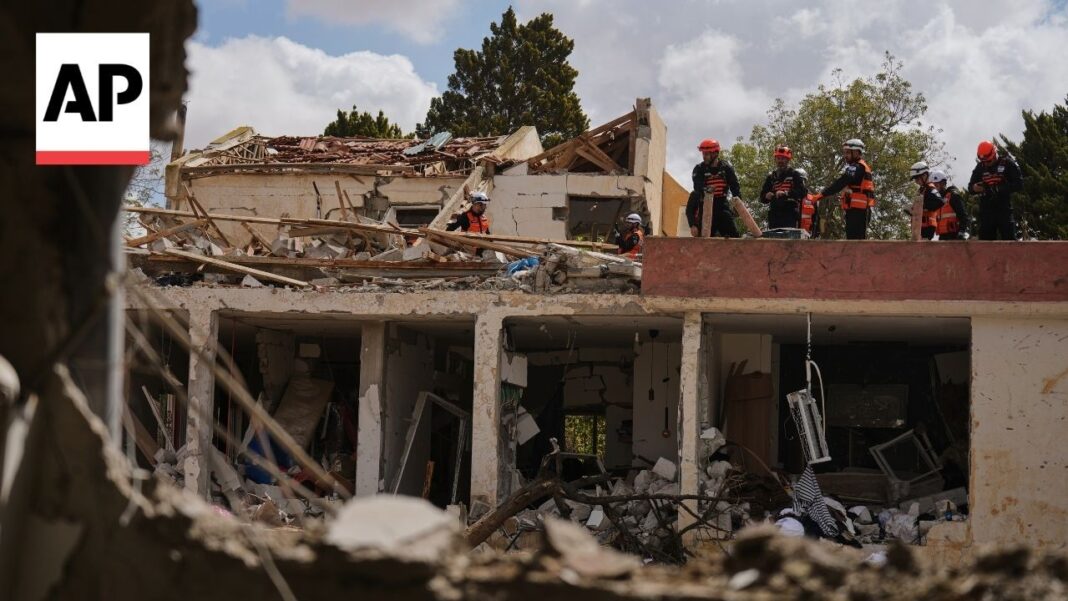
Beyond the immediate medical and logistical challenges, the human stories emerging from the aftermath are both harrowing and poignant. Families separated in the chaos, children injured in what should have been places of safety, and communities grappling with the sudden rupture of normal life all contribute to a narrative of profound disruption. Israel National News has documented accounts of first responders navigating scenes of destruction, their efforts marked by both professionalism and emotional strain.
As the injured continue to receive treatment, attention is also turning to recovery and rehabilitation. For those in serious condition, the road ahead may involve prolonged medical care and uncertain outcomes. For others, the scars—both physical and psychological—may linger long after the immediate crisis has passed.
In its ongoing coverage, Israel National News has stressed the importance of sustained support for victims and their families, as well as the need for broader measures to prevent further attacks. The events in Dimona and Arad serve as a stark reminder of the human cost of conflict, a cost that is measured not only in numbers but in lives irrevocably altered.
As night falls over the Negev, the lights of Soroka Hospital remain a symbol of both resilience and urgency—a place where the consequences of violence are confronted head-on, and where the determination to save lives persists despite the overwhelming challenges.
