



|
Getting your Trinity Audio player ready...
|
When it comes to cancer, how meat is prepared and what it is eaten with matters more than whether you eat it
By: Amy Denney
Dr. Leigh Erin Connealy piles beef on her plate frequently and shares photos and videos of it on social media with the caption: “What a cancer doctor eats for dinner.”
A cancer doctor who eats beef regularly might sound like a contradiction, but Connealy, medical director of the Cancer Center for Healing, isn’t ignoring research—she’s reading it more carefully than most. The danger, she told The Epoch Times, is not in the meat itself. It’s in the char, the chemical preservatives, and the shortcuts taken between the farm and your fork.
Meat—when chosen and prepared mindfully—offers abundant nutrients including iron, zinc, and B vitamins. “It is a complete food,” she said. “I probably don’t eat meat every day, but I would say more often than not I do.”
What has science found, and how can we make eating meat safer?
How Meat Is Cooked
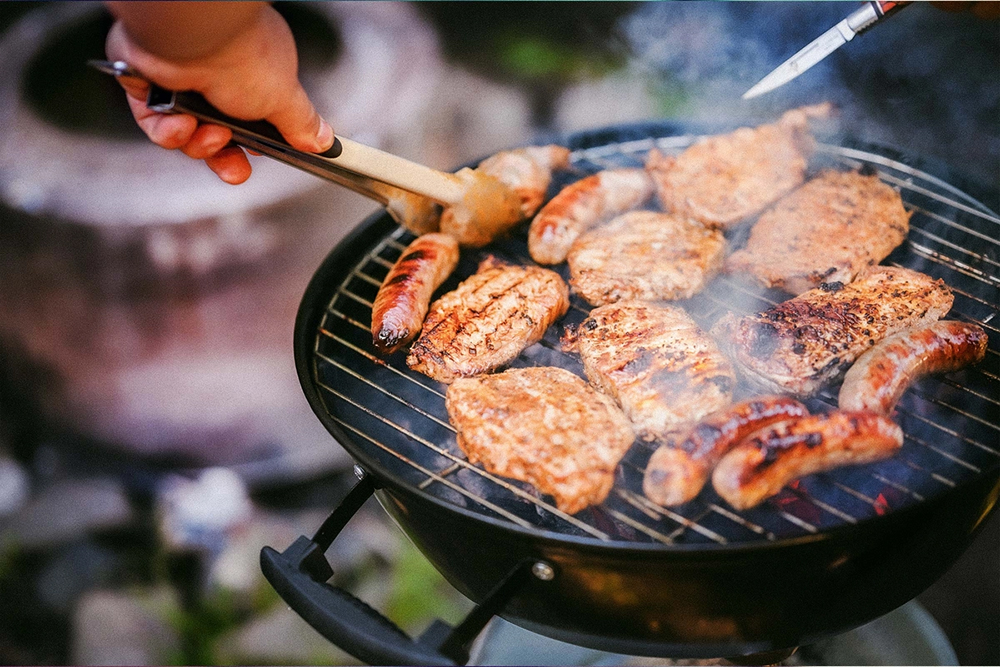
Cooking meat too quickly by charring or burning—often done when grilling or pan-searing—generates heterocyclic amines and polycyclic aromatic hydrocarbons, compounds that can cause genetic mutations in cells lining the colon and rectum and lead to cancer. These cancer-causing compounds also cause cellular damage and inflammation, both of which are known factors in cancer development.
A study published in Nutrients found that eating meat cooked at high heat—particularly smoked, fried, roasted, and boiled—increases the risk of oral cancer in the same way.
Connealy prepares meat in a slow cooker or in a non-toxic stainless steel pan, using minimal oil. “You have to be mindful of every single thing.”
Creating a barrier around meat by marinating it first lowers the production of heterocyclic amines, Lise Alschuler, a naturopathic oncologist, told The Epoch Times. She suggests a homemade marinade with olive oil and spices.
“The key with meat is that it should be lean meat, ideally, that’s been grass-fed and grass-finished,” she said. Most cows are grass-fed, but then corn- or grain-fed in the last few months of life to “fatten them up.” It adds weight from fat, which improves the farmer’s sale of beef. Meat should, preferably, not come from “animals that have been injected with steroids and excessive antibiotics, because the residuals of those chemicals do end up in the meat and they can become carcinogenic,” she said.
There’s concern that residual antibiotics can damage the gut microbiome—the balance of good bacteria and other microbes—in the people who eat it, which is a risk factor for colorectal cancer. Cattle are often treated with steroids made of natural or synthetic hormones to promote growth and leaner muscle mass, and there is concern that the animals could pass along hormones—a potential problem for hormone-sensitive cancers.
The Processed Meat Problem
When meat is processed with shelf-stabilizing preservatives, cancer risk rises. The types of meat found on charcuterie boards and in ballpark concession stands are best avoided or minimized.
Hot dogs, bacon, sausage, deli meat, pepperoni, salami, and jerky all contain nitrates and nitrites—chemical preservatives that prevent bacterial growth but can also trigger the formation of N-nitroso compounds—carcinogens that promote DNA damage, oxidative stress, and inflammation in the colonic mucosa, according to a meta-analysis published in GeroScience.
“When you get overly processed meat and packaged meat that’s had chemicals added, that’s just really not healthy at all. That’s definitely linked to a variety of cancers, including colon cancer, which is on the rise, particularly in young people,” Alschuler said.
The International Agency for Research on Cancer classifies processed meat as carcinogenic to humans. Yet nearly half of 2,202 American adults recently polled were unaware that eating processed meat increases the risk of cancer. Two-thirds of those polled said they would support product warning labels on packaging.
“In light of colorectal cancer now being the leading cause of cancer deaths in adults under 50, it’s concerning that so many people still don’t know about the strong connection between eating processed meat and the risk of developing colorectal cancer,” Dr. Joseph Barrocas, an internal medicine specialist, said in a news release about the poll.
Confounding Factors
The broader link between red meat and cancer is considerably less settled. One study published in the Annals of Internal Medicine noted the low certainty of evidence, small effect, and confounding factors that make the red meat-cancer link premature.
The effect of eating red meat over a lifetime had a small increase in cancer risk, though the certainty of evidence was low or very low, according to the authors. “Persons making recommendations about consumption of red and processed meat should be mindful of the remaining uncertainty regarding causation and, if indeed causal mechanisms are at play, the very small absolute effects.”
A number of other factors, such as lack of physical activity and fiber, obesity, and gut microbes that are out of balance, could be working independently or synergistically with eating red meat to increase the cancer risk, making it difficult to isolate meat as a direct cause.
Genetics also plays a role. Some people have a specific genotype that makes it harder to detoxify carcinogenic byproducts of meat, according to the authors of the GeroScience meta-analysis, making them more vulnerable regardless of preparation.
For those folks, diet can create more cancer vulnerability. “These findings suggest that precision nutrition strategies, tailored to individual genetic profiles, may enhance the effectiveness of [colorectal cancer] prevention efforts,” the authors wrote.
The Big Picture
One of the most overlooked strategies for reducing meat’s cancer risk isn’t about the meat at all; it’s about what surrounds it. Eating a side of veggies with your beef could help offset risk. “Ristoceutics” is a term that describes the strategy of combining functional foods such as fiber-rich vegetables with red meat, which has been shown to attenuate cancer risks.
A study published in Nutrients found a diet high in red meat but low in fruits and vegetables was associated with an increased risk of 15 types of cancer, while a diet combining lower meat intake with higher vegetable and fruit consumption showed far less consistent cancer associations.
There’s evidence that meat could have a cancer-protective effect. One study published in Oncology Letters showed that carnosine—found in high concentrations in animal muscle, especially red meat—can reduce the viability and growth of colorectal cancer cells by acting as an antioxidant. The highly bioavailable iron in meat helps deliver oxygen and nutrients to the cells, Connealy noted, in ways that plant-based sources cannot as efficiently replicate.
“Chicken can’t do that. Fish can’t do that. It’s meat,” she said. “Every decision you make when you’re eating is a health care decision because food is how your body is going to work or not work.”
The immune and detoxification systems—both critical for fighting cancer—are dependent on protein, Alschuler said. Animal foods have among the highest amounts of protein.
Vegetarian diets often need the highest supplementation because of nutrient deficiencies and can be associated with insulin resistance, a risk factor for cancer, she added, while carnivore diets are hard on the body and lack the fiber that protects against inflammation.
“I’m a pretty big fan of the Mediterranean style diet or an omnivore type of diet that does include some meat,” Alschuler said.
