



|
Getting your Trinity Audio player ready...
|
By: TJV Staff
In a striking reversal of prevailing domestic trends, Israel’s real estate sector is witnessing a powerful influx of interest from overseas buyers, even as local demand has softened under the weight of rising interest rates and wartime uncertainty. At the center of this unexpected surge stands the Yossi Avrahami Group, one of the country’s most established developers, which reports a notable increase in inquiries and purchases from international clients seeking residential property across Israel’s most desirable urban centers.
This phenomenon reflects a convergence of economic, geopolitical, and cultural forces—each contributing to a moment that industry observers describe as both transitional and potentially transformative for Israel’s housing market.
Over the past two years, Israel’s real estate market has experienced a pronounced slowdown. The Bank of Israel, in an effort to curb inflation, embarked on an aggressive monetary tightening cycle beginning in April 2022, raising interest rates ten times in rapid succession. The benchmark rate, once near zero, now stands at approximately 4.75 percent.
The consequences have been immediate and far-reaching. Mortgage costs have risen sharply, placing significant financial pressure on prospective buyers and discouraging many from entering the market. Transactions have declined, and a growing number of Israelis have adopted a cautious “wait-and-see” approach, delaying purchases in anticipation of more favorable conditions.
Yet, as Yossi Avrahami, chairman and owner of the Yossi Avrahami Group, explains, the apparent lull in activity masks a deeper and more enduring dynamic. “The need for housing does not disappear,” Avrahami notes. “What we are seeing is suppressed demand. It builds over time, and eventually, it will be released.”
The outbreak of the Swords of Iron War on October 7 introduced a new and profound layer of complexity to an already fragile market. The conflict has reshaped daily life across Israel, fostering a climate of uncertainty while simultaneously strengthening national solidarity.
For many Israelis, the immediate priorities have shifted away from long-term financial decisions toward issues of security, community, and resilience. The emotional and psychological impact of the war has further contributed to the pause in domestic real estate activity.
At the same time, the conflict has underscored the enduring importance of home ownership as a source of stability. Industry experts suggest that once conditions begin to normalize, the pent-up demand that has accumulated during this period could lead to a sharp resurgence in activity.
Avrahami anticipates precisely such a scenario. “When the war ends and interest rates begin to decline, we expect demand to surge,” he says. “There is already a significant shortage of housing, and that imbalance will only become more pronounced.”
Indeed, one of the defining features of Israel’s housing market is the persistent gap between supply and demand. Estimates suggest a shortfall of approximately 150,000 apartments nationwide—a deficit that has been years in the making.
Despite ongoing development efforts, the pace of construction has struggled to keep up with population growth and evolving housing needs. Regulatory hurdles, land availability constraints, and logistical challenges have all contributed to the imbalance.
In economic terms, the implications are clear. When demand outpaces supply, prices tend to rise. Avrahami believes that this dynamic is poised to reassert itself in the near future. “We are likely to see a wave of price increases,” he predicts. “The conditions are already in place.”
While domestic buyers remain cautious, a different segment of the market is moving decisively in the opposite direction. The Yossi Avrahami Group has reported a marked increase in interest from overseas residents, particularly from Jewish communities in the United States, the United Kingdom, France, Russia, and Ukraine.

This surge in international demand is driven by a combination of financial opportunity and emotional connection.
One of the most significant factors is the weakening of the Israeli currency relative to major global currencies. Over the past year, and especially in recent months, both the dollar and the euro have appreciated by approximately 20 percent against the shekel.
For foreign buyers, this shift effectively reduces the cost of Israeli property, creating what many view as a rare window of opportunity. Apartments that might have been considered expensive in previous years are now perceived as comparatively affordable. “This is a moment that overseas buyers do not want to miss,” Avrahami observes. “The exchange rate alone makes a compelling case.”
However, financial considerations tell only part of the story. For many overseas buyers, the decision to invest in Israeli real estate is also deeply rooted in identity, heritage, and long-term planning.
The concept of maintaining a physical presence in Israel—whether as a second home, a future residence, or a base for family visits—holds significant appeal. In an era marked by global uncertainty, property ownership in Israel is often seen as both a practical and symbolic investment.
In addition, the rise of antisemitism in various parts of the world has influenced decision-making among members of the Jewish diaspora. Reports of increased hostility have prompted some individuals and families to consider relocation or, at the very least, to establish a foothold in Israel as a precautionary measure.
This trend aligns with broader patterns of migration and identity reaffirmation, as individuals seek environments where they feel a stronger sense of belonging and security.
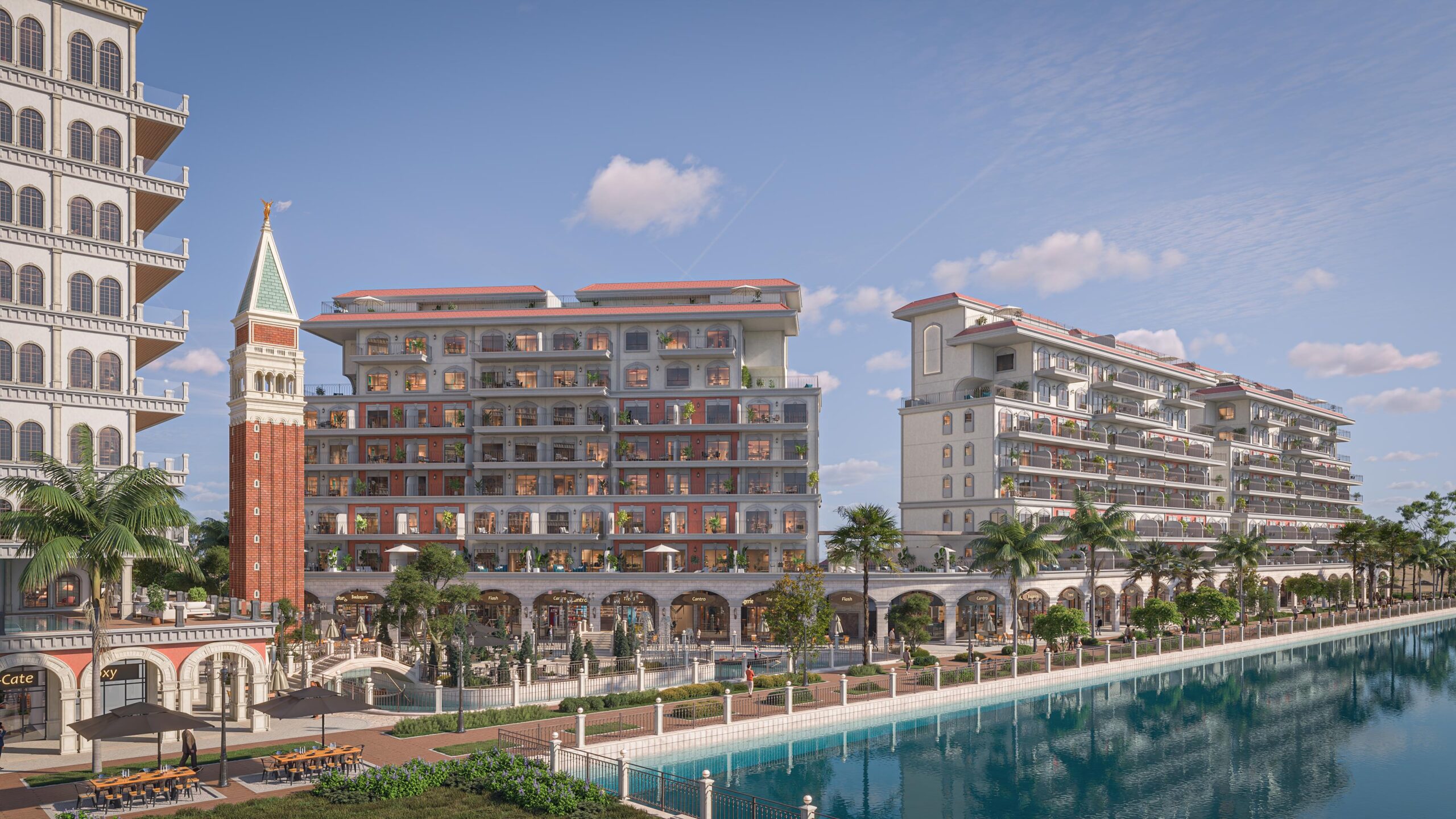
The Yossi Avrahami Group’s portfolio includes several high-profile projects that have attracted particular interest from overseas buyers. These developments are distinguished not only by their architectural quality but also by their prime locations within Israel’s most sought-after cities.
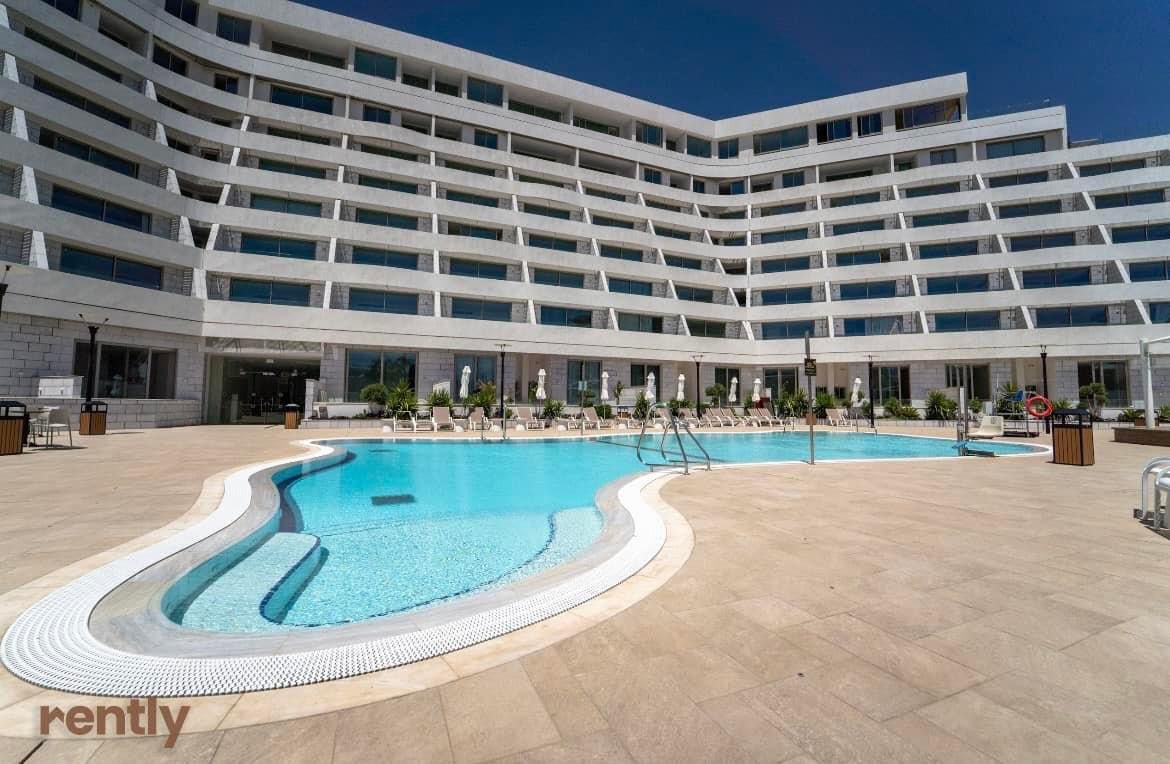
In Eilat, the Sea Side project offers a beachfront lifestyle, combining residential apartments with hospitality amenities. The development features 219 apartments within a seven-story structure, alongside a hotel component that includes 100 guest rooms. Residents benefit from proximity to the sea, as well as access to leisure facilities such as a swimming pool and a commercial complex.
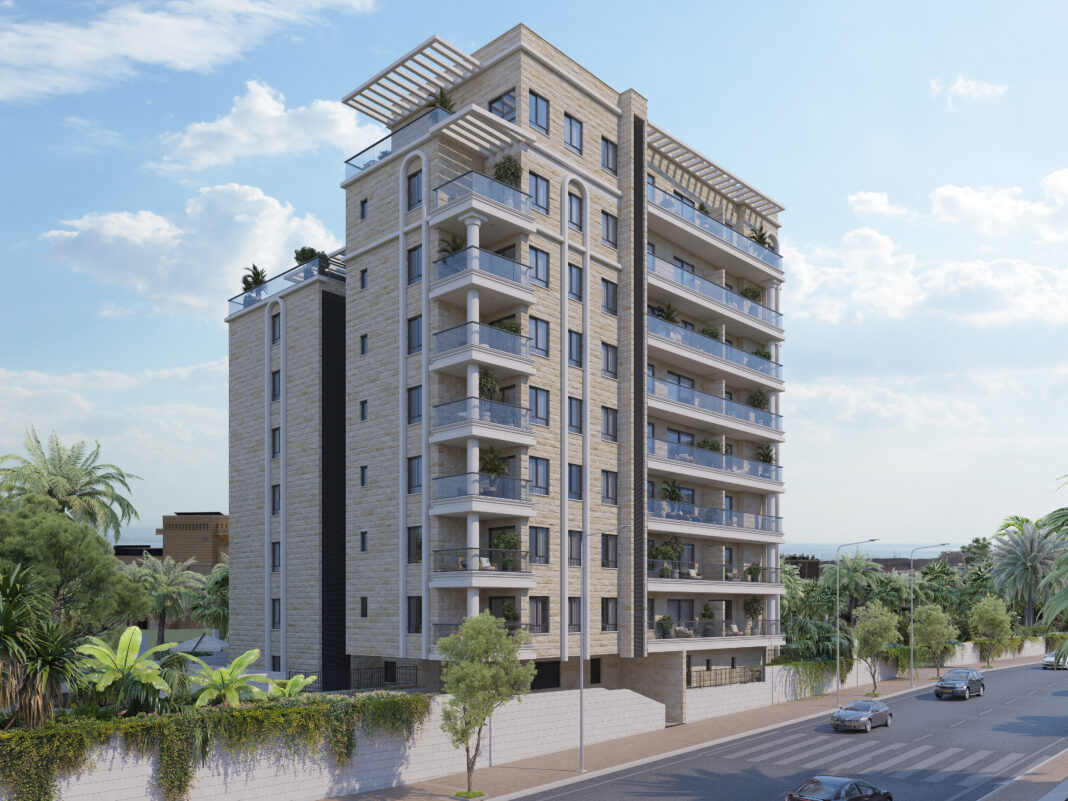
In Tel Aviv-Jaffa, the Noga 1 project occupies a strategic position at the intersection of the historic Neve Tzedek neighborhood and the emerging Noga district. The ten-story boutique building includes a mix of residential and commercial spaces, with units ranging from two-room apartments to expansive penthouses. Its location near public transportation and the coastline enhances its appeal.
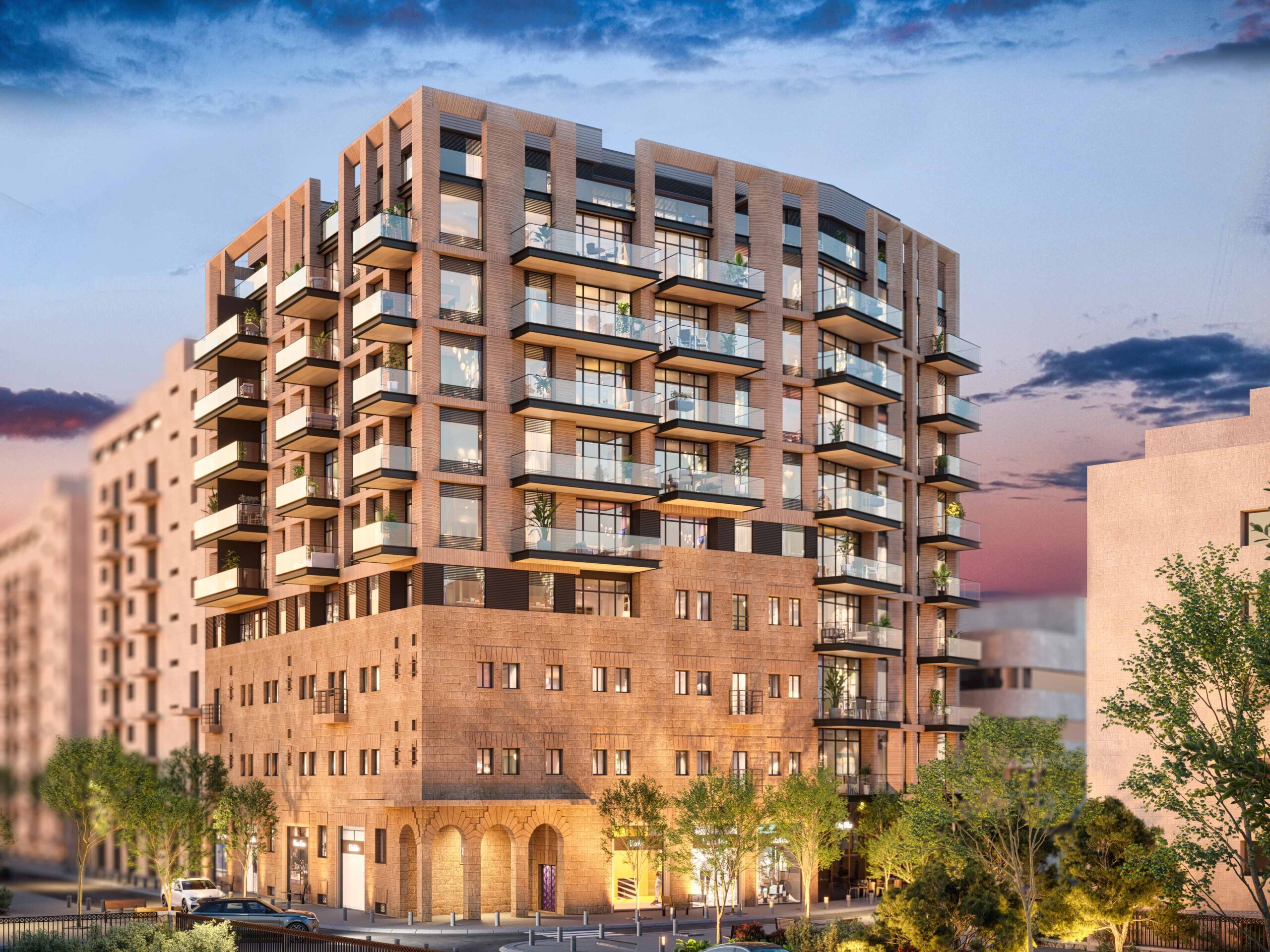
Jerusalem’s Eden Residence represents a fusion of historical preservation and modern luxury. Situated at the corner of Hillel and HaHistadrut Streets, the project incorporates the restored Eden Hotel, a landmark dating back to 1938. The development offers a range of residential options, complemented by amenities such as a fitness center, a study room, a swimming pool, and communal spaces.
The Yossi Avrahami Group’s prominence in the Israeli real estate sector is the result of four decades of sustained activity and innovation. Over the years, the company has developed approximately 6,000 residential units, in addition to numerous infrastructure and commercial projects.
Its reputation is built on a combination of strategic site selection, architectural excellence, and a commitment to quality. The company’s expansion into urban renewal projects further underscores its adaptability and long-term vision, with plans to develop thousands of additional units in the coming years.
As Israel’s real estate market navigates a period of uncertainty, the interplay between domestic caution and international enthusiasm will play a critical role in shaping its trajectory.
The current influx of foreign buyers may serve as a stabilizing force, sustaining activity during a time when local demand is subdued. At the same time, the underlying factors driving domestic demand—population growth, housing shortages, and economic recovery—suggest that a resurgence is likely once conditions improve.
For now, the market stands at a crossroads, influenced by forces both local and global. The decisions made by buyers, developers, and policymakers in the coming months will determine not only the direction of prices but also the broader character of Israel’s urban landscape.
In this evolving environment, one thing remains clear: the demand for housing, whether driven by necessity, opportunity, or identity, continues to assert itself with remarkable persistence.
