



|
Getting your Trinity Audio player ready...
|
By: Rufus McGee
The global financial system, ever sensitive to geopolitical tremors, found itself once again in a state of uneasy suspension as markets opened the week under a cloud of uncertainty. With escalating tensions surrounding the ongoing conflict involving Iran and mounting diplomatic pressure ahead of a high-stakes deadline set by President Donald Trump, investors navigated a landscape defined not by confidence, but by caution.
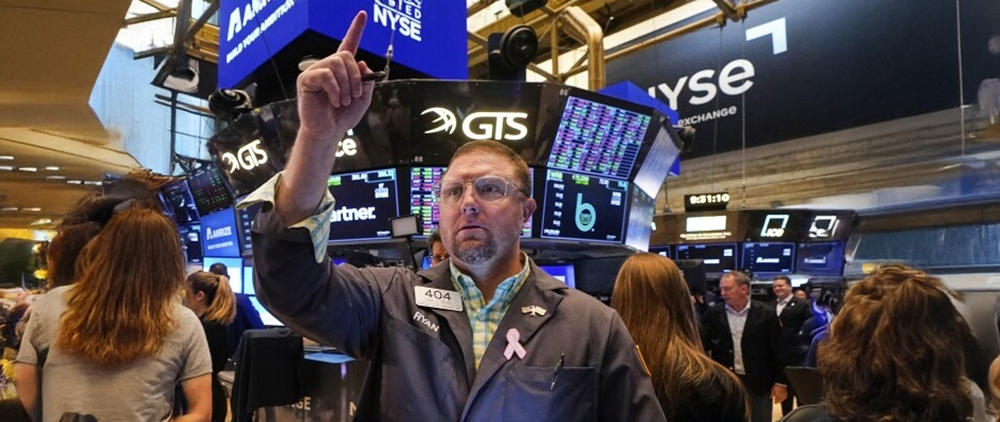
According to an Associated Press report on Monday morning, the United States stock market exhibited only tentative movements, reflecting a broader hesitancy among investors to commit decisively in either direction. Oil prices, meanwhile, oscillated unpredictably, mirroring the volatile geopolitical backdrop that continues to shape economic expectations worldwide.
Early trading offered a modestly positive, yet decidedly restrained, picture. The S&P 500 edged upward by 0.2 percent, building on what had been its first weekly gain in over a month and a half. The Dow Jones Industrial Average posted a slight increase of 23 points, while the Nasdaq Composite advanced by 0.5 percent.
These incremental gains, while technically positive, underscore a deeper reality: investors remain reluctant to place bold bets amid an environment fraught with geopolitical risk. As The Associated Press observed, the market’s subdued performance reflects a broader sense of apprehension, as participants await clarity on both diplomatic and military developments.
The current moment stands in stark contrast to periods of robust market momentum. Instead, trading patterns suggest a collective holding of breath—a pause before what could be a significant escalation or, alternatively, a breakthrough in negotiations.
Nowhere is this uncertainty more evident than in the energy sector. Oil prices, a critical barometer of both economic health and geopolitical stability, fluctuated throughout the trading session, alternating between gains and losses as conflicting signals emerged from the Middle East.
Benchmark United States crude rose modestly to approximately $111.97 per barrel, while Brent crude—the international standard—hovered near $109.20. These figures represent a dramatic increase from pre-conflict levels, when prices had remained closer to $70 per barrel.
The volatility stems from a confluence of factors. Active hostilities continue to disrupt production and infrastructure, including reported strikes on petrochemical facilities. At the same time, diplomatic efforts to secure a ceasefire have yet to yield a definitive outcome.
As The Associated Press report noted, the market is attempting to reconcile these competing dynamics: the possibility of de-escalation versus the risk of further disruption.
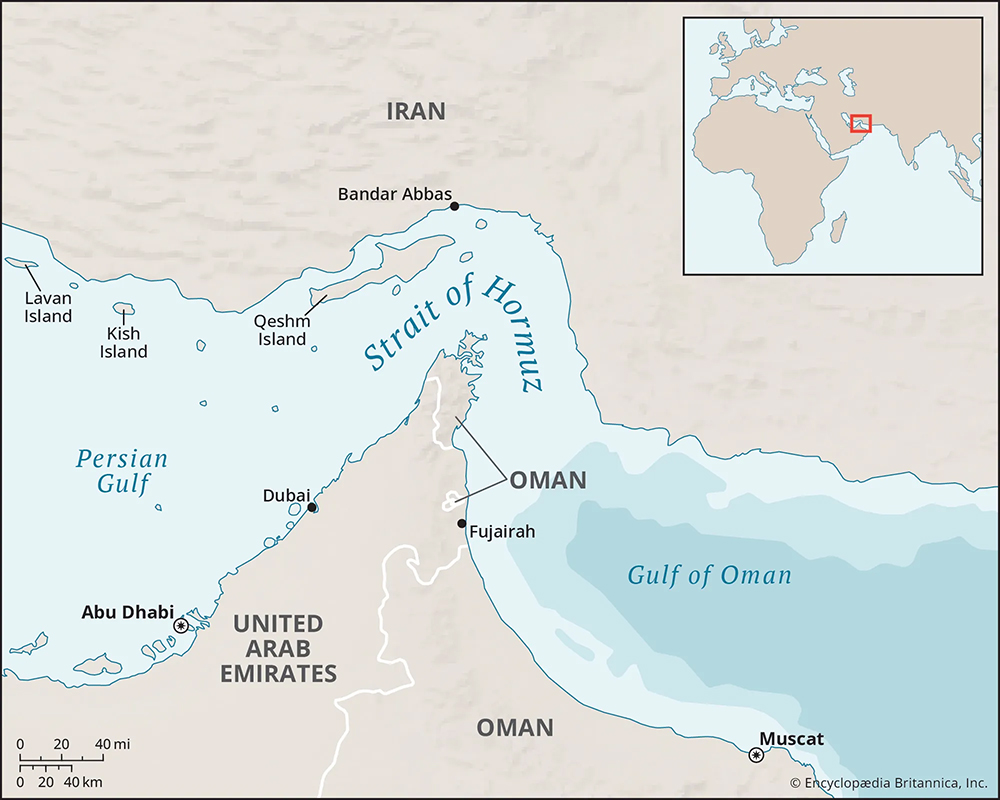
Central to the current crisis is the Strait of Hormuz, a narrow yet strategically indispensable waterway through which roughly one-fifth of the world’s oil supply typically passes. The threat of its closure—or even partial disruption—has far-reaching implications for global energy markets.
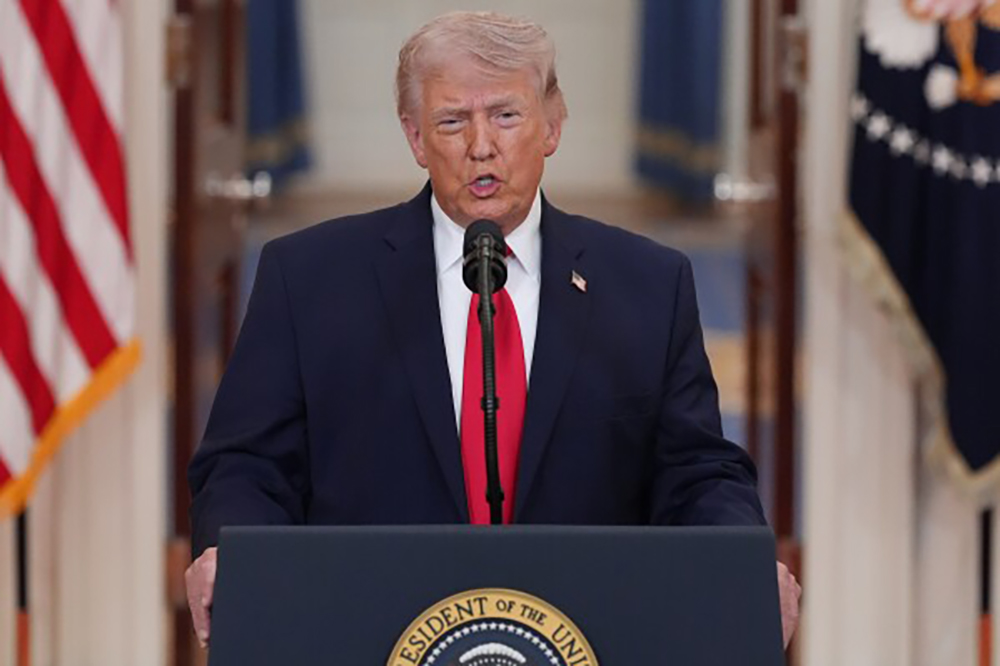
President Trump has issued a stark ultimatum, warning that failure to reopen the strait could result in direct attacks on Iranian infrastructure. His rhetoric, as reported by The Associated Press, has been notably forceful, raising the stakes for both diplomatic negotiations and market expectations.
The mere prospect of such action has injected a premium of risk into oil prices, as traders attempt to anticipate the potential impact on supply chains. Even in the absence of immediate escalation, the uncertainty itself exerts upward pressure on prices.
The consequences of rising oil prices extend far beyond the energy sector. For consumers, the most immediate impact is felt at the pump. The national average price for gasoline has climbed to approximately $4.12 per gallon, a significant increase from levels below $3 prior to the onset of hostilities.
This surge in fuel costs represents a tangible burden on households, reducing disposable income and dampening consumer spending—an essential driver of economic growth. Businesses, particularly those reliant on transportation and logistics, face similar pressures, which can translate into higher prices for goods and services.
As The Associated Press report highlighted, the effect is even more pronounced in countries that lack domestic energy production. These nations are disproportionately reliant on imports from the Middle East, rendering them especially vulnerable to disruptions in the Strait of Hormuz.
Despite the challenging environment, there are indications of resilience within the United States economy. A recent employment report revealed stronger-than-expected job creation, accompanied by an unexpected improvement in the unemployment rate.
These developments provide a measure of reassurance, suggesting that the economy retains underlying strength even as it absorbs external shocks. However, as The Associated Press report emphasized, such positive indicators must be viewed within the broader context of rising costs and geopolitical instability.
The interplay between domestic economic performance and international events creates a complex and often unpredictable landscape—one in which gains in one area may be offset by challenges in another.
The bond market, often regarded as a more measured reflection of investor sentiment, has also responded to the evolving situation. Treasury yields have remained relatively stable in the short term, with the 10-year yield hovering around 4.34 percent.
Yet this stability belies a longer-term trend of increasing yields since the onset of the conflict. Higher yields translate into elevated borrowing costs for mortgages, business loans, and other forms of credit, exerting a cooling effect on economic activity.
As borrowing becomes more expensive, both consumers and businesses may scale back spending and investment, potentially slowing the pace of growth. This dynamic adds another layer of complexity to an already intricate economic picture.
International markets have mirrored the cautious tone observed in the United States. In Asia, Japan’s Nikkei 225 posted a modest gain, while South Korea’s Kospi advanced more robustly.
However, many markets across Europe and Asia remained closed due to holidays, limiting the scope of global trading activity. This reduced liquidity may have contributed to the muted movements observed in U.S. markets, as fewer participants engaged in cross-border transactions.
Nevertheless, the underlying concerns are universal. From Tokyo to London, investors are grappling with the same fundamental question: how will the current geopolitical crisis evolve, and what will it mean for the global economy?
Perhaps the most defining characteristic of the current moment is not any single data point or market movement, but rather the pervasive sense of uncertainty that underlies them all. As Jay Woods of Freedom Capital Markets observed, and as reported by The Associated Press, uncertainty has become the dominant theme shaping investor behavior.
This psychological dimension is critical. Markets are not merely mechanisms for allocating capital; they are also reflections of collective expectations and fears. When uncertainty prevails, even positive news can struggle to gain traction, as participants remain wary of unforeseen developments.
In this environment, volatility becomes not just a possibility but a near inevitability, as markets react swiftly to new information—or the absence thereof.
Looking ahead, the trajectory of markets will likely hinge on the outcome of ongoing diplomatic efforts. A successful ceasefire agreement could alleviate some of the pressure currently weighing on investors, potentially stabilizing both stock and energy markets.
Conversely, a breakdown in negotiations—particularly if accompanied by military escalation—could trigger a more pronounced reaction, with significant implications for global economic stability.
As the AP reported, the situation remains fluid, with developments unfolding rapidly and often unpredictably.
The current state of the global economy can best be described as one of cautious equilibrium—a delicate balance maintained amid competing forces of resilience and risk. While certain indicators point to underlying strength, the shadow of geopolitical conflict looms large, shaping both sentiment and strategy.
In this context, the hesitant movements of the stock market and the volatility of oil prices are not anomalies but reflections of a deeper uncertainty. Investors, policymakers, and consumers alike are navigating uncharted territory, where the interplay of economics and geopolitics defies easy prediction.
As the deadline set by President Trump approaches, the world watches with anticipation—and apprehension. Whether the coming days bring resolution or escalation, one thing is certain: the consequences will extend far beyond the trading floor, influencing the course of the global economy in ways that are only beginning to unfold.
