
















By: Fern Sidman
A fragile diplomatic process aimed at ending months of hostilities between the United States and Iran appeared to face renewed uncertainty late Wednesday as reports emerged of additional American military strikes against Iranian targets, while Tehran issued new warnings regarding maritime traffic through the strategically vital Strait of Hormuz.
According to a report by Agence France-Presse (AFP), the latest developments unfolded against the backdrop of a conflict that has already generated significant regional instability, heightened global energy concerns, and raised fears among international leaders that a broader confrontation could emerge if diplomatic efforts fail.
AFP reported that the United States launched what U.S. Central Command described as “additional self-defense strikes” against multiple targets inside Iran. According to the military statement cited by AFP, the operations began at approximately 5:15 p.m. Eastern Time and were characterized by American officials as a response to what Washington described as “unwarranted and continued aggression” by Tehran.
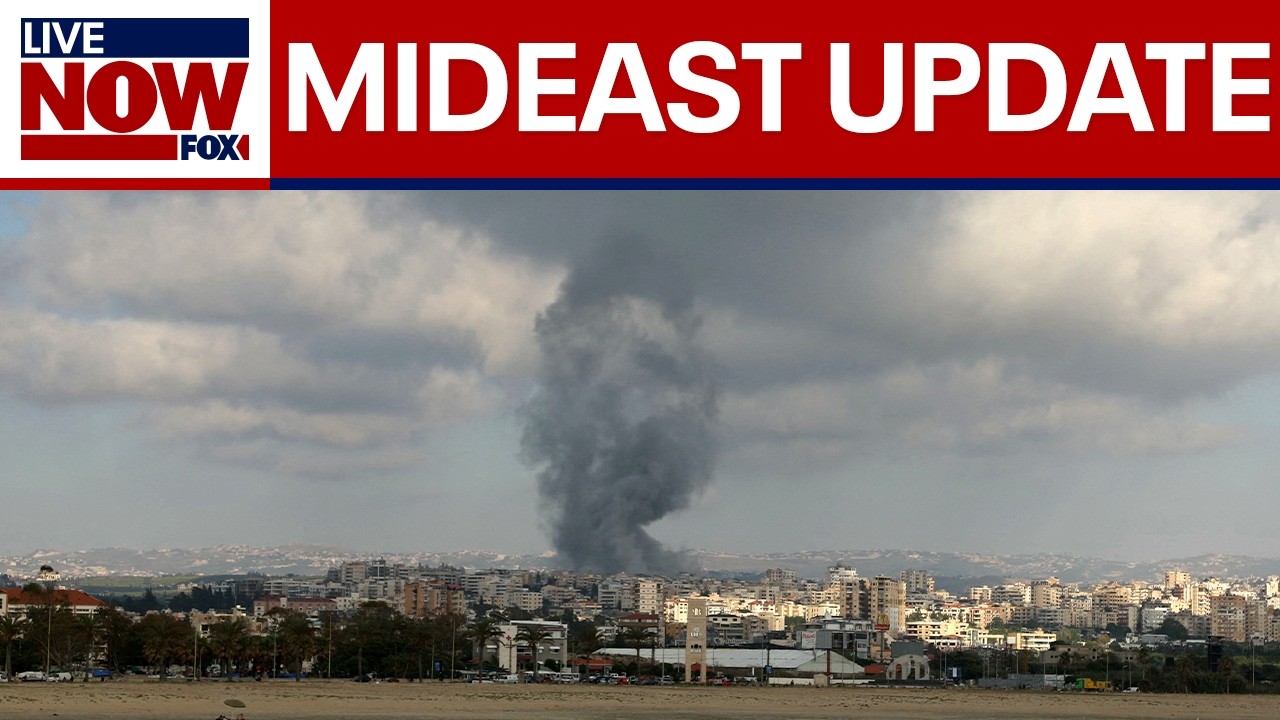
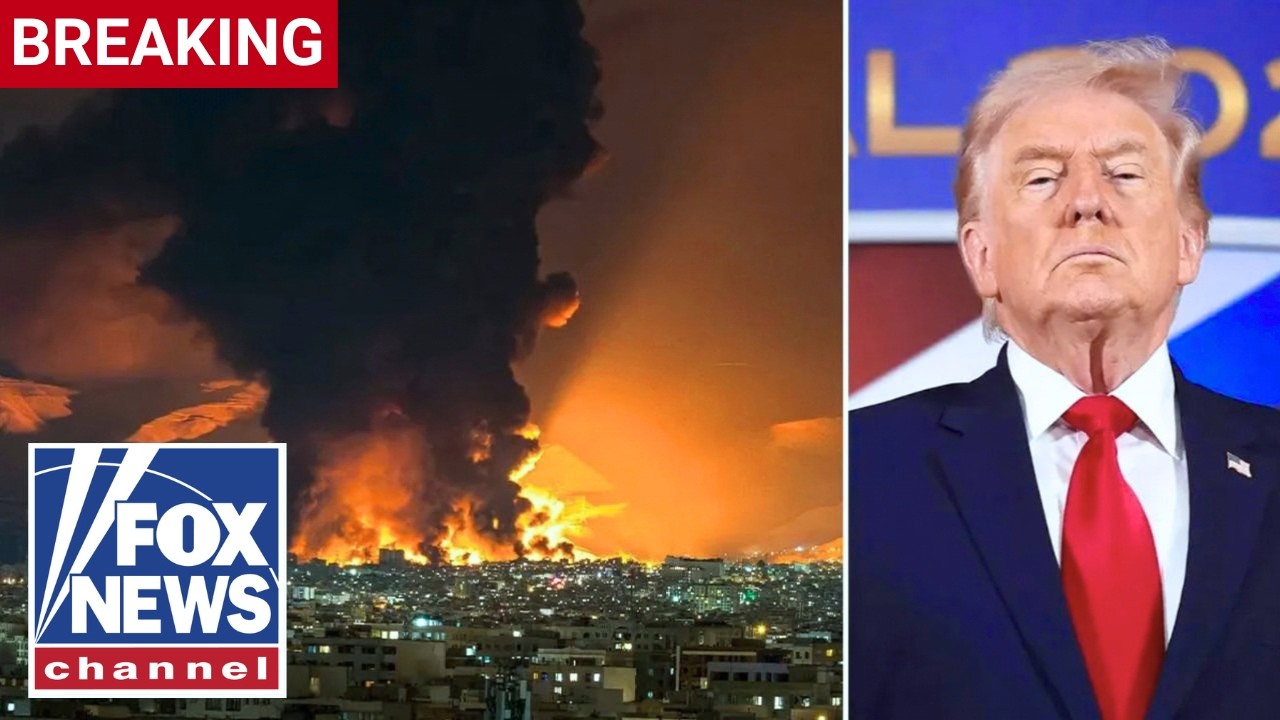
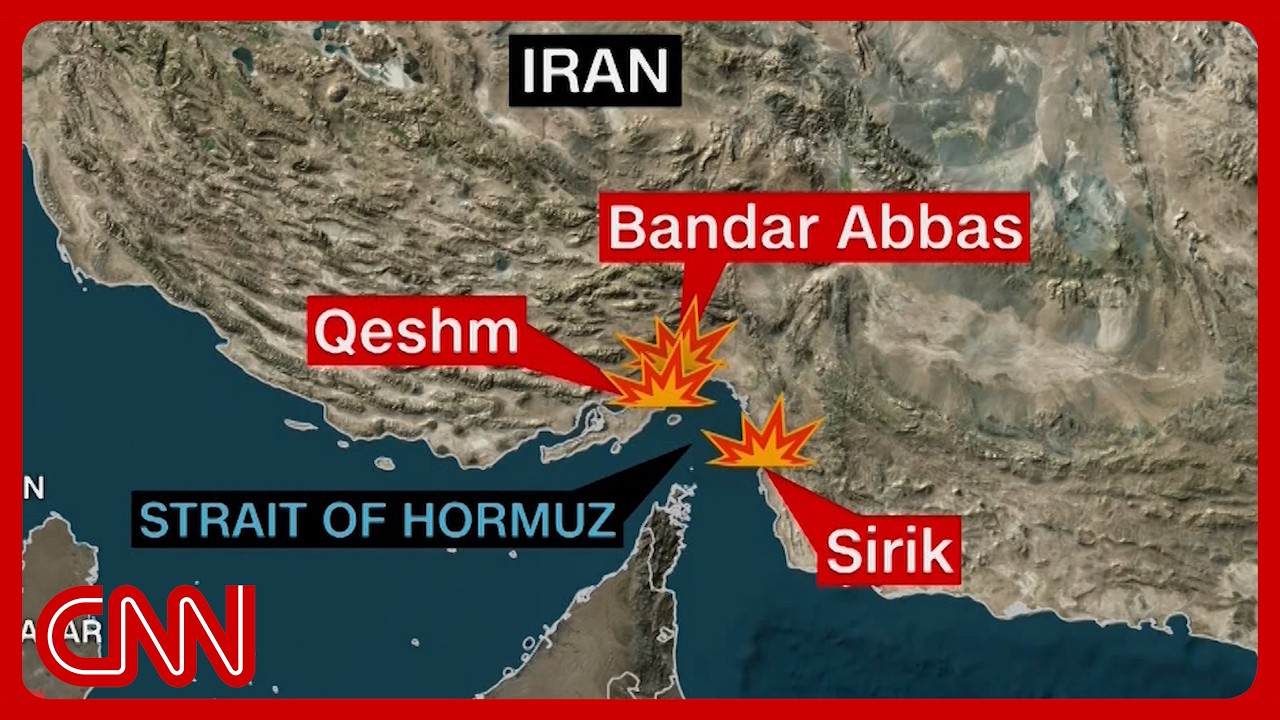
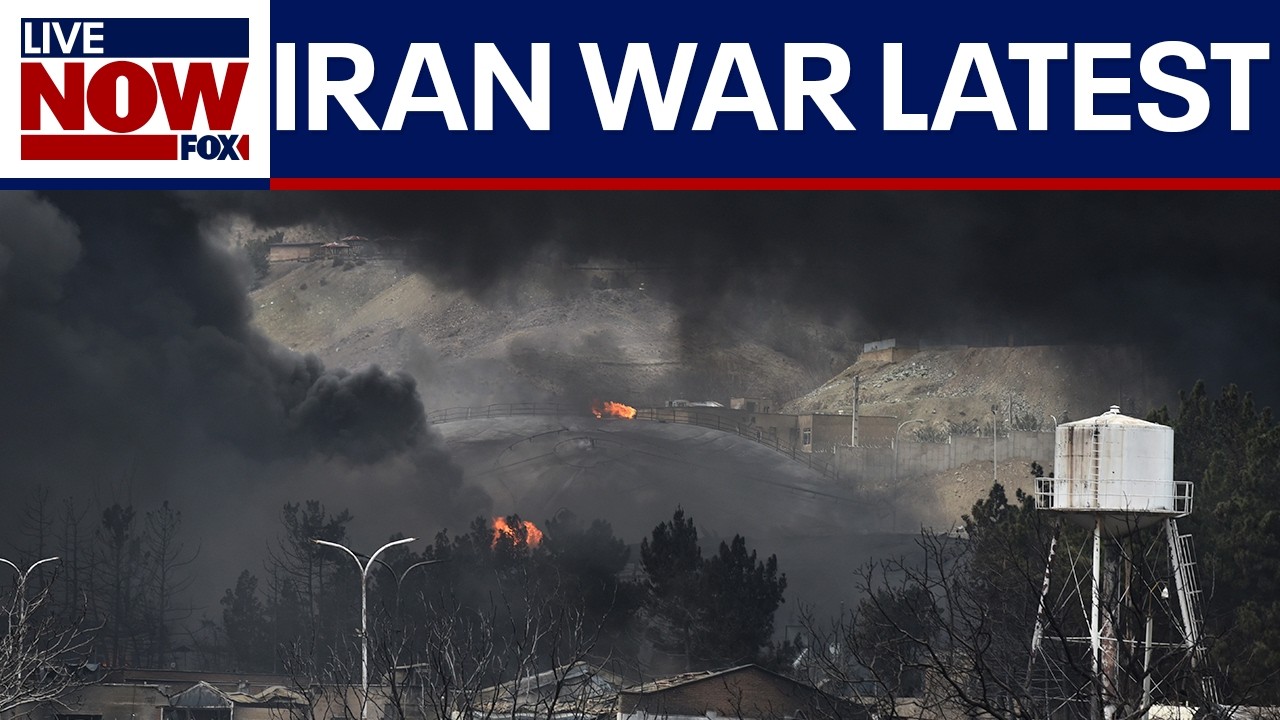
The precise extent of the strikes and the damage allegedly inflicted remained difficult to verify independently. However, AFP reported that Iranian media outlets described explosions occurring across portions of southern Iran, particularly in areas near the Strait of Hormuz, a critical maritime corridor through which a substantial percentage of the world’s energy supplies normally transit.
Iranian news organizations cited by AFP reported impacts in locations including Qeshm, Kargan, and Sirik. Iranian sources characterized the incidents as attacks involving what they described as “enemy projectiles,” although independent confirmation of those reports was not immediately available.
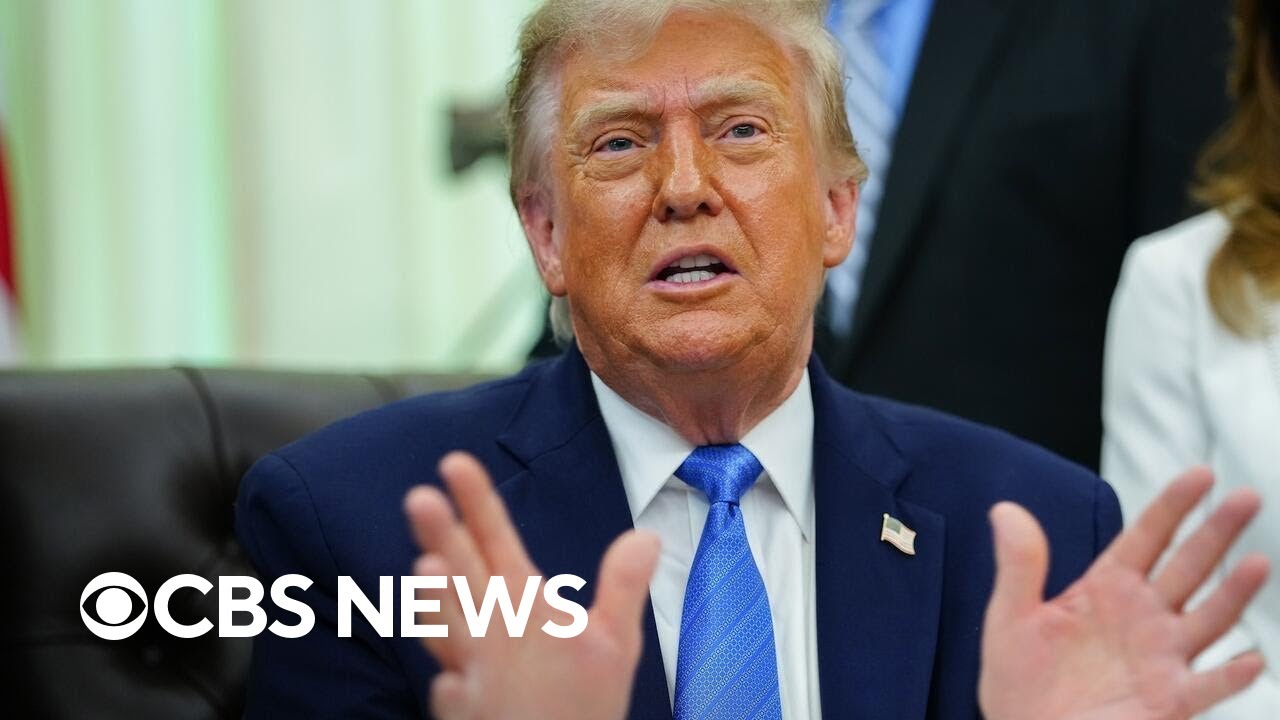
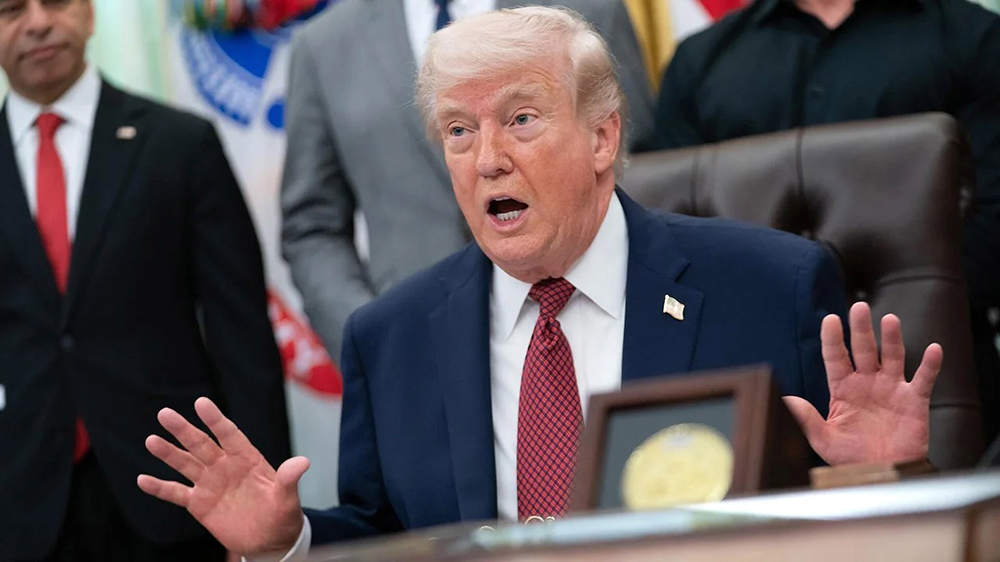
Fox News reporter Trey Yingst spoke with President Trump on Wednesday evening as he oversaw the U.S. military strikes against Iran from the Situation Room.
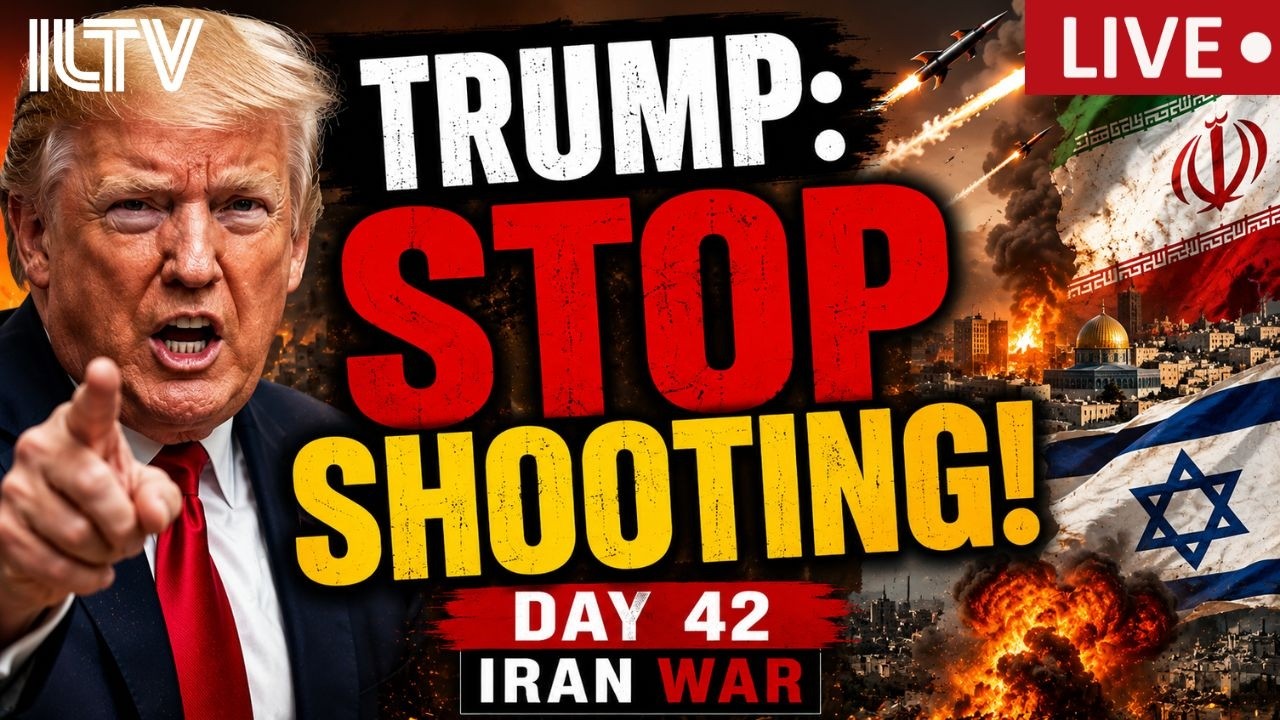
The President told Yingst that he spoke directly with Iranian officials tonight who asked him to stop bombing.
49 Tomahawk missiles had been fired by the United States at the time that Yingst spoke to the president, along with bombing from fighter jets. Closest target to Tehran was approximately 40 miles outside of the city. Trump added that the bombing will stop shortly, but that if they don’t sign the agreement, “we’ll bomb the shit out of them.” President Trump called this “the most violated ceasefire in the history of the world.”
Vice President JD Vance told Yingst the United States is dealing with both moderate and more extreme voices in Iran as part of the negotiation process. The renewed exchange of hostilities appeared to further complicate already delicate diplomatic efforts aimed at achieving a broader settlement between Washington and Tehran.
One of the most striking aspects of the latest developments has been the emergence of sharply conflicting narratives from American and Iranian officials regarding both military operations and diplomatic communications.
AFP reported that President Trump stated that Iranian officials had allegedly contacted him directly while American military operations were underway. According to reports cited by AFP, Trump claimed that Iranian representatives reached out to the White House Situation Room seeking an end to the bombardment.
However, AFP noted that Iranian officials swiftly disputed that assertion. According to the AFP report, Iran’s Revolutionary Guards rejected the claim through statements carried by Iranian state media outlets, insisting that no such request had been made. Iranian news agency reports characterized Trump’s account as inaccurate.
The competing versions illustrate the increasingly complex information environment surrounding the conflict, where claims and counterclaims are often issued simultaneously and can be difficult to verify independently.
The reported military activity followed a series of increasingly forceful public statements by the American president regarding ongoing negotiations.
According to the AFP report, Trump expressed frustration with what he described as delays by Iranian negotiators. “We hit them hard yesterday. We’re going to hit them again hard today,” Trump told reporters, according to AFP.
The president further suggested that diplomatic discussions had approached a breakthrough before stalling. “We were really close to a deal, but they keep tapping us along,” Trump reportedly said. The AFP report noted that Trump’s comments reflected growing impatience within Washington regarding the pace and direction of negotiations.
The remarks appeared particularly notable because only days earlier the president had publicly expressed optimism regarding the prospects for a diplomatic breakthrough. That apparent shift from optimism to frustration has contributed to uncertainty regarding the future trajectory of negotiations.
According to the AFP report, senior American defense officials indicated that military operations could continue if circumstances warrant. Defense Secretary Pete Hegseth suggested additional actions remained possible and characterized potential future operations as both “strong” and “clear.”
The comments appeared designed to reinforce American deterrence messaging while also signaling that Washington retains multiple military options.
At the same time, AFP reported that administration officials continued to maintain that military pressure and diplomatic engagement were not mutually exclusive. That dual-track strategy has become a defining feature of the current American approach.
The Strait of Hormuz remains one of the most strategically important waterways in the world, and AFP reported that tensions surrounding the passage have become a central component of the broader confrontation. According to Iranian statements cited by AFP, Tehran warned that vessels transiting the waterway could become targets following the latest American military actions.
AFP reported that Iran’s Khatam al-Anbiya command stated that maritime traffic through the strait would face potential danger. Iranian statements cited by AFP further claimed that the waterway had been effectively closed to vessel traffic.
However, American officials strongly disputed those assertions. AFP reported that U.S. Central Command rejected claims that the strait had been completely shut down, insisting that commercial vessels continued to move through the corridor. The conflicting accounts underscore the strategic importance of the passage. Roughly one-fifth of global oil supplies traditionally transit through the Strait of Hormuz, making any disruption potentially significant for international energy markets.
AFP reported that Iranian state media claimed Iranian naval forces had engaged vessels attempting to navigate the strait. According to Iranian reports cited by AFP, two ships were allegedly struck.
Additional Iranian reports cited by AFP also alleged attacks against facilities associated with the U.S. Fifth Fleet in Bahrain. Iranian media asserted that communications infrastructure and radar installations had been targeted. American and Bahraini authorities had not publicly confirmed those allegations at the time AFP reported them.
The conflict has increasingly drawn neighboring countries into a heightened state of readiness. AFP reported that Bahrain stated it had intercepted and destroyed multiple aerial threats. Jordan likewise reported intercepting missiles, according to AFP. Kuwaiti authorities also indicated that air-defense systems had been activated in response to perceived threats.
While regional governments emphasized that no major casualties or significant damage had been reported in connection with those incidents, the developments highlighted the risk that a broader regional conflict could emerge if tensions continue to escalate. The AFP report noted that Tehran simultaneously warned neighboring states against permitting their territory to be used for operations against Iran.
That warning reflected longstanding Iranian concerns regarding the presence of American military forces throughout the Gulf region.
The renewed fighting generated immediate concern among international leaders. AFP reported that United Nations Secretary-General Antonio Guterres warned against a return to what he described as “full war.” His comments reflected broader fears that the conflict could expand beyond its current scope and further destabilize the Middle East.
AFP also reported that a coalition of 22 nations issued a joint statement condemning attacks, threats, and intimidation occurring across international borders. “Attempts to kill, kidnap, harass, intimidate, or otherwise attack people on our soil undermine national sovereignty and international norms,” the statement said. “These actions must stop immediately.”
The declaration represented a coordinated effort by multiple governments to reinforce international legal norms amid growing regional instability.
Despite the military activity, AFP reported that diplomatic channels have not been completely severed. Qatari mediators continued efforts to bridge differences between Washington and Tehran. A diplomat cited by AFP indicated that discussions remained underway in an effort to narrow remaining gaps. Iranian officials also continued to emphasize the importance of diplomacy. AFP reported that Iran’s ambassador to the United Nations, Amir Saeid Iravani, rejected threats as a basis for negotiations.
According to AFP, Iravani argued that sustainable agreements cannot be achieved through coercion or military pressure. Speaking at a UN Security Council deliberation focused on “Advancing Political Solutions in the Middle East Through Mediation and Dialogue,” Iravani said as quoted by CNN, “No lasting agreement can be achieved through threats, intimidation or the use of force,” Iravani said, as quoted by CNN. The diplomat’s remarks directly addressed the American president’s public posturing.
Beyond the military and diplomatic dimensions, AFP reported that the conflict continues to exert pressure on global markets. Oil prices rose amid concerns regarding potential disruptions to energy shipments. Investors also responded to broader economic uncertainties generated by the confrontation.
AFP reported that global equity markets experienced declines as traders assessed both geopolitical risks and inflation concerns. The economic consequences have become a significant factor in international efforts to encourage de-escalation. With energy markets closely tied to developments in the Gulf, policymakers around the world continue to monitor the situation carefully.
As military operations, diplomatic negotiations, and economic pressures continue to intersect, the future direction of the conflict remains uncertain. The AFP report suggested that both Washington and Tehran remain committed to advancing their respective strategic objectives while simultaneously leaving open the possibility of a negotiated settlement.
Whether current tensions ultimately lead to a diplomatic breakthrough or a deeper confrontation remains unclear.
For now, the situation continues to evolve rapidly, shaped by competing narratives, military calculations, and high-stakes diplomacy. While both sides publicly maintain firm positions, the parallel continuation of negotiations suggests that neither Washington nor Tehran has completely abandoned hopes for a political resolution.
The coming days may prove decisive in determining whether the region moves closer to peace or toward a new and potentially more dangerous phase of conflict.



