















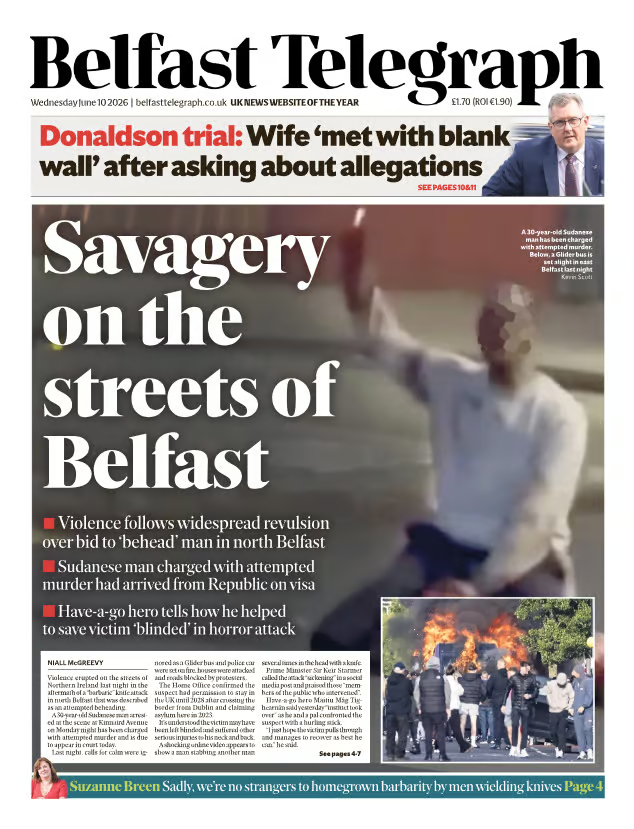
(TJV NEWS) A brutal knife attack in Belfast has triggered widespread protests and renewed scrutiny of immigration policies across Northern Ireland and the Republic of Ireland.
The incident occurred after a Sudanese man was arrested and charged in connection with what authorities described as an attempted murder. According to multiple reports, the victim suffered catastrophic injuries during the attack, including the loss of an eye and severe wounds to his neck and body. The suspect, identified by several media outlets as 30-year-old Hadi Alodid, appeared in court facing charges that include attempted murder and making threats to kill. Reports indicate that bail was denied because of concerns about flight risk and public safety.
Belfast Attack Sparks Public Outrage
Video footage of the attack quickly spread online, generating shock and anger across Northern Ireland.
According to reports, hundreds of demonstrators gathered in Belfast following news of the incident. While many residents said they were protesting what they see as failures in immigration and asylum policies, some demonstrations descended into disorder, with vehicles and property set on fire and clashes reported between protesters and police.
The attack has become a flashpoint in a broader debate that has been building across the United Kingdom and Ireland over migration, border security, housing pressures, and public safety.
Immigration Debate Intensifies
The Belfast attack comes amid growing public concern about immigration levels throughout Ireland and the UK.
Over the past two years, Ireland has witnessed multiple demonstrations related to migration and asylum accommodation centers. Large anti-immigration marches have taken place in Dublin and other cities, drawing thousands of participants who argue that the government has failed to adequately address housing shortages, strained public services, and border controls.
Political leaders have largely condemned violence while urging calm. However, the latest Belfast attack has intensified calls from critics who argue that governments must strengthen vetting procedures and tighten immigration enforcement.
Protests Spread Beyond Belfast
Reports indicate that demonstrations and related unrest have spread beyond Belfast, with protests also being reported elsewhere in Northern Ireland and in parts of Scotland and England. Authorities have increased police deployments amid concerns that tensions could continue to escalate.
The victim’s family has publicly called for justice through the legal system while also appealing for calm as emotions remain high throughout the region.
Residents had to be evacuated from their homes in east Belfast following fires.
Northern Ireland Fire and Rescue Service officers attended the scene at Lendrick Street on Tuesday night.
Live updates: https://t.co/e5sXQxSNZE
📸: PA pic.twitter.com/oI2ZWwEJrz
— The Irish News (@irish_news) June 9, 2026
A Growing Political Issue
Immigration has become one of the most contentious political issues in both Ireland and the United Kingdom.
The Belfast stabbing has reignited questions about asylum procedures, border management, and public safety. Supporters of stricter immigration controls argue that governments have ignored public concerns for too long, while opponents warn against blaming entire communities for the actions of individual suspects.
What remains undisputed is that the shocking Belfast attack has become a major political story, fueling protests and placing renewed pressure on leaders to address growing public anxiety over immigration and security.
As investigations continue, the case is likely to remain at the center of political debate across the British Isles in the weeks ahead.