



|
Getting your Trinity Audio player ready...
|
By: Chaya Sora Jungreis-Gertzulin
“V’achalta v’savata, u’veirachta es Ha Shem…, And you will eat and be satisfied, and you shall bless Ha Shem….” (Devarim 8:10)
To bentch. The mitzva of reciting Birchas Ha Mazon, thanking Ha Shem upon completing a meal that included bread, is found in this week’s parsha, Eikev. Just as saying thank you has the power of drawing people closer, so too, does reciting brachos and bentching connect man to Ha Shem. Be it a delicious homemade meal, a gourmet restaurant dinner, or even a simple peanut-butter sandwich, all require Birchas Ha Mazon.
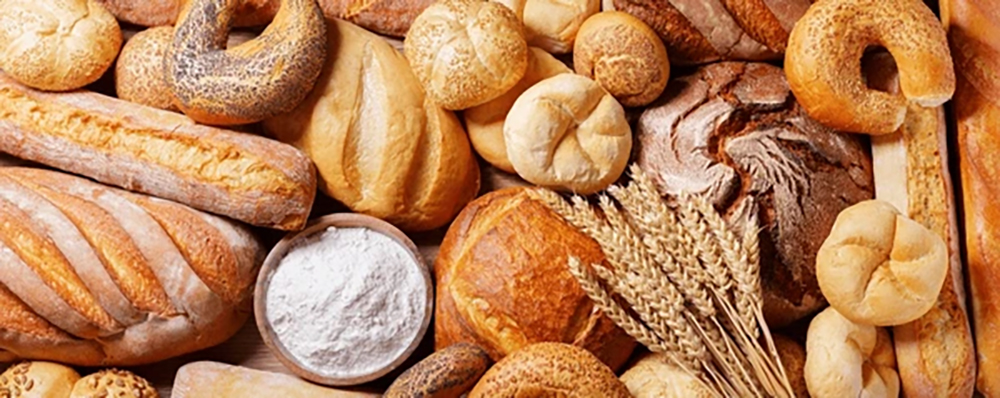
Rabbi Samson Raphael Hirsch, in his commentary on the siddur, teaches that the words of bentching help us realize that every piece of bread, from artisan sourdough to simple white, is a gift from Ha Shem. Just as Ha Shem provided mon from heaven to the Dor Ha Midbar, the Generation of the Desert, everything on our table comes from Ha Shem.
I know of a great successful guy who was set up with an equally accomplished young woman. The morning after they met, the young woman called the shadchan, telling her it was a definite no. Curious to find out why, the shadchan began probing for an explanation.
“Did he come on time? Did he treat you well? Did the conversation flow? Were his mannerisms proper?”
The young woman answered that not only did he arrive on time, but he even came with flowers. He took her to an amazing restaurant. They had an enjoyable dinner. He was charming and intelligent, and a great conversationalist.
The shadchan was baffled. It all sounded so good. “So, why the ‘no’?”
When pressed further, the woman shared how at the end of the meal, he pulled out a bentching card and began to recite Birchas Ha Mazon. “A great guy, but that’s not for me. I was ill-at-ease sitting in a public venue with a dinner-mate mumbling from a card. A great guy, but not for me.”
The shadchan tried explaining that someone who appreciates that Ha Shem provides, is someone to whom thanking is part of his very being. Someone who will be able to show gratitude and appreciation to a wife as well. Unfortunately, this line of reasoning fell upon deaf ears…. At least at that moment.
Rabbi Chanoch Teller shares an anecdote. He and his wife are known for having an open home, always welcoming guests, particularly not-yet frum
young people. Often, he would meet people at the Kosel or on the streets of Yerushalayim and invite them in for a Shabbos meal.
Rabbi Teller writes of a time when a college-age woman came for a meal at which several other guests were present. In the midst of the meal, she got up, excusing herself, saying that she just couldn’t connect to people who talk to their food. Having seen and heard it all, Rabbi Teller and his family took this in stride.
About a year later, there was a knock on the Teller door. When Rabbi Teller opened it, there was a modestly dressed woman asking “Does the Rabbi remember me?” She continued and explained that she was the girl who had a hard time connecting to people who talked to their food. But, she had to admit that something about that scene touched a chord in her neshama. It started her spiritual journey, studying and learning about Torah and mitzvos. She came to thank the Tellers for setting her on the track of Yiddishkeit.
Thanking Ha Shem. Thanking those around us. A life lesson we try to impart even to the youngest.
Recently, my daughter took her children out for dinner at a local pizza shop. After the meal, her nine-year-old son picked up a bentching card. Slowly, and with deep concentration, he began saying Birchas Ha Mazon. An elderly man, who was eating his pizza at an adjacent table, observed my grandson. Though it wasn’t his child, the expression on the man’s face showed that he was clearly having real nachas.
The man approached my daughter, asking if the young boy was her son. When she answered in the affirmative, he put a dollar bill on the table for “the well-deserving boy”.
I couldn’t help but chuckle when my daughter called to share the story. But, then I thought, just look how much nachas this man had from seeing one little boy bentch. Multiply that by the millions, and we can’t even imagine the nachas Ha Shem has from his children on earth.
Whether in a fancy restaurant, around a Shabbos table, or in a pizza shop, gratitude transforms an ordinary moment into a spiritual connection.
“V’savata, And you will be satisfied.” But what about the person who isn’t satisfied? What about the family that struggles to put a filling-meal on their table? Besides, according to Rabbinic law, we are obligated to say Birchas Ha Mazon even upon consuming as little as a k’zayis.
Our sages understood that the essence of Birchas Ha Mazon is to recognize Ha Shem’s providing sustenance, regardless of the extent of one’s feeling of fullness. My mother a”h would expound, that we ask Ha Shem to look at the beauty of Am Yisroel, the inner strength of the Jewish people, who are able to say thanks even on small amounts of food, even when not satiated. In that merit, Ha Shem should look kindly towards us, and bless our nation, even though He may not be entirely satisfied with our actions.
This Shabbos, we read the fourth chapter of Pirkei Avos, where Ben Zoma teaches “Who is wealthy, one who is happy with his portion.”
Satisfaction is a blessing in itself. When one is satisfied with his lot in life, he is free from the struggle of “keeping up with the Schwartzes”. The need to always have the latest must-haves on Instagram. To be unburdened from outside pressures. A person who is “sameach b’chelko, happy with his portion” has the blessing of V’savata, to be satisfied.
“V’savata, u’veirachta, You will be satisfied and you will bless.” “The Torah links satisfaction with gratitude – not because one always follows the other, but because expressing gratitude can create satisfaction, even when our plates or lives feel less than full. This week’s parsha teaches us what showing gratitude is all about. One can be “fulfilled” without being “filled”. This important lesson applies not only to the amount of food we eat, but to every facet of our lives.
Shabbat Shalom!
Chaya Sora
Chaya Sora can be reached at [email protected]
This article was written L’zecher Nishmas /In Memory Of Ha Rav Meshulem ben Ha Rav Osher Anshil Ha Levi, zt”l and Rebbetzin Esther bas Ha Rav Avraham Ha Levi, zt”l
