



|
Getting your Trinity Audio player ready...
|
By: Ariella Haviv
For generations of observant Jewish travelers, the act of seeing the world was shadowed by a second, more exhausting journey: the pursuit of kosher food and Jewish community in places that were never built with either in mind. Family vacations were preceded by weeks of reconnaissance, suitcases stuffed with vacuum-sealed schnitzel and instant soups, electric hot plates wrapped in sweaters to avoid airport scrutiny, and endless contingency plans in case a promised kosher meal failed to materialize.
Then Panama rewrote the narrative.
Today, Panama is not simply a destination that “accommodates” kosher travelers; it is a country whose capital city has organically evolved into a fully integrated Jewish ecosystem. From the moment an observant traveler steps off the plane at Tocumen International Airport, it becomes apparent that this is a place where Jewish life is not improvised but anticipated.
A Community That Built Itself Into the City
The secret of Panama’s success is not tourism marketing but demography. Panama City is home to a Jewish population estimated at over 20,000—remarkable in a nation of four million—and that population has spent decades constructing the infrastructure required to live fully Jewish lives in the tropics. What emerged is a city that does not force religious visitors to operate on the margins but invites them into its very center.
Two neighborhoods form the beating heart of this phenomenon: Paitilla and Punta Pacifica. These sleek coastal districts, dotted with luxury towers overlooking the Pacific Ocean, have become synonymous with kosher convenience. Within walking distance, travelers will find bakeries perfuming the air with fresh challah, kosher grocery stores with fully stocked meat and dairy sections, glatt restaurants of every imaginable cuisine, synagogues, mikvaot, and multiple Chabad houses.
In these neighborhoods, it is possible to complete an entire Shabbat itinerary—Friday afternoon shopping, Mincha, a restaurant dinner, Shabbat morning services, Kiddush, and Havdalah—without ever entering a taxi.
Forty Kosher Restaurants—and Counting
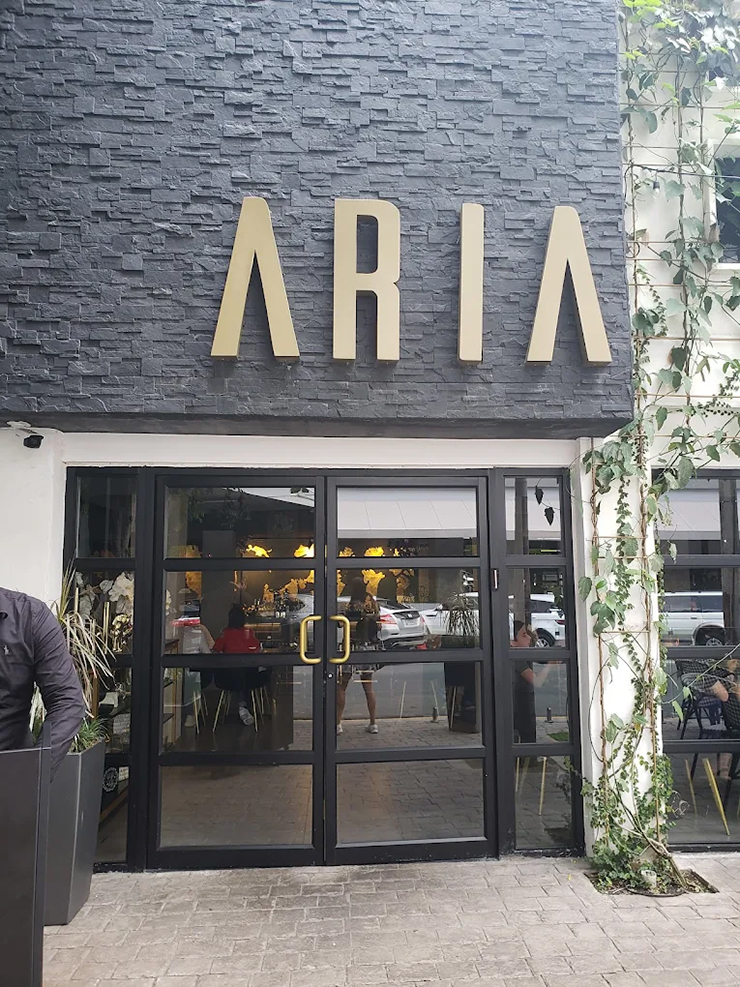
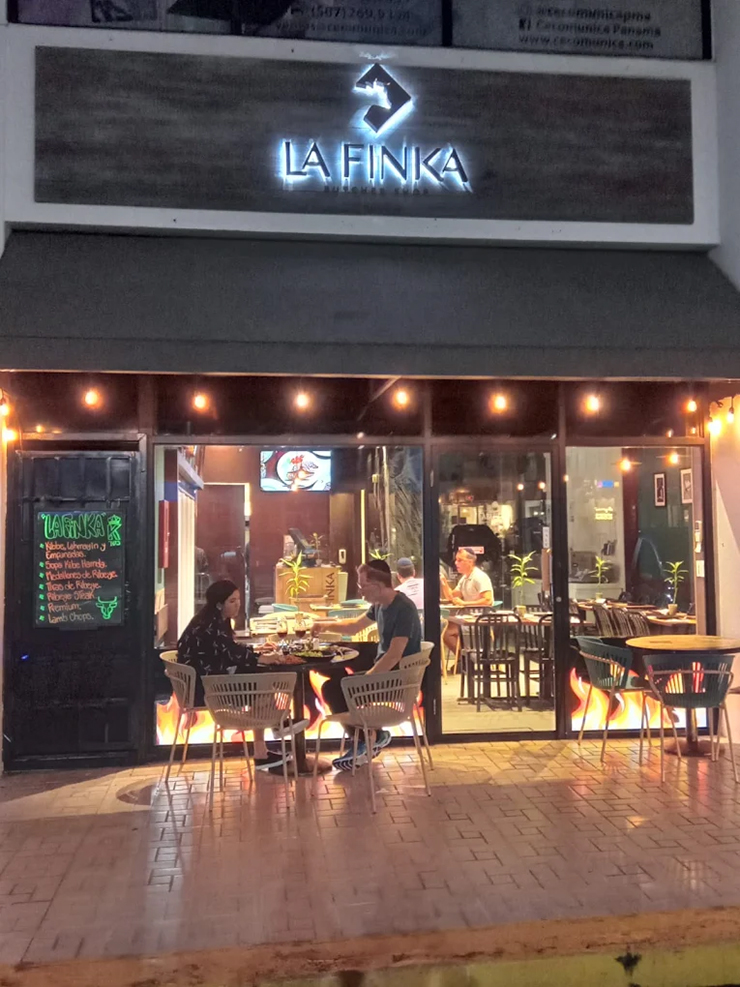
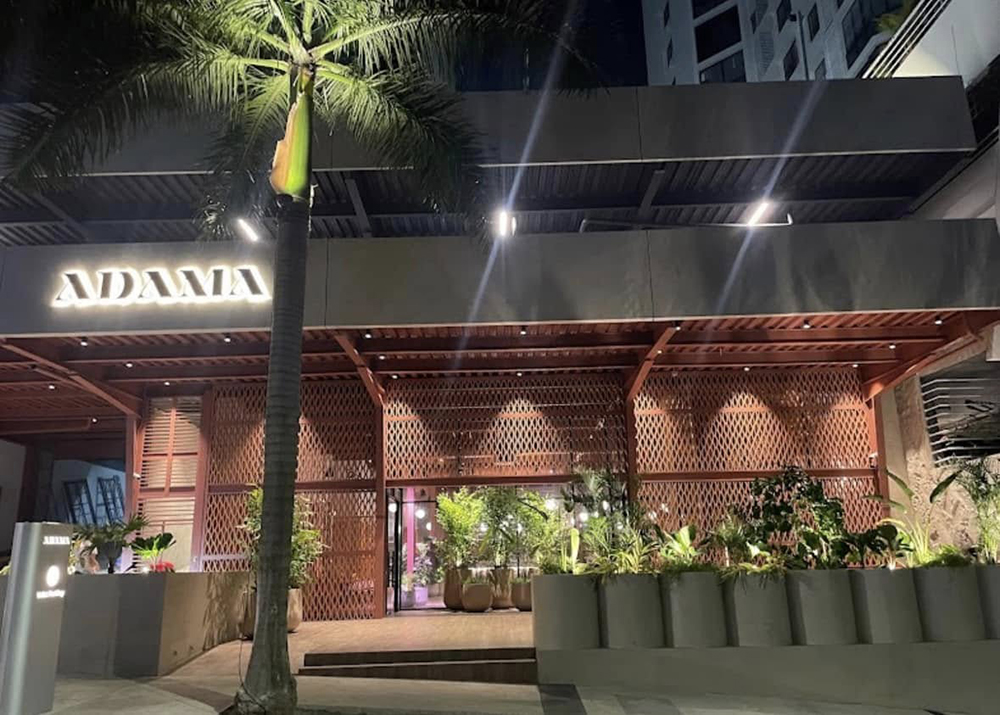
Panama City’s kosher dining scene is not merely abundant; it is audacious. Nearly 40 certified kosher establishments now operate across the city, a number that rivals communities many times larger.
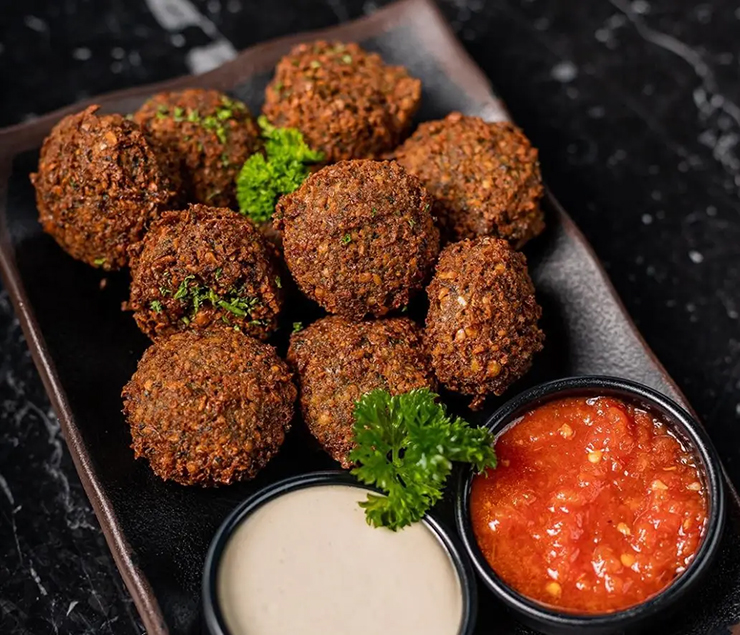
Travelers can choose between gourmet steakhouses, sushi lounges, Middle Eastern grills, dairy cafés, vegan juice bars, and family-friendly burger joints. Even international chains have joined the revolution, with kosher-certified locations of brands such as Starbucks and Krispy Kreme—a surreal experience for visitors accustomed to scanning menus in vain.
Everywhere, Kashrut certificates are prominently displayed, and many restaurants will accommodate chalav Yisrael requests with advance notice. For the observant foodie, Panama offers something close to a religious utopia: the luxury of spontaneity.
Kosher Before You Even Leave the Airport
The experience begins the moment one lands at Tocumen International Airport (PTY). Terminal 2 houses a dedicated kosher kiosk offering fresh sushi, poke bowls, sandwiches, and drinks—an amenity almost unheard of in Latin America. It is a small but telling detail, emblematic of how deeply embedded Jewish life has become in Panama’s infrastructure.
The Architecture of Jewish Hospitality
Panama’s synagogues are not tourist curiosities but living institutions. Among the Sephardic community, Shevet Ahim in Bella Vista stands as an architectural and spiritual landmark, often cited as one of the most beautiful synagogues in the region. Ahavat Sion in Paitilla and Bet Max Ve Sarah in Punta Pacifica maintain bustling daily minyanim and Shabbat services.
The Ashkenazi community centers around Beth El in Paitilla, which offers weekly Shabbat dinners and Kiddushim, welcoming registered guests into its fold.
Security is taken seriously. Visitors must complete a registration process, provide passport identification, and in some cases participate in a brief interview before being granted access. While the procedure may initially surprise travelers, it reflects the community’s commitment to safety and cohesion.
Completing the Jewish map are three Chabad houses: in Paitilla, Boquete (in the cool highlands), and Bocas del Toro (on the Caribbean coast). Together they ensure that no matter where in Panama a traveler ventures, Jewish life is never far away.
Travel Agencies That Think Like Rabbis
Perhaps Panama’s most remarkable innovation lies in its specialized kosher travel agencies. Firms such as Panama Kosher Vacations and Kosher X Tours function as logistical miracle-workers, arranging every conceivable detail of an observant itinerary.
These agencies coordinate flights, hotel bookings, airport transfers, daily kosher meals—whether in restaurants or packed for remote excursions—guided tours, and even Shabbat equipment. Hot plates, urns, warming trays, challah, grape juice, siddurim: nothing is left to improvisation.
The result is a new category of travel experience. For the first time, religious observance does not constrain adventure; it enhances it.
Beyond the City: Kosher in the Rainforest
Panama’s appeal extends far beyond its capital. Through the same network of agencies and Chabad houses, kosher travelers can explore destinations that once belonged exclusively to secular tourism.
In the Gamboa Rainforest, visitors trek through dense jungle alive with sloths, toucans, and orchids—returning to a Glatt kosher meal under the canopy. On Monkey Island, families watch capuchins leap between branches, their laughter echoing through the forest.
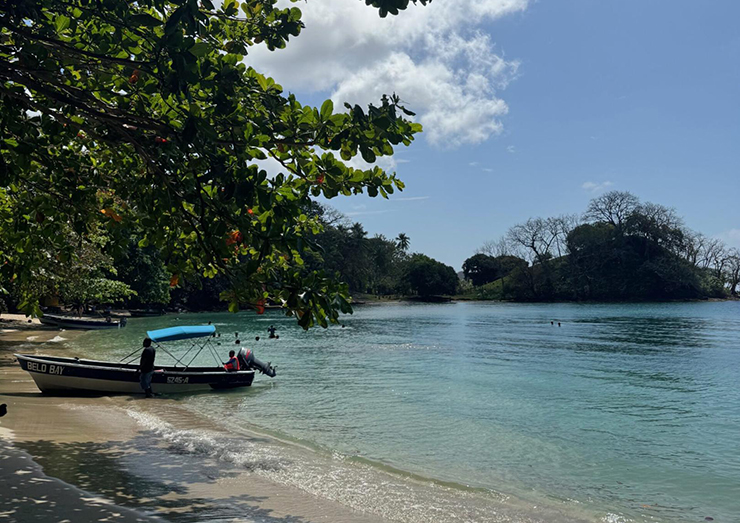
In Bocas del Toro, turquoise waters and white-sand beaches offer Caribbean splendor, while Chabad ensures Shabbat meals are waiting at sunset. In the cool mountain town of Boquete, travelers attend minyan beneath mist-shrouded peaks.
Panama is not a place where Jewish travelers must choose between faith and wonder. It is a place where the two coexist effortlessly.
Getting Started: A Traveler’s Primer
For first-time visitors, the formula is straightforward.
Begin by contacting a kosher travel specialist to design a tailored itinerary—especially if planning excursions outside Panama City. Choose accommodations in Paitilla or Punta Pacifica to remain within walking distance of synagogues and restaurants. Complete synagogue visitor registration in advance, and reserve Shabbat meals through Chabad or local shuls.
The rest, astonishingly, takes care of itself.
The New Gold Standard
What Panama has achieved is nothing short of revolutionary. It has dismantled the long-standing assumption that observant Jews must compromise when they travel. Instead, it offers a model for what Jewish life abroad can look like when a community invests in itself with vision and discipline.
Here, faith does not require sacrifice. It is woven into the very texture of the city.
From Casco Viejo’s cobblestone streets to Kiddush tables overlooking the Pacific, Panama has quietly transformed kosher travel from an act of endurance into an experience of abundance. And in doing so, it has not merely opened its doors to Jewish travelers—it has redefined what Jewish travel can be.
