



|
Getting your Trinity Audio player ready...
|
By: Fern Sidman
When Meir first stepped onto Israeli soil as a new immigrant, he carried little more than a suitcase, an abiding reverence for Jewish tradition, and a quiet conviction that beauty is not a luxury in Jewish life but a form of devotion. Like countless olim before him, he arrived with a mixture of awe and uncertainty. Yet unlike most, he also arrived with a vision: to create furniture that would not merely furnish synagogues, but elevate them—turning wood, fabric, and brass into vessels for dignity, prayer, and continuity.
From that impulse, Israber was born.
What began as a modest workshop—more sawdust than spectacle—has matured into an international enterprise that today serves Jewish communities across continents. Yet Israber’s story is not the familiar arc of startup mythology, obsessed with scale and margins. It is, rather, a narrative of craftsmanship rooted in faith, of entrepreneurship disciplined by halachic commitment, and of a belief that sanctity can be designed into every joint, stitch, and finish.
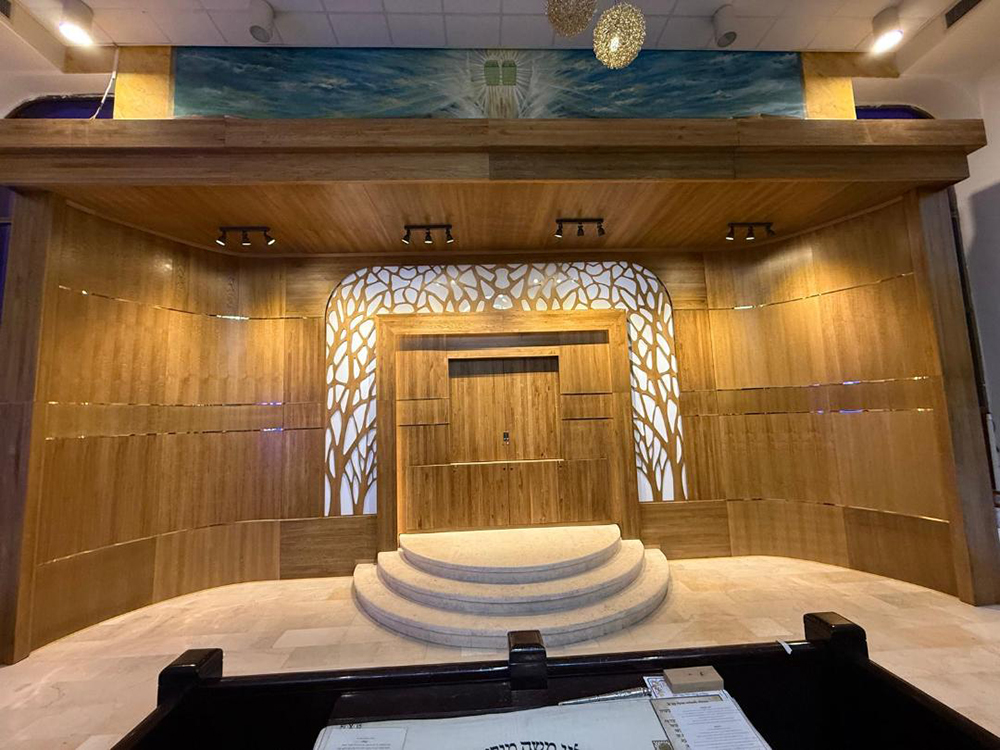
Meir’s early months in Israel were marked by the paradox that greets so many immigrants: the exhilaration of belonging and the frustration of adjustment. The Israel he encountered was dynamic and impatient, inventive but often hurried. He noticed, in particular, the way synagogue furnishings were produced—frequently expensive, often rushed, and rarely imbued with the reverence such sacred spaces deserved.
“When I saw that things were done quickly and expensively,” Meir recalls, “I realized we had an opportunity to offer something better—to make Jewish life more beautiful. Every detail matters, because true beauty lies in the small details.”
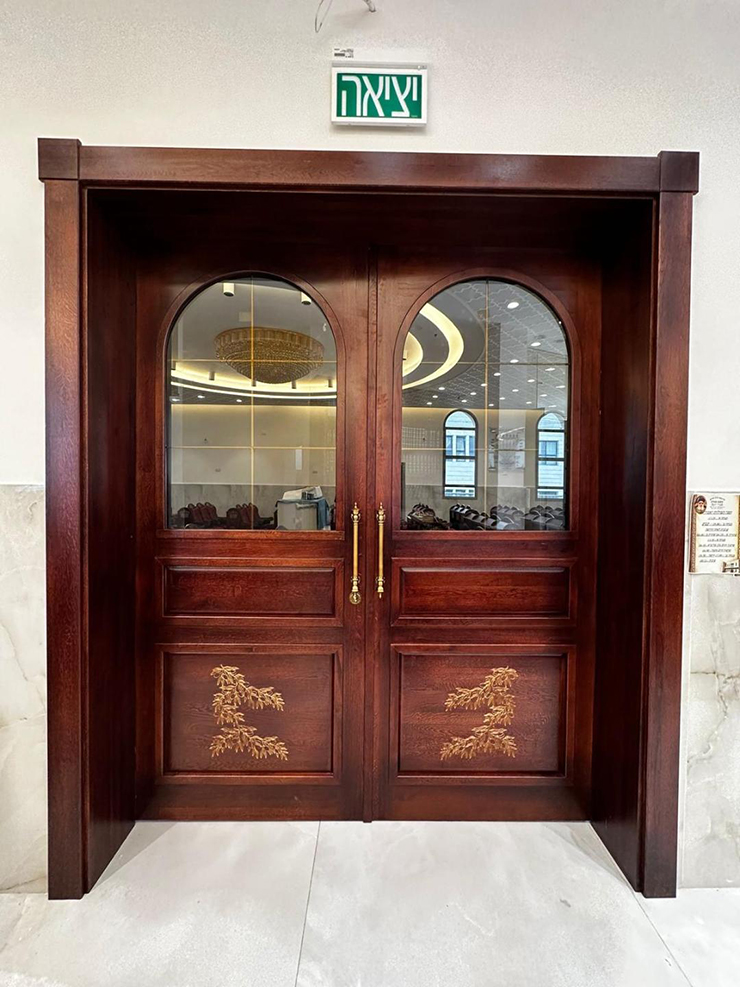
This was not a critique born of cynicism but of care. Meir was not searching for a market gap in the abstract sense; he was responding to a spiritual dissonance. A synagogue, in his view, is not merely a communal hall but a microcosm of Jewish continuity, a place where generations touch—where the prayers of the elderly merge with the whispers of children. Such spaces, he believed, deserved furnishings that honored that gravity.
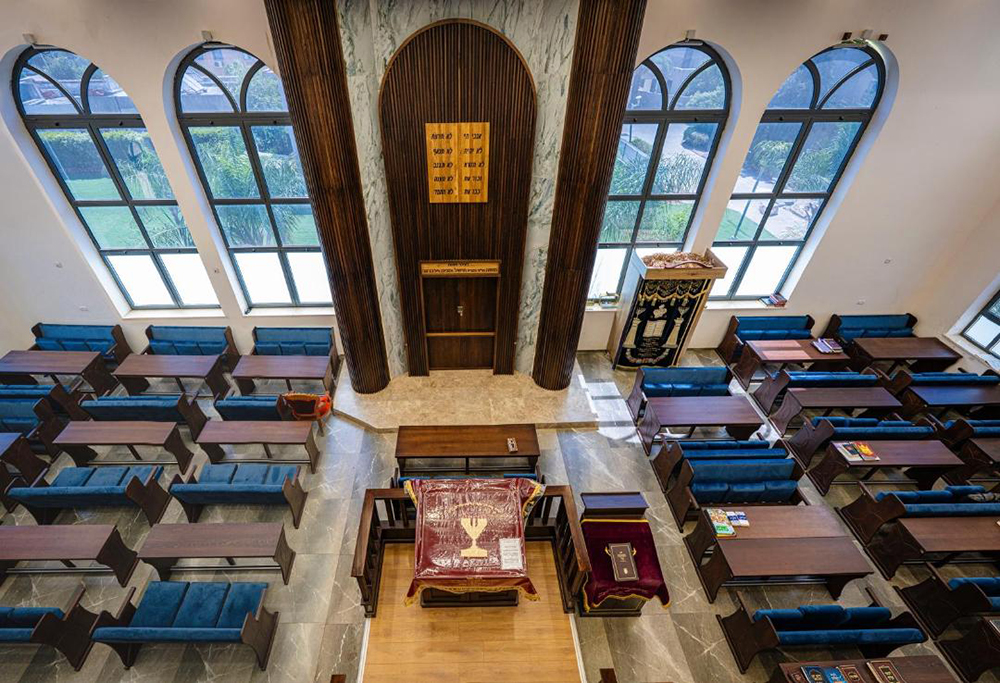
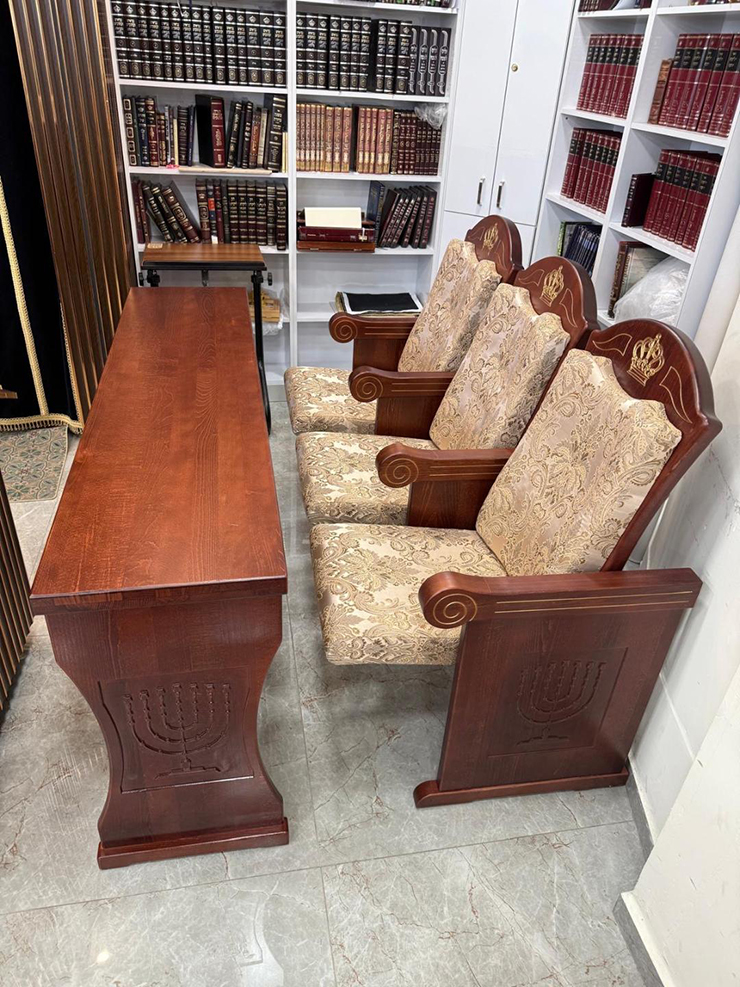
Israber began in a cramped workshop, with a handful of tools and an uncompromising philosophy: no piece would leave the workshop unless it reflected both technical excellence and spiritual intention. Meir rejected shortcuts. Each bench, shtender, and ark curtain was treated not as a commodity but as an act of service.
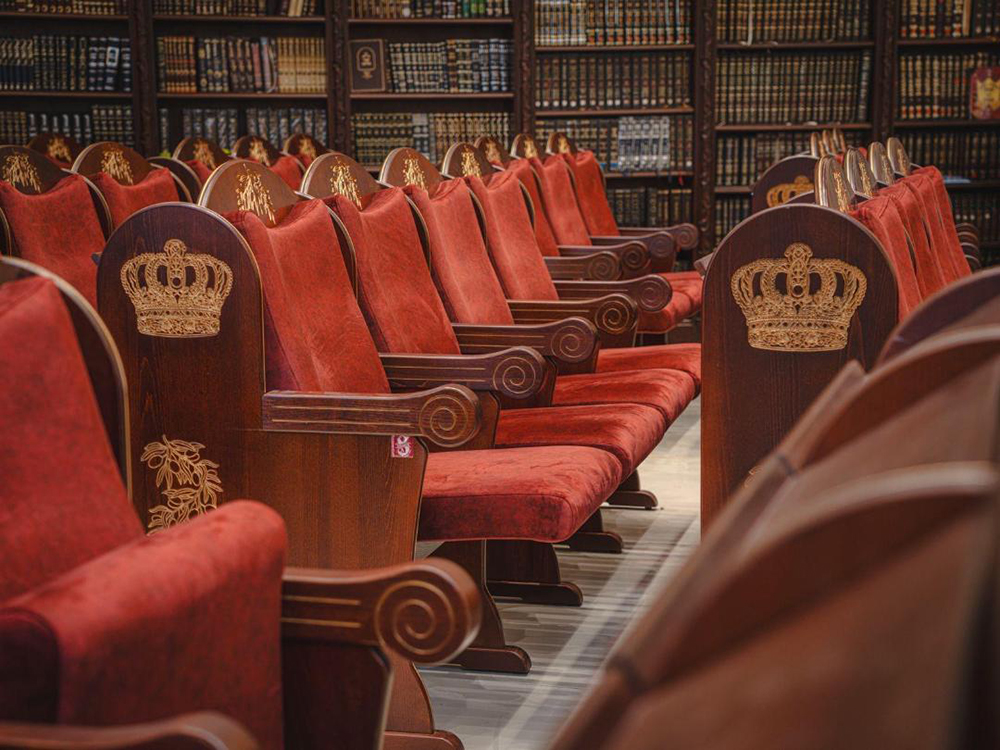
The early years were precarious. Orders were sporadic, budgets tight. But word spread—first in Israel, then abroad—of a workshop that produced synagogue furniture with unusual sensitivity. Rabbanim, gabbais, and community leaders noticed something intangible: Israber’s products did not simply fit into prayer spaces; they seemed to belong there.
Gradually, the workshop evolved into a kosher business in the fullest sense of the term—not merely compliant with ritual standards but structured around them. Israber does not operate on Shabbat. A tithe is set aside from every profit. Communities in need receive sponsorships or gifts, often quietly, without publicity.
This is not marketing; it is mission.
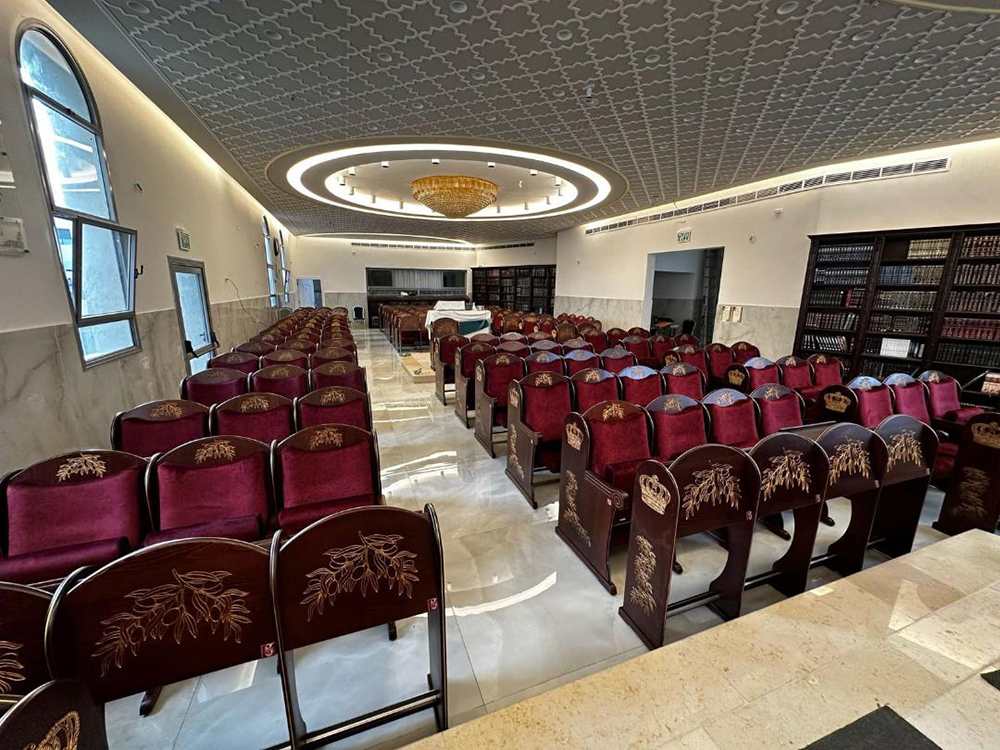
At Israber, craftsmanship is understood as covenantal. The team’s attention to detail is almost obsessive. Designers study the architecture of each synagogue, the flow of its prayer, the habits of its congregants. They consider how sunlight falls across the bimah, how sound reverberates between pews, how elderly worshippers will rise and sit during the Amidah.
Materials are selected not only for durability but for resonance—wood grains that convey warmth rather than sterility, fabrics that absorb sound without dulling color, finishes that age gracefully rather than merely endure.
Every element, Meir insists, must convey kavod—to the building, to the worshippers, and ultimately to God.
This philosophy stands in quiet defiance of an era obsessed with efficiency. In a world that prizes speed, Israber has built a reputation on patience. Where others outsource, Israber invests in in-house expertise. Where competitors optimize for cost, Israber optimizes for meaning.
Today, Israber’s reach spans far beyond Israel. Its furniture adorns synagogues in North America, Europe, and beyond—each project a dialogue between tradition and local culture. A synagogue in Montreal may require a different aesthetic than one in Melbourne, but both share the same underlying aspiration: to create an environment in which prayer feels dignified, grounded, and sincere.
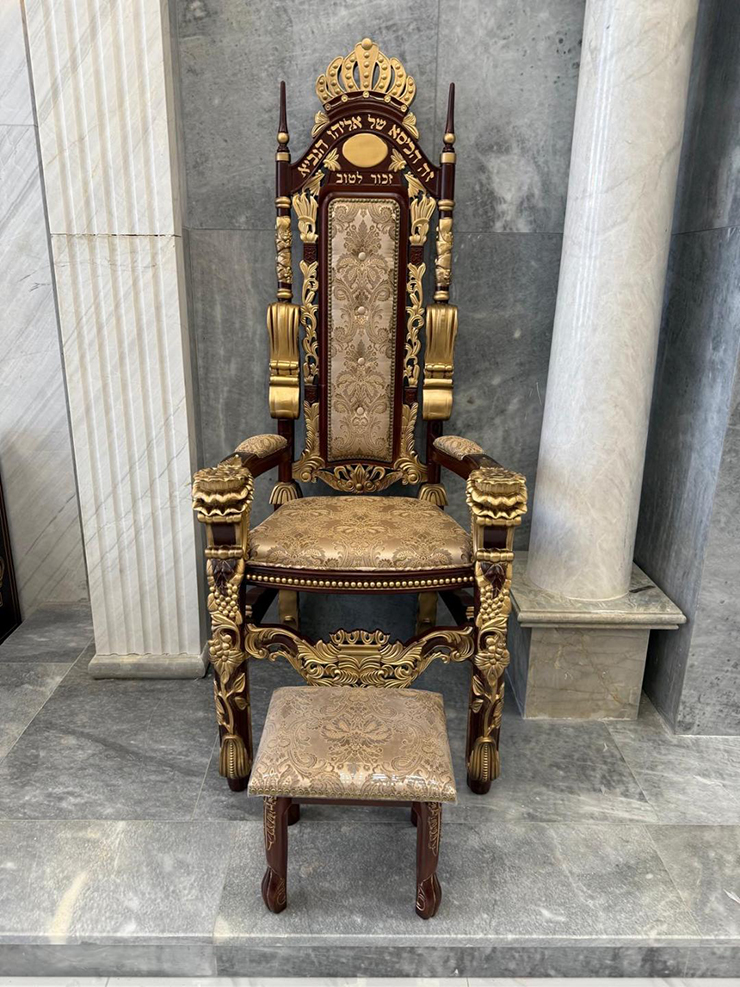
For many diaspora communities, Israber’s work carries added symbolism. It is not merely furniture imported from Israel; it is a physical bridge to the Jewish homeland, an embodiment of continuity across oceans. Congregants who sit on an Israber bench often do not realize the journey it has taken—from an immigrant’s dream in Israel to their local sanctuary—but they feel its presence nonetheless.
Perhaps the most distinctive element of Israber’s identity is its insistence on operating as a kosher business—not only in observance but in ethos. The decision not to work on Shabbat is costly in purely financial terms. The commitment to tithing reduces margins. Sponsorships and gifts do not appear on balance sheets as assets.
Yet Meir is adamant that these are not sacrifices but foundations.
“Furniture can be beautiful,” he says, “but if the business that creates it is not beautiful, something is missing.”
This principle has quietly influenced the company’s culture. Employees speak of working not just for a salary but for a purpose. Clients sense, often instinctively, that they are engaging with something more than a supplier.
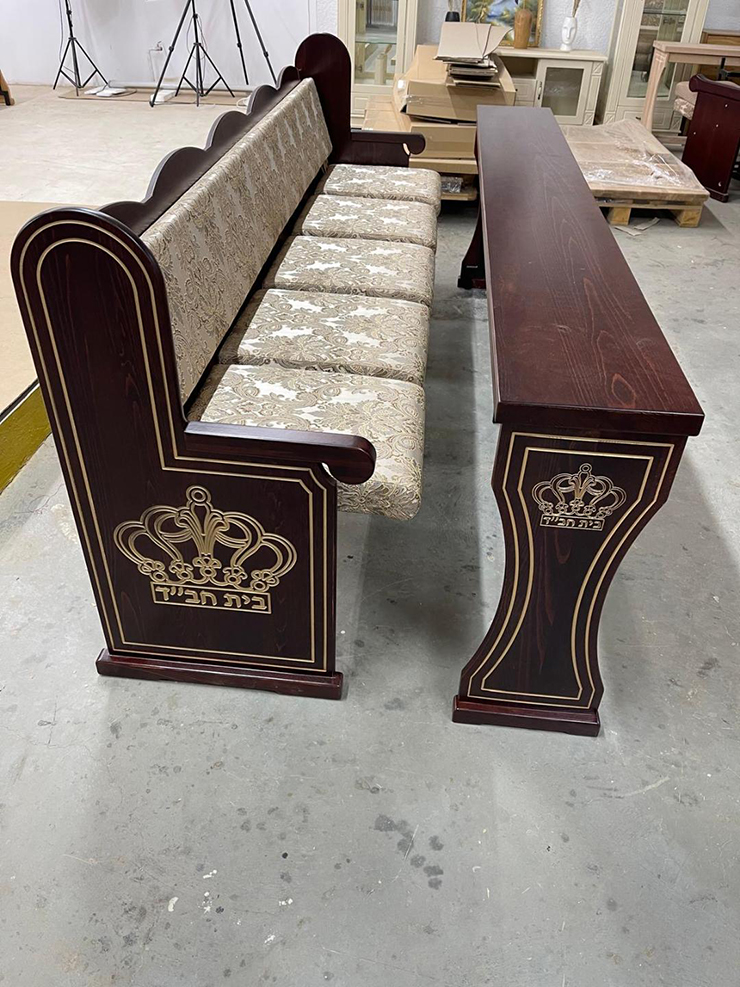
In many synagogues, furniture is invisible until it fails—until a bench wobbles or a shtender cracks. Israber aims for a different relationship: furnishings that are not obtrusive but quietly uplifting. The goal is not to distract worshippers with grandeur, but to support their prayer so seamlessly that the environment recedes into sanctity.
A well-designed prayer space, Meir believes, does something subtle to the soul. It slows the rush of daily life. It signals that this moment is set apart. It reminds congregants, without words, that Judaism is not only inherited but built—piece by piece, generation by generation.
Looking back, Meir often marvels at how far the company has come. The immigrant who once struggled to navigate a new society now supports communities across the globe. Yet the essence of Israber remains unchanged from its earliest days: reverence for tradition, devotion to craft, and a refusal to treat sacred spaces as mere contracts.
“Our goal,” Meir says, “is to continue bringing joy to communities around the world with furniture that inspires and connects tradition with comfort. In every project, we strive for perfection—not because perfection is attainable, but because striving itself is an act of faith.”
Israber’s invitation to synagogues is therefore more than commercial. It is a partnership in preservation, an offer to collaborate in safeguarding the tactile language of Jewish life. In an age where so much is digital, transient, and disposable, Israber carves holiness into wood—creating objects that endure, not only physically but spiritually.
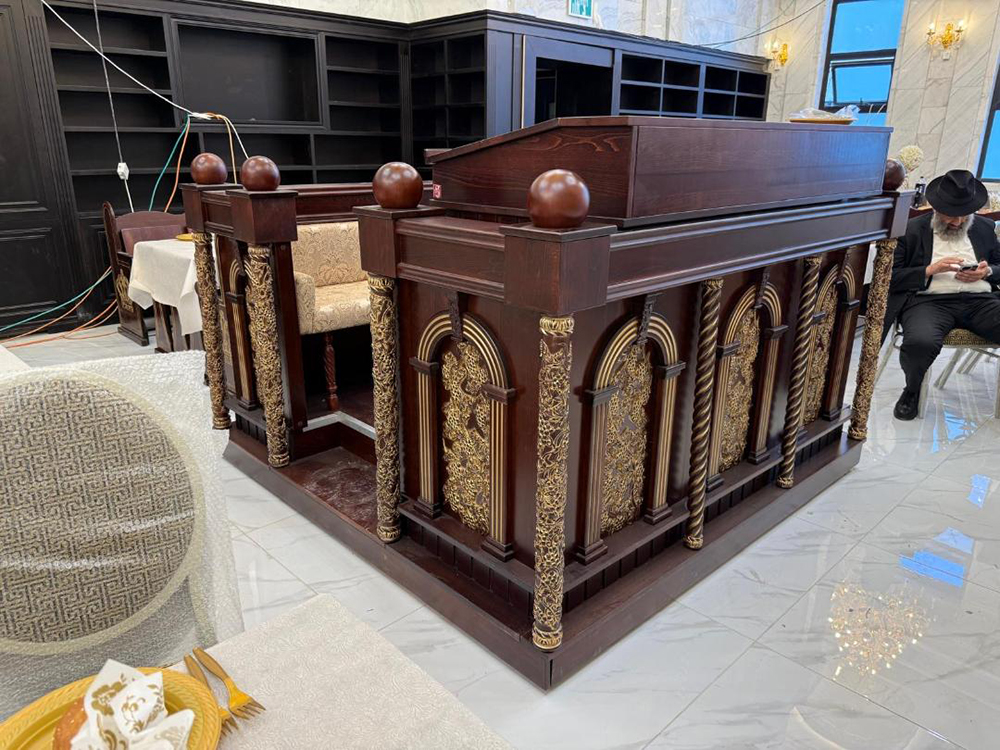
For communities seeking to renew their sanctuaries, Meir offers a simple promise: to make their synagogues more beautiful, not as a matter of style, but as an expression of devotion.
In every bench, every ark, every meticulously finished surface, Israber tells a story—of immigration and faith, of business as mitzvah, and of the quiet power of details to sustain a people.
