



|
Getting your Trinity Audio player ready...
|
By: Andrew Carlson
Every September, the US Open transforms New York City into a global spectacle, a two-week tennis carnival where the sport’s fiercest competitors share the stage with Hollywood royalty, music icons, and the glitterati of fashion and media. For the public, the presence of celebrities adds sparkle to the Grand Slam. For the U. S. Tennis Association (USTA), it is a meticulously engineered marketing strategy — one run with precision by Amanda Wight, the low-profile but enormously influential executive who decides which A-listers get coveted access and which ones are politely shown the door.
According to a report that appeared on Friday in The New York Post, Wight is the “game changer” for stars desperate to be seen courtside at Arthur Ashe Stadium. She manages the celebrity promotional program that has turned the US Open into an irresistible magnet for the famous and the powerful.
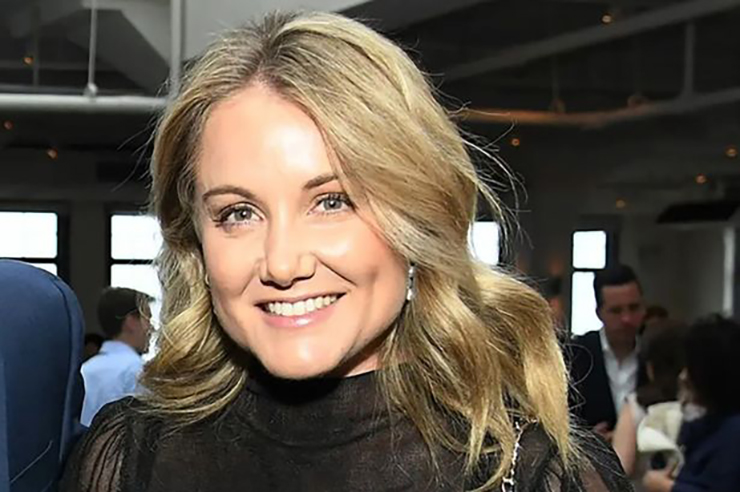
Wight’s ascent is itself a compelling story. She hails from Southend, a modest fishing town in Australia, far removed from the manicured lawns of Wimbledon or the cosmopolitan flash of New York. Her official title — director of international strategy, marketing and celebrity management at the USTA — barely conveys the extent of her influence.
As The New York Post report emphasized, Wight’s job is not only to entice celebrities to attend but also to orchestrate every detail of their appearance, from the moment they step onto the “blue carpet” at Flushing Meadows to the instant they’re ushered into luxury suites with sweeping views of center court. Her decisions shape the public face of the tournament, generating global media attention that extends far beyond the sport itself.
In photos, Wight looks more like the working professional she is — sneakers, simple attire, understated style — than a Hollywood publicist. Yet she holds one of the most powerful contact lists in sports and entertainment. “Every agent under the sun has my number,” she quipped to reporters.
At the core of Wight’s operation is a system of vetting. Not every celebrity, even those with substantial followings, makes the cut. As she explained, her team ranks stars according to fame and relevance, assessing their potential to amplify the Open’s reach.
“Arguably, the celebrity program is our biggest marketing tool,” Wight said, in remarks cited in The New York Post report.
Her toughest responsibility, she admits, is saying no. The U. S. Open is one of the hottest tickets in the world — particularly for the men’s final, where courtside seats are among the most exclusive commodities in sports. “If I had my own stadium just to fill celebrities in, I could probably fill that,” Wight said. “Everyone wants men’s final tickets, but they may not be of that high level that we really want in the house for finals, so that’s the biggest headache.”
This ruthless sorting ensures that when television cameras pan the stands, the audience is treated to a dazzling roster of faces recognizable from film, music, politics, and fashion.
The program has produced some unforgettable star-studded moments. In 2021, Brad Pitt and Bradley Cooper drew attention at Ashe Stadium, while Justin Bieber made a splash the following year. Last year, Taylor Swift and Kansas City Chiefs tight end Travis Kelce were spotted in the stands, their appearance sending social media into overdrive.
As The New York Post reported, this year’s parade of celebrities has included Stephen Colbert, Spike Lee, Queen Latifah, Olivia Munn, John Mulaney, Shonda Rhimes, Anna Wintour, Ludacris, Lindsay Lohan, Ben Stiller, singer H. E. R., the cast of “Abbott Elementary,” and much of the cast of “Scandal.”
For the USTA, the payoff is substantial: the photos go global, the TV cameras linger, and social media platforms churn out viral clips. The effect is a fusion of sport and entertainment that cements the Open’s reputation as not only a major tennis tournament but also one of the world’s premier cultural events.
When Wight extends an invitation, she does far more than hand out tickets. She ensures the star’s journey through the event is seamless, assigning staffers to manage their arrival, escort them through media zones, and guide them into suites. A key part of the process is the “blue carpet,” a media-friendly staging area where celebrities are photographed before they head inside.
As The New York Post report highlighted, celebrities who accept know the terms: they are expected to pose for pictures, appear on international broadcasts, and post about their experience on social media. Their presence becomes a contractual part of the tournament’s promotional strategy, even if it is never described as such.
The USTA leans in heavily, alerting major outlets and even paparazzi about who will be in attendance each day. This calculated publicity ensures that celebrity appearances dominate coverage alongside the athletes’ performances.
Wight’s influence also extends beyond seating arrangements. She has become adept at orchestrating viral moments that ripple across social media. One example this year: when U. S. Open champion Coco Gauff expressed a desire to meet Simone Biles, Wight made the introduction happen — and ensured cameras captured the encounter. The images and videos, amplified across platforms, went viral.
“It absolutely helps grow the sport,” Nicole Kankam, USTA’s managing director of marketing and entertainment, told The New York Post. By carefully curating these celebrity-athlete interactions, Wight helps bring tennis to audiences who might otherwise pay little attention to the game.
In many cases, celebrities or their agents reach out directly to Wight in search of tickets. Others go through corporate sponsors, while some try their luck via social media messages. Wight herself sometimes scouts opportunities, inviting high-profile personalities when she learns they are in New York.
This balancing act requires diplomacy, discretion, and a keen sense of timing. Rejecting a celebrity’s request can be awkward, but maintaining the program’s prestige depends on exclusivity. As Wight explained, there are more requests than seats, and not everyone merits inclusion on tennis’s biggest stage.
For the USTA, the celebrity program is about far more than entertainment. It is a deliberate marketing strategy designed to expand tennis’s global footprint. The presence of celebrities at the US Open generates mainstream coverage that no advertising campaign could match.
As The New York Post report pointed out, the blending of pop culture with athletic competition transforms the tournament into a social happening as much as a sporting event. The celebrities in attendance — photographed, televised, and endlessly discussed — serve as unpaid ambassadors, linking tennis to global conversations in fashion, entertainment, and music.
Wight’s success has implications beyond tennis. In an era where sports compete fiercely for audience attention, the integration of celebrity culture has become a powerful tool. By carefully curating which stars appear and how they are presented, Wight has built a system that ensures the US Open resonates far beyond the courts.
Her story — from small-town Australia to the heart of New York’s glitziest sporting stage — is a testament to how behind-the-scenes executives can redefine the way we experience sports.