



|
Getting your Trinity Audio player ready...
|
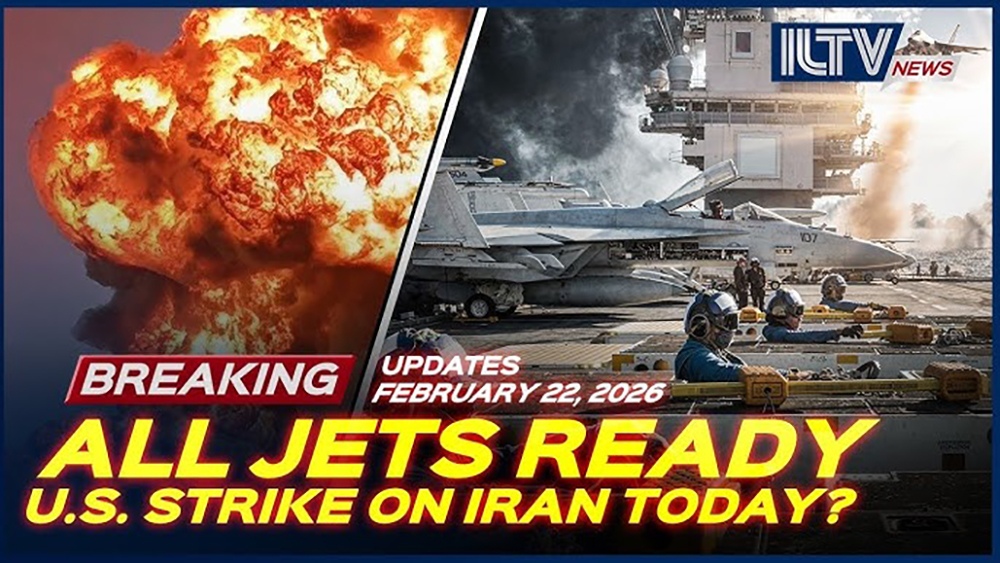
Calls for “limited strikes” on Iran are once again circulating in Washington, dressed up as prudence and restraint. The idea is seductive: a calibrated show of force, a sharp tap on the shoulder to signal resolve without plunging the United States into another prolonged Middle Eastern war. Yet this notion is not merely misguided—it is dangerous.
A limited American strike on Iran would almost certainly backfire, hardening the regime’s resolve, inviting retaliation, and dragging the region, and possibly the world, into a cycle of escalation. If the objective is truly to eradicate the nuclear threat Iran poses and to give real hope to those Iranians who have risked their lives demanding freedom, then half-measures are worse than useless. Only a decisive, direct confrontation with the regime can plausibly alter the trajectory of Iran’s nuclear ambitions and its internal repression.
The logic behind limited strikes rests on a comforting fiction: that Tehran will absorb a blow, calibrate its response, and return to the negotiating table chastened. This assumes a regime motivated primarily by cost-benefit calculations familiar to Western strategists. But the Islamic Republic has never behaved like a normal state.
It is an ideological regime forged in revolution and sustained by defiance. Its identity is bound up with resistance to America and Israel. For leaders who derive legitimacy from confrontation with the “Great Satan,” appearing to capitulate under pressure is not merely undesirable—it is existentially threatening. Any limited strike would be framed domestically as an act of war, compelling retaliation not because it is strategically wise, but because the regime’s narrative of resistance demands it.
Such retaliation would not be symbolic. Iran possesses a broad menu of asymmetric responses: missile attacks on American bases, strikes on Gulf energy infrastructure, harassment of shipping in the Strait of Hormuz, and proxy attacks across the region. Each response would invite a counter-response, and the carefully scripted “limited” strike would rapidly metastasize into a widening conflict.
The United States would then face a choice between escalating to restore deterrence or de-escalating in a manner that would embolden Tehran and its proxies. History suggests Washington is ill-suited to sustaining such calibrated ambiguity. What begins as a supposedly neat intervention would end as a protracted, destabilizing confrontation.
There is also the question of effectiveness. Limited strikes might damage facilities, degrade stockpiles, or disrupt production temporarily. But Iran has demonstrated a remarkable capacity to absorb blows, conceal assets, and rebuild. A few years’ delay in nuclear progress is not victory. It is a reprieve purchased at the price of escalation, regional instability, and the further radicalization of the regime’s domestic posture.
If the United States is serious about preventing a nuclear-armed Iran and about standing with the Iranian people against a brutal theocracy, then it must be honest about the scale of action required. Either Iran’s nuclear and missile capabilities must be degraded so comprehensively that they are set back for decades, or the regime itself must be confronted with the possibility of collapse. Both paths entail overwhelming force and significant risk. There are no clean, surgical shortcuts. The Middle East offers no easy victories, and the fantasy of a limited strike that resolves a strategic threat while containing consequences is precisely that—a fantasy.
