



|
Getting your Trinity Audio player ready...
|
By: Fern Sidman
In the modern American landscape, addiction has emerged not merely as a public health crisis but as a pervasive and deeply entrenched societal affliction. It transcends demographic boundaries, infiltrating communities of every socioeconomic stratum and cultural identity. From substance dependencies such as drugs and alcohol to behavioral compulsions including gambling and disordered eating, addiction manifests in myriad forms—each uniquely destructive, yet united by a common capacity to devastate lives.
What renders this crisis particularly intractable is not only its prevalence, but its persistence. A distressingly high percentage of individuals who undergo traditional rehabilitation relapse, often multiple times, before achieving sustained recovery—if they do so at all. The revolving door of treatment, relapse, and renewed despair has become a tragic hallmark of the addiction landscape. Families are fractured, careers are derailed, and lives are irreparably altered, as the disease exerts its relentless grip.
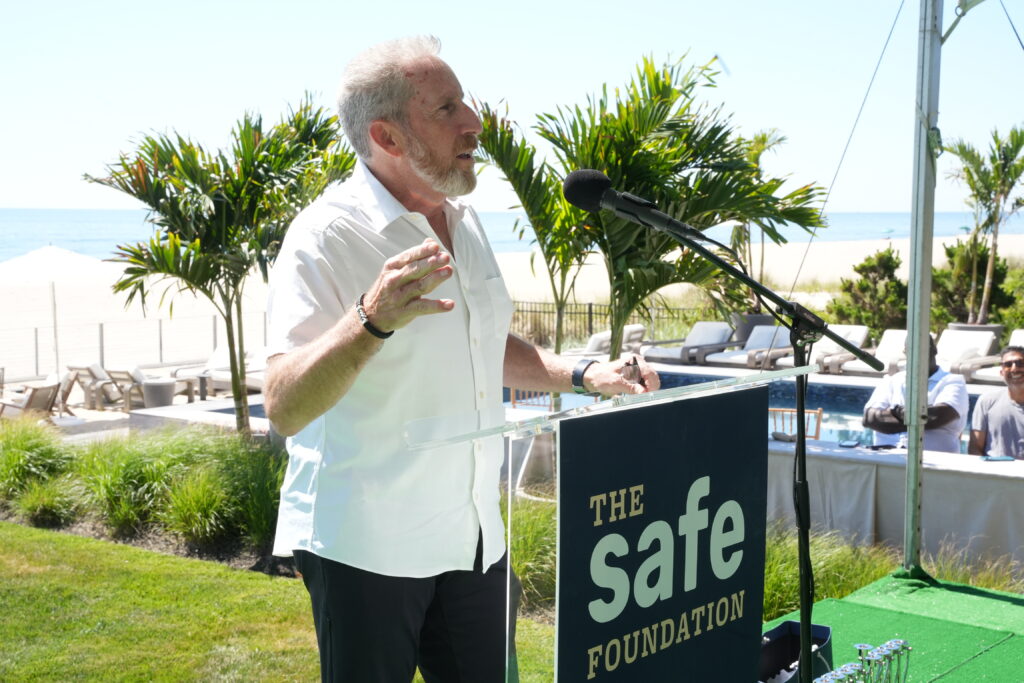
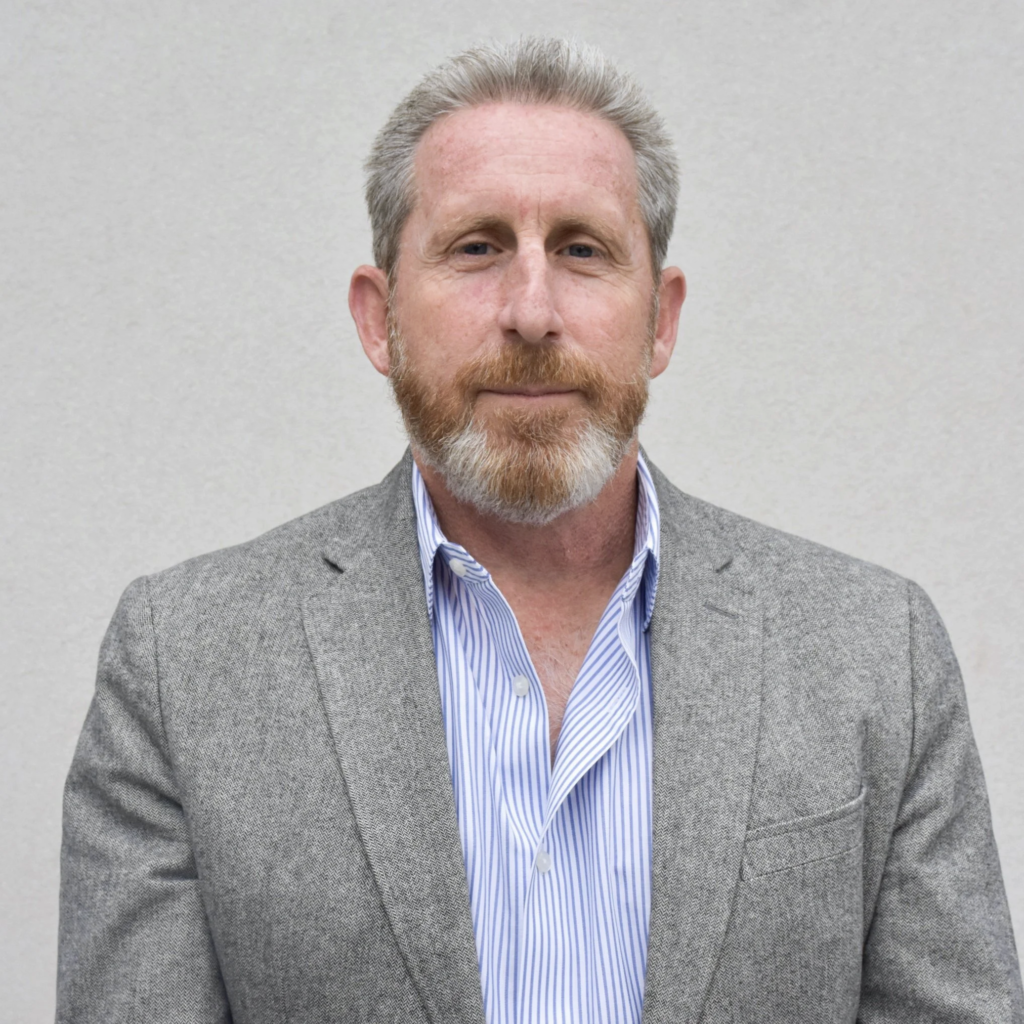
Yet amid this bleak tableau, there are beacons of hope—institutions and individuals whose work stands as a testament to the possibility of transformation. Among them, The Safe Foundation, under the visionary leadership of its founder and chief executive officer, Mr. Ike Dweck, occupies a singularly distinguished place.
The story of SAFE is inextricably linked to the personal odyssey of its founder. Mr. Dweck’s journey from addiction to recovery is not merely anecdotal; it is foundational to the ethos that underpins the organization.
“I am happy to say that I’m in recovery for 38 years from my gambling addiction, “ Mr. Dweck reflected with a quiet but unmistakable sense of conviction. His words, though measured, carry the weight of lived experience—a credibility that no academic credential alone could confer.
Having endured the isolating and often stigmatized struggle of gambling addiction at a time when resources were scarce and societal understanding was limited, Mr. Dweck made a decision that would ultimately alter the trajectory of countless lives. “Many years ago it was very hard to get help with addictions,” he explained. “That is why I went back to school and became a certified drug, gambling, and alcohol addiction counselor.”
This commitment to professional rigor, coupled with personal insight, laid the groundwork for the establishment of The Safe Foundation in 2003—a pioneering institution dedicated to addressing addiction in all its forms.
Central to SAFE’s philosophy is the recognition that addiction is indiscriminate. It spares no one and respects no boundaries.
“Addictions attack everybody,” Mr. Dweck emphasized. “We serve not only the people in our community, but all communities. The people who come to us are from very diverse backgrounds.”
This inclusivity is not merely aspirational; it is operational. SAFE’s clientele spans a wide age range, from adolescents as young as thirteen to adults in their seventies. “We have counseled people from the ages of 13 through 75,” Mr. Dweck noted, underscoring the breadth of the organization’s reach.

Such diversity necessitates a multifaceted approach—one that addresses not only the physiological aspects of addiction but also its psychological, social, and familial dimensions. SAFE’s comprehensive model integrates individual counseling, group therapy, medical assessment and family support, all delivered by a team of highly trained and deeply compassionate professionals.
While treatment remains a central pillar of SAFE’s mission, Mr. Dweck is unequivocal in his belief that prevention is equally, if not more, critical.
“We take the lead in community outreach,” he said. “Project SAFE organizes workshops and events that equip more than 2,600 children and youth with the tools they need to avoid addictions and other harmful behaviors.”
This proactive strategy reflects a profound understanding of addiction as a disease that often takes root early, long before its symptoms become visible. By intervening at the level of education and awareness, SAFE seeks to disrupt the trajectory before it begins.
“We have SAFE teachers in nine community schools,” Mr. Dweck explained. “One period a week for the entire school year is dedicated to learning about the dangers of addictions and life skills. Students also have the opportunity to discuss issues that concern them.”
Institutions such as the Magen David Yeshiva (both elementary and high school), Yeshiva of Flatbush, Hillel High School and Barkai Yeshiva have embraced this curriculum, recognizing its transformative potential. “We want these students to have the tools they will need to navigate life in their toolbox,” Mr. Dweck said, articulating a vision that is as pragmatic as it is aspirational.
The results, he noted, are compelling. “The success rate drastically improves when grassroots prevention measures are taken.”
Perhaps the most compelling testament to SAFE’s efficacy lies in the stories of those whose lives it has transformed. Mr. Dweck recounted one particularly striking case involving a physician ensnared in the grip of online gambling addiction.
“He was in debt to the tune of $500,000 to $600,000,” Mr. Dweck recalled. “He had to sell his home. He was married with children.”
The stakes could scarcely have been higher. Yet through a combination of individual and group counseling, coupled with an unwavering commitment to recovery, the outcome was nothing short of extraordinary.
“After 13 months of treatment, he is now six years clean,” Mr. Dweck said. “He got that monkey off his back.”
Such narratives are not anomalies; they are emblematic of SAFE’s approach—one that combines clinical expertise with genuine empathy, creating an environment in which recovery is not only possible but sustainable.
One of the most profound insights that informs SAFE’s work is the recognition that addiction is not an isolated affliction. It reverberates outward, affecting not only the individual but also their family and social network.
“Addiction is a disease that affects everyone,” Mr. Dweck observed. “That means not only the person who has the addiction, but their family members as well.”
In response, SAFE has made family support a central component of its programming. “We provide counseling and round-the-clock support for family members,” he explained. “They are deeply affected by the behavior of the addict.”
This holistic approach acknowledges that recovery is not merely an individual endeavor but a collective journey—one that requires understanding, resilience, and sustained support.
While SAFE’s outpatient services form the backbone of its operations, the organization also recognizes that certain cases necessitate more intensive intervention.
“Depending on the case, some people need inpatient rehabilitation or hospitalization,” Mr. Dweck said. “We assist our clients in finding the right rehab center.”
This commitment to continuity of care ensures that individuals receive the appropriate level of treatment at every stage of their recovery journey.
In recent years, SAFE has expanded its focus to include eating disorders—an area often overlooked despite its growing prevalence.
“Eating disorders are widespread, and treatment options are limited,” Mr. Dweck noted. “That is why we initiated the Mindful Eating Project.”
This innovative program seeks to connect individuals with appropriate treatment while also raising awareness about the complexities of disordered eating. This innovative program seeks to connect individuals with appropriate treatment while also raising awareness about the complexities of disordered eating. SAFE has applied for a license with the State of New York to open an eating disorder clinic and they expect to receive it later this year.
Today, The Safe Foundation operates state-licensed outpatient facilities in Brooklyn, New York, and Eatontown, New Jersey. Its programs are accredited by the New York State Office of Addiction Services and Supports and the New Jersey Division of Mental Health and Addiction Services—an affirmation of its adherence to the highest standards of clinical excellence.
Funding for the organization is drawn primarily from the Sephardic Jewish communities of Brooklyn and the Jersey Shore, reflecting a deep sense of communal responsibility and solidarity.
Yet SAFE’s impact extends far beyond any single community. Its programs, methodologies, and success stories resonate across cultural and geographic boundaries, offering a model that could—and arguably should—be replicated on a broader scale.
In an era defined by the relentless advance of addiction, the work of Mr. Ike Dweck and The Safe Foundation stands as a powerful counterpoint—a reminder that even the most entrenched challenges can be met with ingenuity, compassion, and unwavering resolve.
“Addiction does not discriminate,” Mr. Dweck said. “But neither does recovery.”
It is a simple yet profound assertion—one that encapsulates the essence of SAFE’s mission. Through its comprehensive programs, its emphasis on prevention, and its steadfast commitment to those it serves, the organization has not only changed lives; it has redefined what is possible.
In a society searching for solutions to one of its most pressing crises, SAFE offers not merely a model, but a mandate: that with the right combination of expertise, empathy, and determination, the cycle of addiction can indeed be broken—and lives, once thought lost, can be reclaimed.
For further information, please contact The Safe Foundation at 718-GET-SAFE or visit their website at: thesafefoundation.oorg
