



|
Getting your Trinity Audio player ready...
|
Andrew Cuomo Draws Fresh Mockery Over Unfortunate Phrase Used in NYC Mayoral Campaign Remarks
By: James Trankina
Former New York Governor Andrew Cuomo, who resigned from office in 2021 following a cascade of sexual harassment allegations, is once again under public scrutiny—this time for a remark made during an interview about his struggling bid for New York City mayor. As reported on Thursday in The New York Post, Cuomo’s comments sparked a wave of online criticism after he vowed to focus on “touching more people” in his ongoing campaign efforts.
Cuomo, who has been grappling with the fallout from accusations made by over a dozen women during his tenure as governor, made the comment in a discussion with the Daily News on Wednesday. Reflecting on his failed attempt to secure the Democratic nomination, the former governor outlined his strategy as an independent candidate, stating he would seek “better use with social media, reaching out to more young people and touching more people.”
According to the information provided in The New York Post report, critics immediately seized on the wording—highlighting the unintended irony given Cuomo’s political downfall was precipitated by allegations of inappropriate physical contact and misconduct.
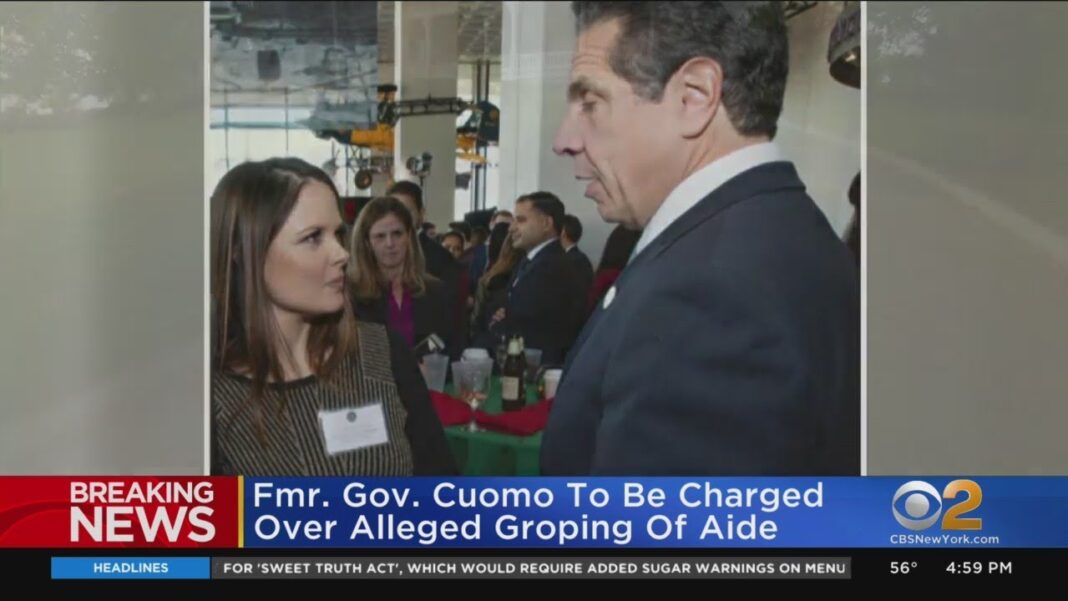
Lindsey Boylan, the former Cuomo aide whose accusations were among the first to surface publicly, was quick to respond. Though The New York Post report did not quote her directly, it reported that online users amplified her previous criticisms by referencing the former governor’s latest choice of words.
“We really don’t need him touching more people; that’s why he had to resign last time,” one social media user wrote, as quoted by The New York Post.
Others joined in with similarly pointed reactions. “TOUCHING MORE PEOPLE?? Please tell me he didn’t say that,” posted another user. A separate commenter added: “In a sane society, Andrew Cuomo saying he’s going to ‘reach out to more young people and touch more people’ would be taken as a public safety emergency.”
In a sane society,
Andrew Cuomo saying he’s going to “reach out to more young people and touch more people” would be taken as a public safety emergency. https://t.co/NlGwElNXpg pic.twitter.com/OMB1x12cGJ
— Forrest Miller 🎥🏆 (@AlwaysFlacko) July 17, 2025
Another bluntly advised: “Should probably avoid saying that Andrew.”
When reached for comment by The New York Post, Cuomo’s longtime spokesperson Rich Azzopardi dismissed Boylan’s continued criticism. “She is not credible and it’s sad she continues to spread these false accusations,” Azzopardi said, defending Cuomo against the persistent allegations that contributed to his resignation.
As The New York Post reported, the backlash illustrates the challenges Cuomo faces in attempting a political comeback. His remarks have reignited debates over his past conduct and the appropriateness of his continued presence in public life, particularly in the high-profile and scrutinized arena of New York City politics.
Cuomo’s decision to remain in the mayoral race as an independent, following his failure to secure the Democratic nomination, has already drawn skepticism. His campaign has struggled to gain traction, overshadowed by lingering questions about his political judgment and personal controversies.
Cuomo mercilessly mocked for pledge to focus on ‘touching more people’ on campaign: ‘We’ve all paid enough for your touching’ https://t.co/Au4A3sAr9z
— ConservativeLibrarian (@ConserLibrarian) July 17, 2025
The incident reflects a broader pattern observed by The New York Post in recent coverage: Cuomo’s frequent missteps in public messaging and a seeming inability to escape the shadow of his resignation. His latest comments have served to reinforce public skepticism, further complicating his efforts to rehabilitate his image and mount a credible challenge in the upcoming mayoral election.
The controversy surrounding his latest remarks serves as a stark reminder of the enduring impact of past scandals in shaping political fortunes—and the sensitivity required when seeking a return to public office after a fall from grace.
