



|
Getting your Trinity Audio player ready...
|
(TJV NEWS) The United States is preparing for the possibility of sustained ground operations inside Iran—potentially lasting weeks—as military planners consider a major escalation beyond airstrikes, according to The Telegraph.
Defense officials are reportedly drawing up scenarios that would involve both special operations forces and conventional troops carrying out targeted missions rather than a full-scale invasion. The plans focus on seizing or disabling critical Iranian assets, including military infrastructure and key energy sites that are central to Tehran’s power and regional influence.
The scope of the planning marks a sharp shift. Instead of limited, one-off strikes like previous operations, U.S. strategists are now preparing for a more sustained campaign that could unfold over weeks and expose American forces to constant threats—from missiles and drones to roadside explosives and coordinated counterattacks.
At the same time, thousands of additional U.S. troops and military assets have been moved into the region, signaling that Washington is building the logistical backbone needed for a longer conflict.
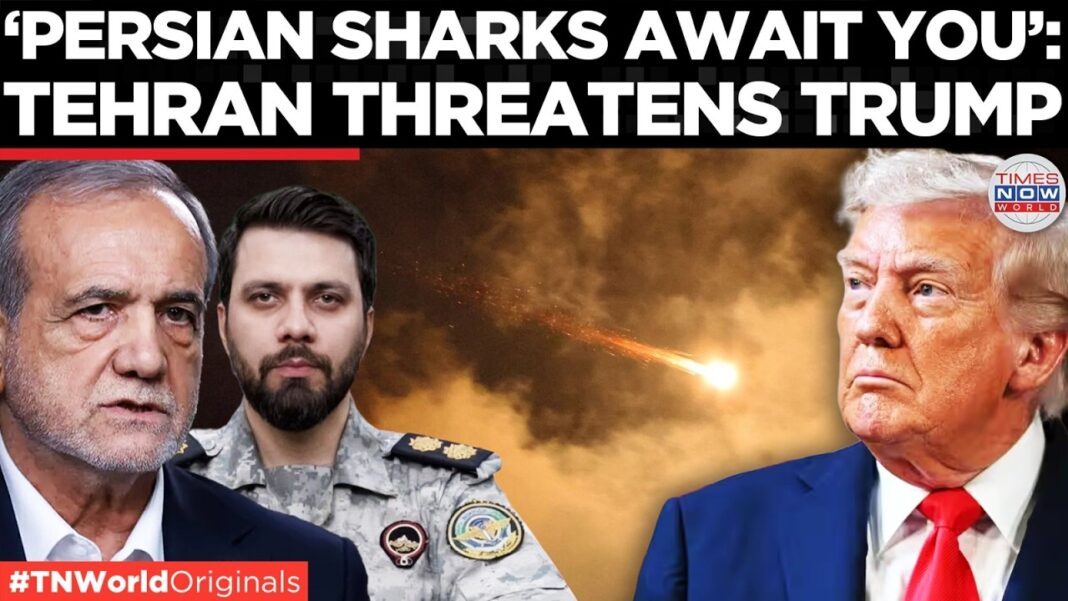
But Iran is making clear it will not tolerate such a move. Iranian leaders have accused Washington of using diplomacy as a smokescreen while quietly preparing for invasion, warning that any deployment of U.S. ground troops would trigger a fierce and potentially wide-ranging response.
Senior Iranian officials have gone further, openly threatening to target American forces and allied positions across the region if boots hit the ground. Tehran has also rejected proposed ceasefire frameworks, insisting that continued U.S. and Israeli strikes must end before any meaningful negotiations can take place.
The growing standoff reflects deep contradictions in U.S. strategy. While President Donald Trump has suggested a deal with Iran remains possible, the Pentagon is simultaneously preparing for a conflict that could expand dramatically in both scale and duration.
Military experts warn that even a “limited” ground campaign could spiral quickly. Iran’s extensive missile arsenal and network of regional proxies mean any U.S. incursion could ignite retaliatory strikes across multiple countries, threatening American bases, global shipping lanes, and energy supplies.
For now, no final order has been given. But as planning intensifies and rhetoric on both sides hardens, the situation appears to be moving closer to a dangerous tipping point—one where a contained conflict could rapidly evolve into a broader regional war.

Will Israel send in troops?