



|
Getting your Trinity Audio player ready...
|
(TJV NEWS) President Donald Trump on Friday signed an order directing the Department of Homeland Security to pay Transportation Security Administration (TSA) employees, even as much of DHS remains in a partial shutdown due to stalled funding negotiations, Federal News Network reports.
The move comes as Congress struggles to pass a spending measure to fund the department, with a Senate‑approved proposal expected to fail in the House. According to Federal News Network, the president instructed DHS officials to use available funds to ensure TSA workers begin receiving paychecks again, with payments potentially starting as soon as March 30.
The directive allows DHS to draw on funds that have a “reasonable and logical nexus” to TSA operations to cover salaries and benefits that employees would have received if the shutdown had not occurred. Federal News Network notes that officials may tap money from last year’s One Big Beautiful Bill Act to facilitate the payments.
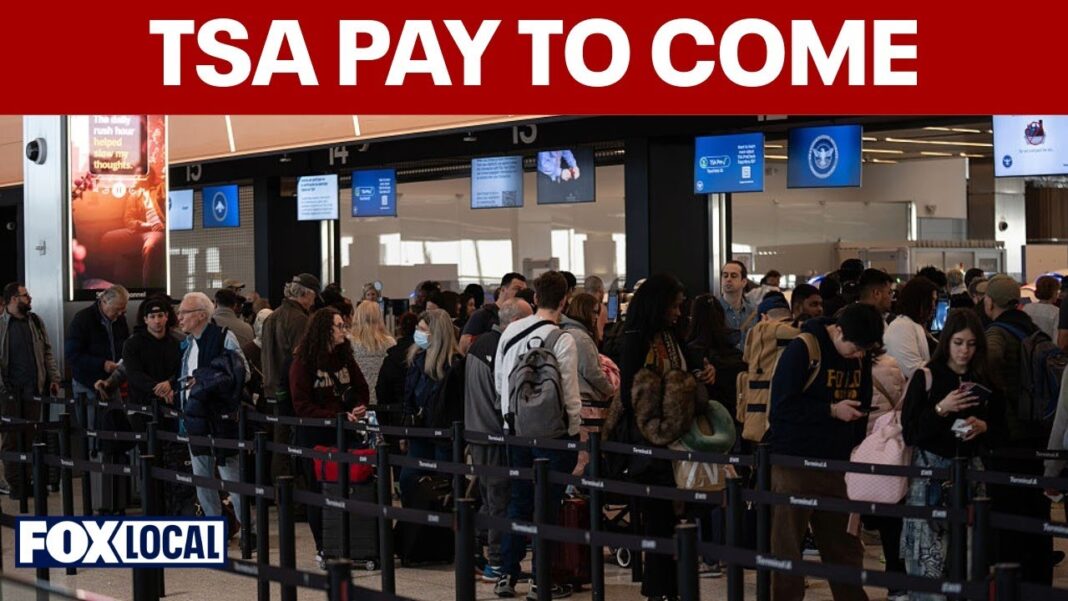
Around 60,000 TSA employees have been working without pay since the shutdown began in February, including about 47,000 transportation security officers. Absentee rates have surged, and nearly 500 officers have resigned, contributing to long lines and delays at airports nationwide, according to Federal News Network.
Union leaders have repeatedly expressed concern over the financial strain faced by their members, who have missed multiple paydays. While TSA staff will see their pay restored through this order, other parts of DHS — including the Cybersecurity and Infrastructure Security Agency and the Federal Emergency Management Agency — will continue without funding until Congress acts, Federal News Network reports.
House Democrats criticized the administration for the delay in paying TSA employees and urged lawmakers to pass legislation to reopen funding for the entire department. The president’s order provides a temporary solution to the immediate financial strain on TSA workers, but a permanent resolution will depend on congressional action.
