



|
Getting your Trinity Audio player ready...
|
By: Jeff Gorman
In a hushed Manhattan federal courtroom, where the polished rituals of justice unfold beneath cold fluorescent light, a young woman’s voice cut through the air with quiet devastation. Her words, halting and tear-soaked, described not glamour, privilege, or aspiration—but terror, coercion, and violation. As The New York Post reported on Thursday, the witness—testifying under the pseudonym “Maya Miller”—alleged that flashy luxury real estate broker Tal Alexander raped her inside a multimillion-dollar Hamptons mansion, transforming what began as a weekend of opulence into a scene of profound brutality.
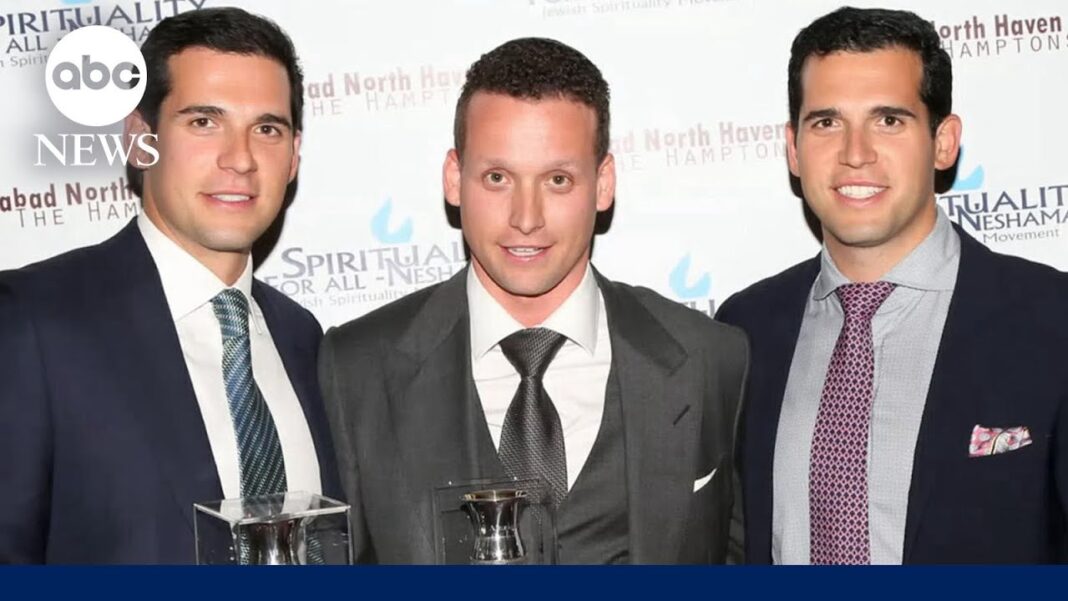
The case, now gripping New York and national media attention, places Tal Alexander, 39, and his brothers Oren and Alon, both 38, at the center of a sprawling federal prosecution that has come to symbolize the dark underside of elite privilege. According to prosecutors and testimony echoed in The New York Post report, the brothers stand accused of orchestrating a sex trafficking scheme spanning more than a decade—using wealth, influence, and access to lure women into situations that allegedly devolved into exploitation and abuse.
Miller’s testimony this week offered jurors an intimate, harrowing account of one such encounter. Speaking through tears, she described an alleged assault that took place in August 2014, at the end of a weekend stay in a $13 million waterfront mansion in Sag Harbor. The house, a cathedral of luxury—complete with a basketball court, a pool, and sweeping ocean views—became, in her telling, the backdrop for a crime that has haunted her for nearly a decade.
As The New York Post report detailed, Miller said she first encountered Tal Alexander through Instagram. At the time, she was a 23-year-old nurse, living an ordinary life far removed from the orbit of celebrity real estate brokers and private seaplanes. Alexander, by contrast, was already a rising figure in elite property circles—an agent whose résumé included brokering a $15 million Miami Beach condo sale to Kim Kardashian and Kanye West. The world he inhabited was defined by wealth, access, and spectacle.
When Alexander invited Miller and her friend to the Hamptons, the invitation seemed surreal. They were flown from Manhattan by seaplane and driven by private car to the sprawling estate. Miller testified that the experience felt unreal—“a different universe,” as The New York Post report paraphrased her words. The luxury was intoxicating, overwhelming, and disorienting.
But beneath the glamour, she said, an unease began to settle in.
According to Miller’s testimony, the atmosphere shifted sharply after she rejected Alexander’s sexual advances on Saturday night. Wearing only swim trunks, he allegedly climbed into bed with her and her friend. When rebuffed, his tone changed. The charm gave way to irritation. Entitlement replaced flirtation. What had seemed like hospitality began to feel conditional.
Miller told jurors that she felt increasingly unsafe. She stayed awake all night, stacking suitcases against the door in an attempt to barricade herself inside the bedroom. Fear, she said, replaced sleep. Instinct replaced trust. She sensed danger in the silence of the hallways and the presence of other men in the house.
Hours later, she alleged, the threat materialized.
Preparing to leave the house, Miller said Alexander burst into the room and physically attacked her. She ran to the bathroom and into the shower, hoping the enclosed space might offer protection. But instead, she testified, Alexander followed her in, turned on the water, and assaulted her.
“He was sexually aroused when he was looking at me when I was crying,” she told the jury, according to The New York Post report. “What he did to me—it was pure control.”
Her voice broke as she described trying to scream and being unable to make a sound loud enough to summon help. The violence, she said, drew blood. The trauma, she implied, has never truly stopped.
Afterward, she testified, Alexander allegedly told her: “You wanted that. It’s okay. I care about you. You wanted that.” A statement that prosecutors argue reflects psychological manipulation as much as physical domination.
The courtroom, packed with reporters and observers, fell silent as Miller spoke. The proximity of her alleged attacker—sitting just feet away—only deepened the emotional gravity of the moment. The New York Post report described the scene as one of unbearable tension: the collision of raw human suffering with the sterile formality of federal justice.
Defense attorneys, as expected, sought to undermine her credibility. They questioned why she did not immediately report the alleged assault. They highlighted text messages sent afterward, including a smiley emoji and a message describing New York as “f–king amazing.” They pointed to a gift her friend later sent Alexander, thanking him for the weekend.
Miller did not deny these facts. Instead, she explained them.
She testified that she was afraid—afraid of Alexander’s wealth, power, and social reach. She said she acted in “compliance,” attempting to avoid provoking further harm. Trauma experts have long described this behavior as common among survivors, and prosecutors appear to be relying on that understanding to contextualize her actions.
As The New York Post report emphasized, this trial is not about a single encounter, but about an alleged pattern—an architecture of exploitation built on wealth and access. The prosecution has framed the Alexander brothers not as isolated offenders, but as operators of a system: one that allegedly normalized coercion, commodified women, and treated consent as negotiable when money and power were involved.
The case is further darkened by documentary evidence. Jurors were shown an email Tal Alexander allegedly sent to his brother Alon days before the Hamptons weekend. In it, he referred to the women as “cheap hookers” and forwarded Miller’s flight details. The language, crude and dehumanizing, is central to the prosecution’s narrative that this was not romance, but predation.
For Miller, the decision to come forward came years later. She testified that she contacted the FBI only after seeing news coverage of the Alexander brothers’ arrest in December 2024. Watching a press conference about the case, she said, something shifted inside her.
“I’m 34 years old now and I know who I am,” she told jurors, as reported by The New York Post. “And I want someone to be held accountable for what they have done to me.”
Her testimony is now part of a broader legal reckoning that threatens to dismantle the carefully constructed public image of the Alexander brothers. Oren and Tal co-founded the luxury brokerage firm Official in 2022 after rising through the ranks at Douglas Elliman. Their brand was synonymous with aspiration, exclusivity, and elite access. In glossy magazines and social media feeds, they were presented as symbols of modern success.
Now, they are defendants in a federal courtroom.
All three brothers face charges that include sex trafficking by fraud, force, or coercion. If convicted, they each face potential sentences ranging from 15 years to life in prison. The trial is expected to continue for several more weeks, with additional witnesses and evidence likely to further shape the narrative.
The cultural implications of the case extend far beyond the courtroom. As The New York Post report noted, the allegations strike at the heart of a broader societal reckoning with elite impunity. This is not merely a story about individual wrongdoing—it is a story about systems that protect power, about how wealth can function as insulation, and about the ways in which access can be weaponized.
The Hamptons mansion, once a symbol of privilege and success, now stands in the public imagination as something darker—a stage for alleged violence hidden behind glass walls and ocean views. The seaplane flight, once a fantasy of luxury, now reads as a prelude to fear. The Instagram message, once innocuous, now feels like the first step in a carefully constructed trap.
For Miller, the trial is not about spectacle. It is about recognition, accountability, and truth. Her testimony is part of a growing chorus of voices challenging the mythology that wealth equals virtue and status equals safety.
In the end, the case of the Alexander brothers is not only a legal drama—it is a moral one. It asks whether society is finally willing to confront the shadows cast by privilege. It asks whether glamour will continue to obscure harm. And it asks whether justice can penetrate even the most fortified walls of power.
In that courtroom, amid legal arguments and procedural motions, one truth has already emerged with devastating clarity: beneath the sheen of luxury, a woman’s life was shattered—and no amount of wealth can erase that reality.
