



|
Getting your Trinity Audio player ready...
|
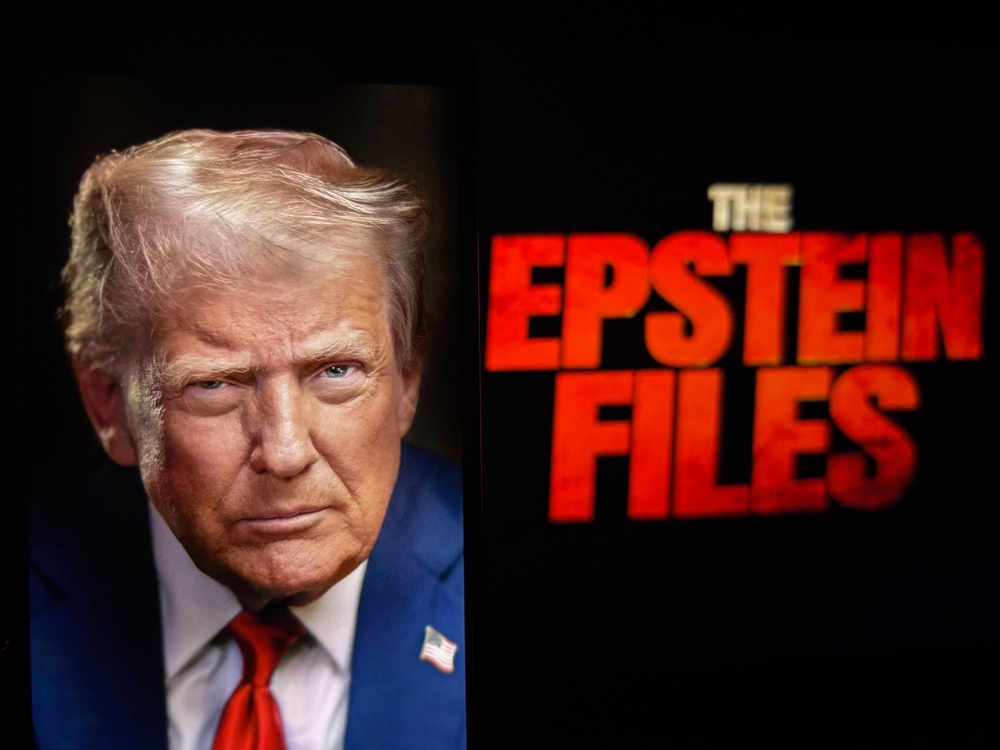
(TJV NEWS)The Justice Department will allow members of Congress to review unredacted versions of the more than three million documents tied to Jeffrey Epstein that have already been released publicly, according to a letter obtained by Axios.
The move comes amid mounting pressure from Democrats, who have accused the DOJ of failing to meet its legal obligations under the Epstein Transparency Act. Lawmakers argue that the department has withheld millions of records outright and applied excessive redactions to many of the files that were made public, raising questions about whether the law is being fully honored.
House Judiciary Committee ranking member Rep. Jamie Raskin (D-Md.) escalated the issue last week, formally requesting access to the complete, unredacted Epstein records. In his letter to the department, Raskin said Congress must verify that any redactions comply strictly with the law, which allows information to be withheld only in limited circumstances — such as protecting victims’ personally identifiable information.
Raskin emphasized that the statute does not permit documents to be concealed to spare embarrassment, prevent reputational damage, or shield politically sensitive information involving government officials, public figures, or foreign dignitaries, as Axios reported.
According to the DOJ, lawmakers in both the House and Senate will be granted access to the unredacted materials beginning February 9. Assistant Attorney General Patrick Davis outlined the process in a letter to Congress, explaining that the documents will be available for review in a secure reading room inside the Justice Department’s Washington, D.C., headquarters.
The files can be reviewed between 9 a.m. and 6 p.m., Monday through Friday. Members of Congress must provide at least 24 hours’ notice before accessing the records. While electronic devices will be prohibited inside the reading room, lawmakers will be allowed to take handwritten notes.
The existence of the letter was first reported by NBC News.
Davis said the review process is consistent with what he described as the DOJ’s commitment to “maximum transparency” in complying with the Epstein Files Transparency Act. He added that the department believes the review will demonstrate its good-faith efforts to process an enormous volume of sensitive material within a compressed timeframe.
The decision to open the unredacted files to lawmakers is likely to intensify scrutiny of how the Epstein records have been handled — and whether further disclosures may still be ahead.
